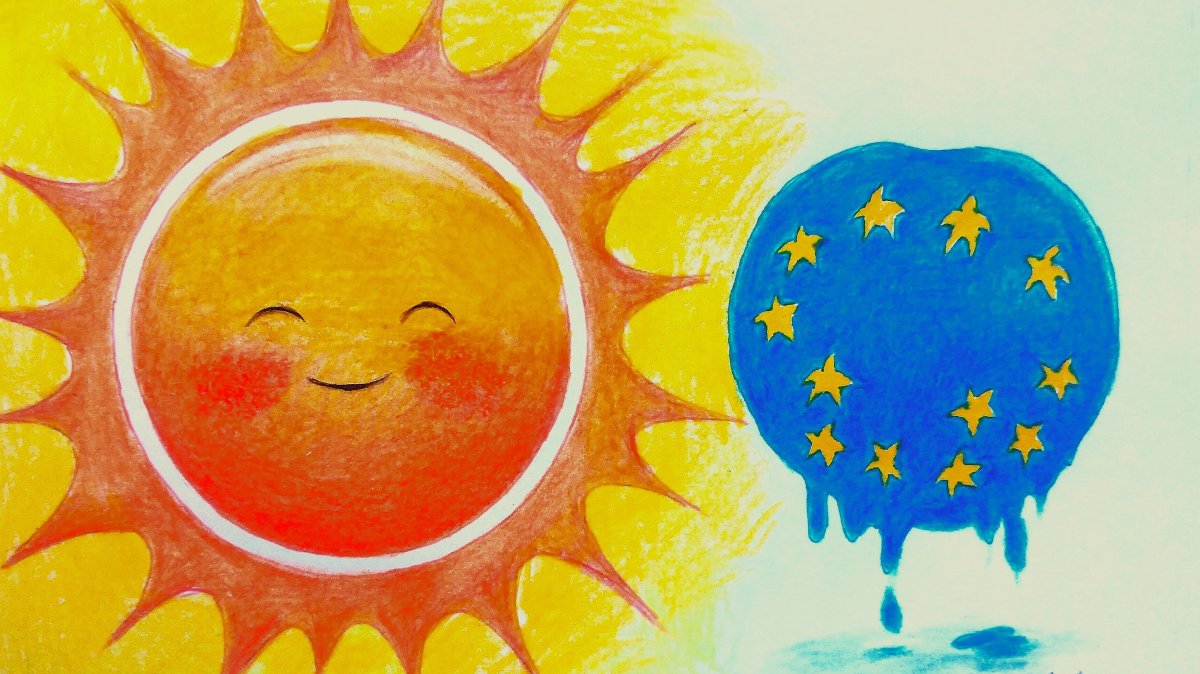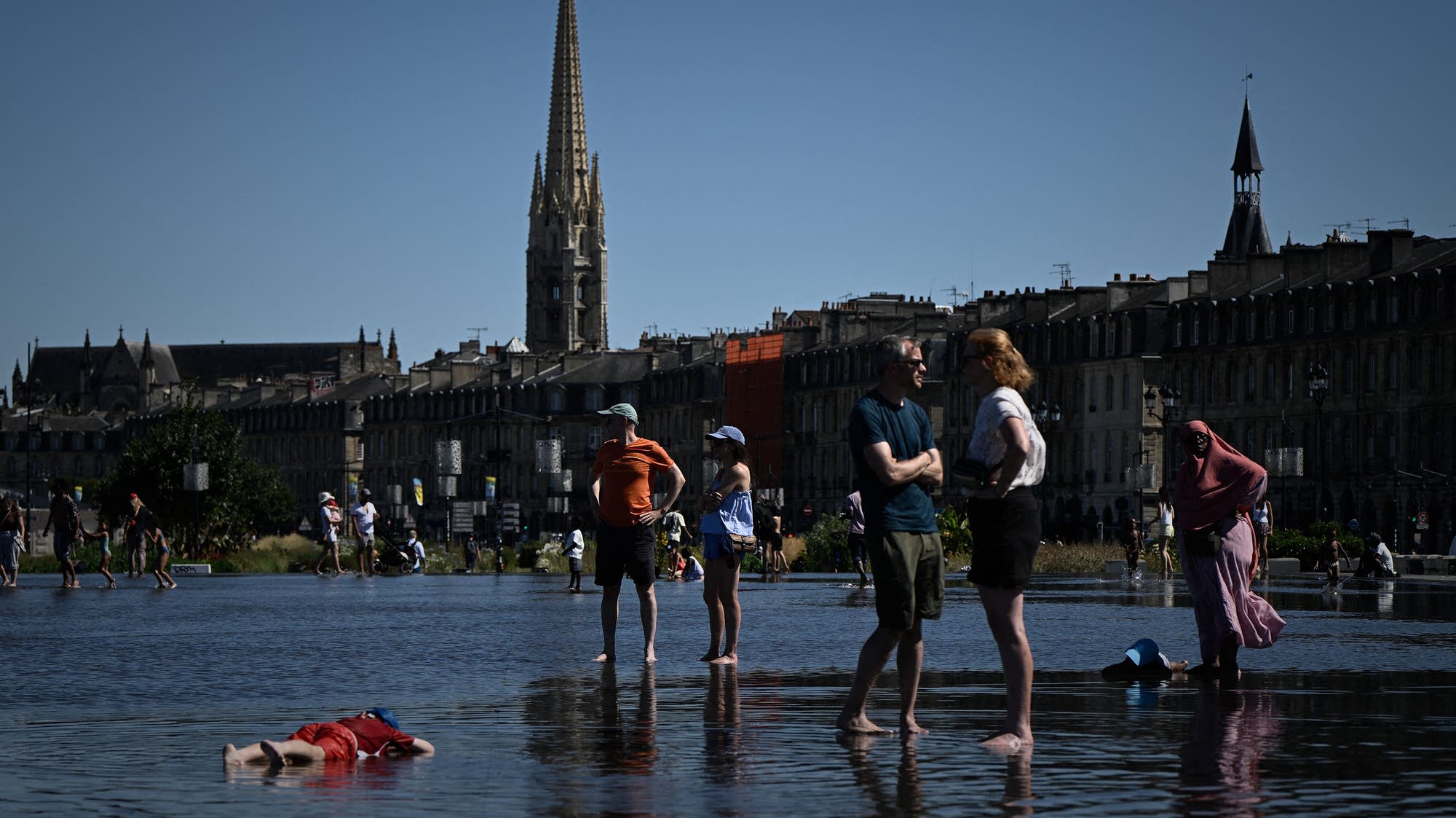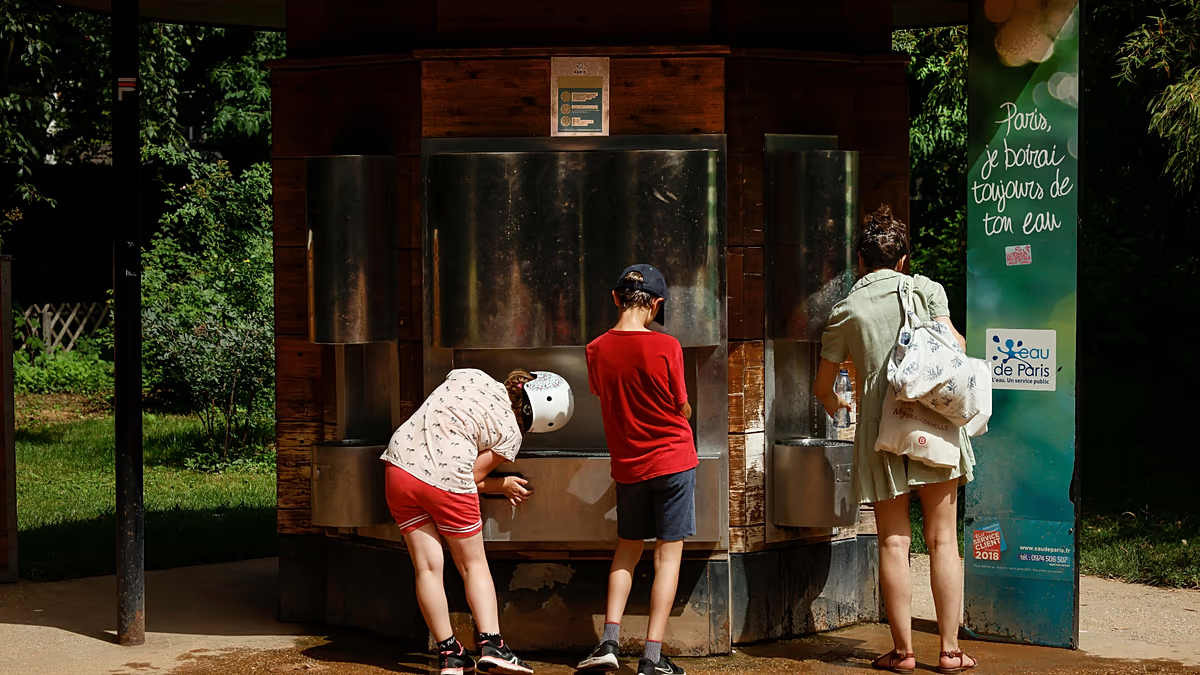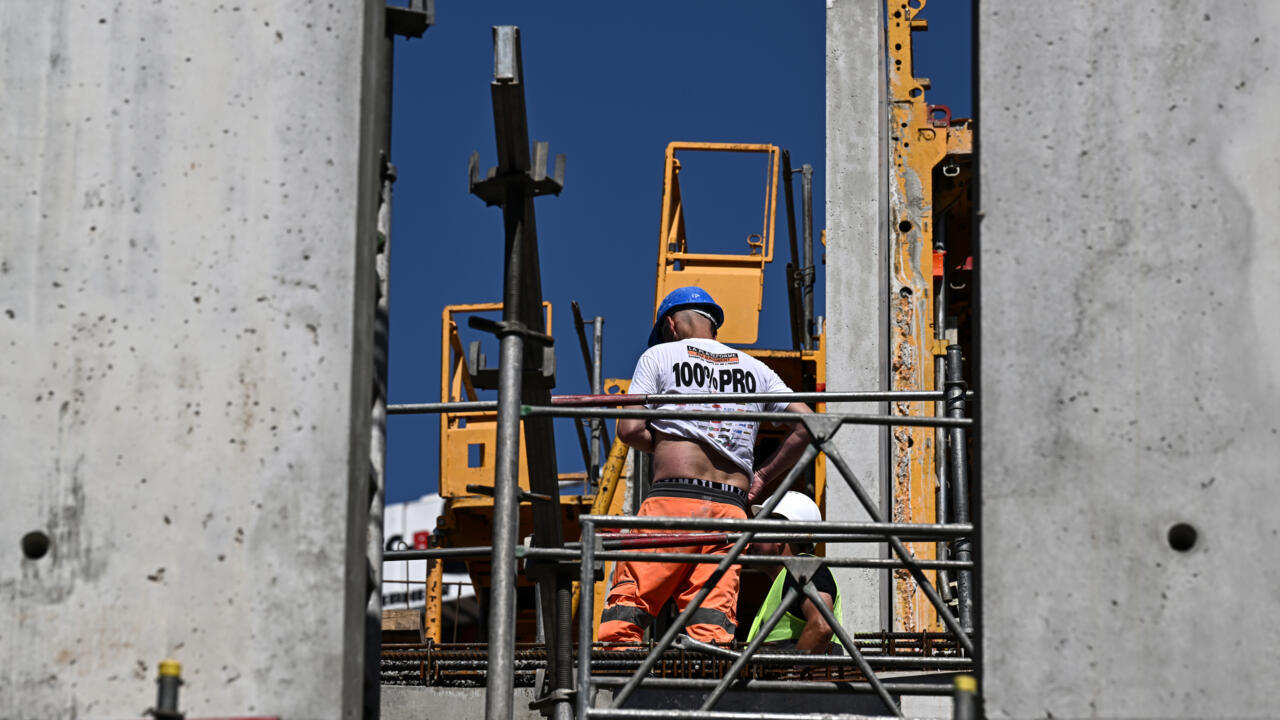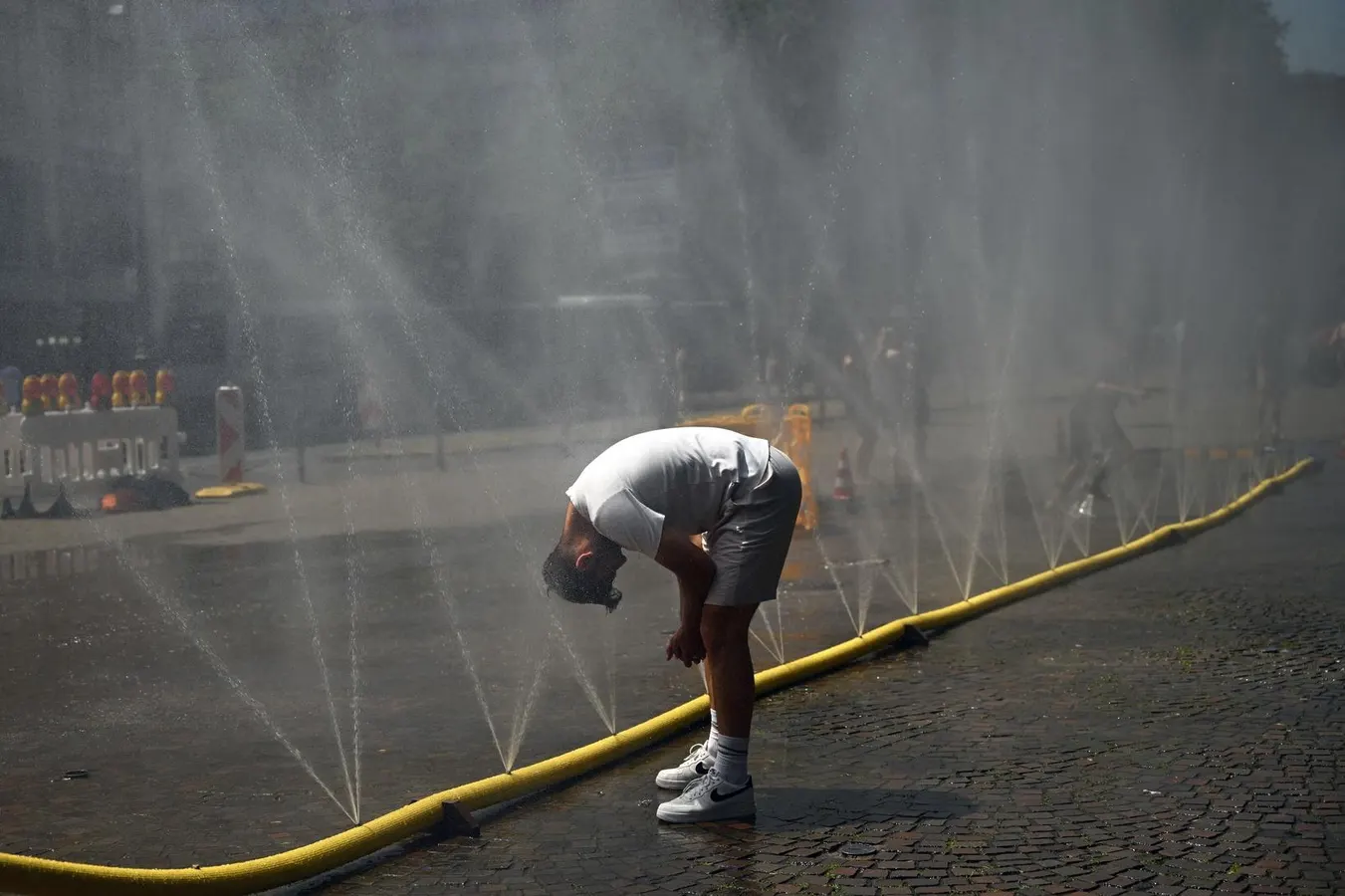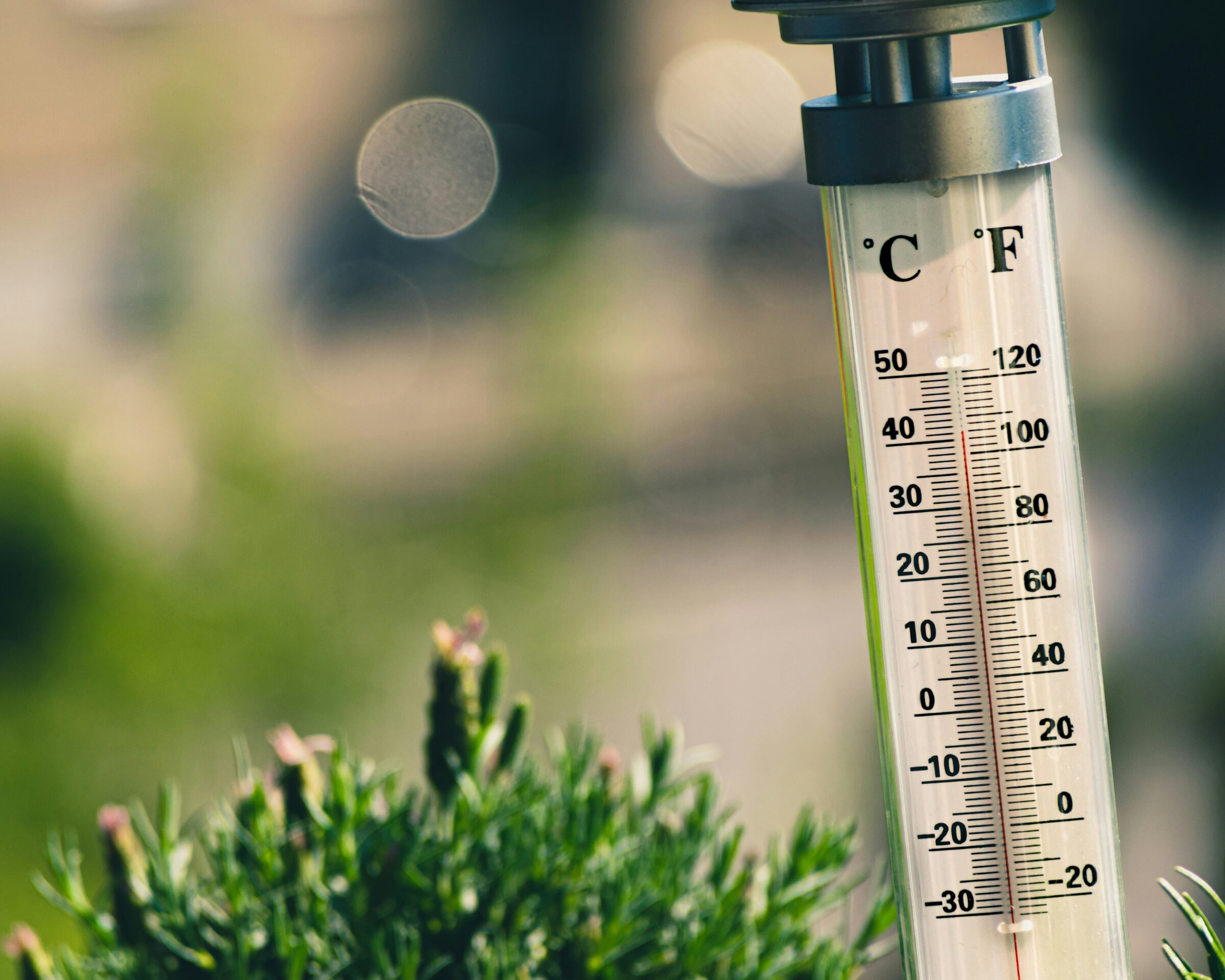
Across Europe, heatwaves are becoming more frequent, lasting longer, and pushing temperatures into the triple digits in some places. The heat has been slowing trains, straining power grids, and making it harder for people to work, which all comes at an economic cost.“Marketplace Morning Report” host Kimberly Adams was recently joined by Dr. Elizabeth Robinson, the director of the Grantham Research Institute on Climate Change and the Environment at the London School of Economics and Political Science, to discuss. The following is an edited transcript of their conversation.Kimberly Adams: When we talk about heat waves, like the one that you all have been having in Europe, where do the biggest economic costs show up?Elizabeth Robinson: What we're seeing is people finding it much harder to work, so we're less productive; we might be working fewer hours. And then the other area where we can look at costs is in terms of excess deaths. So, when people lose their lives in a heatwave, we can put something that might be termed "a value of a statistical life," or the value of how much we would generally want to spend to prevent a fatality. And so, for example, in June of this year in the U.K., estimates have been anywhere from sort of half a billion pounds to 2 billion pounds when we talk about lost output. And then in terms of when we put some cost to excess death, that's in the region of about sort of 6 billion pounds.Above, a man walks past a sign that reads 42° Celsius — or 107.6° Fahrenheit — in Palma de Mallorca, Spain on June 20.Jaime Reina/AFP via Getty ImagesAdams: Who is the hardest hit when these heat waves occur?Robinson: Vulnerable populations. When it comes to heat, we're very much looking at the elderly. So when we look at excess deaths during heat waves, it's almost exclusively either people over 65, or it's people with pre-existing conditions who are already vulnerable. Maybe they have kidney disease, maybe they have heart disease or compromised lungs. And then if we look at the working population, it's people who are in physically demanding jobs, or who are working in high-exposure sectors, so outside — people in construction, say, or agriculture. There's also people who work in what we might call the gig economy, so people who choose whether to take on an individual job. So if we think about, say, a cycle courier.Adams: You mentioned some of the long-term consequences in terms of excess deaths, but what are some of the long-term economic changes you're seeing coming as a result of these heat waves in Europe?Robinson: Certainly, we are seeing that there's long-term impacts on economic growth, so it's not just that it's a blip. Certainly, we're seeing adaptations, so people are thinking really hard about how we can adapt to our ever-changing climate. And so some of that is relatively straightforward, so in terms of the hours we're working, whether there's flexibility in when we work and where we work. Of course, there's questions about installing air conditioning, whether that's in offices or at home, or whether looking for opportunities for passive cooling, and we're going to have to really start seriously thinking about things like in agriculture. For example, in the UK, we know that we really should be growing more fruits and vegetables, but then you have to have individuals who pick those fruits and vegetables, and then if the weather's increasingly hot, is it safe for those people to be outside fruit-picking? And so, what are the alternatives? So, there's just a lot of considerations we have to have over how we're going to deal with the heat and to what extent we adapt. And there are certainly limits to adaptation.
The economic costs of Europe's heatwaves
Heatwaves take a tougher toll on already vulnerable populations, like the elderly or people with pre-existing conditions, or people who work outdoors.
628 words~3 min read