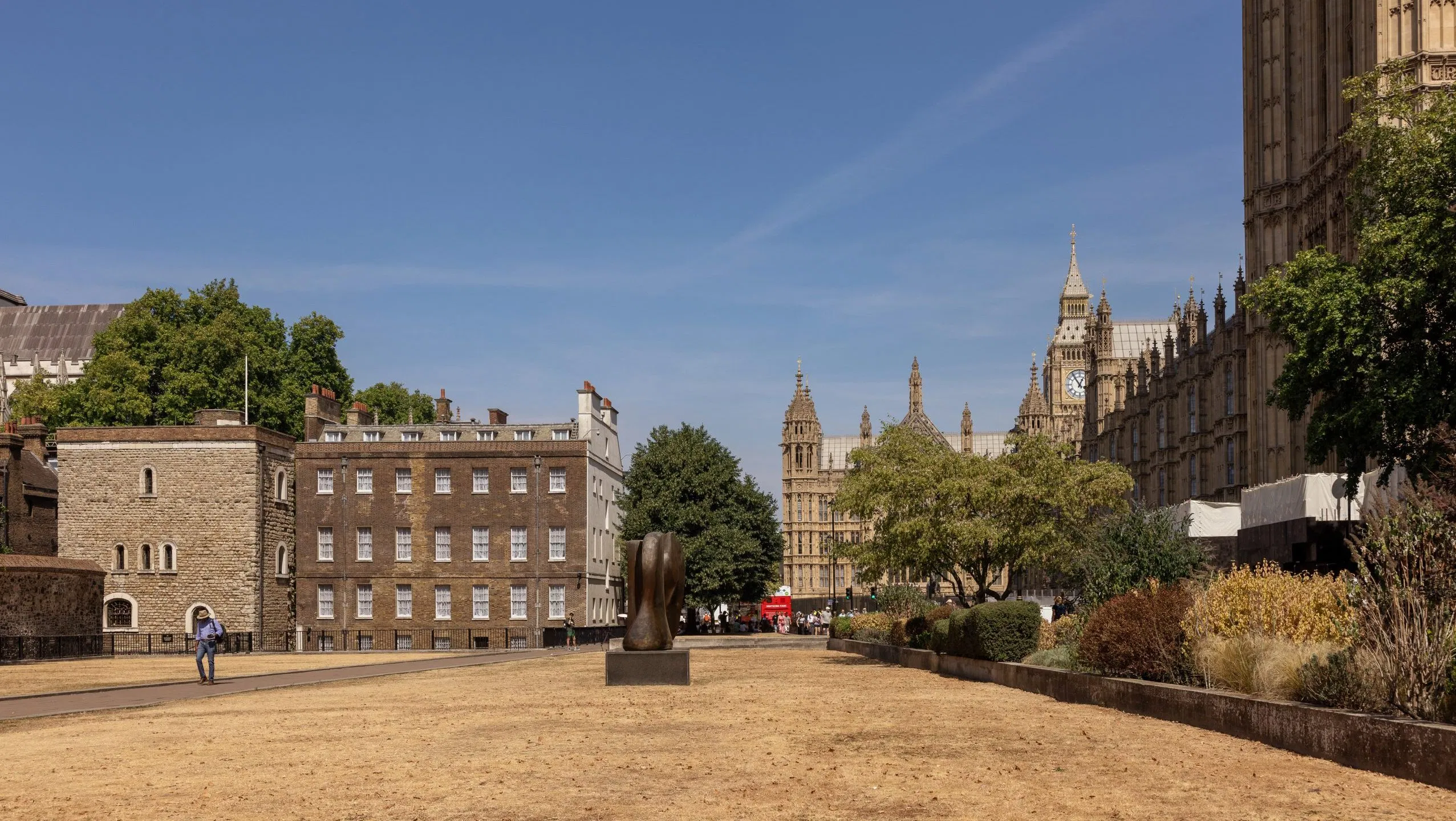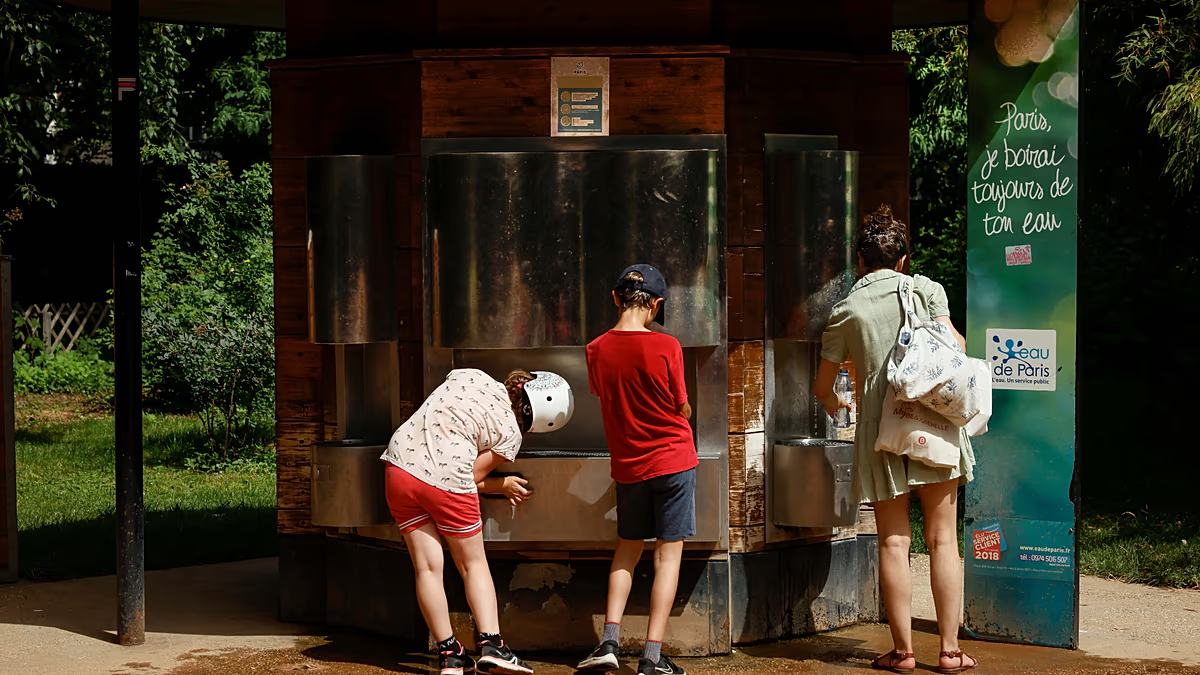
Europe is once again coping with an intense summer. All around the continent, soaring temperatures felt not only uncomfortable but also dangerous. An early heat wave has been linked to more than 10,000 excess deaths. Power cuts have left people sweltering when cooling was most needed. Wildfires, on the other hand, once treated mainly as a Mediterranean threat, have broken out in England, France, Italy, Spain and Sweden while record temperatures have reached as far north as Denmark. The geography of European climate risk is changing faster than the infrastructure built to manage it. Air conditioning is one of the clearest examples of this new vulnerability.
For decades, much of Europe treated cooling as something it could live without. Homes were designed to retain heat during long winters, not to remain cool during prolonged heat waves. Still, air-conditioning ownership across the continent remains around 20%. Yet, prolonged heat waves are turning cooling into a public-health necessity, especially for older people, children and those living in poorly shielded urban housing. The problem is that as millions of Europeans turn to electric cooling, demand rises to new highs, strains power grids and exposes vulnerabilities in critical infrastructure. This is the central paradox of Europe’s hotter summers: Climate change is increasing electricity demand while weakening parts of the energy system.