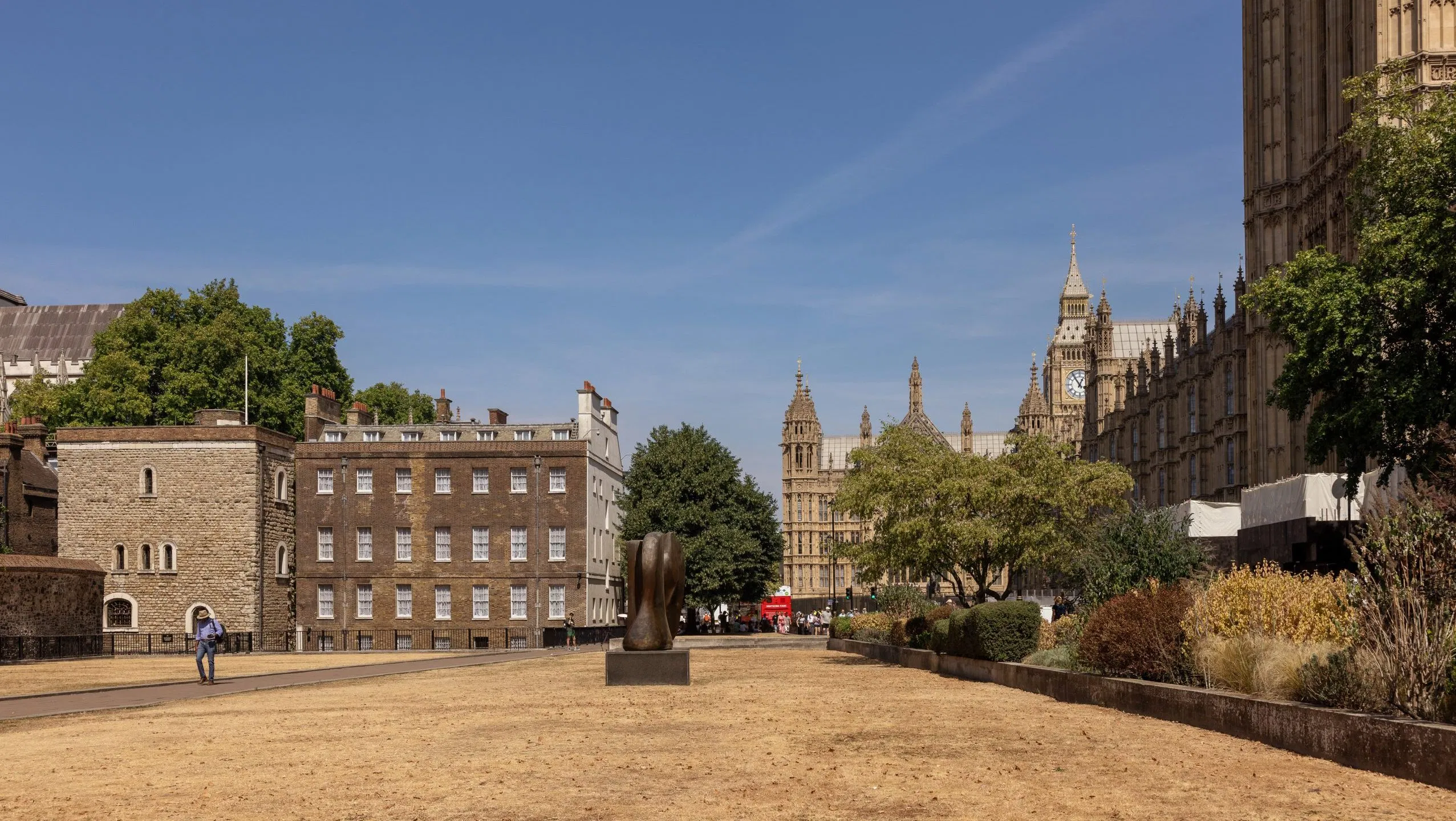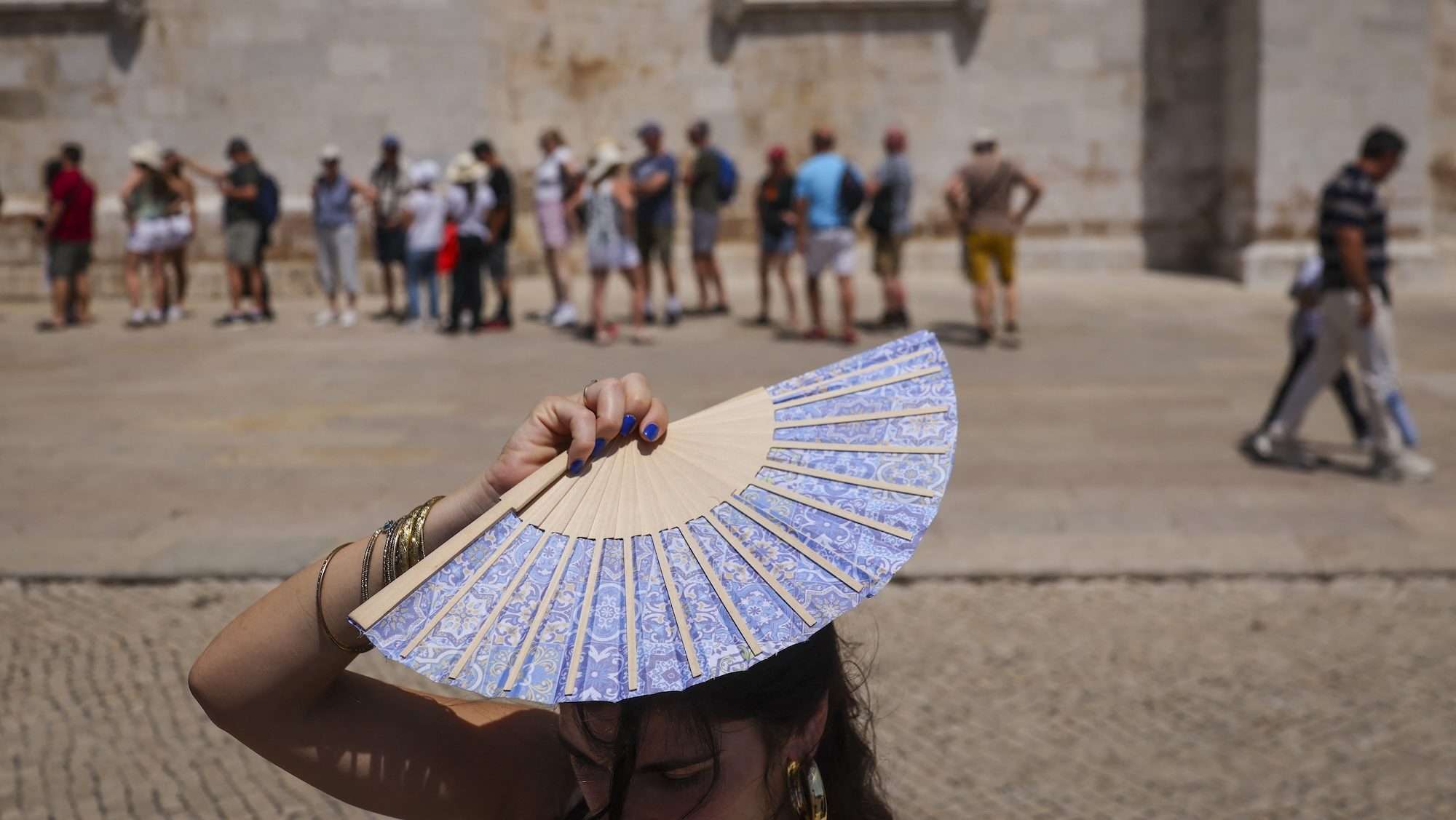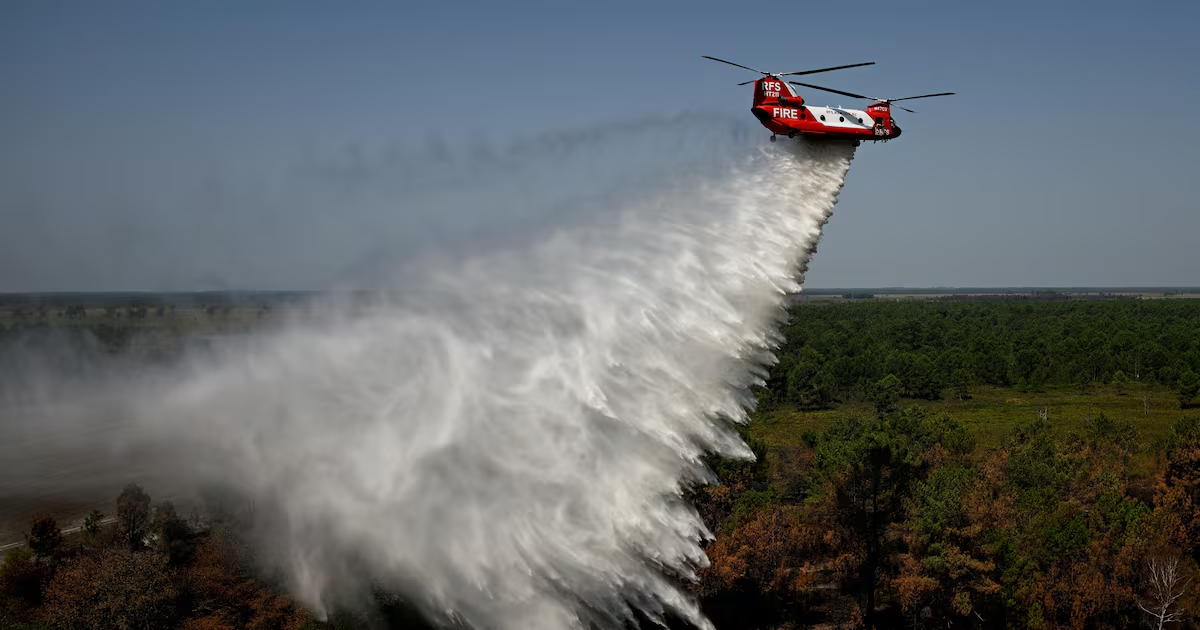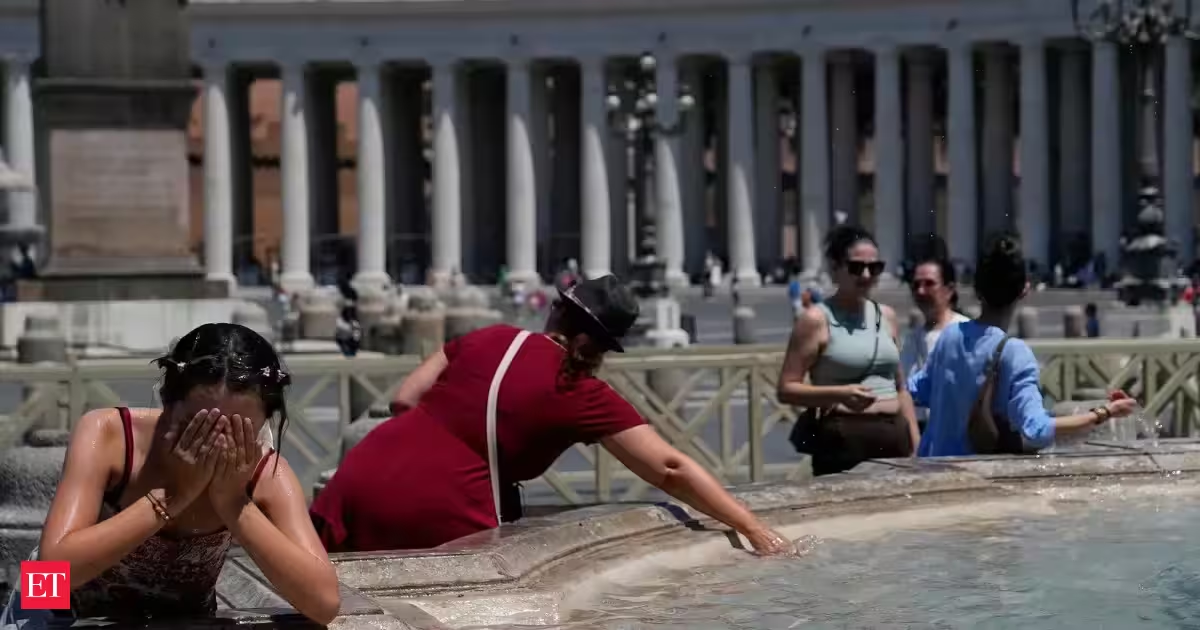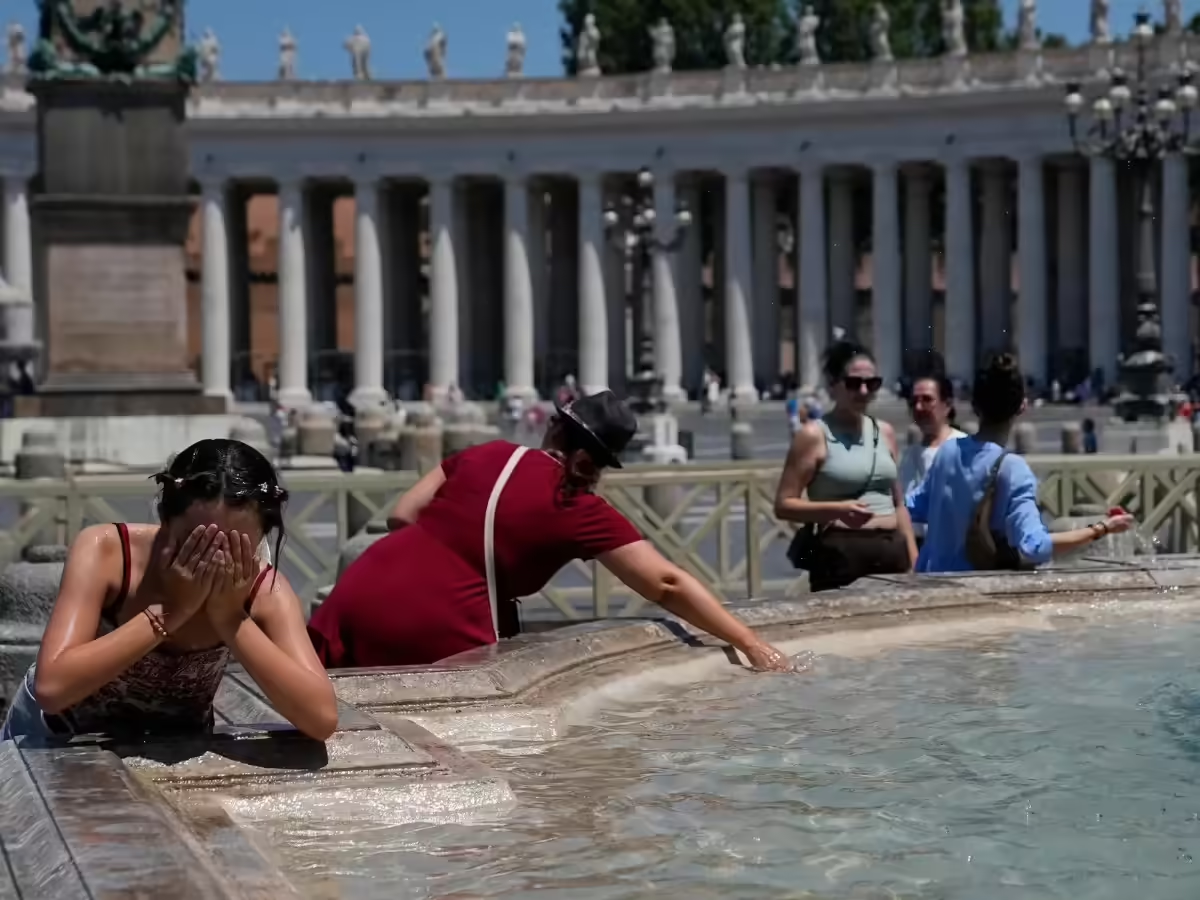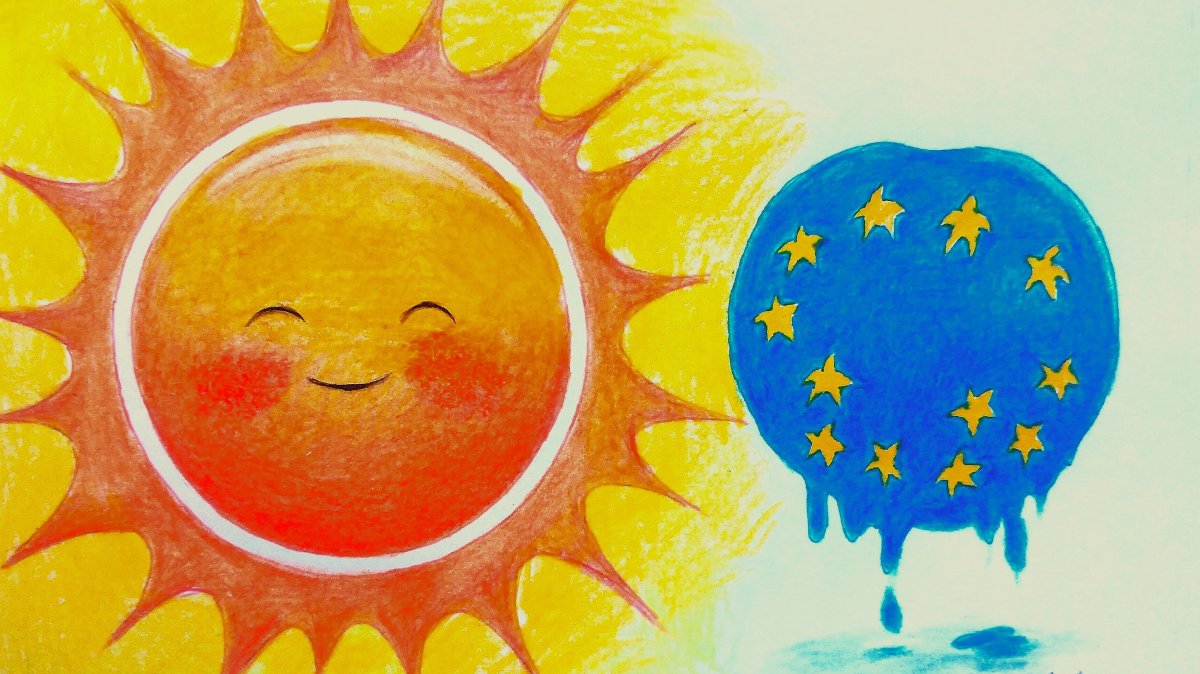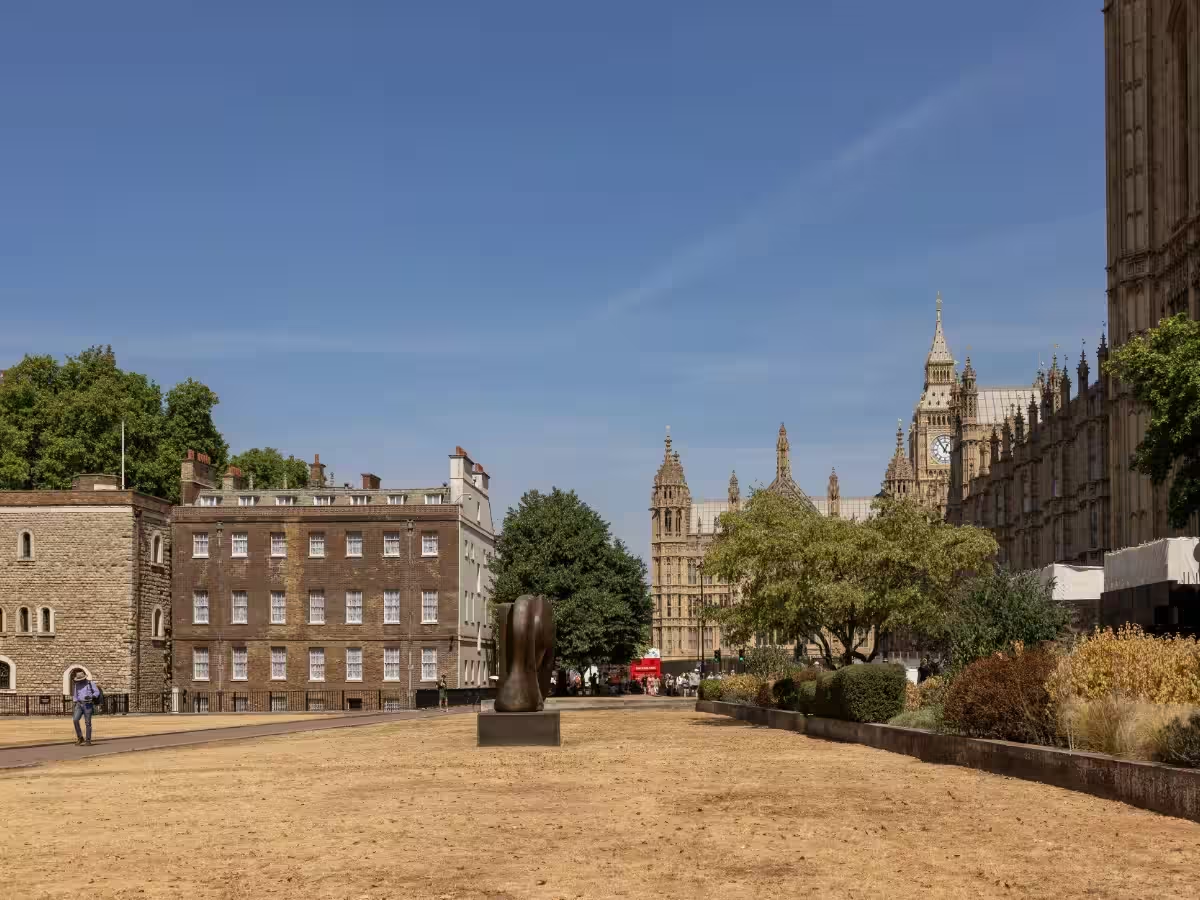
This summer, Europe’s weather has triggered widespread consternation and worry. Weeks without rain, record-breaking temperatures, failed harvests, widespread fires and thousands of heat-related deaths have been difficult to ignore, for the public, for investors — and for politicians.As the natural weather phenomenon El Niño builds into one of the strongest ever recorded, meteorologists are now looking ahead to next summer. While it’s too early to forecast exactly what will happen, the UK’s Met Office is already saying that 2027 is likely to rival 2024 as Europe’s hottest year on record. Even if that doesn’t come to pass, climate change means future heat waves will be longer, more intense and more frequent than the record-breaking ones we have now.Also Read: Drought, wildfires & a brutal 'once-in-a-millennium' summer plague Britain“The heat waves and the wildfires have been really direct evidence that people can no longer ignore in front of their eyes,” says Beatrice Mosello, a senior research fellow at the think tank Chatham House. “It’s not just one event that is causing disruptions for a certain amount of time. It is having repercussions on so many different levels of our economy, of our society.”That concern is reflected in polling. After a record heat wave in France, an Ipsos survey in July found a 12-point increase in concern about the environment. Polling in Austria and the UK followed the same trend, which researchers at the Austrian market research firm INTEGRAL attributed to people’s direct experiences of heat and a sense that the country was ill-prepared.And there are some signs that governments are taking more notice of climate change in their policies. In Germany, the environment minister is pushing to change the constitution and increase the central government’s responsibility for climate adaptation, after local governments said they didn’t have the resources to manage it effectively. In Spain, officials announced more funding for climate shelters, where people can seek refuge from heat, and for air conditioning in schools. In the UK, the health secretary said the National Health Service needs to prepare for more demand in the summer, just as the service currently plans for winter.Also Read: UK announces major immigration rule changes from October 2026But for the most part, tangible changes will take longer. Europe’s hospitals are one example. Many are in older buildings in built-up urban areas and don’t have comprehensive air conditioning, leaving them particularly vulnerable to overheating. In the UK, nurses have been fainting at work and medical staff have warned that conditions are unsafe.“I’m optimistic that we will see adaptation to heat waves being a higher priority in the NHS,” says Chris Naylor, a senior fellow in health policy at the King’s Fund, a research nonprofit. “Whether that will happen in time for summer 2027, I’m less confident."Bloomberg
Europe’s summer felt like a gamechanger. Will next year be any different? - The Economic Times
Europe faces severe heat waves, impacting harvests and causing many deaths. Governments are beginning to acknowledge climate change impacts and consider adaptation measures. Hospitals and infrastructure require significant upgrades to withstand rising temperatures. National budgets and global conflicts complicate adaptation efforts across Europe. Continued vigilance is urged to ensure preparedness for future extreme weather events.
871 words~4 min read