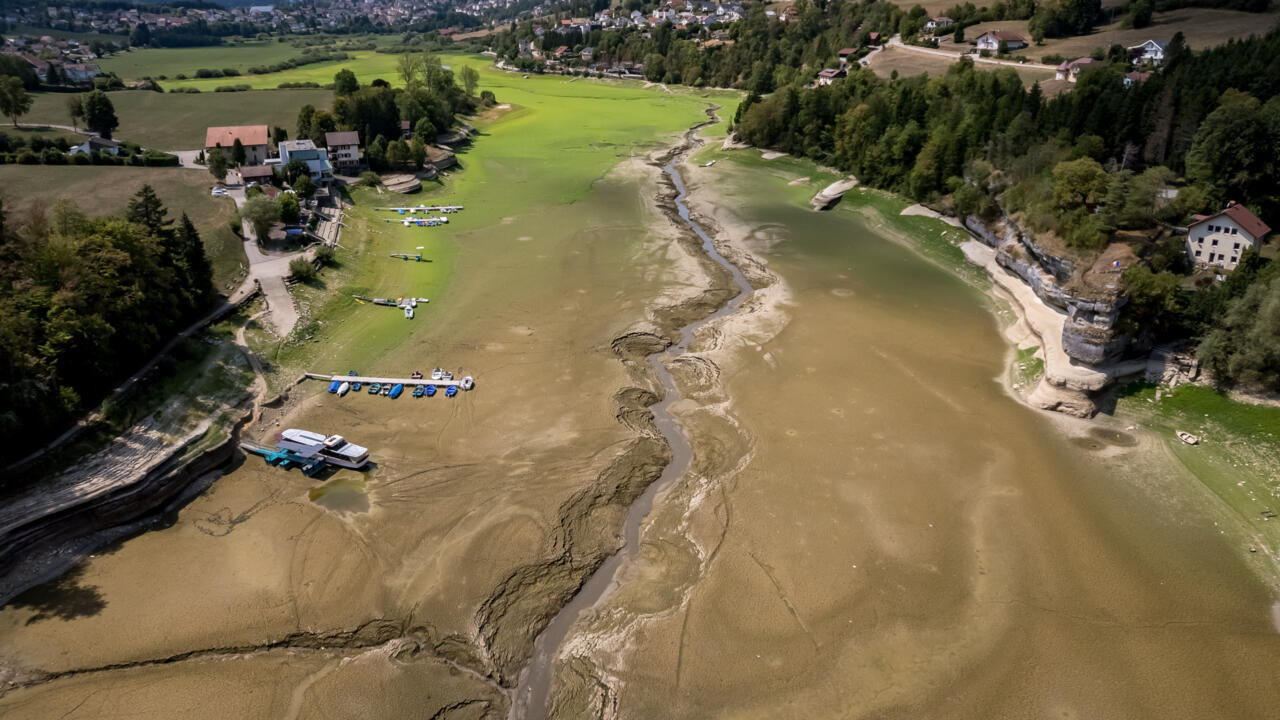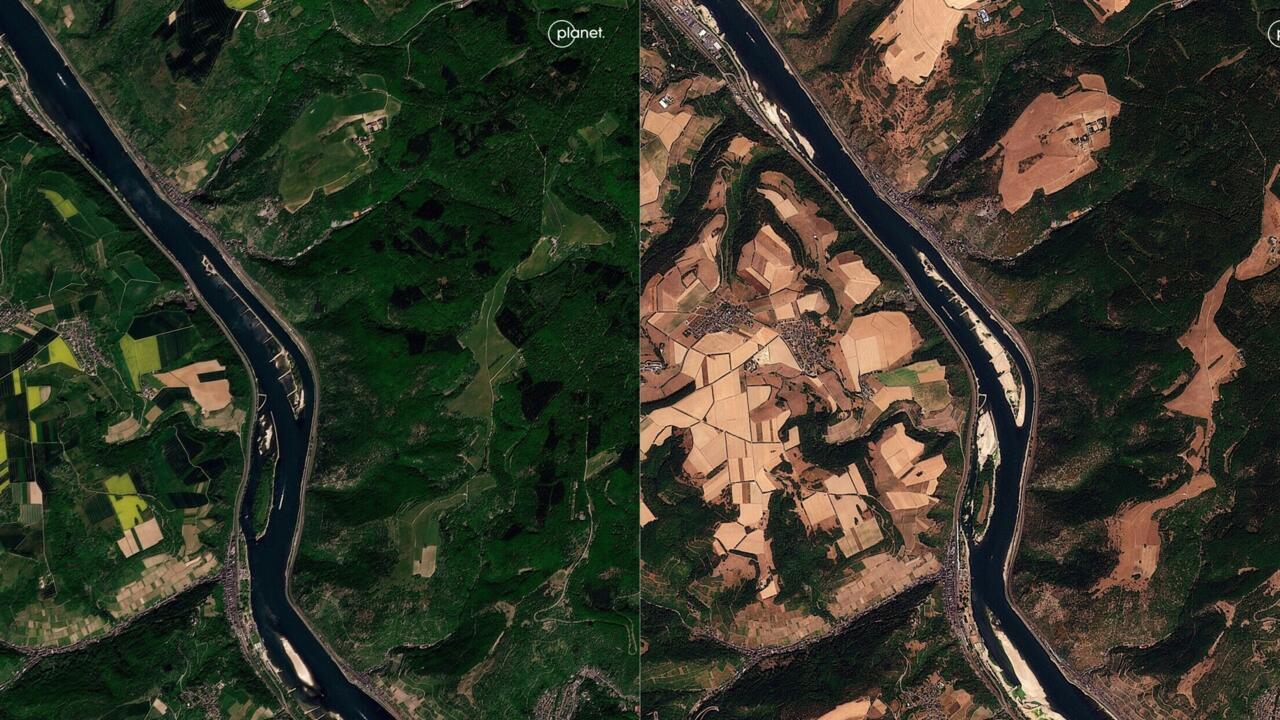
This summer was more than uncomfortably hot — it was record-breaking, with many countries reporting their highest average temperatures yet. Western Europe, for example, sweated through five grueling heat waves this year that sucked moisture from the soil, turned vegetation into wildfire fuel, and shrank rivers until the fish ran out of water. Emergency rooms and ambulances were overwhelmed. Early estimates found that at least 35,000 excess deaths were recorded as temperatures soared — and that only accounts for the first four heat waves in about half of the continent.
But all this, the World Health Organization said, was just a “dress rehearsal.” The coming summers are bound to be even hotter.
Two factors in particular could push global temperatures even higher in the coming years: El Niño and human-caused climate change. El Niño is a climate pattern that brings extra warmth around the globe every two to seven years. We’re in the early stages of the current cycle, which is on track to be the strongest in a millennium.
And then there’s the problem of Earth’s atmosphere increasingly filling with heat-trapping greenhouse gases. Addressing climate change requires countries to drastically move away from burning fossil fuels and invest in alternative technologies, such as solar and wind power. In 2015, nearly every nation in the world entered a voluntary commitment to try to limit warming to 2 degrees Celsius (3.6 degrees Fahrenheit) above preindustrial levels, with a more ambitious target of 1.5 degrees C (2.7 degrees F). But a new United Nations report released last week found that we are certain to overshoot the latter goal within the next few years. This means that even more severe heat, drought, fire, sea level rise, and glacier loss is headed our way.