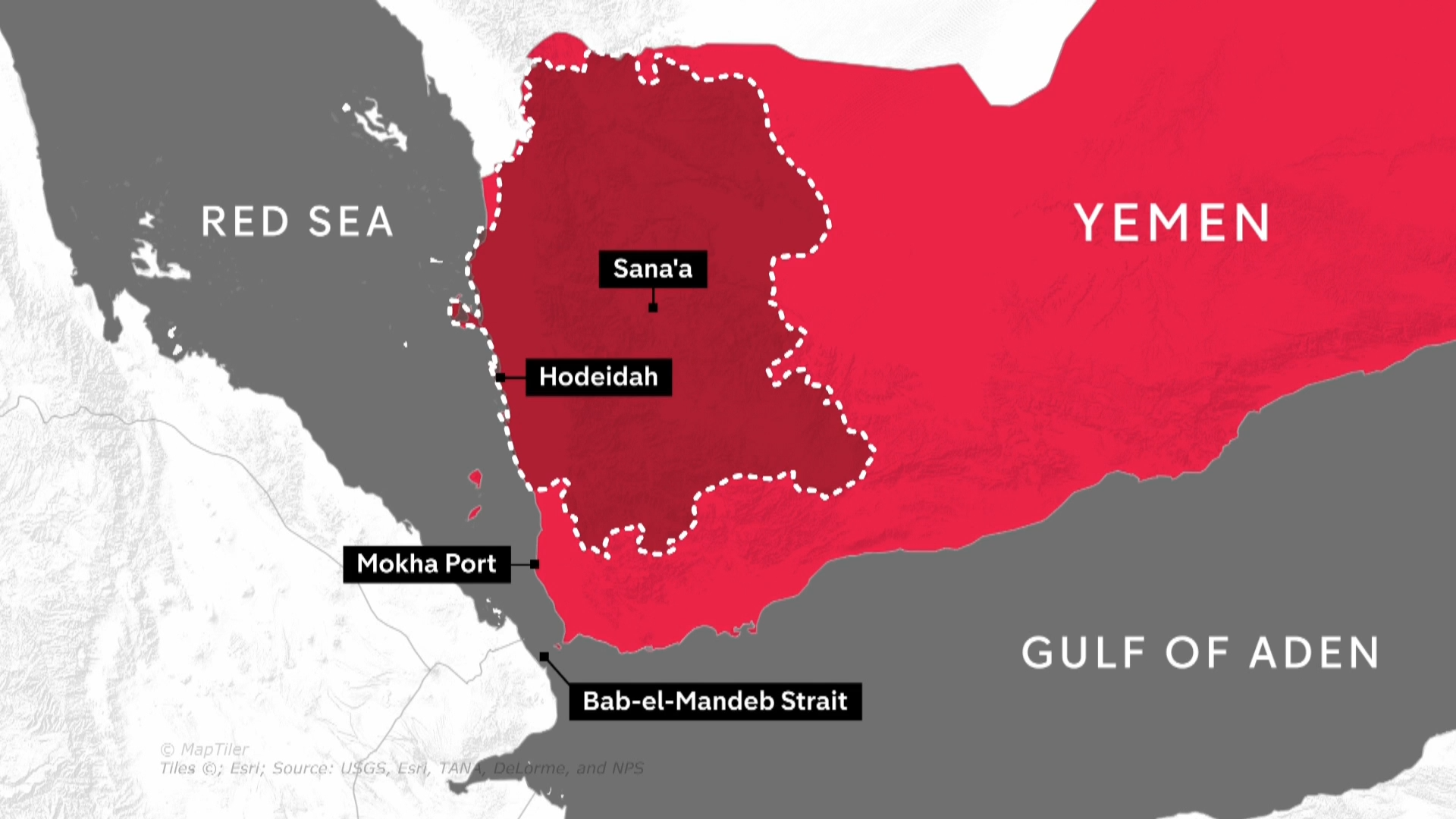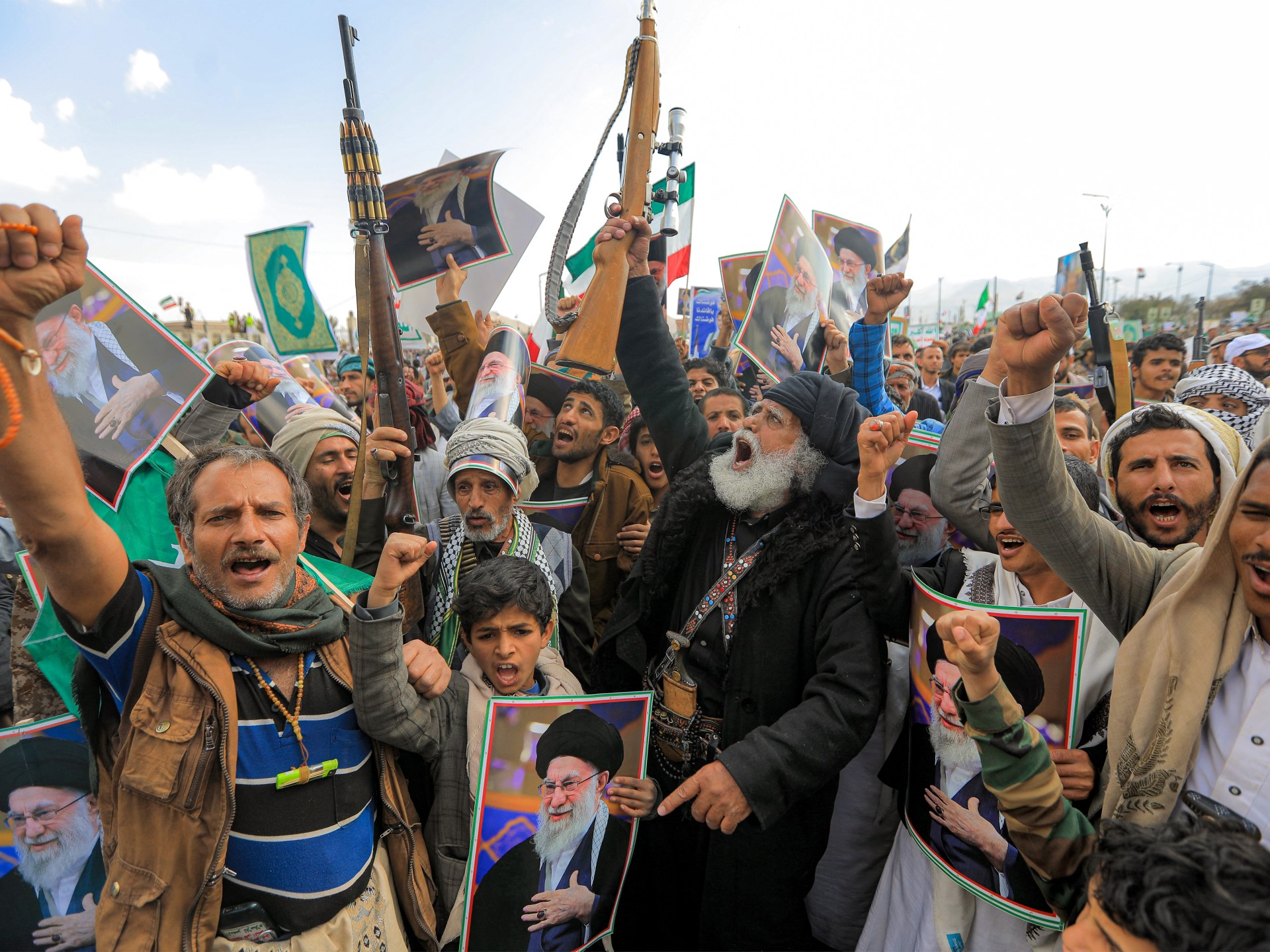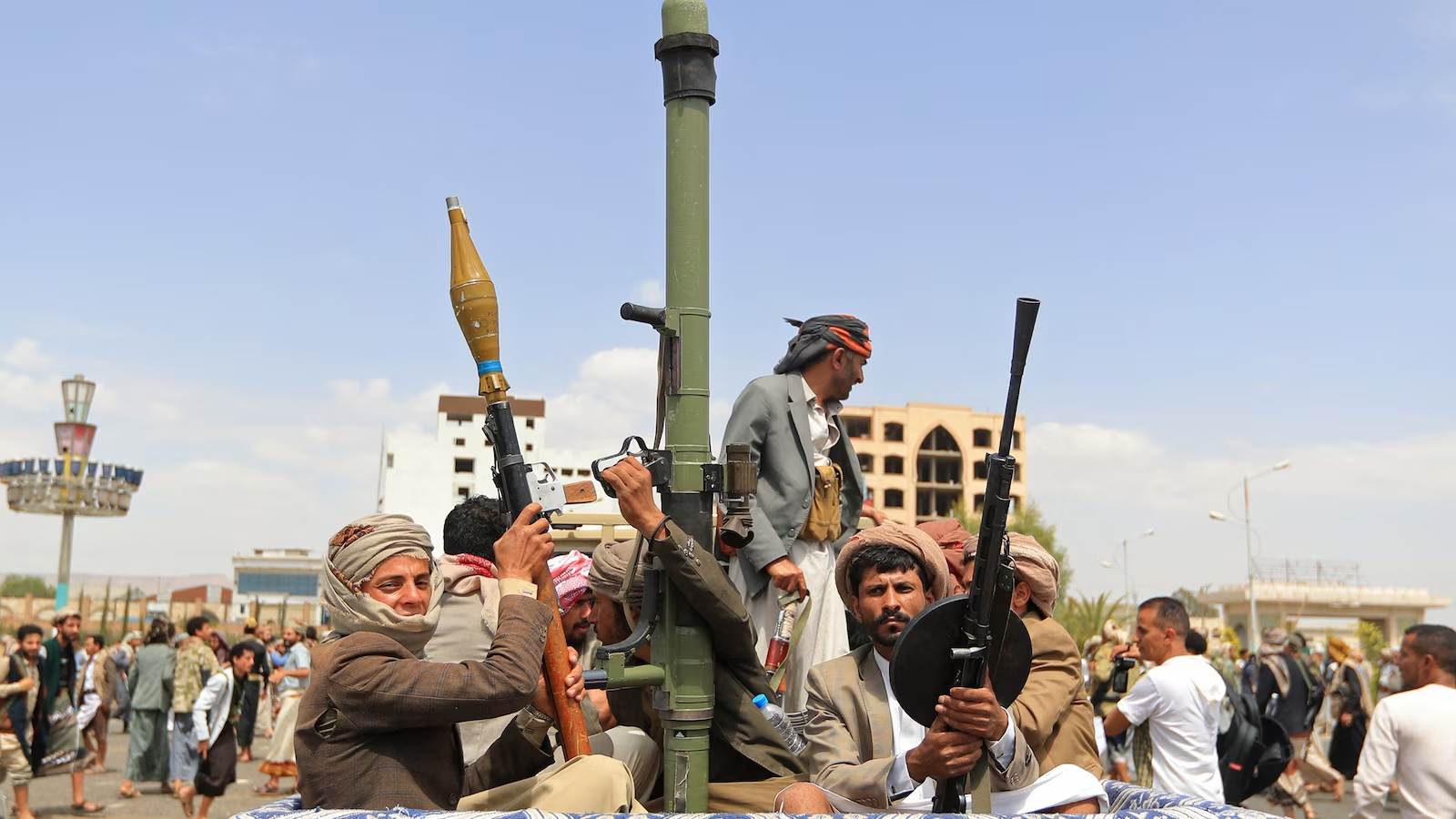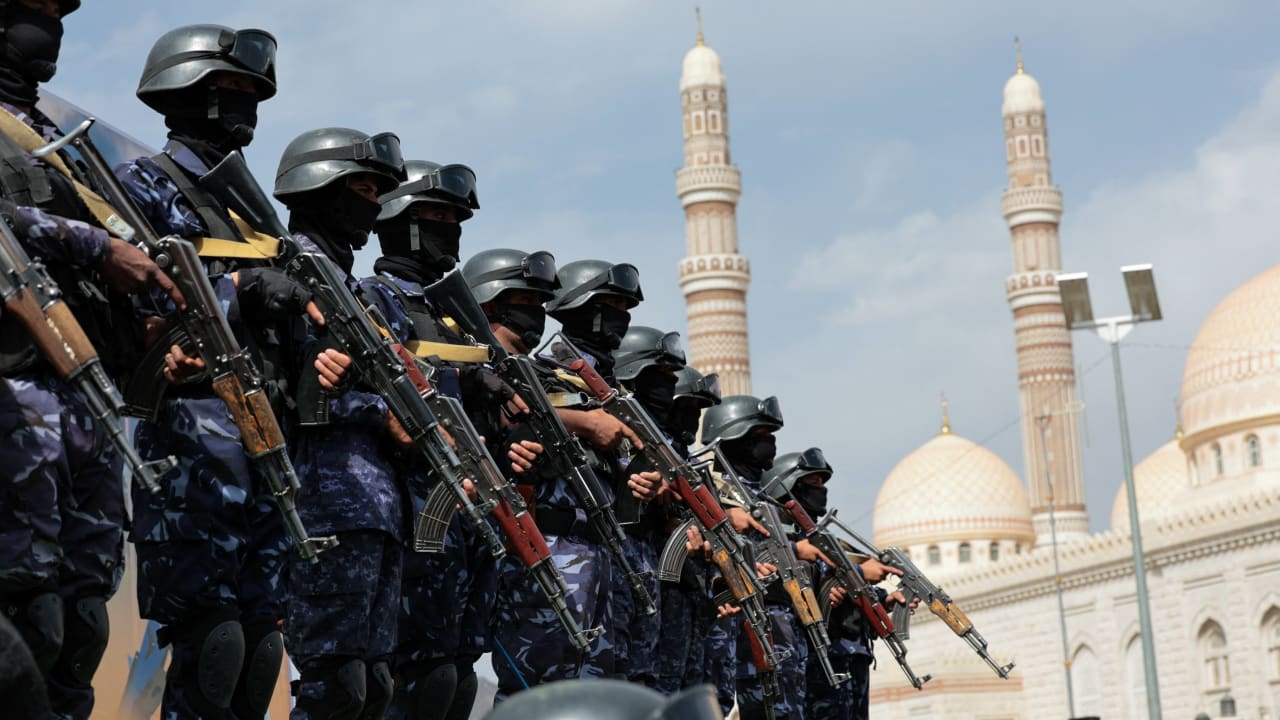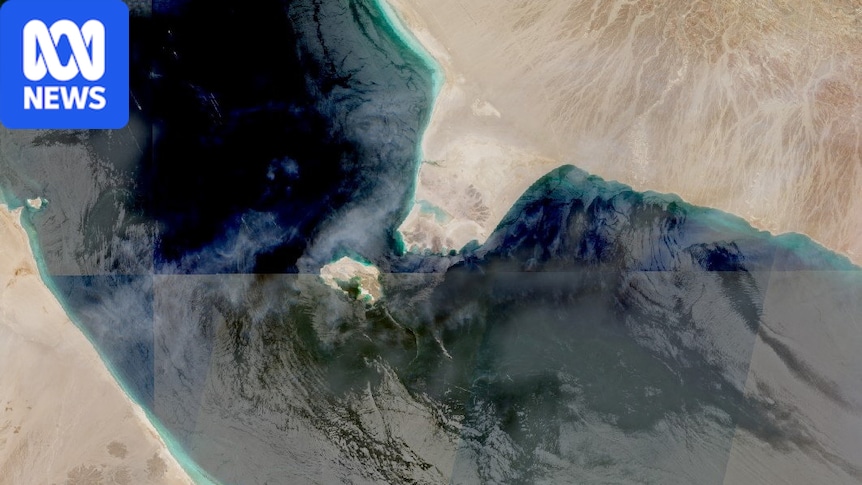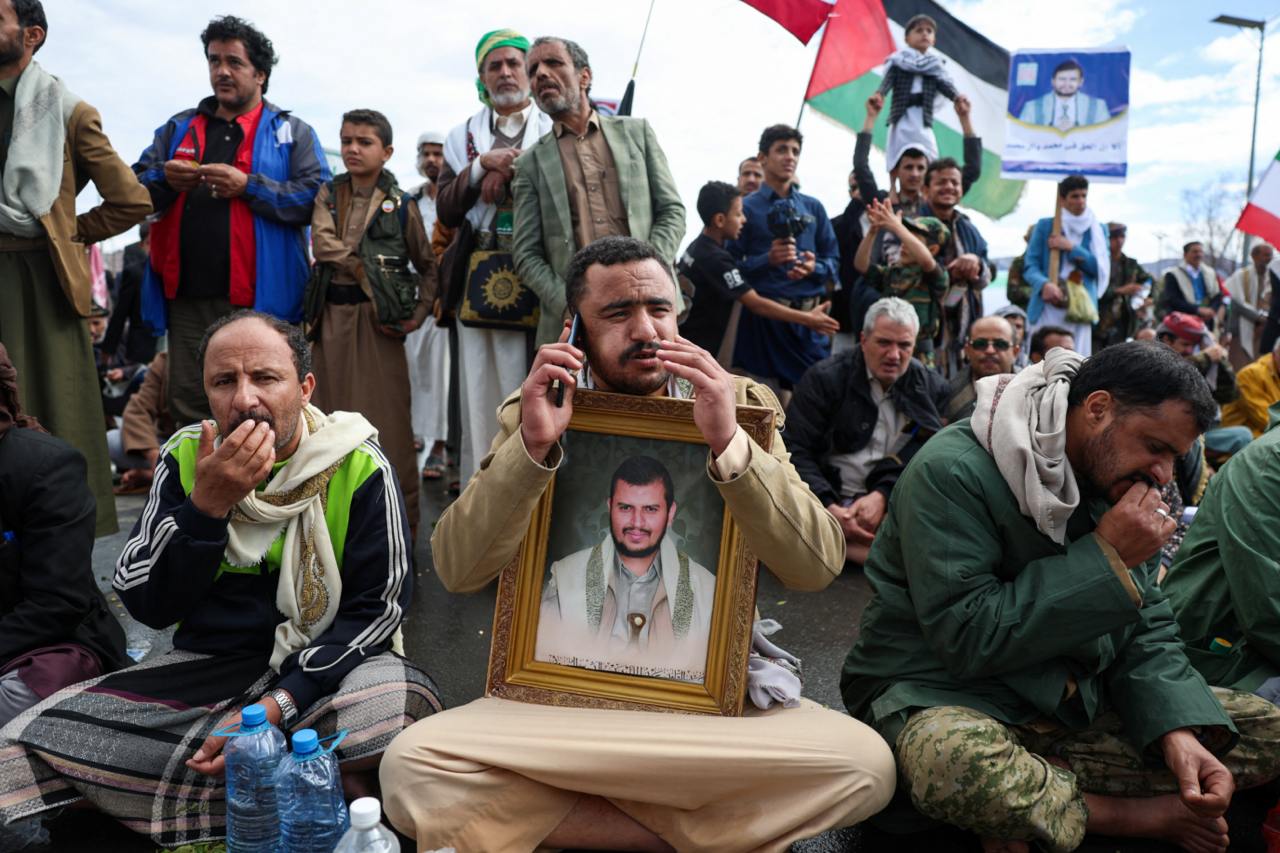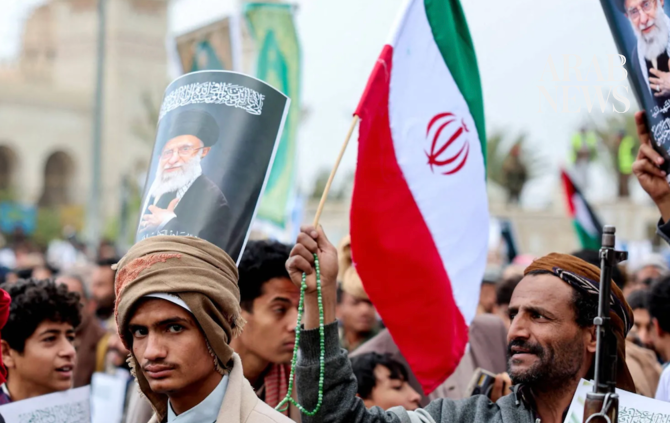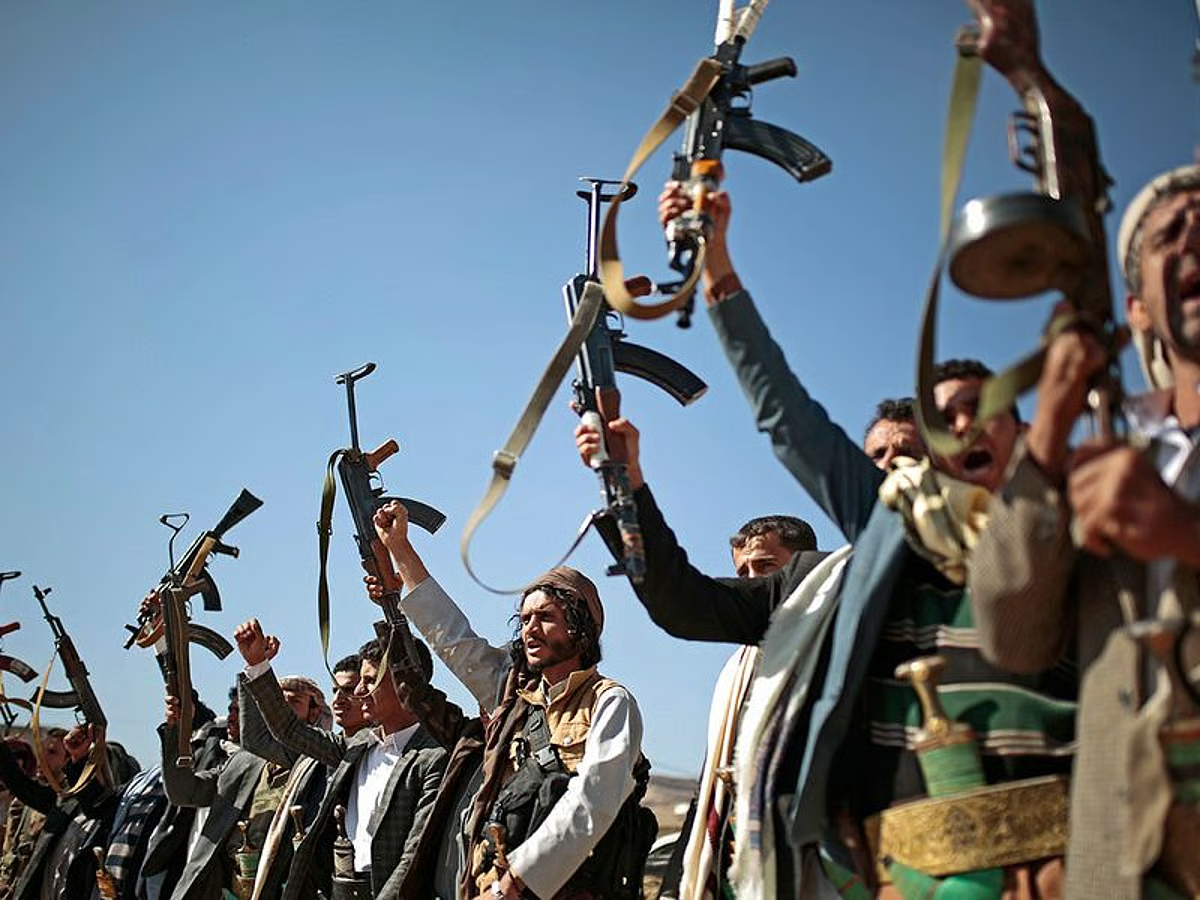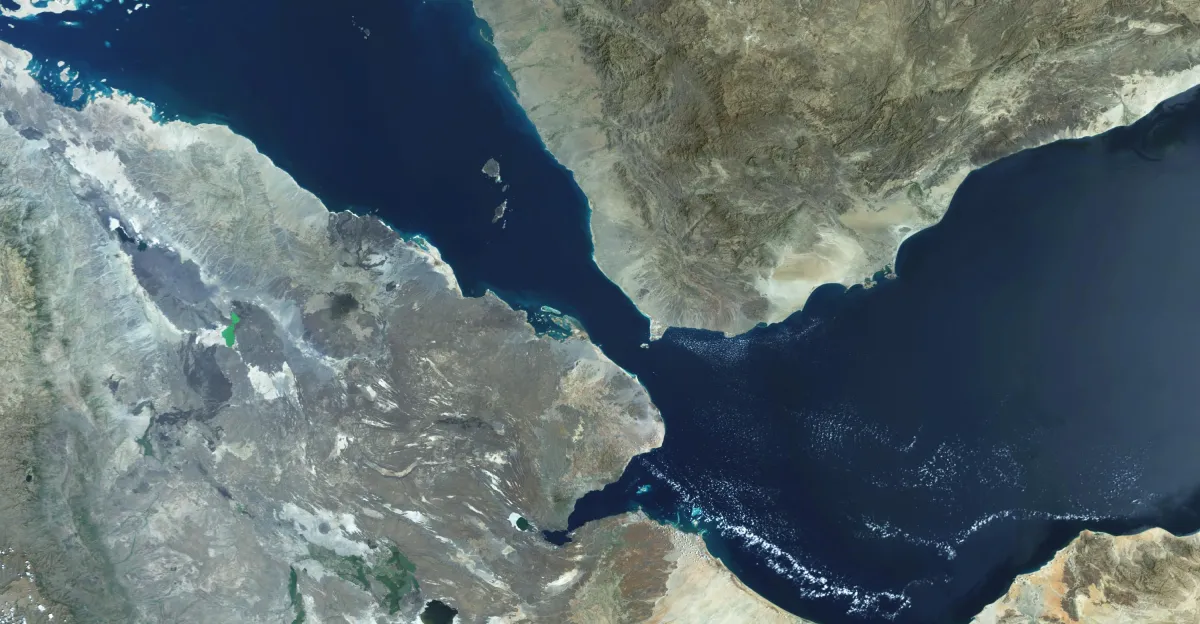
The war between the United States and Iran continues and regional actors continuously change their positions. One of them is the Houthis. The question of whether the Houthis entered the regional war between the U.S. and Iran is not that easy to answer. It is partially yes, though on terms of their own making and times of their own choosing. Rather than opening a conventional front as most analysts in the region expected, the movement has enforced a maritime blockade over Saudi Arabia, and these developments reshaped the regional equation. With the intentional acts of the Houthis, global trade networks have been disrupted, energy supply chains strained, and an escalation confined on paper to Yemen has produced sustained pressure on the world economy.
Two dynamics explain how this happened. The Houthis continue to treat economic disruption as their primary military instrument after they suffered the elimination of their high-level political figures by Israel in the last year, and the Gulf states treat economic survival as a higher priority than retaliation. The movement operates with real decision-making autonomy even as its goals align with Iran's broader regional strategy. Its patience is deliberate as it waits for specific thresholds to be crossed before acting. Together, these dynamics explain why Houthi behavior now shapes Gulf security trajectory, and why both sides remain bound by limits neither wishes to cross.