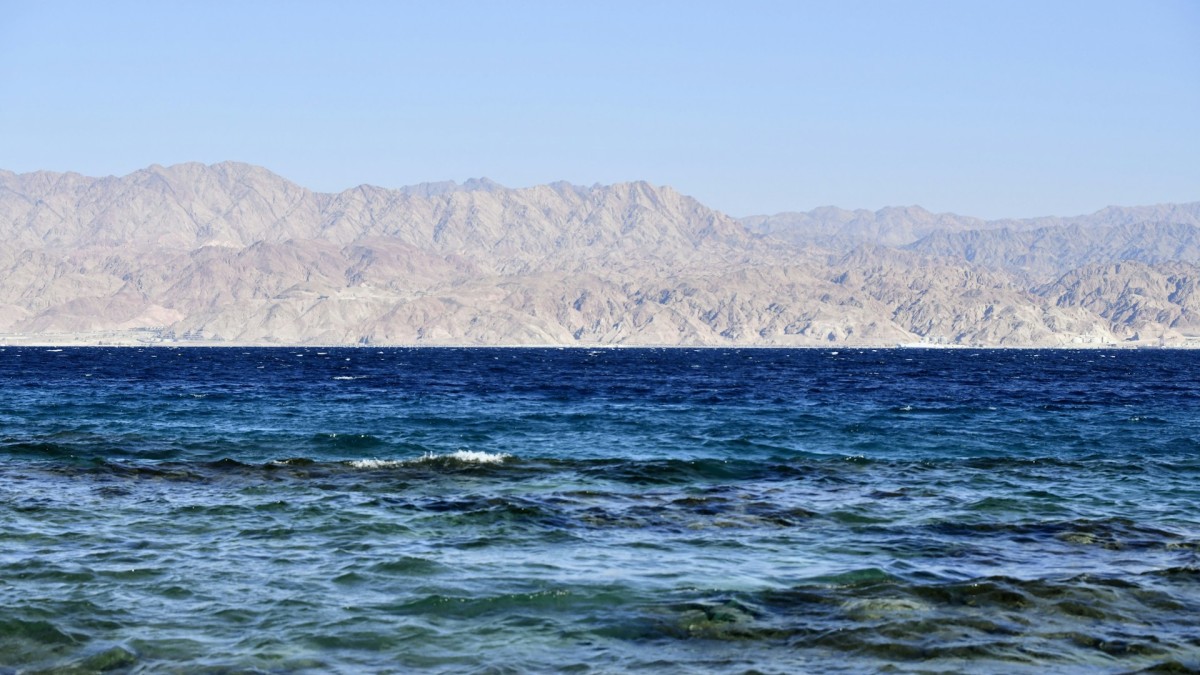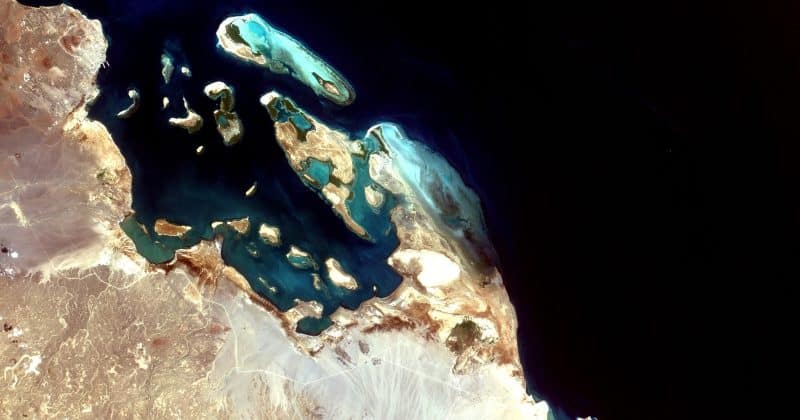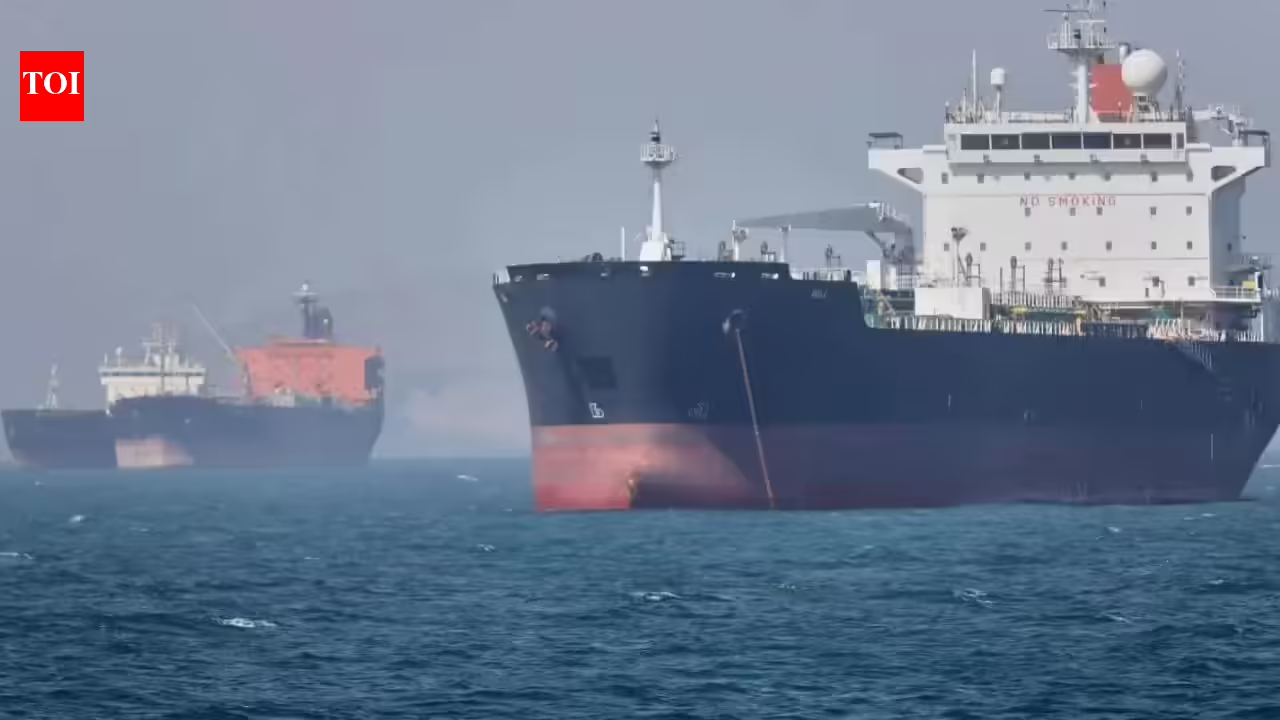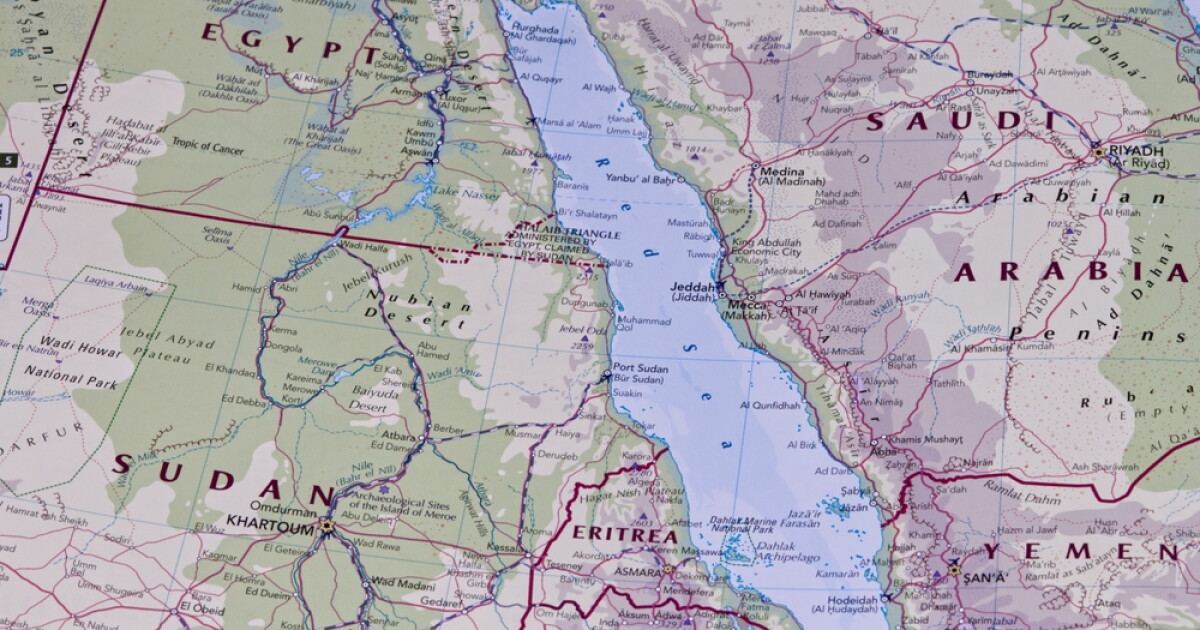
One thing that’s helped limit the Iran war’s disruption to global oil supply is the ability of Saudi Arabia to use an alternative export route to the Strait of Hormuz: the Red Sea.
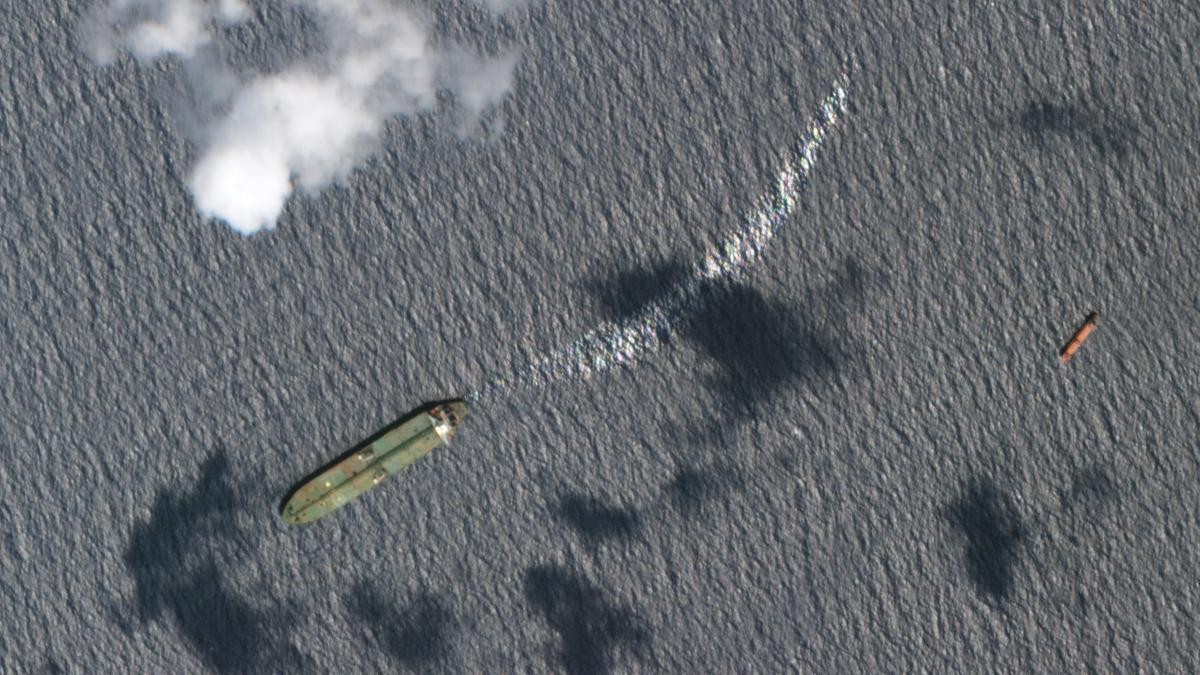
The fragility of this workaround was laid bare after the Houthis, an Iran-backed militant group that controls part of Yemen, declared a “complete and total ban” on Israeli ships in the area, saying that these vessels are “legitimate military targets.”The Houthis previously attacked ships near the Bab el-Mandeb Strait, which connects the southern Red Sea to the Gulf of Aden, from 2023 to 2025. This was in retaliation against Israel’s war in Gaza, but the group’s definition of vessels linked to Israel proved to be very broad, and the threat to commercial shipping caused traffic through the waterway to collapse.
How important is the Red Sea trade route?
The combination of the Suez Canal, Red Sea and Bab el-Mandeb Strait is a shortcut for ships to travel between Europe and Asia.Close to 10% of global seaborne trade passed through Bab el-Mandeb annually before the Houthi strikes began in 2023. That share had fallen to around 3% last year, based on data from Clarksons Research and the PortWatch platform from the International Monetary Fund and Oxford University. Several waves of Houthi attacks in recent years have prompted ship operators to avoid the Red Sea. Many send their vessels around the southern tip of Africa instead — an expensive diversion that’s thousands of miles longer and can add two weeks to journeys.Bab el-Mandeb is still a significant conduit for oil, gas and other commodity exports from the Middle East, Asia and Russia. Traffic has ticked up during the Iran war as Saudi Arabia uses the waterway to keep its oil exports flowing.How could a renewal of Houthi attacks affect the oil market?