Fresh attacks on Red Sea shipping would be devastating – but the Iranian proxy has reasons to be cautious
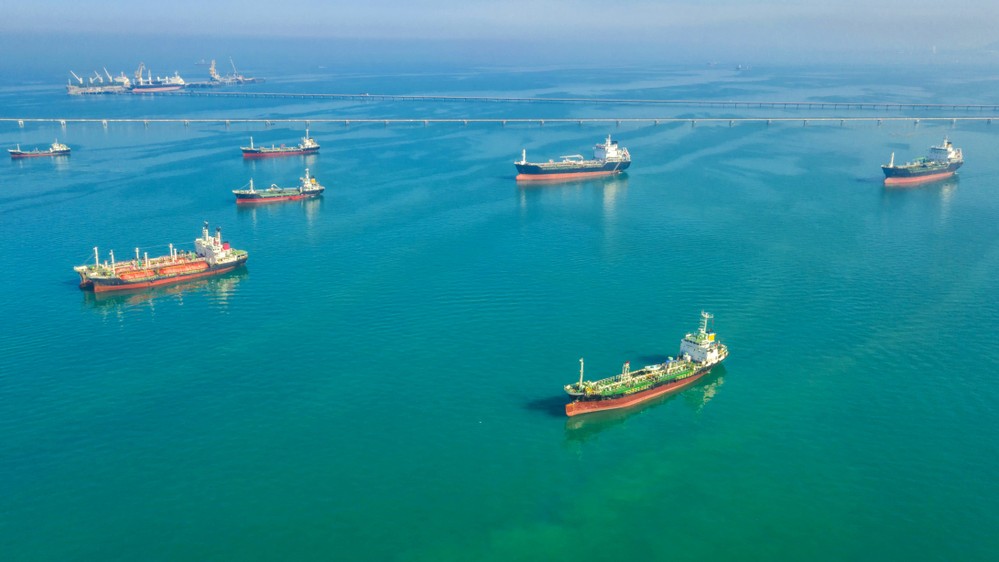
The true significance of the long-awaited entry of Yemen’s Houthis into the Iran war depends on whether the Tehran-backed proxy group is intending to send a few missiles and drones from a distance towards Israel or will instead capitalise on its proximity to the narrow Bab al-Mandab strait to effectively close off the Red Sea to shipping, just as Iran has in effect shut the strait of Hormuz.
The combined effect of both waterways being shut to commercial traffic from countries that neither the Iranians nor Houthis favour would be devastating. Napoleon Bonaparte’s remark that “the policy of a state lies in its geography” has never seemed more apt.
The Houthis, a Shia sect with a deep hatred of Israel that has run large tracts of Yemen including the capital since 2014, is a complex, resilient movement able to take reverses in its stride. In August 2025 Israel killed the Houthi prime minister, the chief of staff and a group of their cabinet ministers in a single intelligence-led strike. But Israel has never been able to locate Abdul Malik Al-Houthi, the movement’s leader.
It has not yet fought directly on behalf of Iran even though – according to UN reports – many of its arms have been shipped from Tehran.