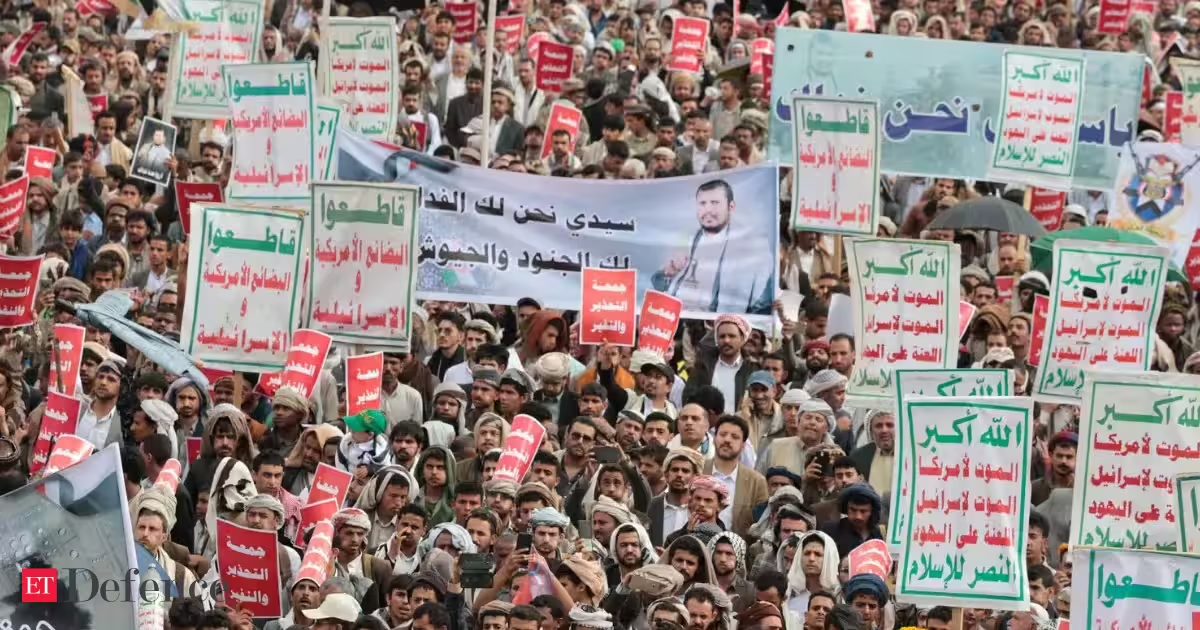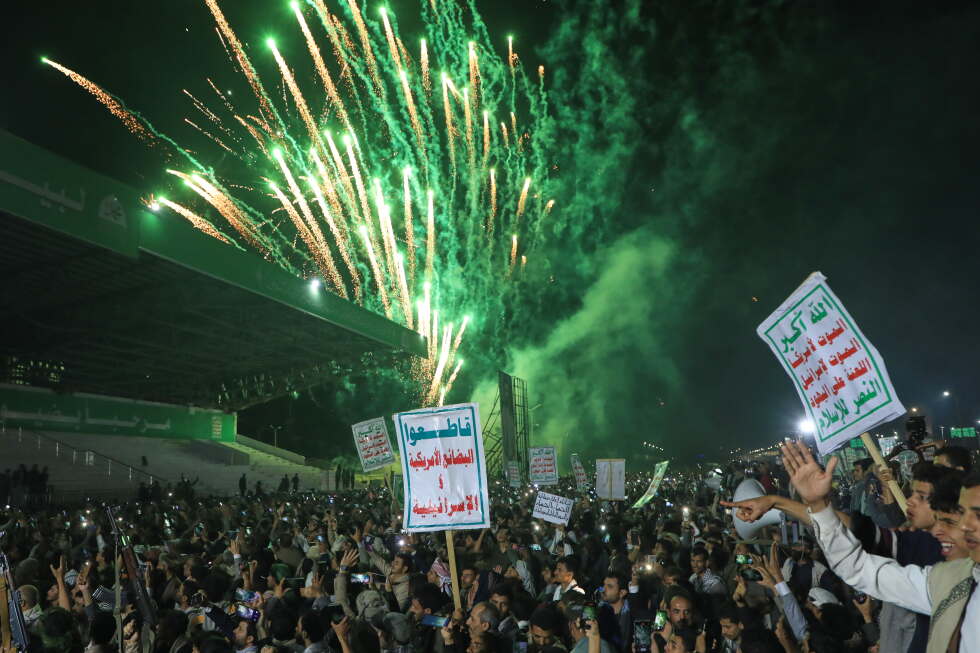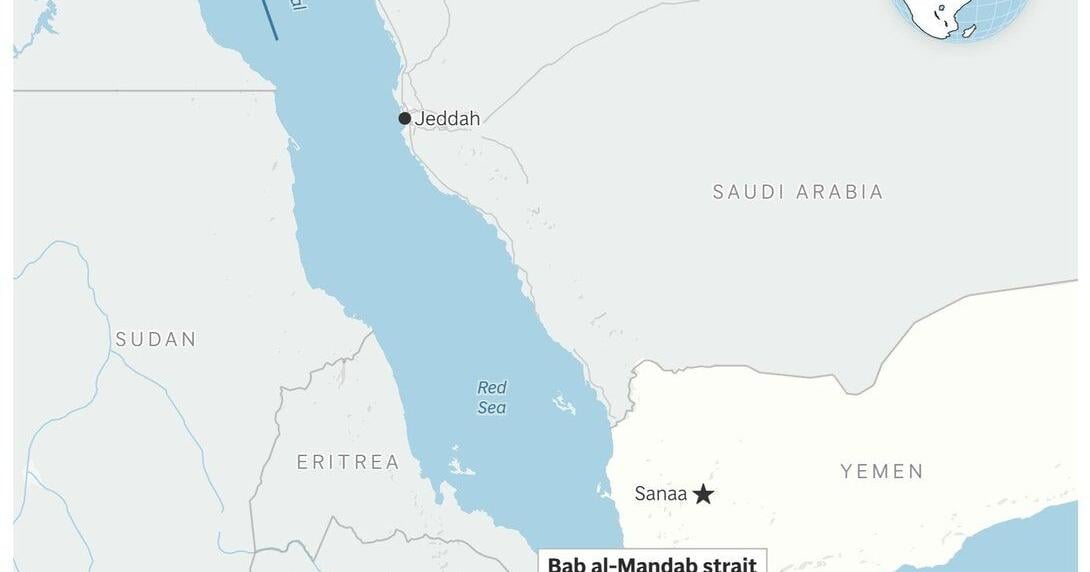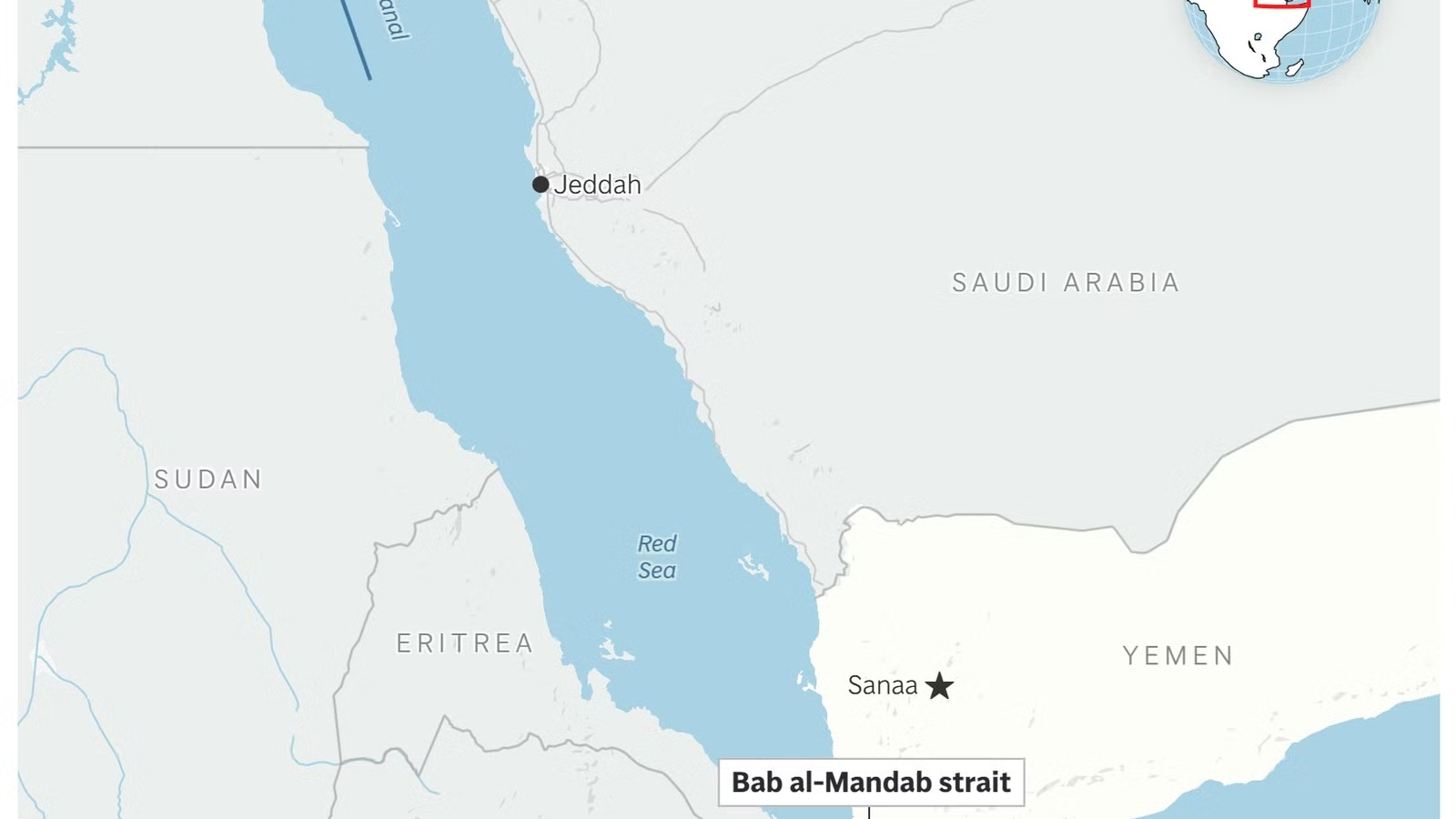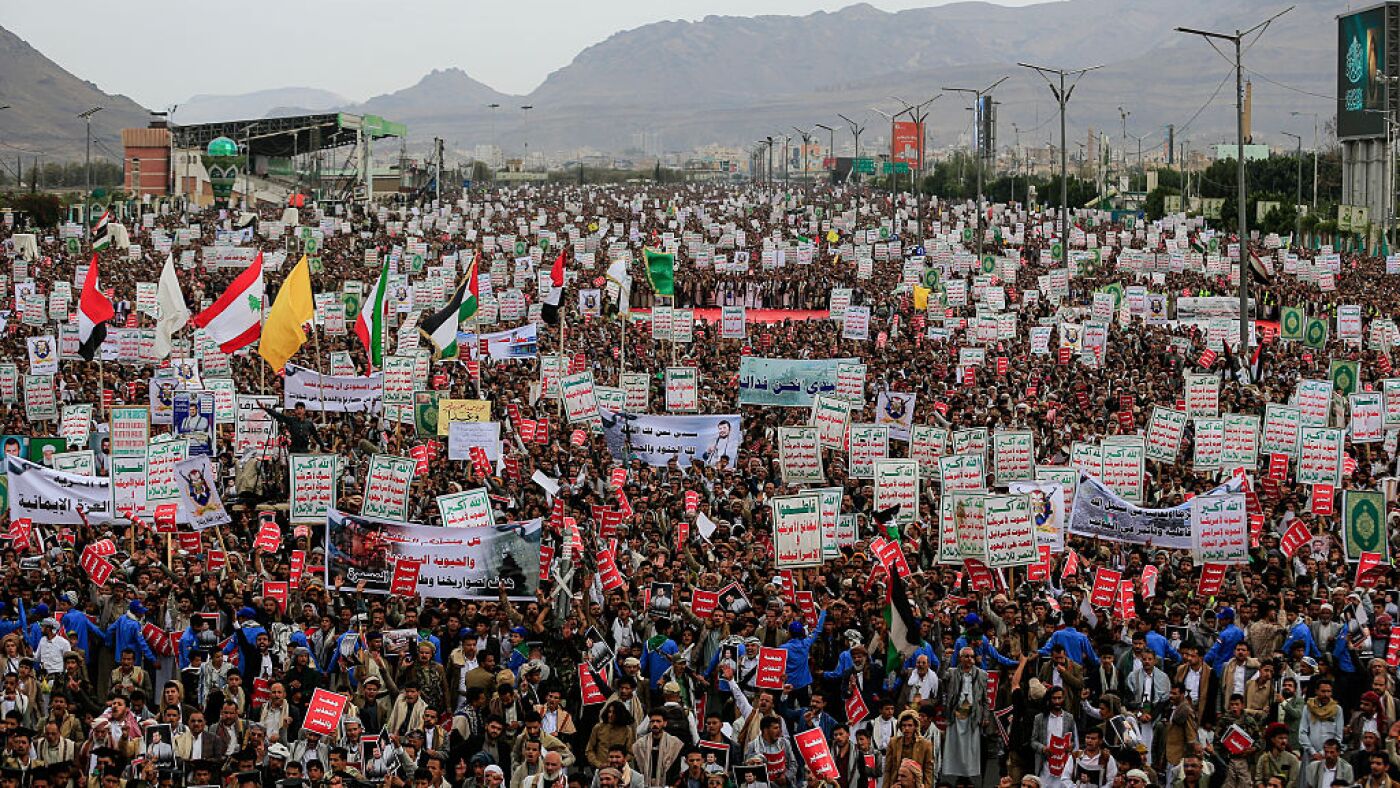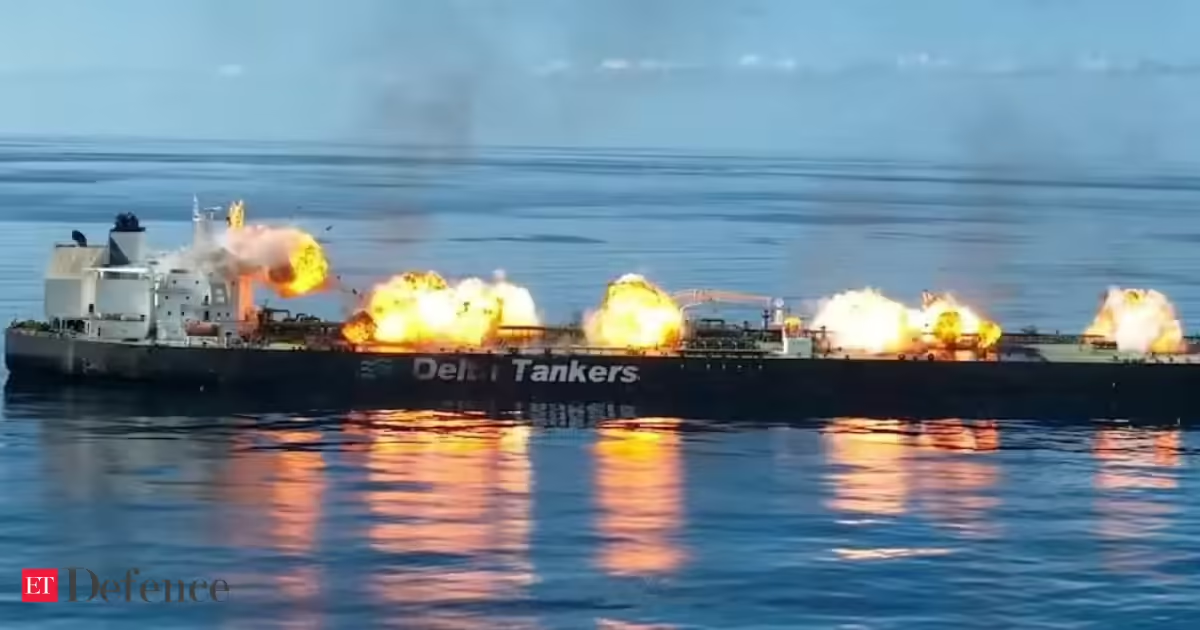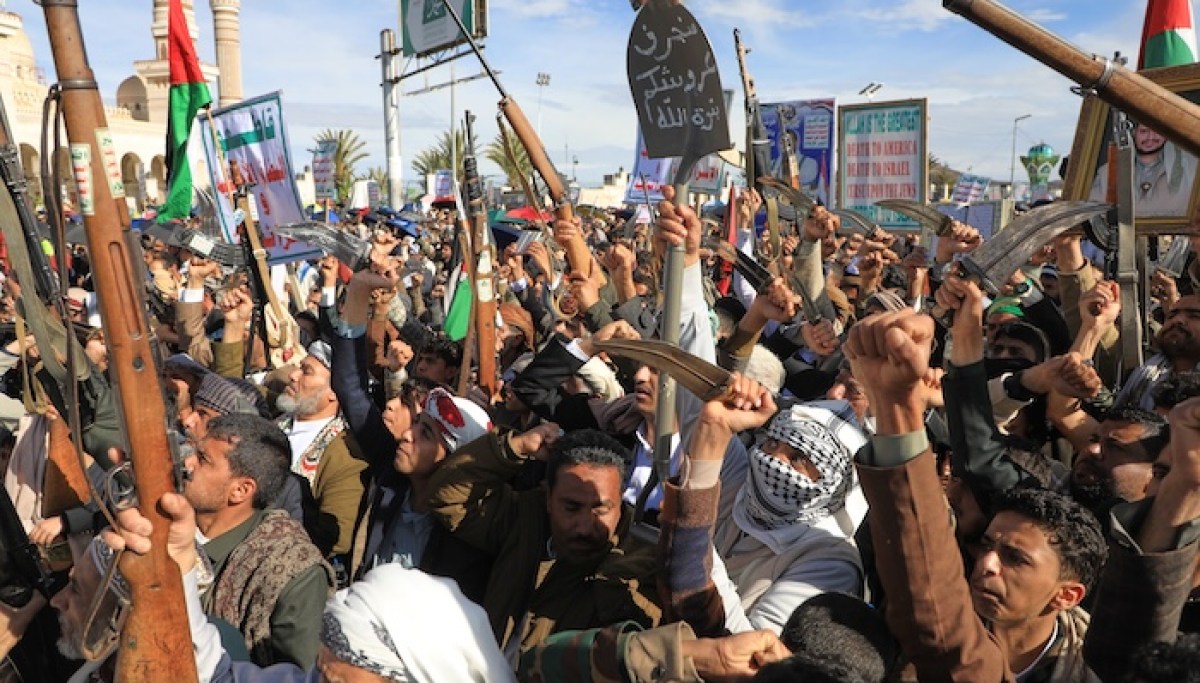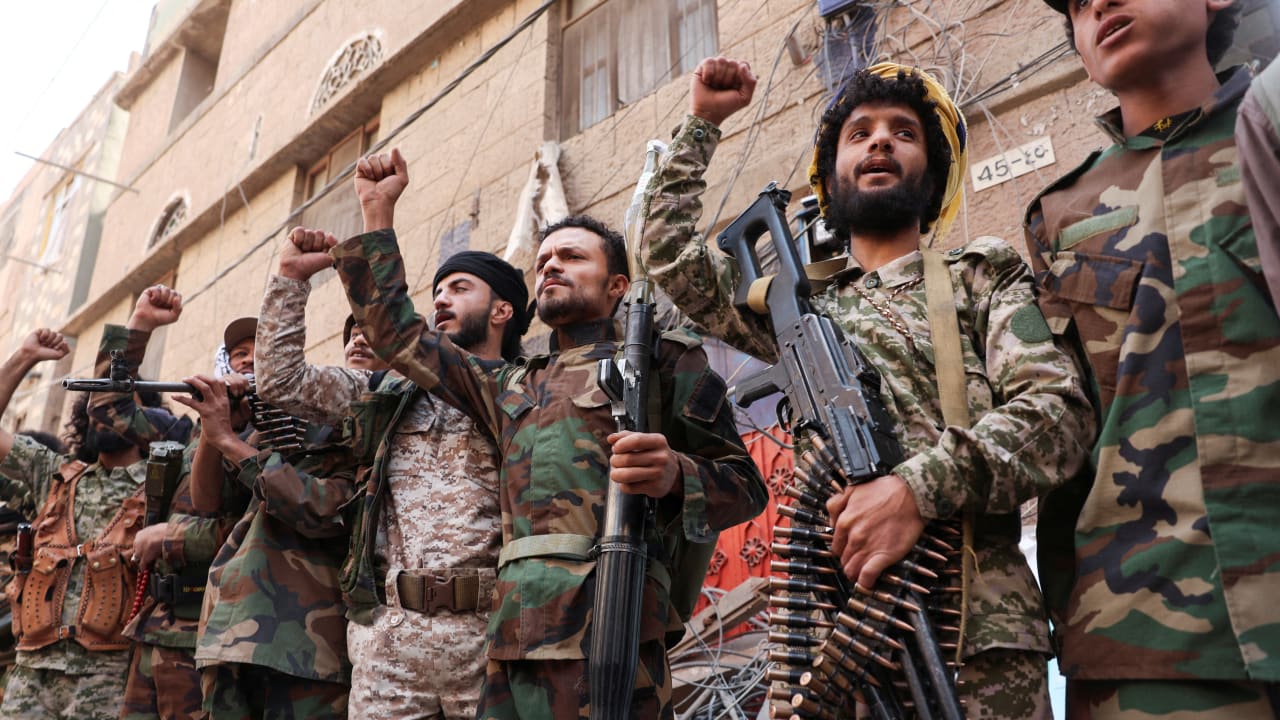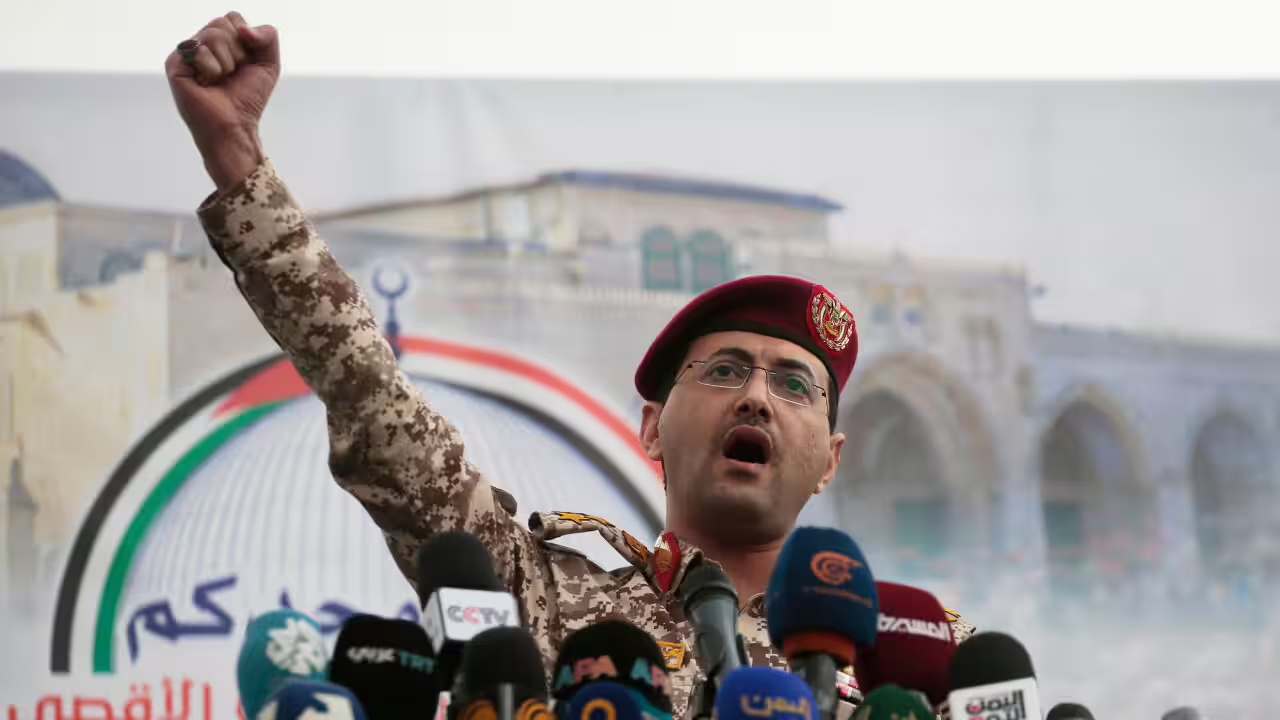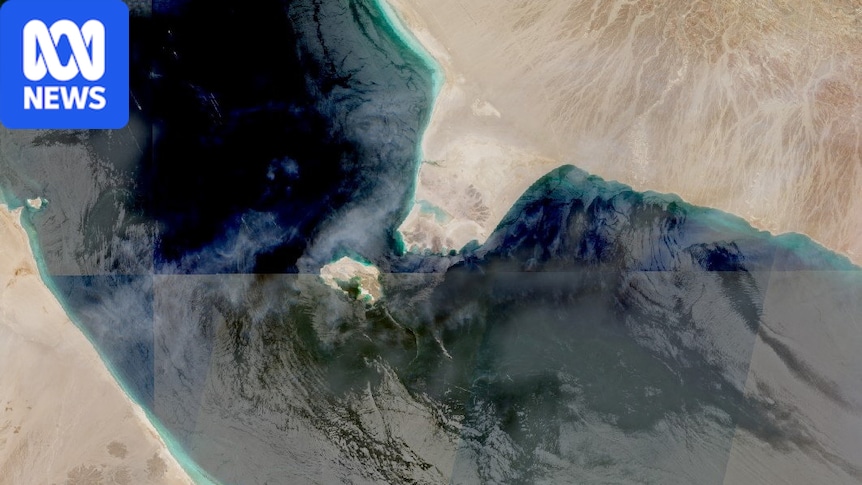
They're one of Iran's "merchants of chaos".The Houthi rebels, a militant extremist movement based in Yemen, have threatened to widen the escalating conflict in the Middle East by declaring a maritime blockade on Saudi Arabia.The Iran-backed group earlier this week promised to target ships carrying Saudi Arabian exports through the Bab el-Mandeb Strait, a vital shipping route between the Red Sea and the Indian Ocean.When announcing the blockade the Houthi military spokesperson didn't reference the US–Iran war, and said in a statement the group was targeting its "criminal Saudi enemy".But it comes after the Iranians had reportedly called on their Yemen-based ally to prepare to choke shipping through the route, and experts warned the blockade could escalate."While the Iranians are many things, they are not crazy and they are not the merchants of chaos that the Houthis are," Ian Ralby, a maritime law expert and president of charity Auxilium Worldwide, told the ABC."This spells real trouble if the conflict widens to include the Red Sea, the Bab el-Mandeb, and the Gulf of Aden, including Houthi attacks that could go as far afield as the Mediterranean and well into the Indian Ocean."Some analysts also warned that the move could put even greater pressure on a global energy market already battered by the closure of the Strait of Hormuz.So who are the Houthis in Yemen and why are they declaring this blockade now?Who are the Houthi rebels?The Houthi movement is a Shia Islamist fundamentalist and political-military movement that started in northern Yemen in the 1990s.The rebel group seized the Yemeni capital, Sanaa, in 2014, sparking an ongoing civil war that has killed more than 150,000 people.The Houthis control about a third of Yemen's total landmass but govern an estimated 70 to 80 per cent of the country's population, according to the Arab Center in Washington DC.Iran supports the Houthis as part of its "Axis of Resistance", a network of allies that includes Hamas in Gaza and Hezbollah in Lebanon, both of which have been weakened by years of conflict with Israel.Iran has provided the group with weapons, training and financial support, but the Houthis deny being an Iranian proxy and say they develop their own weapons.The Houthis and the Saudis have been in conflict for more than a decade, as civil war ripped Yemen apart and the Saudis formed a coalition to try to restore the Yemeni government's rule.The two parties brokered a truce in 2022 but Middle East experts say the latest blockade could bring that to an end.The Houthi military spokesperson said, this week, its move was in response to Saudi Arabia's "oppressive siege" on Yemen over the last 12 years and promised the rebels would respond to "any foolish act" by their neighbour to break the restrictions with force.But while the Houthi military spokesperson made no mention of his group's major ally in his statement, analysts say the move is a clear sign of Iranian intervention.Houthi military spokesperson Yahya Sarea announced the Saudi maritime blockade earlier this week. (Reuters: Al-Masirah TV channel)Iran's Islamic Revolutionary Guard Corps had, analysts said, signalled they could use the Houthis to block the Bab el-Mandeb Strait, as fighting between the US and Iran intensified last week.Yemen expert Hisham Al-Omeisy from the European Institute of Peace said the new blockade showed Iran was desperate, hurting and wanted to pull a new lever in the war."It was predictable. There's a lot more pressure on Iran, and Iran is trying to activate more of its proxies across the region," he told ABC Radio.An opportunity for the Houthis to be 'a good friend' to IranAnalysts say the Houthis likely have several motivations: one of them is advancing their own interests in Yemen, and another is deepening their ties with Iran.Dr Ian Ralby said the creation of a new maritime pressure point was a chance for the Houthis to be a "good friend to Iran, but also advance their own interests at the same time and show their strength".Other analysts also warned that targeting Saudi ships could be a precursor to blockading other maritime traffic. In other words, according to Mr Al-Omeisy, it could be the start of an "escalation ladder"."You have to remember the Houthis also have their own agenda, their own expansion as the agenda," he said."They want to extract additional concessions from the Saudis, hence why they focused in their announcement only on Saudi ships."Last week, Houthi supporters rallied against the Saudi-led coalition's restrictions on Houthi-controlled areas, which the group described as a blockade. (Reuters: Khaled Abdullah)While the Houthis have increased their military capacity over the years, with reports indicating they have had help from China and other allies too, analysts say it's hard to tell how the Houthis would implement an embargo, and how effective it will be."There is no accurate information about their firepower," supply chain expert Flavio Macau said."No-one knows to what extent they can cause this disruption. If it is for a week, for a month, for a full year."Already, two oil tankers loaded with Saudi crude for China and India have made U-turns in the Red Sea, according to Reuters.A Singapore-flagged tanker and a Liberia-flagged tanker both changed direction and headed towards the Suez Canal rather than braving the Bab el-Mandeb Strait.Dr Macau said while the Houthis could not create a blockade as strong as Iran's in the Strait of Hormuz, they could add to the confusion and nervousness in the maritime industry and the global energy market."They can hit a few targets, and that should be enough to make insurance companies not be able to operate in that route as well."He said the Houthis' "new trap" for the region shows a slow escalation."It's like a big poker game and you never know when the other players come with their chips on the table."Why is the Bab el-Mandeb Strait important?Dr Macau, an associate professor at Edith Cowan University, said the Bab el-Mandab Strait has helped cushion the impact of the effective closure of the Strait of Hormuz, as a "Plan B" key export route.While the Strait of Hormuz has been effectively closed, Saudi oil has been moved to ports along its western coastline on the Red Sea via pipeline, truck and train.The Bab el-Mandeb Strait is a key shipping waterway and the gateway to the Red Sea. (Reuters: Nasa Worldview/Handout)That allowed it to send shipments through the Suez Canal, and also through the Bab el-Mandab Strait, a narrow stretch of water located between south-western Yemen and the Horn of Africa.The crucial gateway, known in Arabic as the Gate of Tears, has provided a vital lifeline for the Saudi economy and relieved some, but not all, of the pressure on global oil supplies.Dr Macau said around 8 per cent of the oil supplying Asia could be impacted by a blockade of the Bab el-Mandeb Strait."If the Houthis can affect the blockade, if they can actually hit targets and stop the maritime traffic through that strait, it will make things more expensive," he said."Saudi Arabia could still go through the Mediterranean to Asia, but that would be a much, much longer trip for the oil tankers… [then it would] make no sense from a commercial perspective to send the tankers at all."The latest increase in hostilities has already seen Brent crude prices climb from recent lows of around $US72 a barrel at the start of this month to around $US89 a barrel, after the Houthis' announcement.What could the blockade mean for oil markets?This isn't the first time the Bab el-Mandab Strait has become a target during a conflict in the Middle East.Amid Israel's war with Hamas in Gaza, the Houthis paralysed shipping through the Red Sea, killing at least nine sailors and sinking four ships.Commercial traffic through Bab el-Mandab hit a record low as shipping companies rerouted their vessels around southern Africa.A file photo from April showing Yemeni army officers in Bab el-Mandeb. (Reuters)In 2023, more than 9 million barrels of crude oil and petroleum liquids crossed the Bab el-Mandeb Strait per day.That reduced to about 4.2 million barrels in 2025, around 5 per cent of global oil production.Dr Macau said the severe disruption in the Red Sea from attacks in 2023 and 2024 had remained.He said any extra hostility in the strait would make it more difficult to get oil from the west coast of Saudi Arabia to Asia and Australia."If the threat becomes something more tangible and they start hitting ships and you start seeing oil tankers on fire, then the market will get really nervous," he said."And then you can expect that oil prices will go up again."The full closure of the strait could cut global oil supply by 7 per cent, according to Reuters, as it would leave most Saudi oil exports unable to leave the region.What could happen next?This is also not the first time the Houthis have gotten involved in this war: in March, the group fired a round of ballistic missiles into Israel.Another risk of increased violence in the region is further retaliation."If the Houthis hit oil tankers and then Saudi Arabia hits the Houthis, then Iran hits Saudi Arabia and then the US hits Iran … it's a domino effect," Dr Macau said."If that happens with more of the oil infrastructure [attacked], then we could see our [oil] reserves even more depleted, because we will end up with even less options."Freedom of navigation in the world's strategic shipping channels is guaranteed under the United Nations Convention on the Law of the Sea.A broader blockade in the Bab el-Mandeb Strait could result in an international response, according to international law professor Donald Rothwell from Australian National University."Virtually every state in the world would be impacted by limited shipping through the Red Sea and certainly the … effective closure of the Suez Canal," he said."So the international community, I think, will probably galvanise around this and this is certainly an area where the UN would have a role to play."The UN has voiced concern over renewed Houthi threats against Saudi Arabia and freedom of navigation, saying such threats risk "an even wider regional escalation".
How one of Iran's 'Axis' allies is threatening to widen the war
The Houthi rebels, described as one of Iran's "merchants of chaos", have threatened to widen the conflict in the Middle East by declaring a maritime blockade on Saudi Arabia. Here's what could happen next.
1,677 words~8 min read