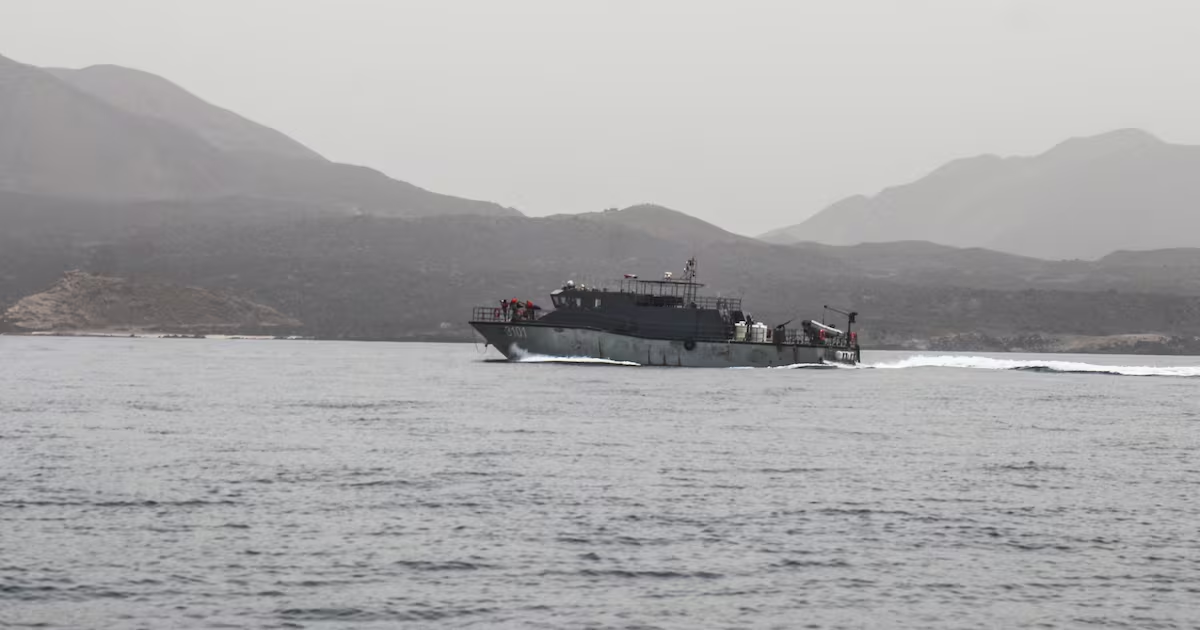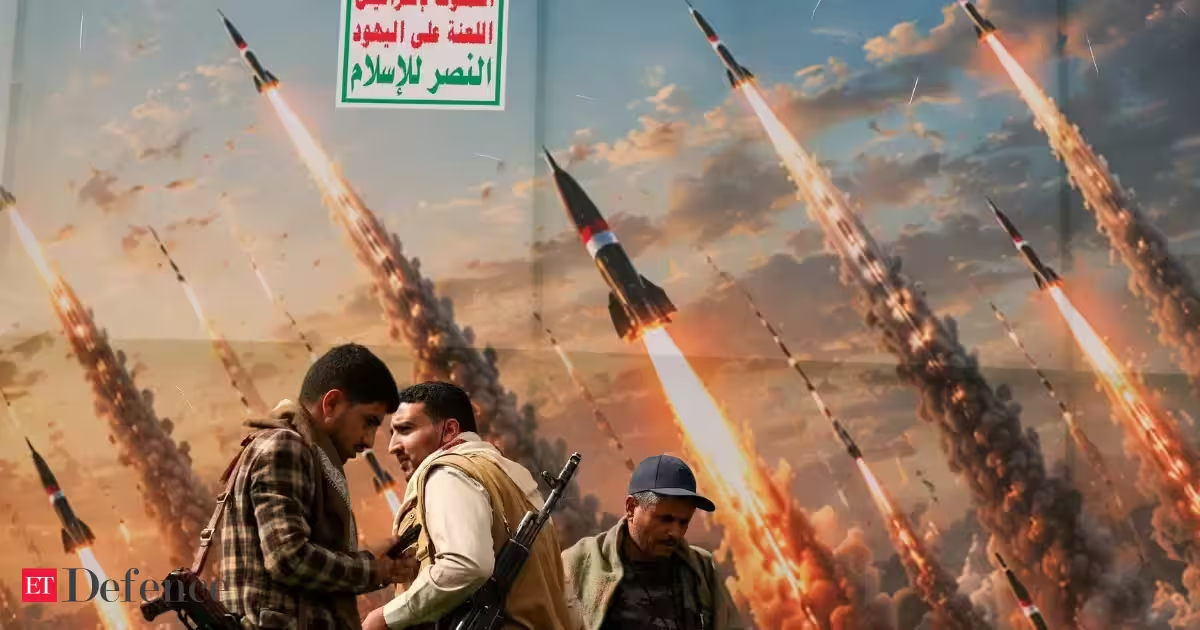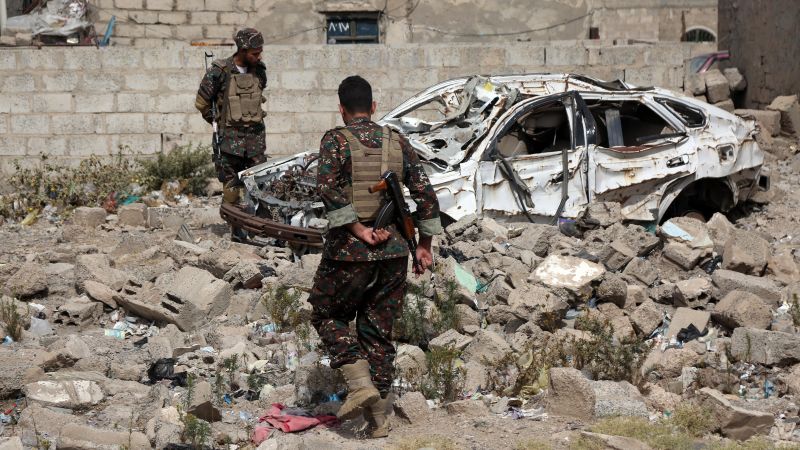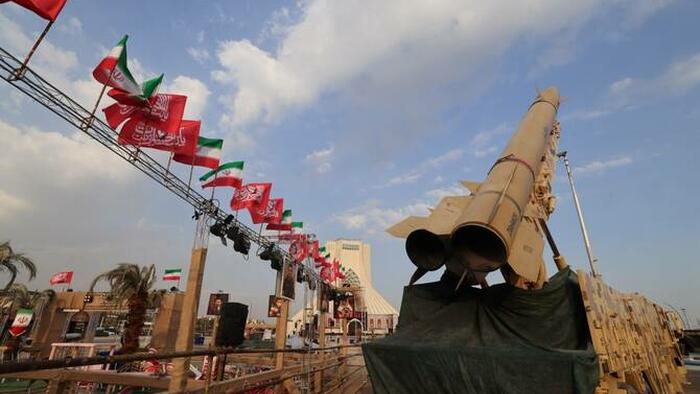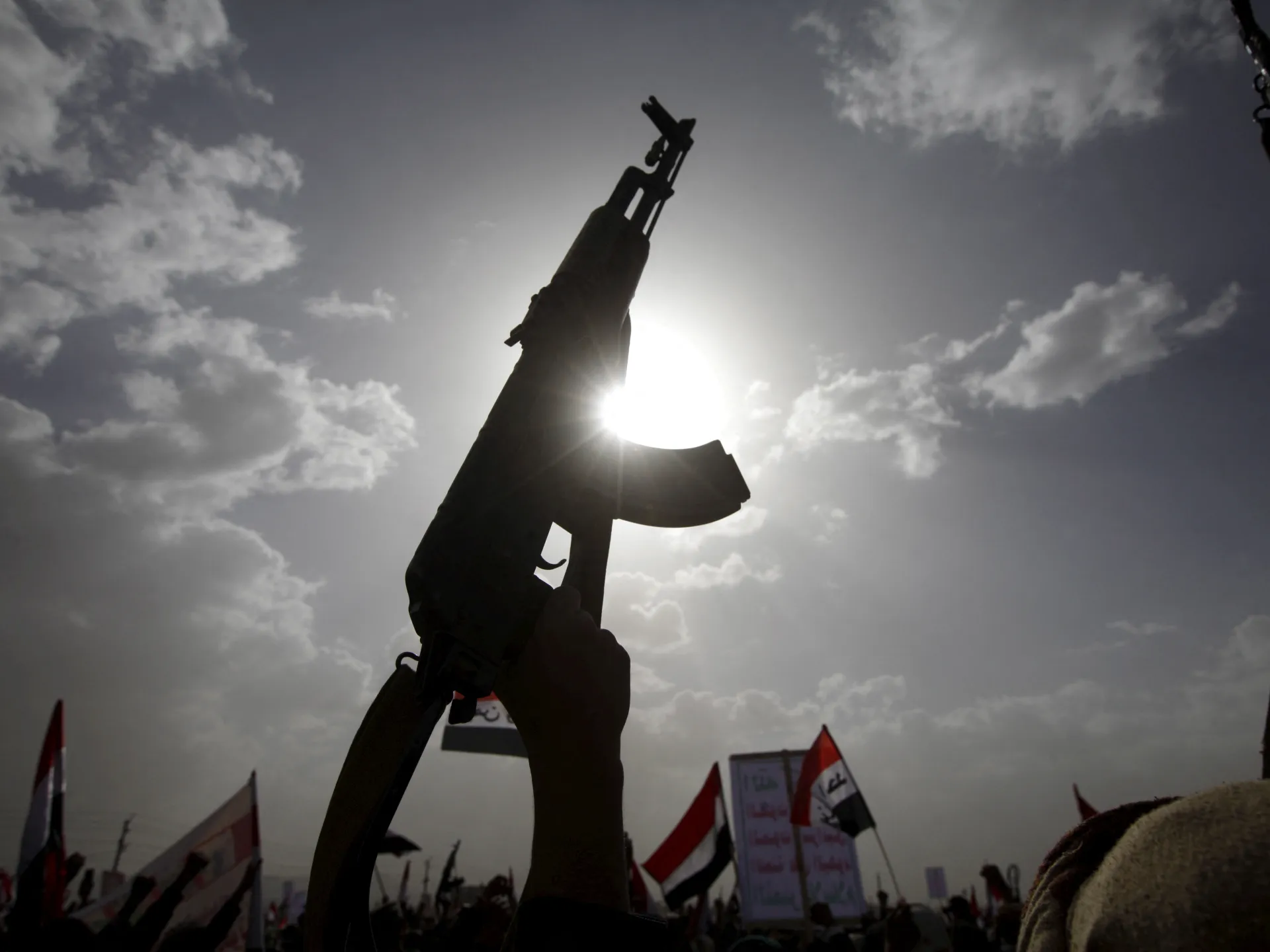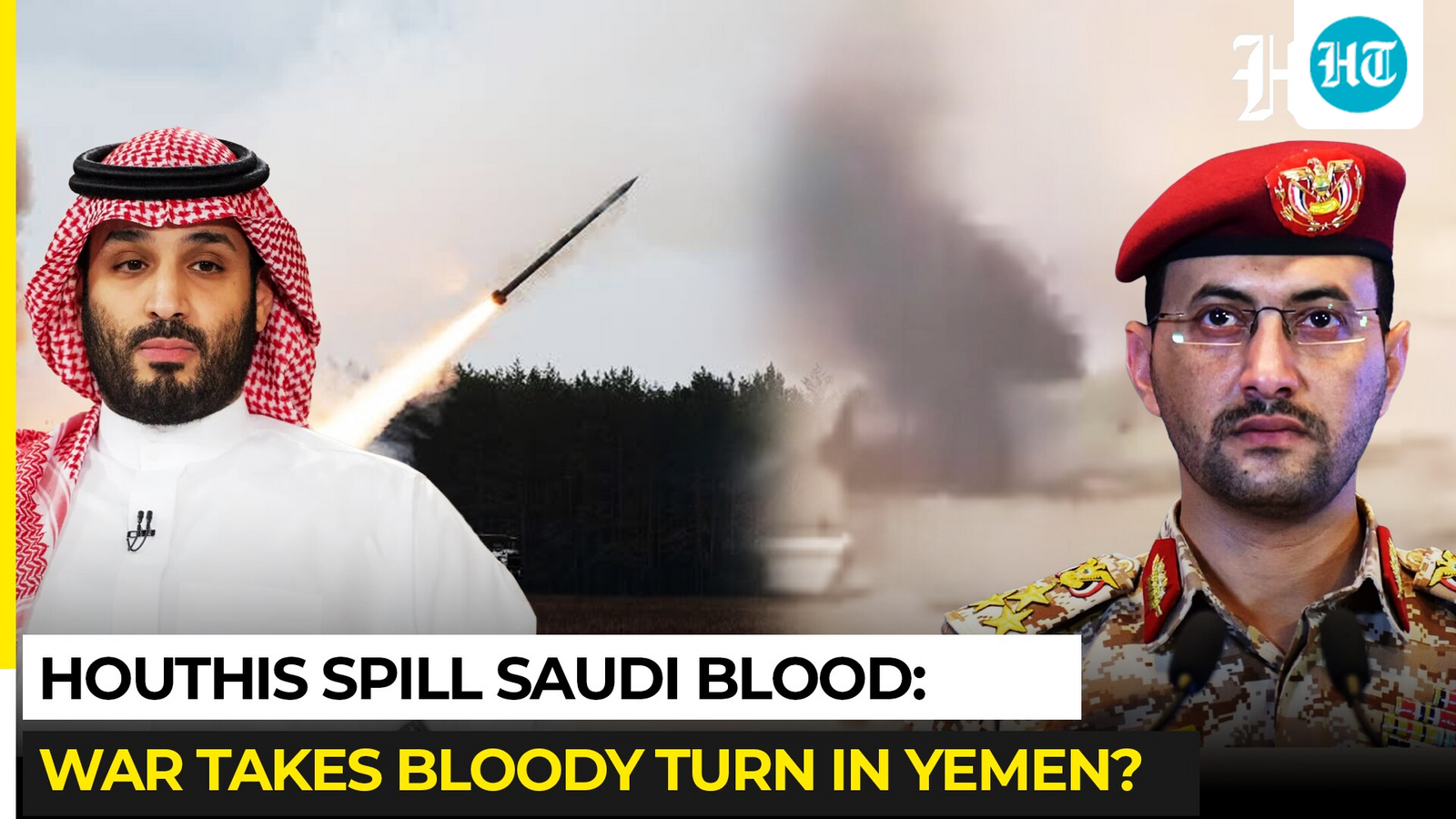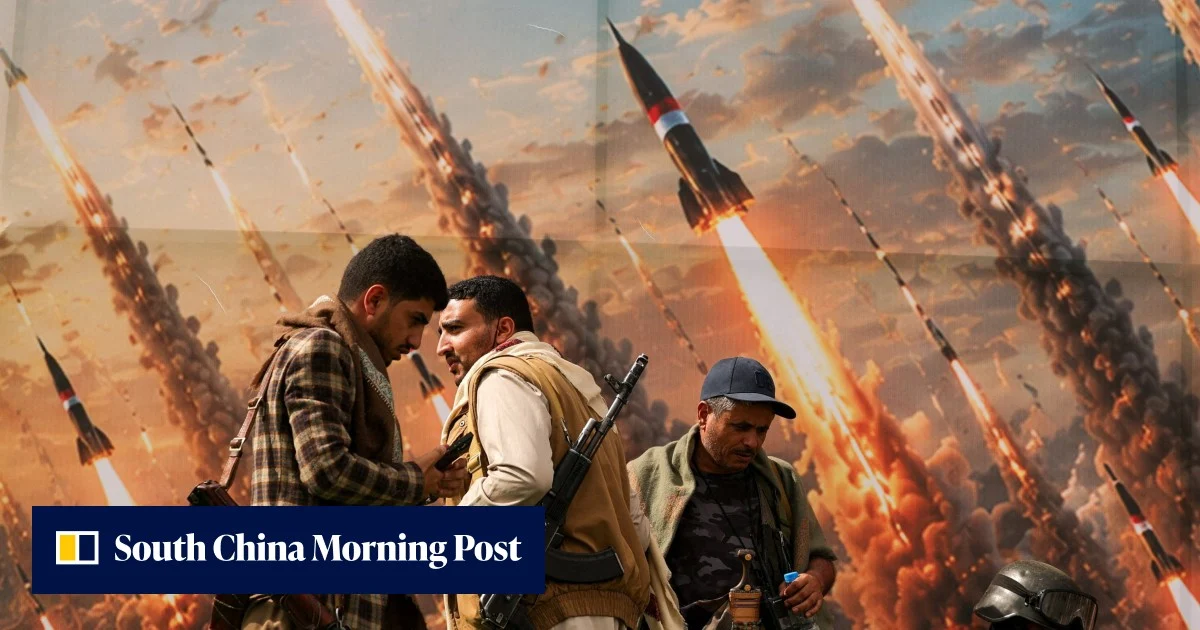
A new bout of violence in Yemen cannot be viewed in isolation. The Houthi rebels' decision to escalate attacks on government forces, Saudi ships in the Red Sea and oil sites in Saudi Arabia is interlinked with the US-Iran war, experts told The National. In recent days, the Houthis caused casualties among Yemeni government forces in Marib, Hadhramaut and Hodeidah. The latest attacks on displacement camps in Marib killed two people and injured 14, officials said on Friday. The three provinces are rich in oil and could provide the group with an opportunity, if they make territorial gains, to acquire more resources to fuel their struggling economy. "The Houthis are always looking for sources of income. They feel the pressure from the people internally due to the economy and their poor governance, so want to secure economic sources and gain popularity," said Maysaa Shuja Al Deen, a senior researcher with the Sanaa Centre for Strategic Studies.While the Houthis' goals in launching attacks have not vastly changed over the past few years, or since their seizure of the Yemeni capital Sanaa in 2014, the timing of their latest escalation is significant. Iran is edging towards an agreement with Oman, and ultimately with the US, that could reopen the Strait of Hormuz after months of disruption. The Houthis have said they imposed a "blockade" from the Bab Al Mandeb strait into the Red Sea – a vital lifeline for countries such as Saudi Arabia to export oil exports. The escalation seems to be "co-ordinated" with Iran, Ms Shuja Al Deen said. One Houthi motive could be to apply pressure on Saudi Arabia to push for a US-Iran deal that ends attacks across the region. But after years of relative peace, following a Saudi-Houthi agreement in 2022 that resulted in a significant reduction in hostilities in Yemen, the militant group has had time to prepare and could be building up to another war. Play00:58Beyond the Headlines: Saudi Arabia is now facing pressure from two directions at once"The Houthi attacks look like a pre-emptive move against government forces, especially as the group seems to be preparing for the possibility of renewed fighting inside Yemen," said Ahmed Nagi, a Yemen expert at the Crisis Group. "It's a way of signalling that they are ready not only to keep up cross-border attacks against Saudi Arabia but also to fight on the domestic front if the conflict escalates."At the same time, the Houthi decision to attack Yemen's oil-rich provinces sends a message that supply lines are vulnerable and any attempt to protect them militarily could come under attack, he added.But opening several fronts – towards Saudi Arabia, in the Red Sea and in Yemen – could be risky. Yemen's internationally recognised government has said it will retaliate as it sees fit. Saudi Arabia has also practised restraint, although it struck Hodeidah in response to Houthi drones being launched towards the kingdom last week. Iran, meanwhile, is attempting to get the US to agree to its terms regarding sanctions relief, reopening the Strait of Hormuz and ultimately ending the war. Iran's proxies in Lebanon and Iraq are also facing challenges. Militias in Iraq launched an attack on Saudi Arabia, leading to joint US-Saudi strikes that caused dozens of casualties. Days after a meeting between Saudi and Iraqi officials, the militia leaders have told fighters to "postpone" retaliation against Saudi Arabia – a move that shows the increasing pressure on Baghdad to restrain those groups. In Lebanon, talks are under way between the government and Israel on Hezbollah's disarmament. Whether the Houthis have decided to showcase their strength at a time when their allies in Iraq and Lebanon have had their wings clipped, or whether the Yemeni group has done Iran's bidding to show the "axis of resistance" is not dead, is yet to be seen. But fears have grown that Yemen might be on the cusp of a new war a time when the region is trying to put out the flames from the current conflict.
Why are the Houthis escalating attacks on Saudi-backed targets? | The National
Iran-backed rebels could be preparing for new war in Yemen just as regional powers push to end current conflict
668 words~3 min read