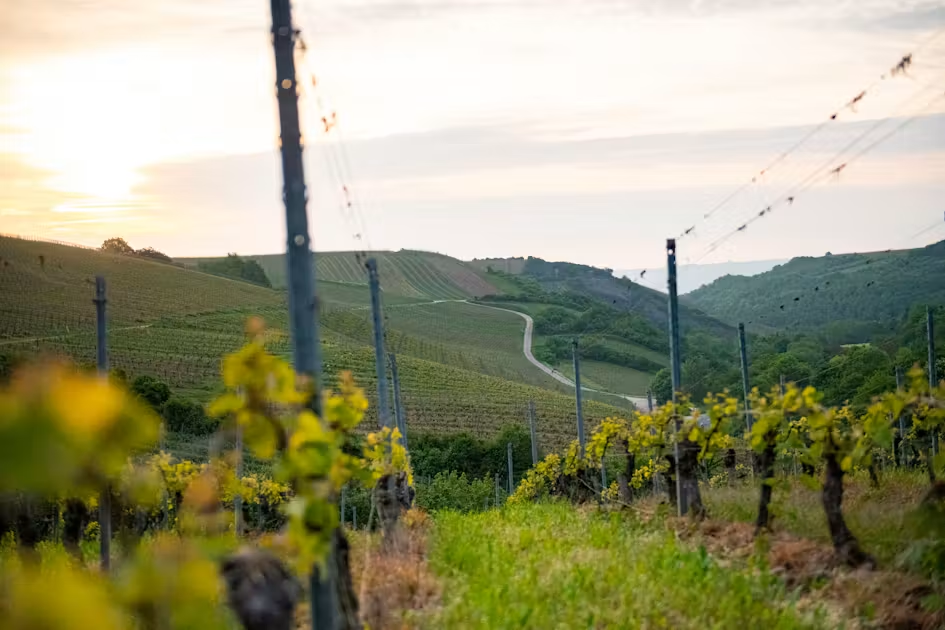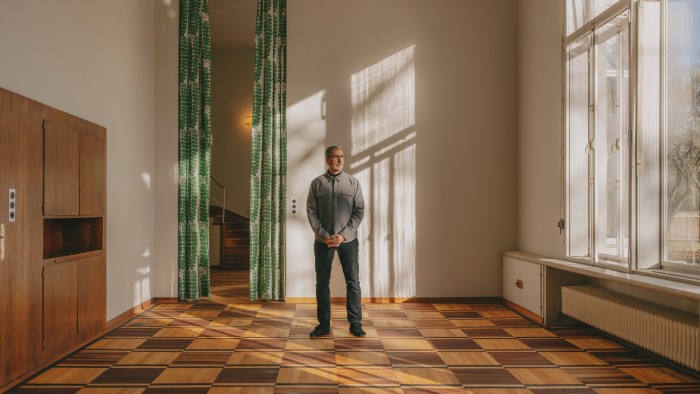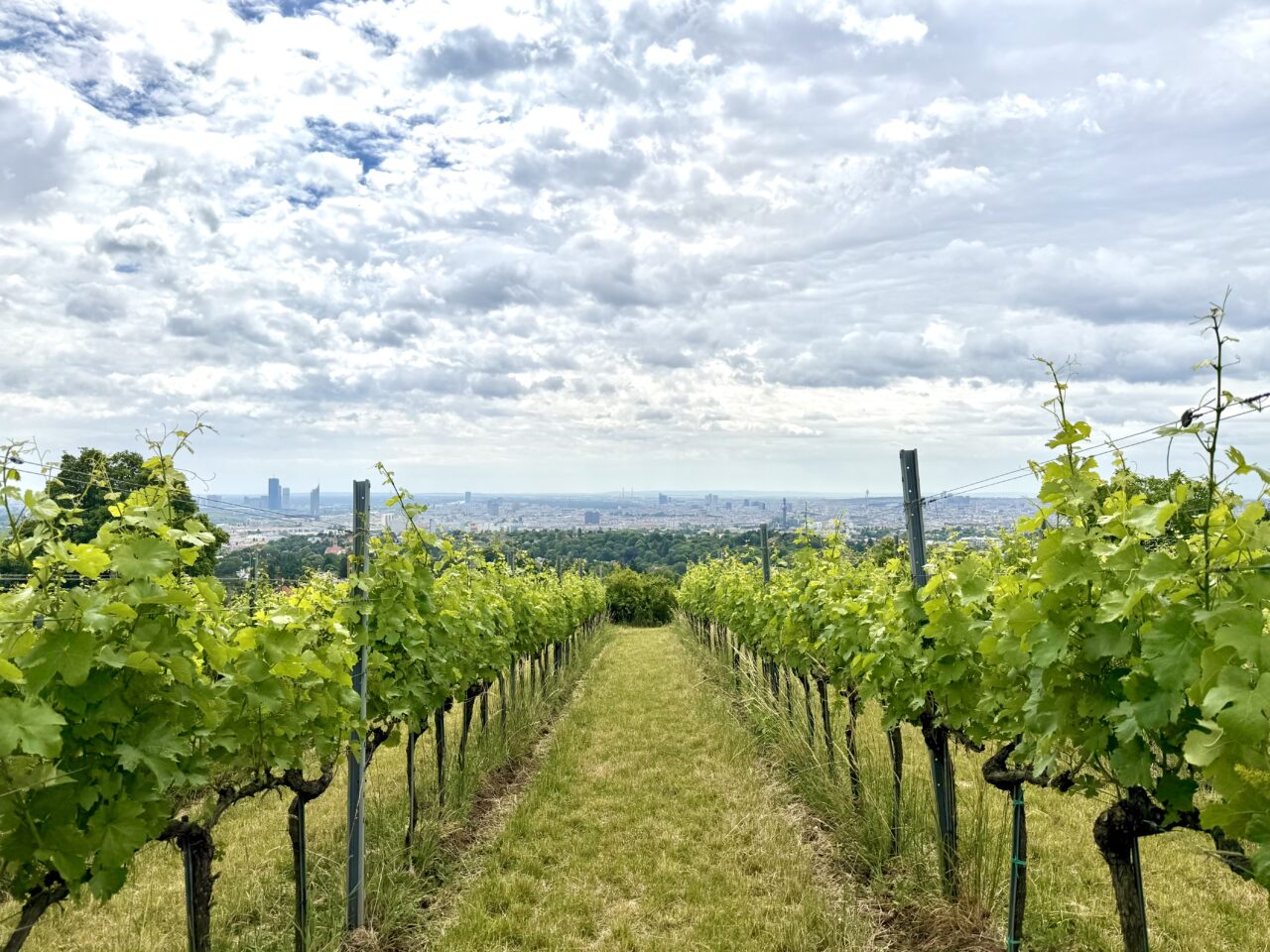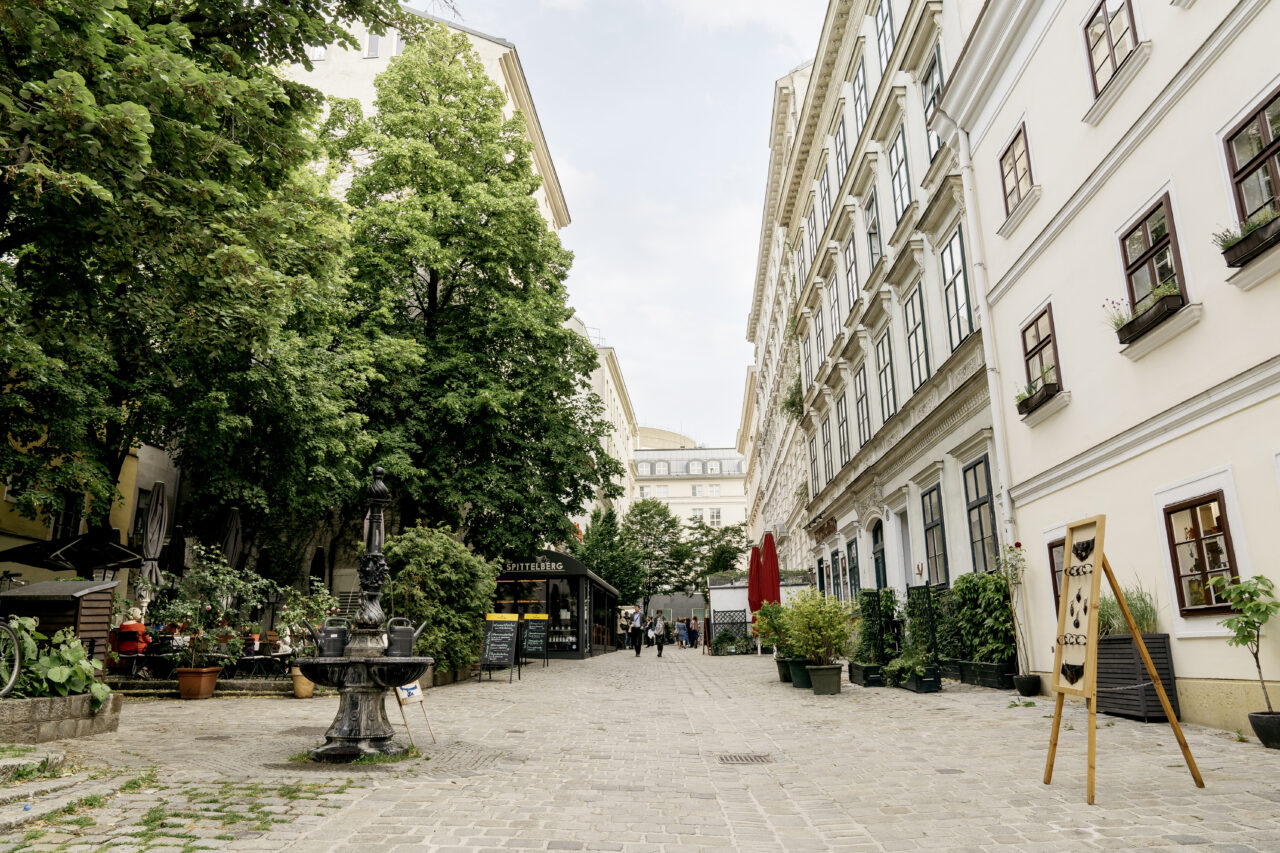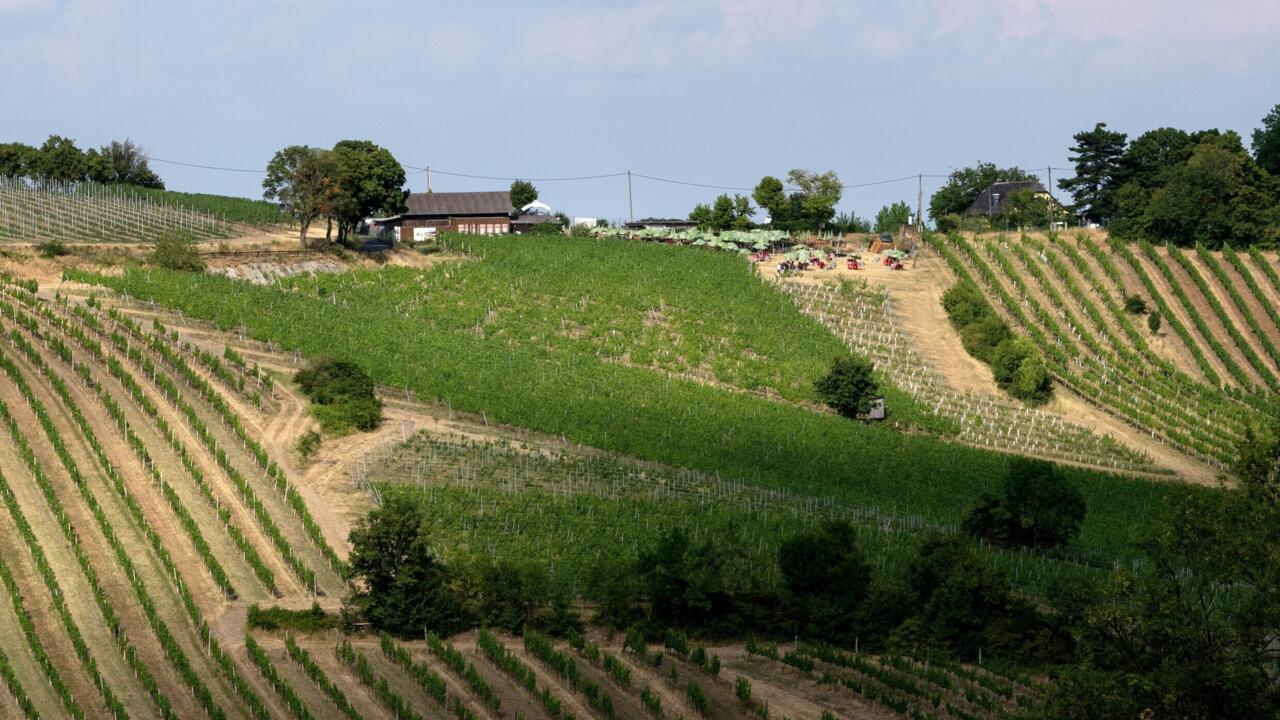
"Whoever does not move with the times will disappear in time," the 42-year-old managing director told AFP.He was speaking from the shaded courtyard garden of his Mayer am Pfarrplatz heuriger, down the steps from the room where Beethoven stayed while composing part of the Ninth Symphony.Vienna's heurigers range from a few tables set up in the open air to grander affairs resembling restaurants. For centuries, they have dished up wine from the surrounding vineyards to wash down typically hearty central European fare.Just as they did in Beethoven's time, euphoric revellers still spill out onto the paths of the otherwise sleepy outskirts in the vine-lined Viennese hillsides after a few carafes of white- or red-wine spritzers.
The number of heurigers has dwindled from 512 taverns in 1956 to fewer than 100 in 2015 © Joe Klamar / AFP
But despite their beloved place in Viennese life -- the tradition gained UNESCO world heritage status in 2019 -- their ranks have dwindled from 512 taverns in 1956 to fewer than 100 in 2015."I think this decline is very regrettable," Tariq Lenny Bas, who grew up among the grapevines of western Austria, told AFP. He was at Mayer am Nussberg, a Keller-run heuriger perched on a hill overlooking the capital, as part of a team-bonding trip with his social media firm."And the trend continues," said cultural anthropologist Peter Hoerz. "Inclusion on the UNESCO list is a warning sign -- after all, whatever is listed there is invariably at risk of extinction!" 'Adapt or fail'While adamant that the tradition would survive, Keller pointed to a "succession problem", with younger generations unwilling to take over a tough family business. For Jutta Ambrositsch, a pioneering figure among the new wave of Viennese winemakers, "the major problem is insensitive and careless real estate development in the 'heurigen areas'".Hoerz agreed that Vienna's picturesque winemaking suburbs have become victims of their own success, with their popularity pushing up land prices.