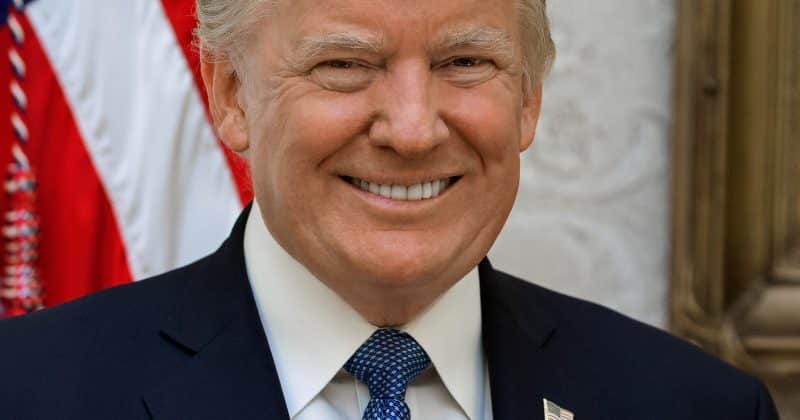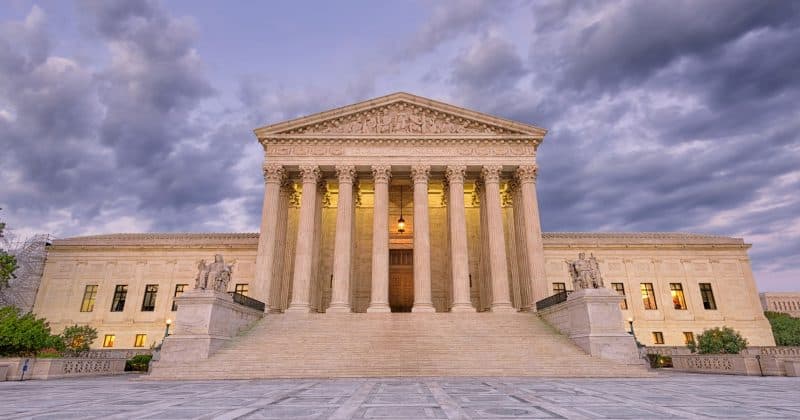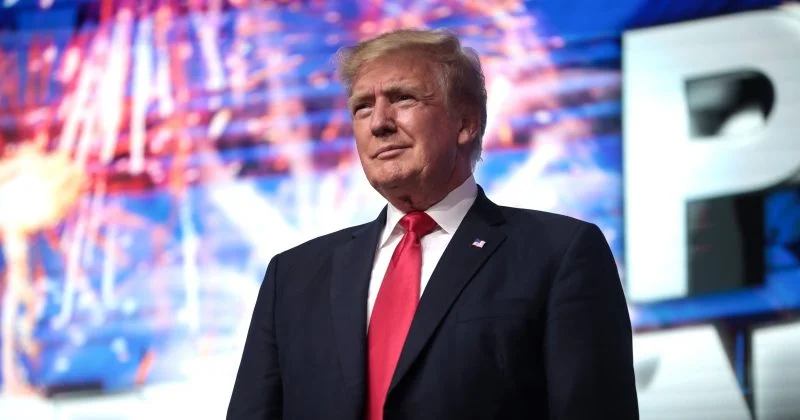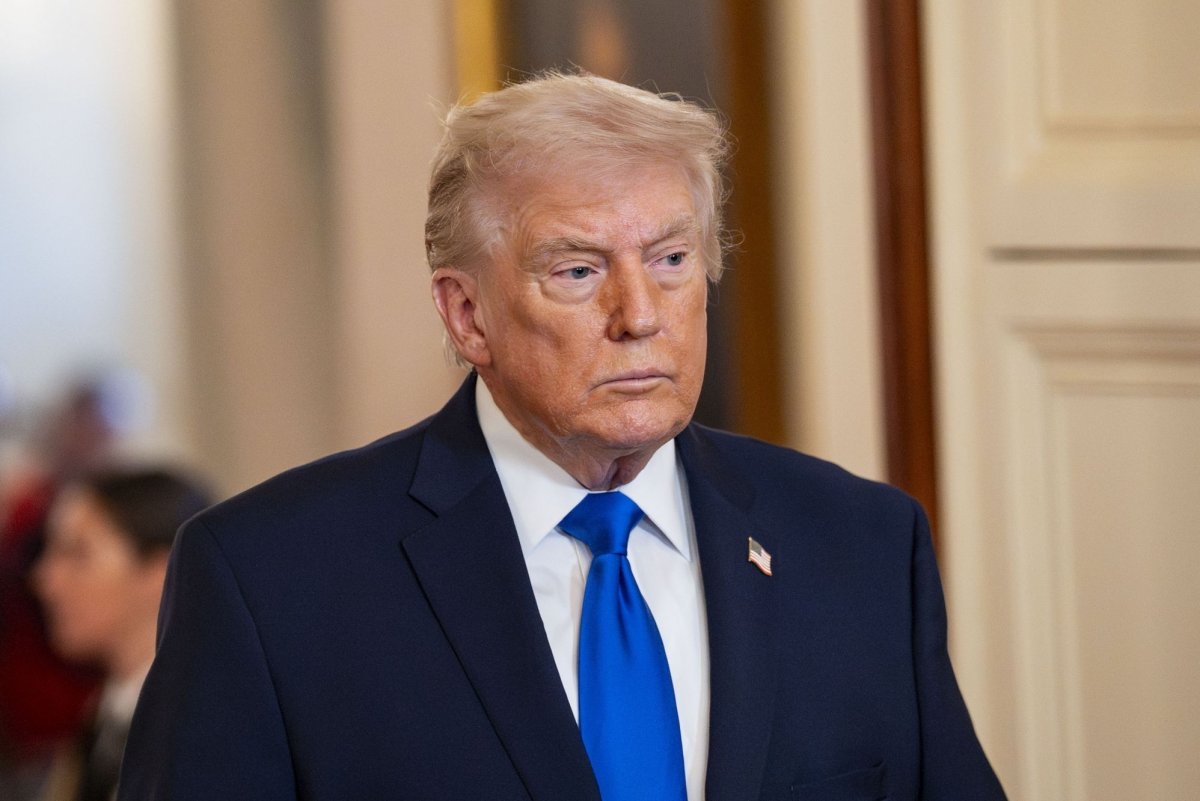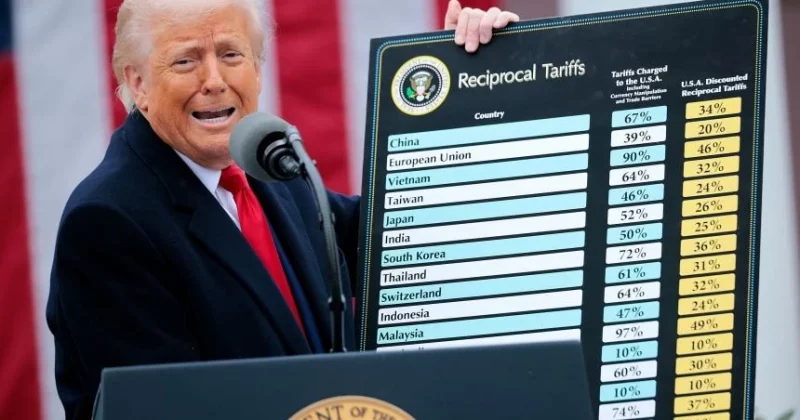
The Supreme Court told President Trump he couldn’t use emergency powers to impose tariffs. His response, roughly paraphrased: “Fine, I’ll use a different law.”
On February 20, 2026, the Court ruled 6-3 in Learning Resources, Inc. v. Trump that the International Emergency Economic Powers Act does not authorize the president to slap tariffs on imports. Chief Justice John Roberts authored the opinion, which vacated previous tariff actions and effectively told the executive branch that tariffs belong to Congress under Article I of the Constitution.
Trump’s team needed roughly the time it takes to brew a pot of coffee before announcing Plan B. The president invoked Section 122 of the Trade Act of 1974 to impose an initial 10% global tariff, then raised it to 15% within a day. Those tariffs can last up to 150 days without Congressional approval.
Bitcoin’s whiplash moment
Bitcoin surged roughly 1.7% immediately after the Supreme Court ruling, climbing to between $67,769 and $68,000. The logic was straightforward. A Supreme Court ruling limiting executive tariff authority looked like it might reduce trade war uncertainty, which has been a persistent headwind for risk assets including digital currencies.