The Supreme Court told President Trump he couldn’t use emergency powers to impose global tariffs. His response: fine, I’ll use different ones.
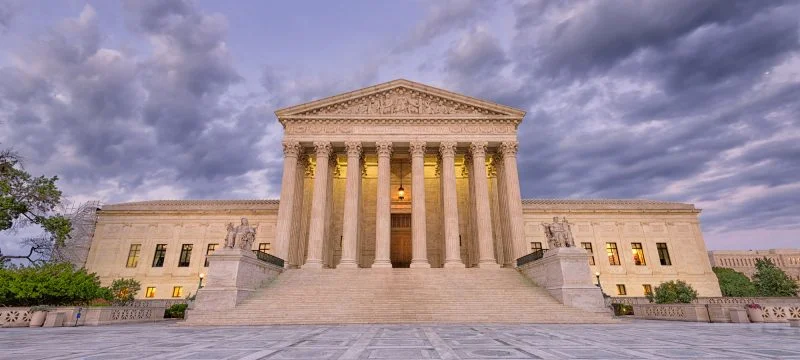
On February 20, 2026, the Court ruled 6-3 in Learning Resources, Inc. v. Trump that the International Emergency Economic Powers Act (IEEPA) does not authorize the president to impose tariffs. The decision invalidated the sweeping global tariffs Trump had implemented under emergency declarations tied to trade deficits. Within hours, the administration announced a replacement: a 10% global tariff under Section 122 of the Trade Act of 1974, a statute designed to address balance-of-payments issues.
That rate was quickly bumped to 15%.
The legal pivot and its limits
Section 122 allows temporary tariffs of up to 15% for a maximum of 150 days unless Congress votes to extend them. That puts the clock somewhere around July 2026, at which point the administration either needs legislative backup or a new legal theory entirely.