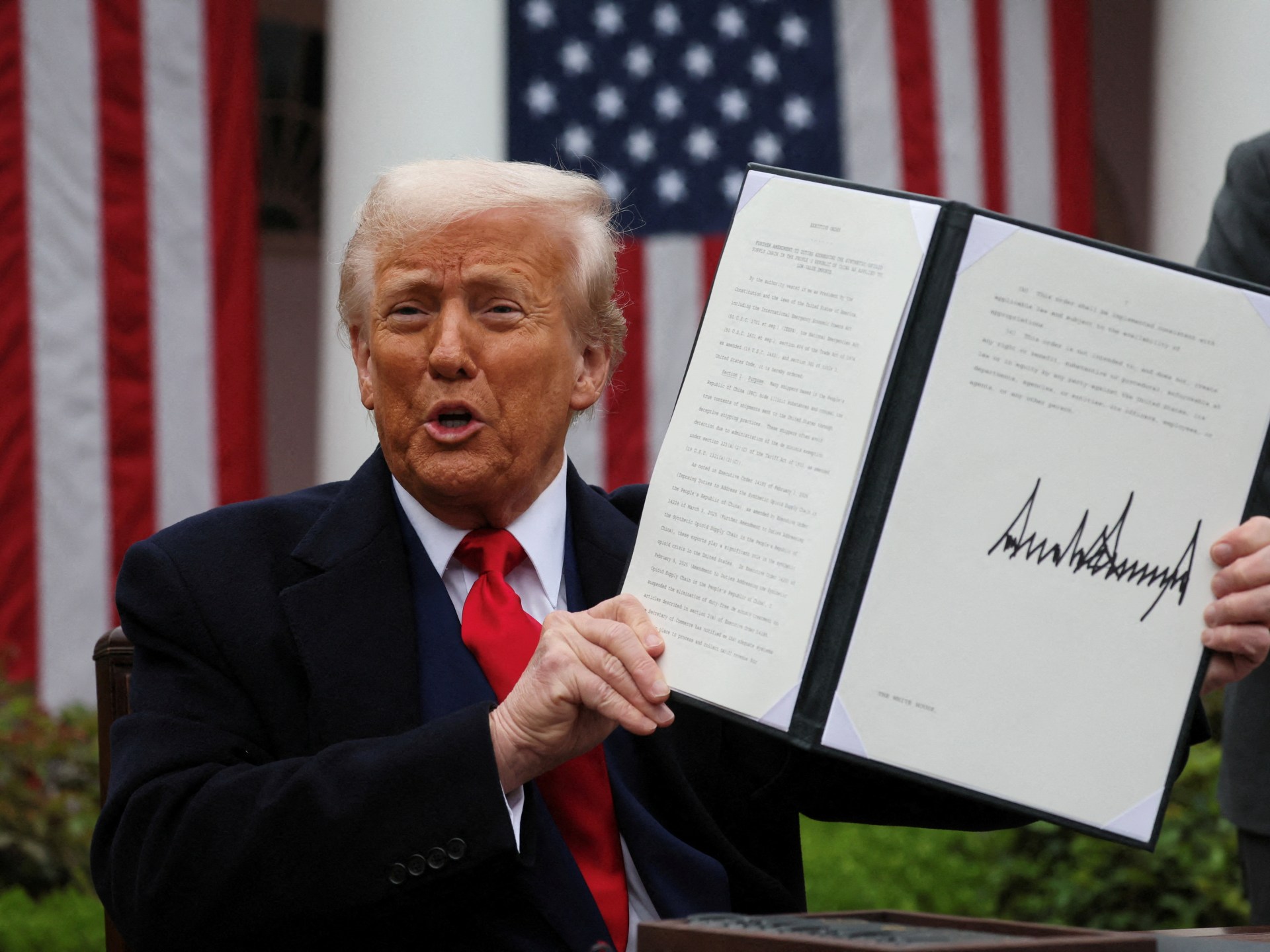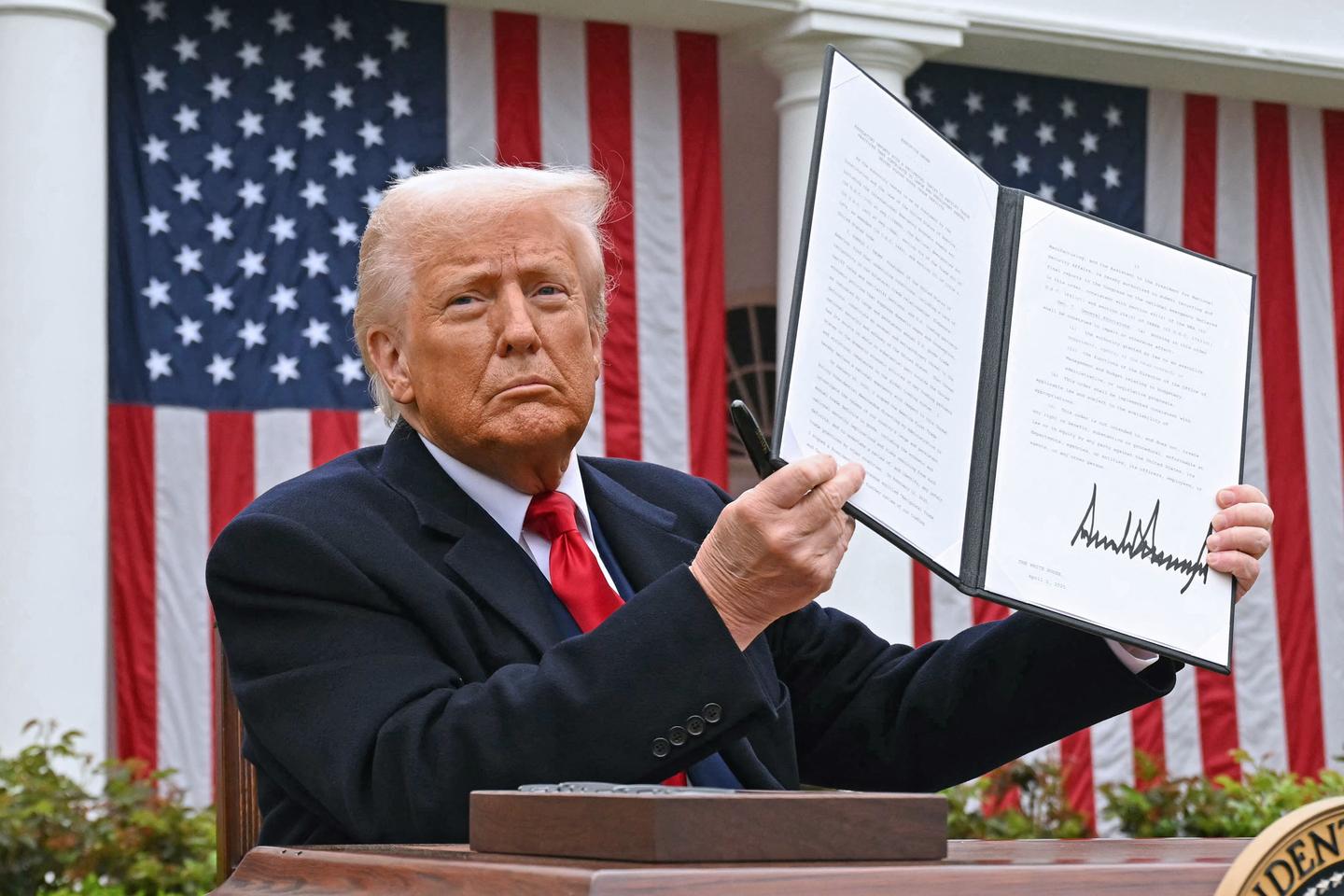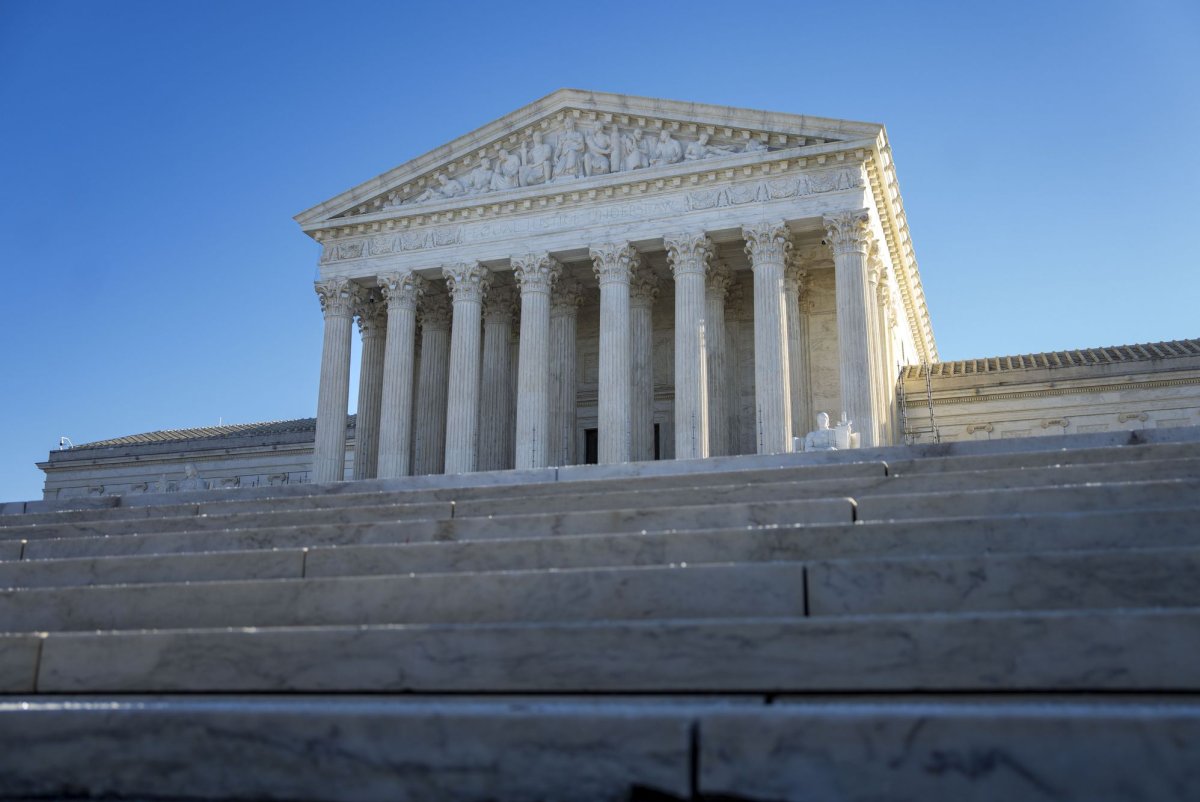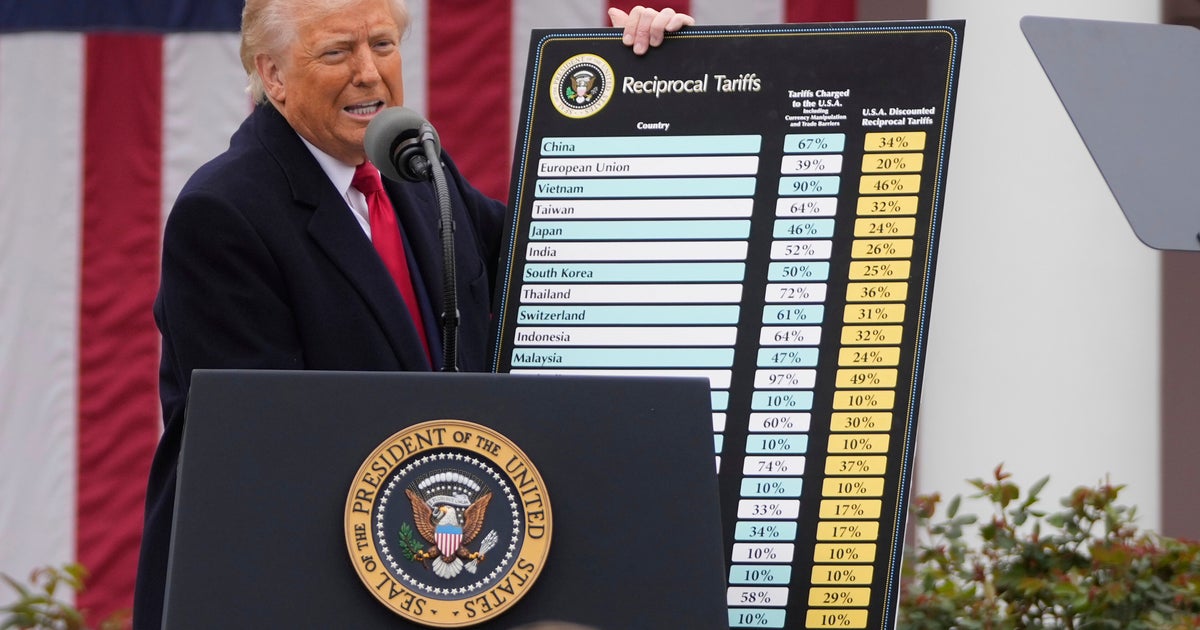
Feb. 25 (UPI) -- The Supreme Court's ruling to limit President Donald Trump's use of emergency powers to impose tariffs is forcing the administration to look to different statutory authorities to carry out its trade policy.
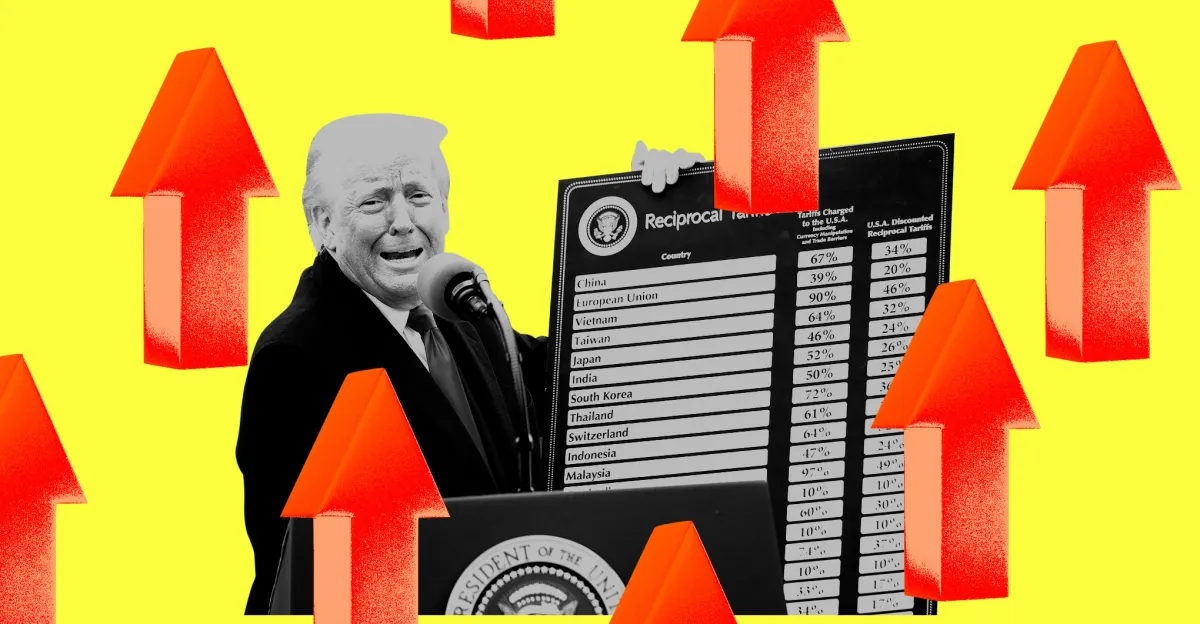
On Friday, the Supreme Court ruled that the president could not use the International Emergency Economic Powers Act to generate revenue through tariffs. While this caused Trump to seek another avenue to impose tariffs, landing on a global 15% rate through Section 122 of the Trade Act of 1974, his plans to use tariffs to negotiate trade deals have not changed.
The decision impacts a great deal of the tariffs Trump has enacted during his second term, Purba Mukerji, professor of economics at Connecticut College, told UPI. She said he has been using the IEEPA to give himself "flexibility" in trade negotiations since returning to the White House.
Trump expressed disappointment in the high court's decision on Friday but Mukerji said it was expected by economists and is unlikely to disrupt the president's broader economic policy. Tariffs on steel and aluminum, as well as those that target certain sectors, are likely to remain in place.
Related