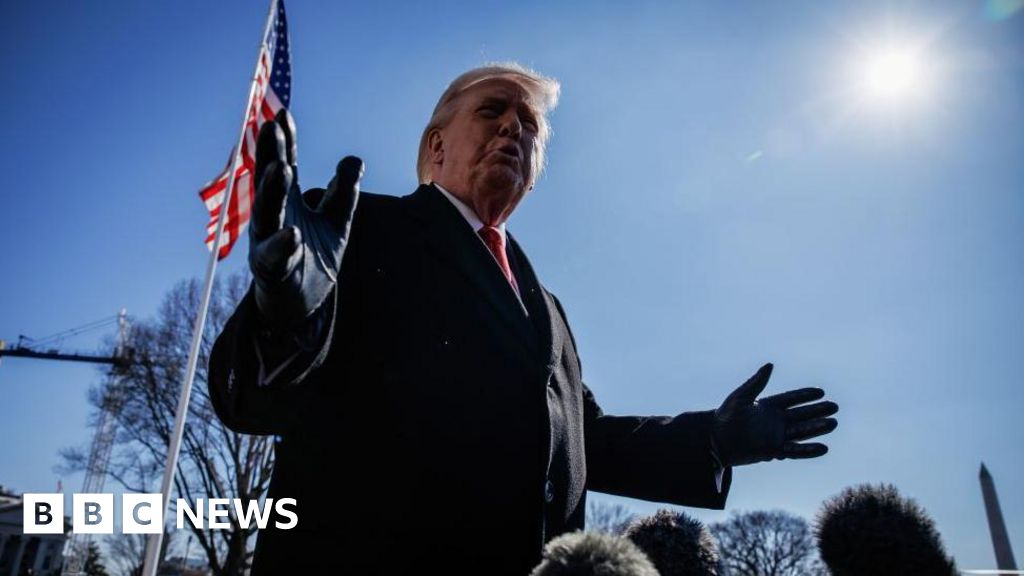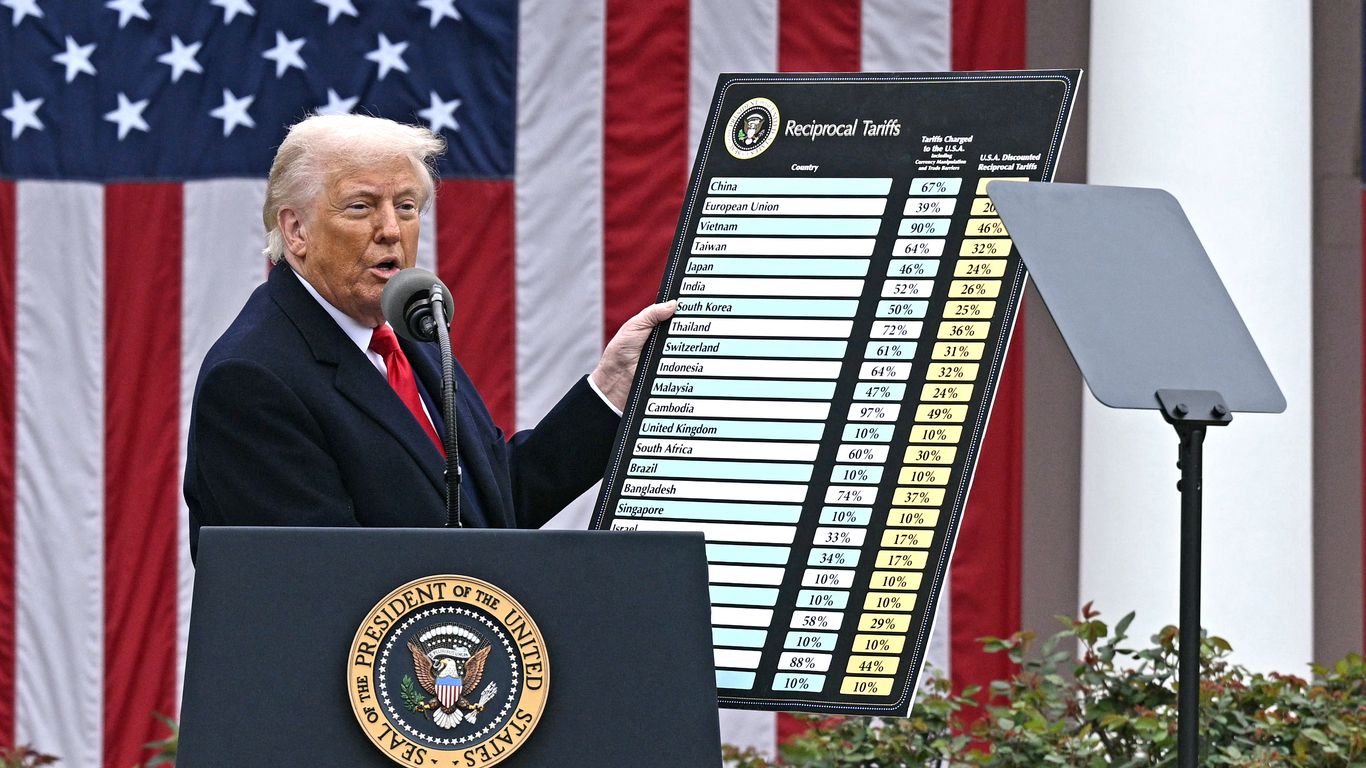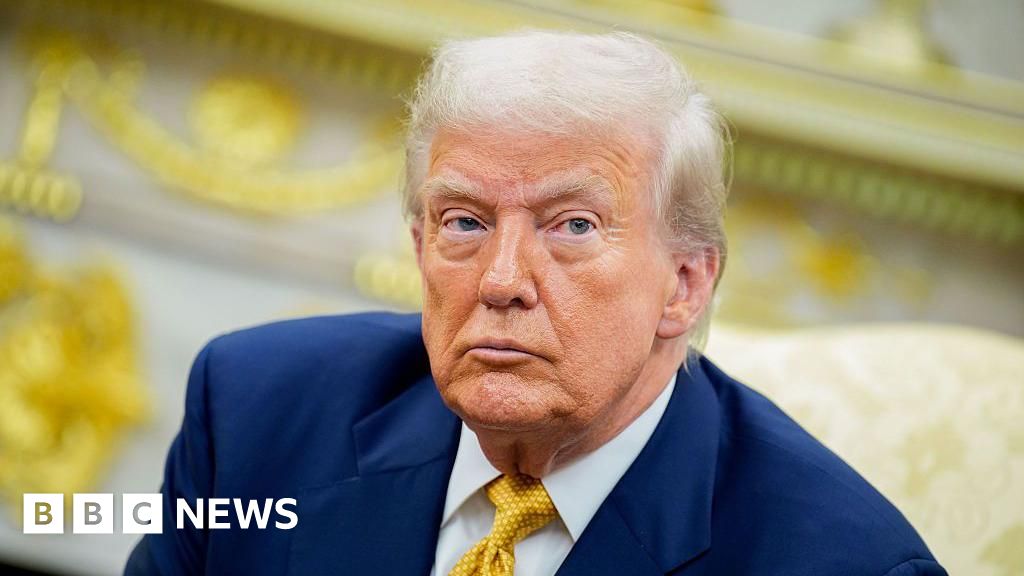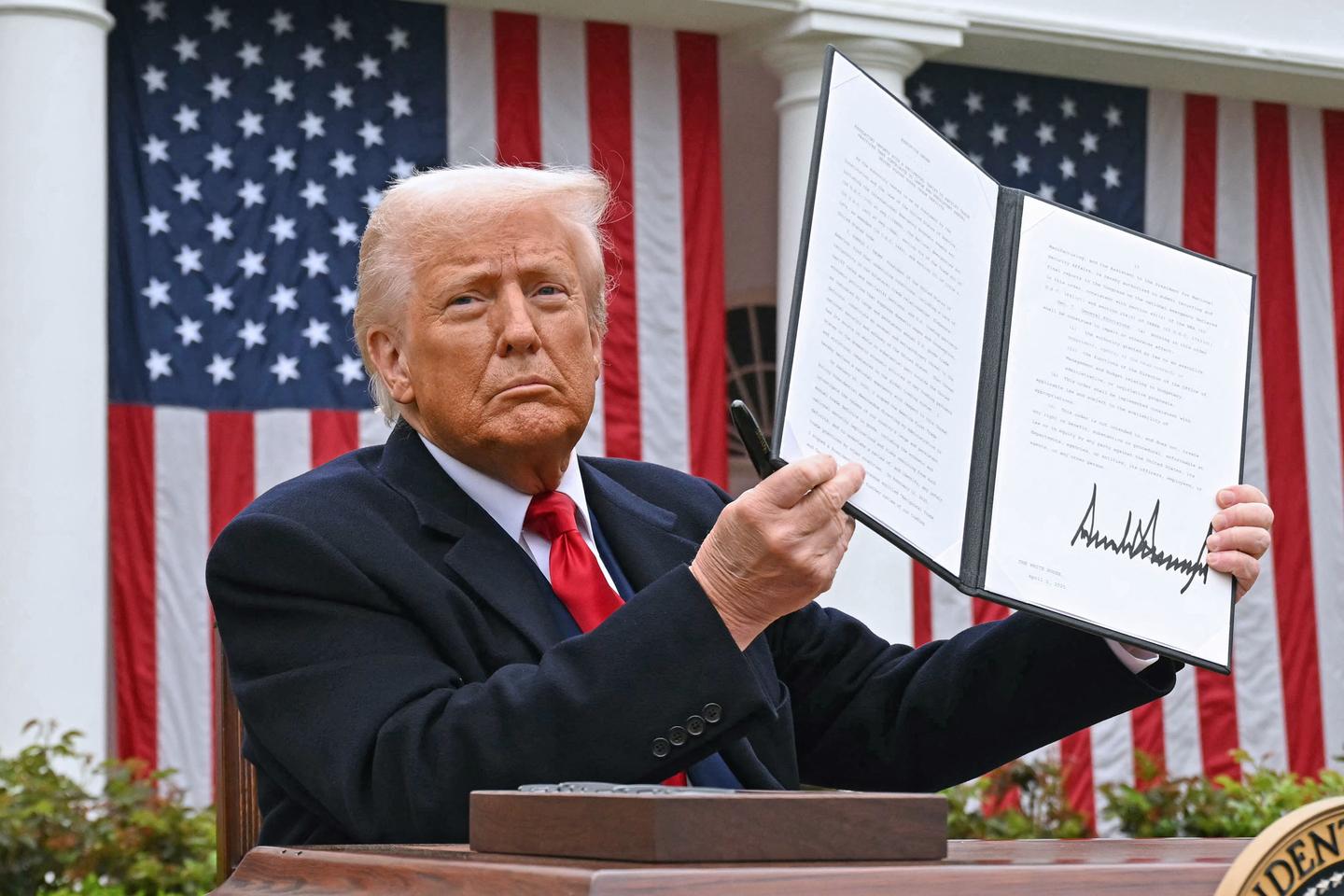
US President Donald Trump at the White House, in Washington DC, on April 2, 2025. SAUL LOEB / AFP
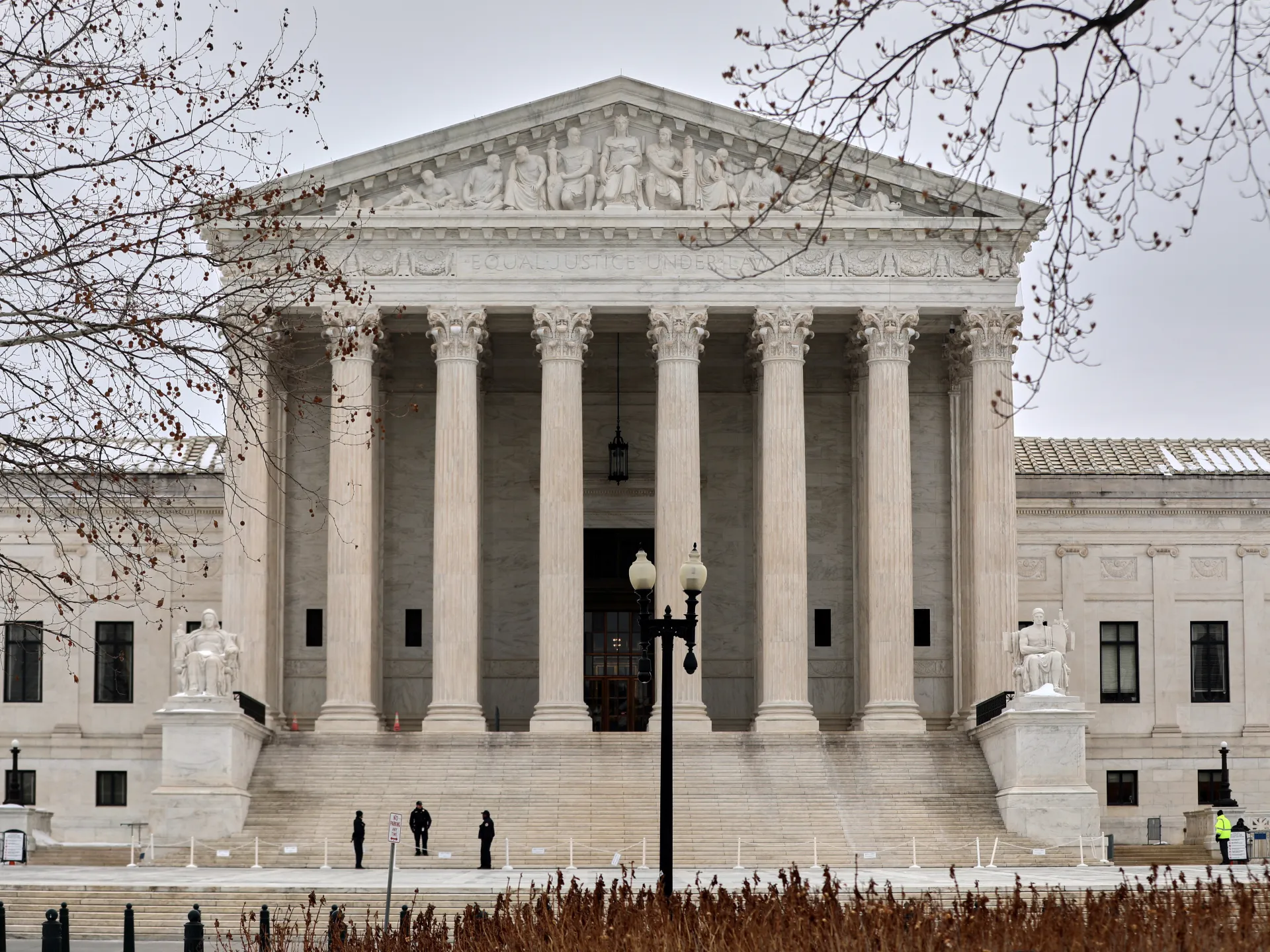
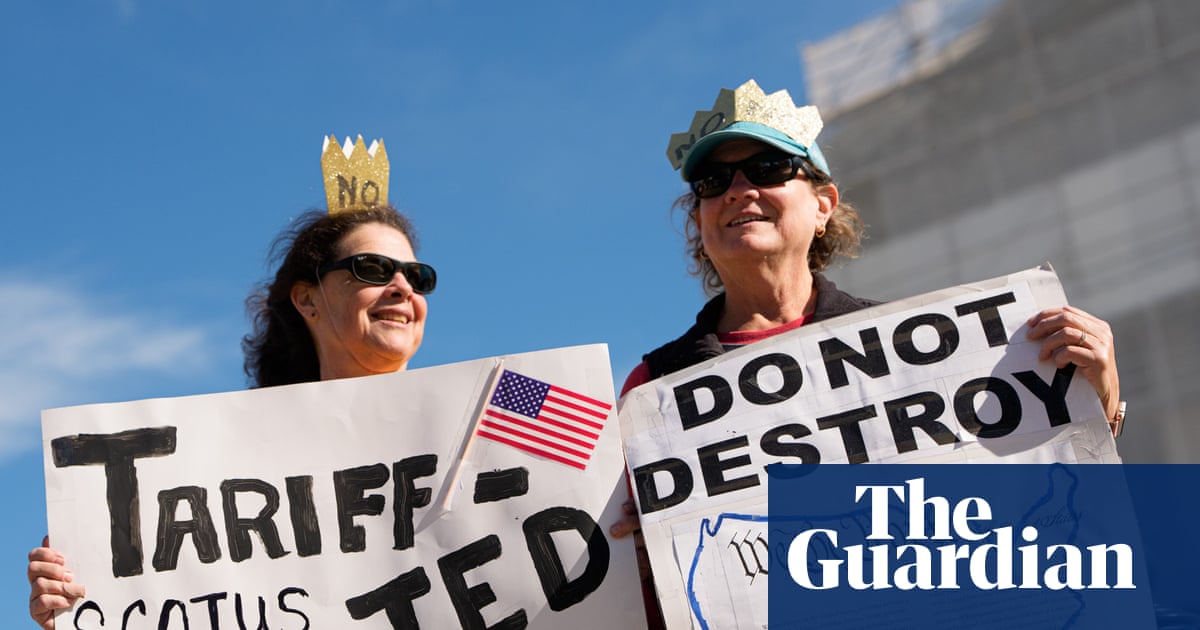
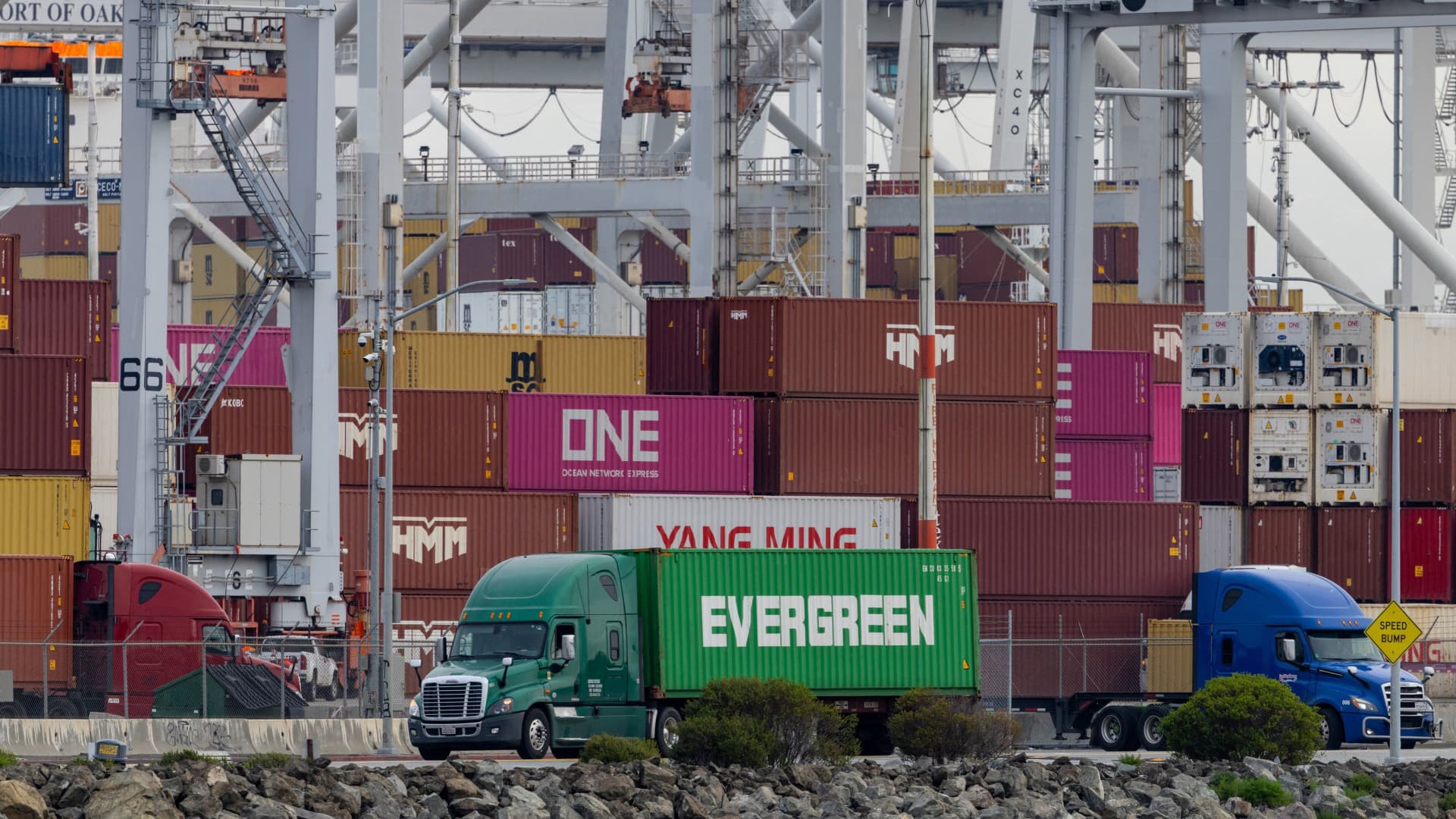
The Supreme Court of the United States's Friday, February 20 decision has come as a legal, political and economic shockwave. The justices struck down a large portion of the tariffs the White House had imposed on almost all of the rest of the world. With this ruling, the US's highest court, with its majority of conservative justices, stripped the White House of a central pillar of its economic policy, put the brakes on the expansion of executive power at Congress's expense and ushered in a period of deep uncertainty for global trade.
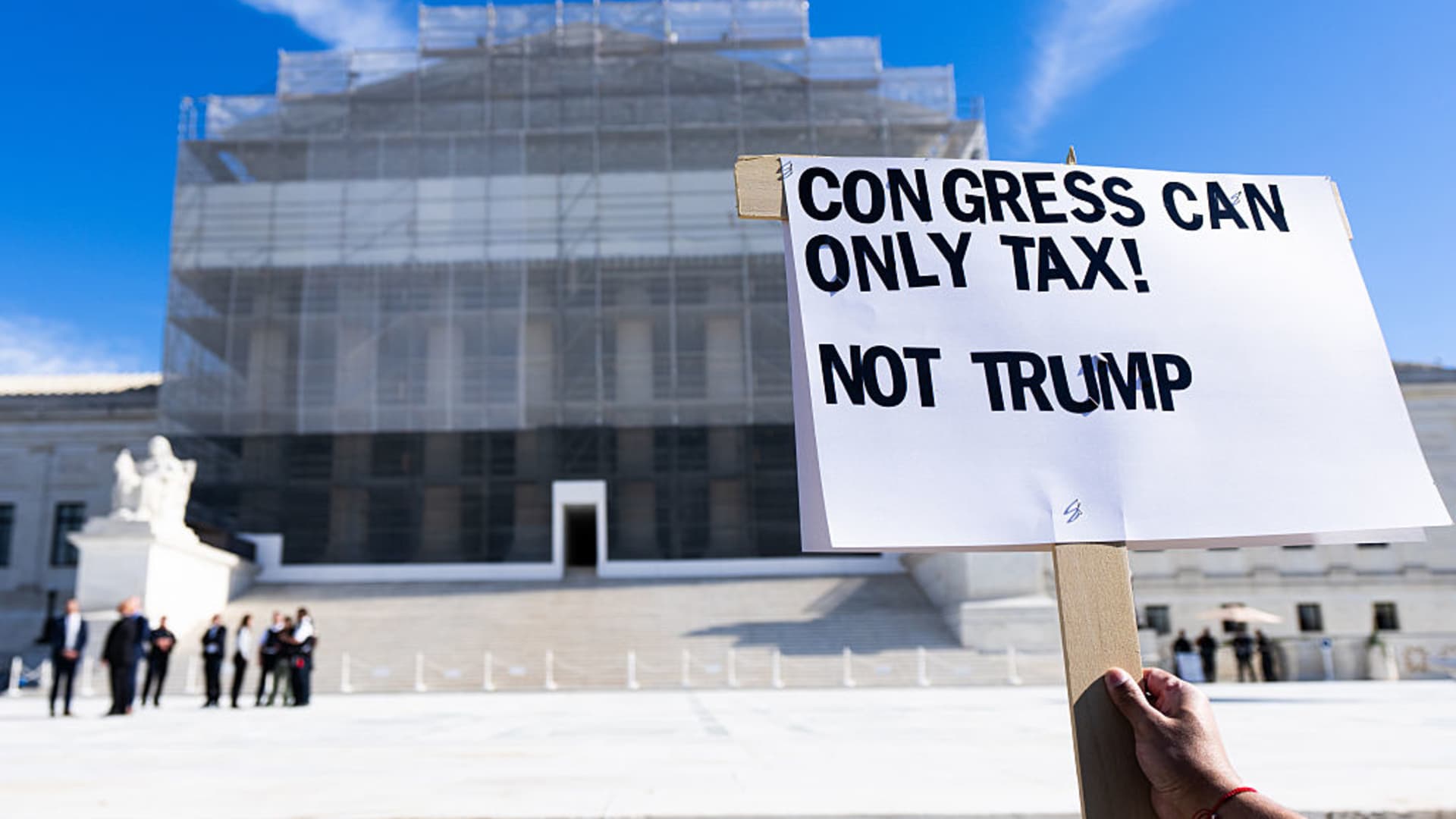
Without a doubt, law schools will teach the justices' opinion on the case entitled "Learning Resources, Inc. v. Trump," which was filed by a coalition of small businesses and 12 of the country's 50 states, for years to come. The Supreme Court, which, until now, had granted Donald Trump's administration considerable leeway to act, pushed back this time. Six of its nine justices, including three conservatives, ruled against Trump's tariffs, upholding lower court findings that they were illegal under US law. "The Framers [of the Constitution] gave 'Congress alone' the power to impose tariffs during peacetime," the judges wrote.