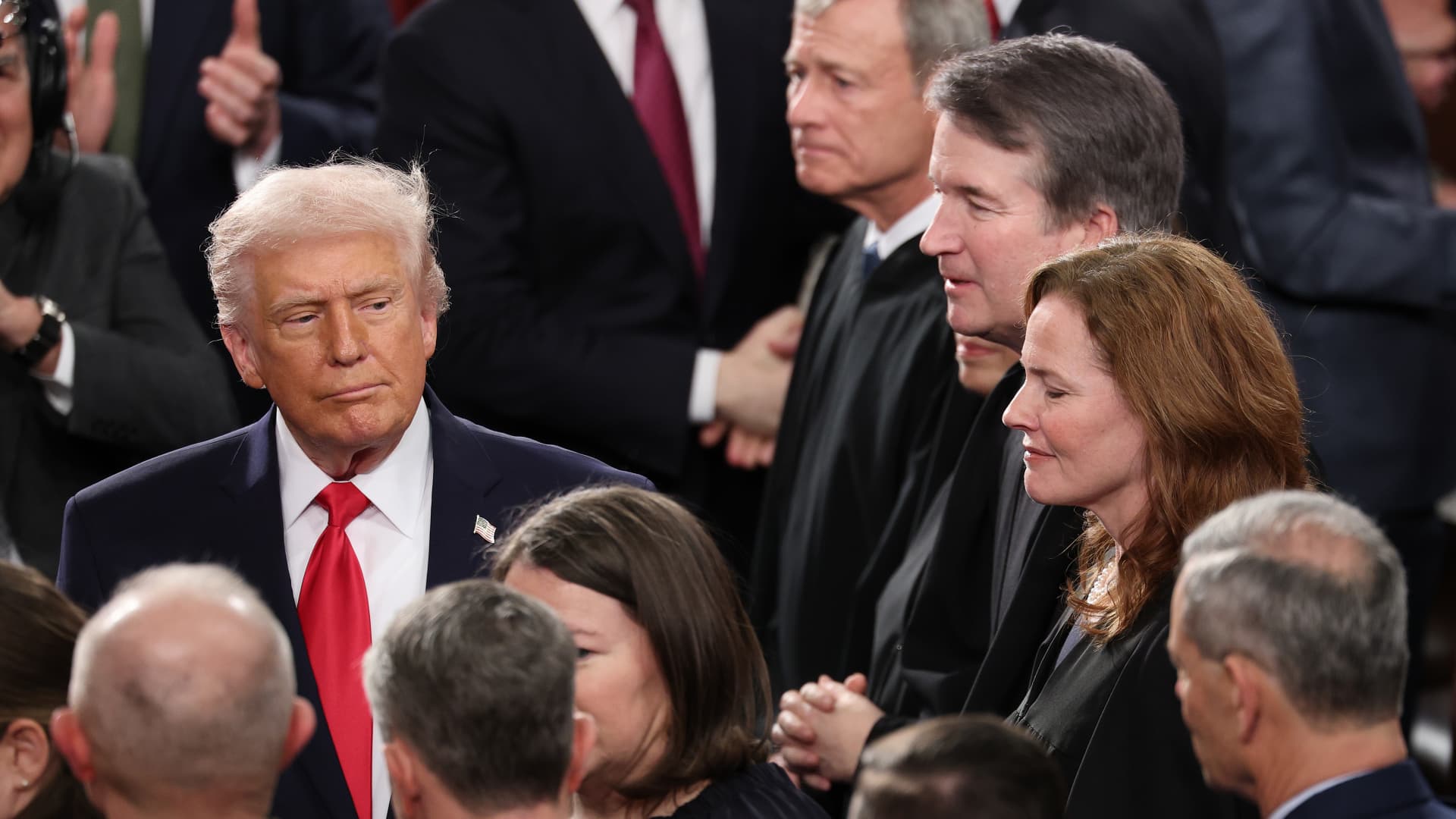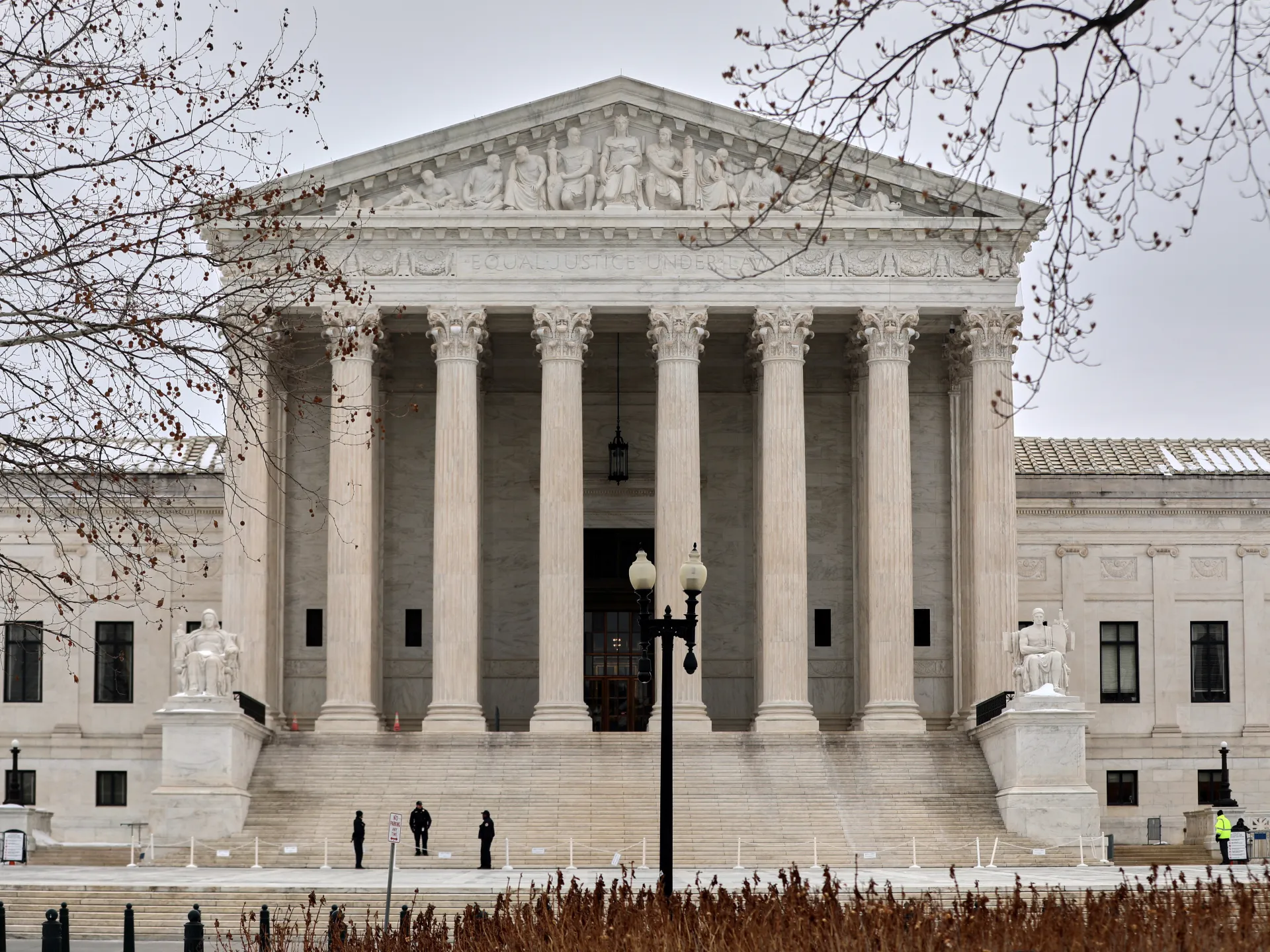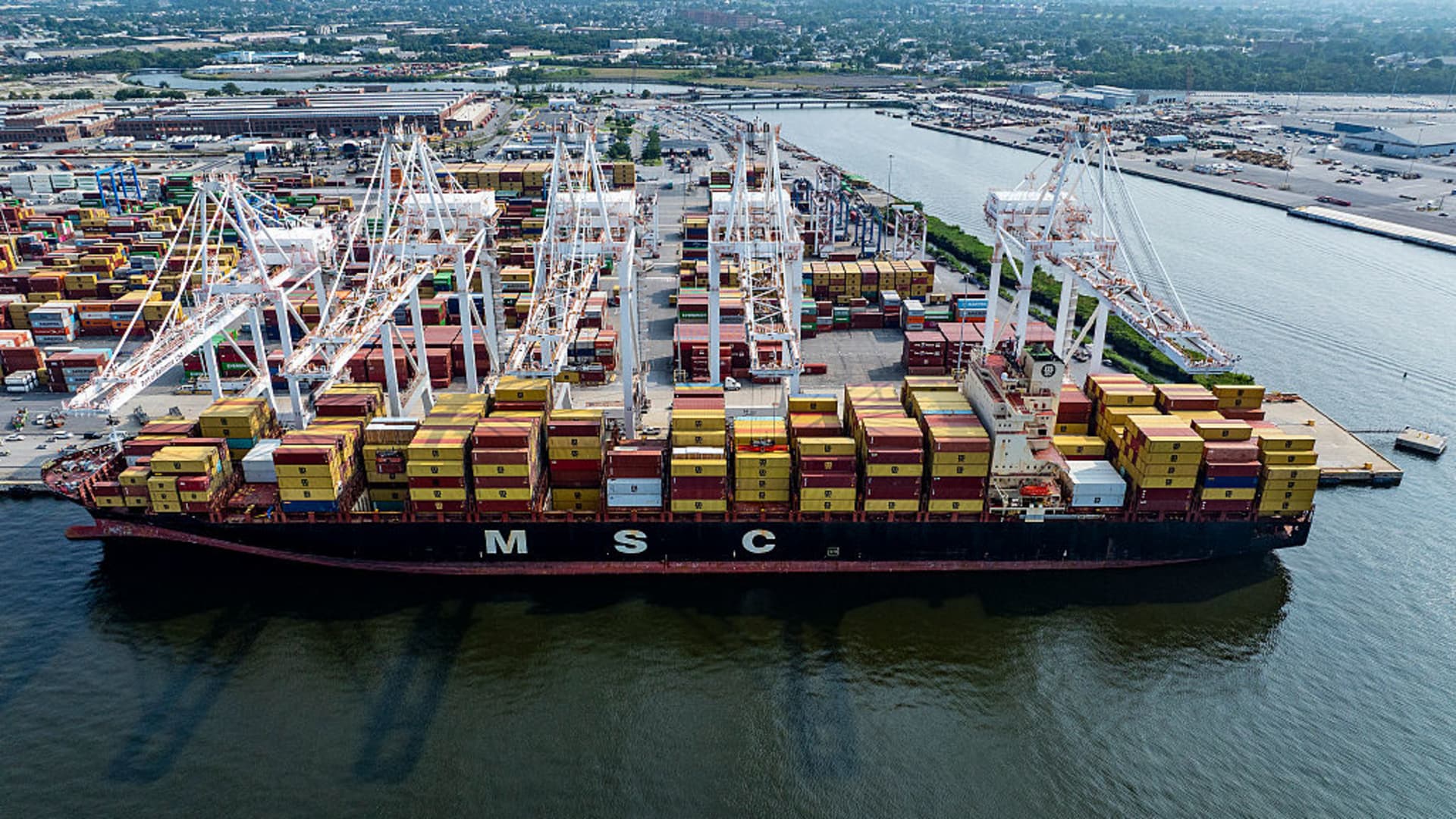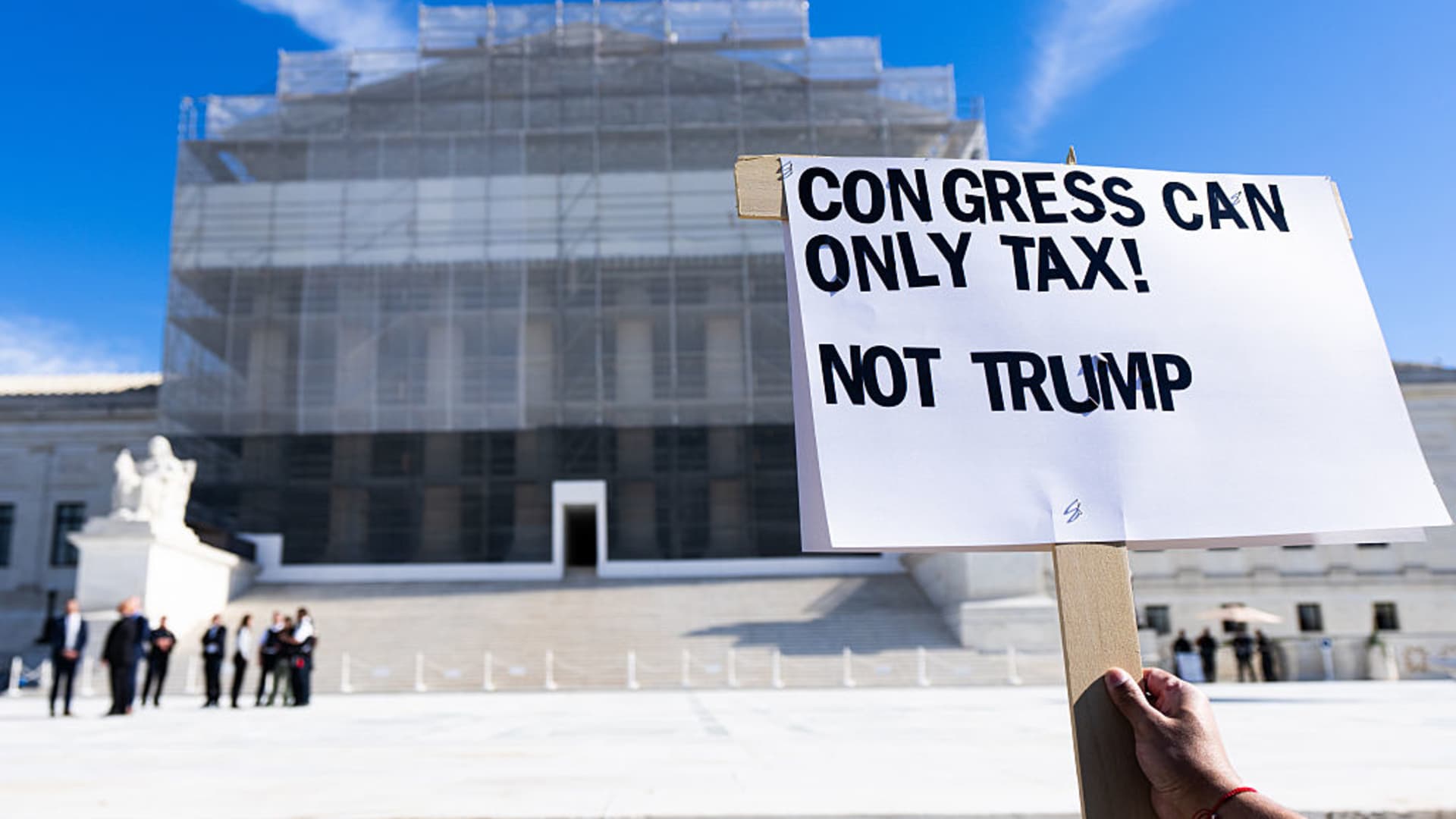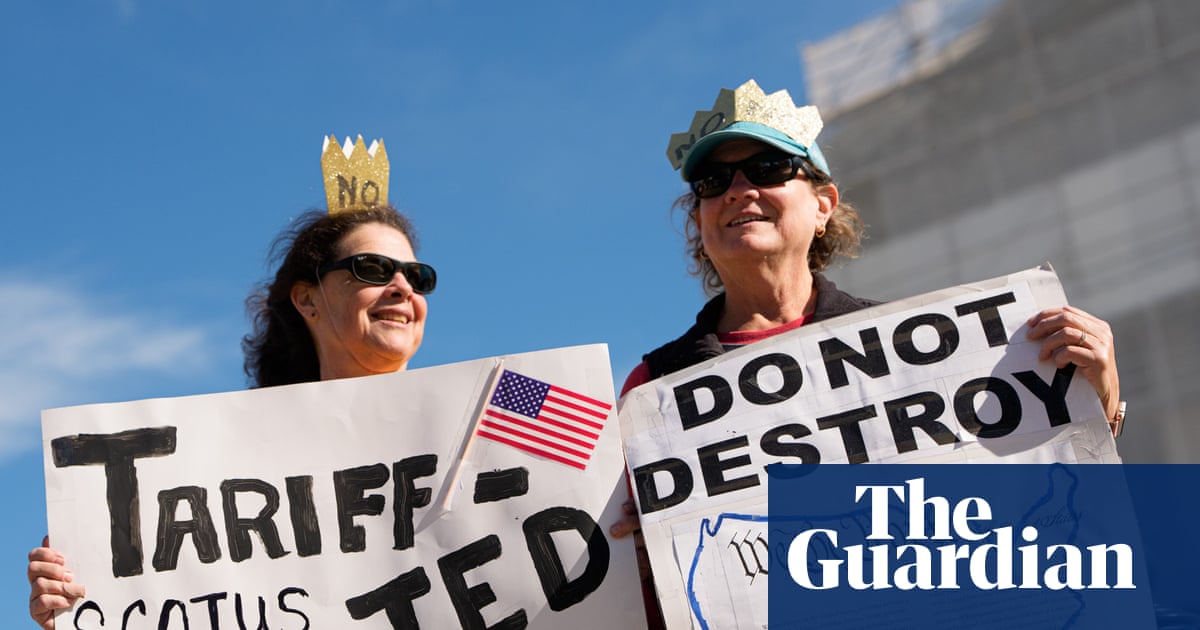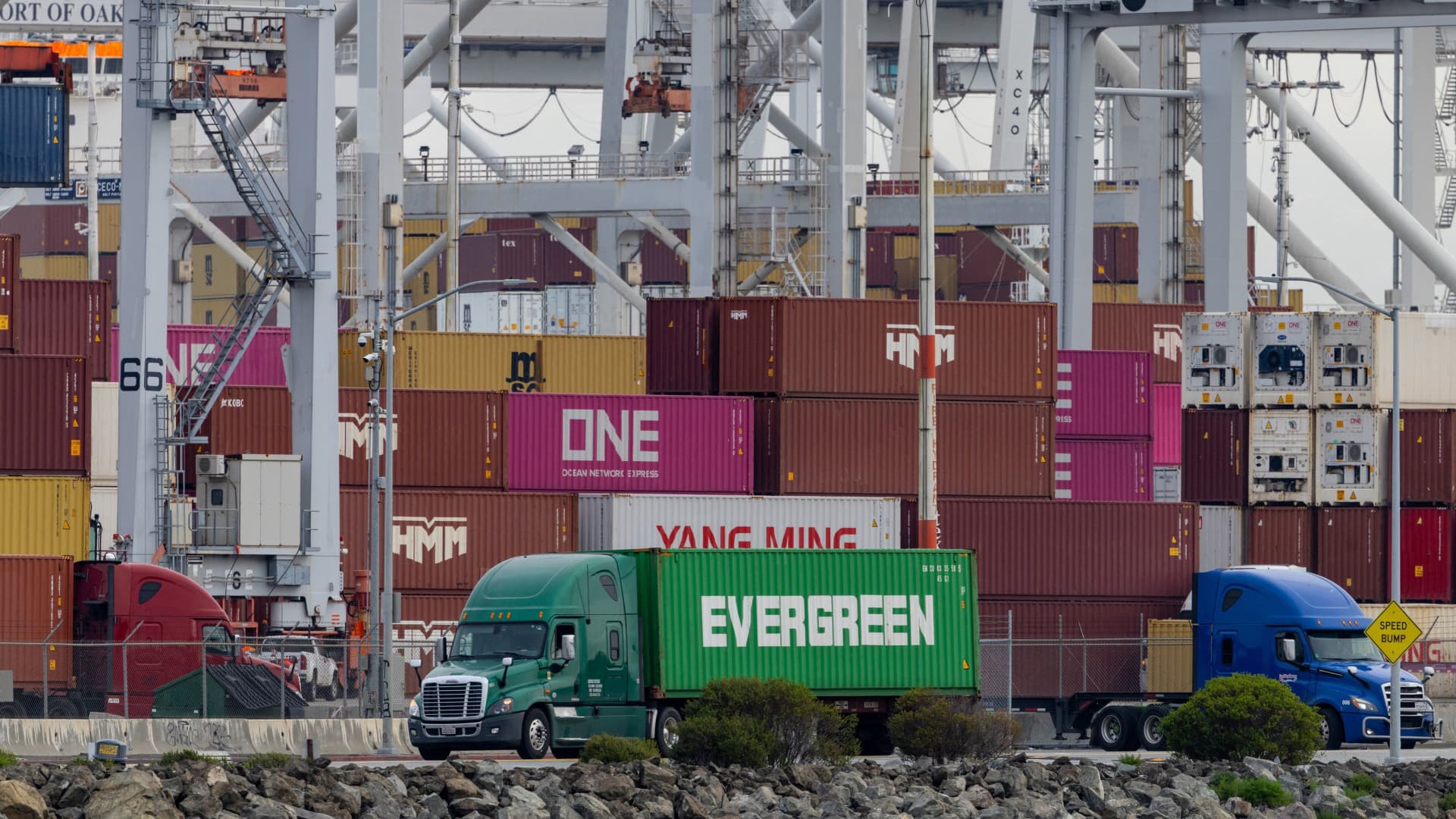
The Supreme Court struck down U.S. President Donald Trump’s tariffs on Friday, but the trade tax turmoil is far from over. Fallout over the ruling is already threatening to further strain global trade relations, and the U.S. economy is likely to suffer, economists told CNBC.
In 6-3 decision, the high court ruled that President Trump did not have the legal authority to implement his sweeping tariffs imposed last April under the International Emergency Economic Powers Act (IEEPA).
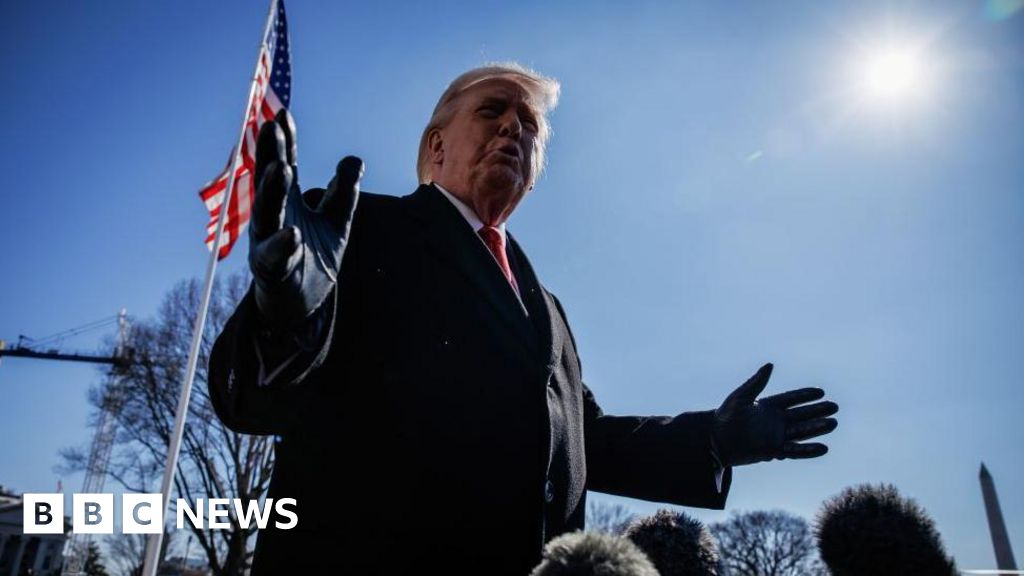
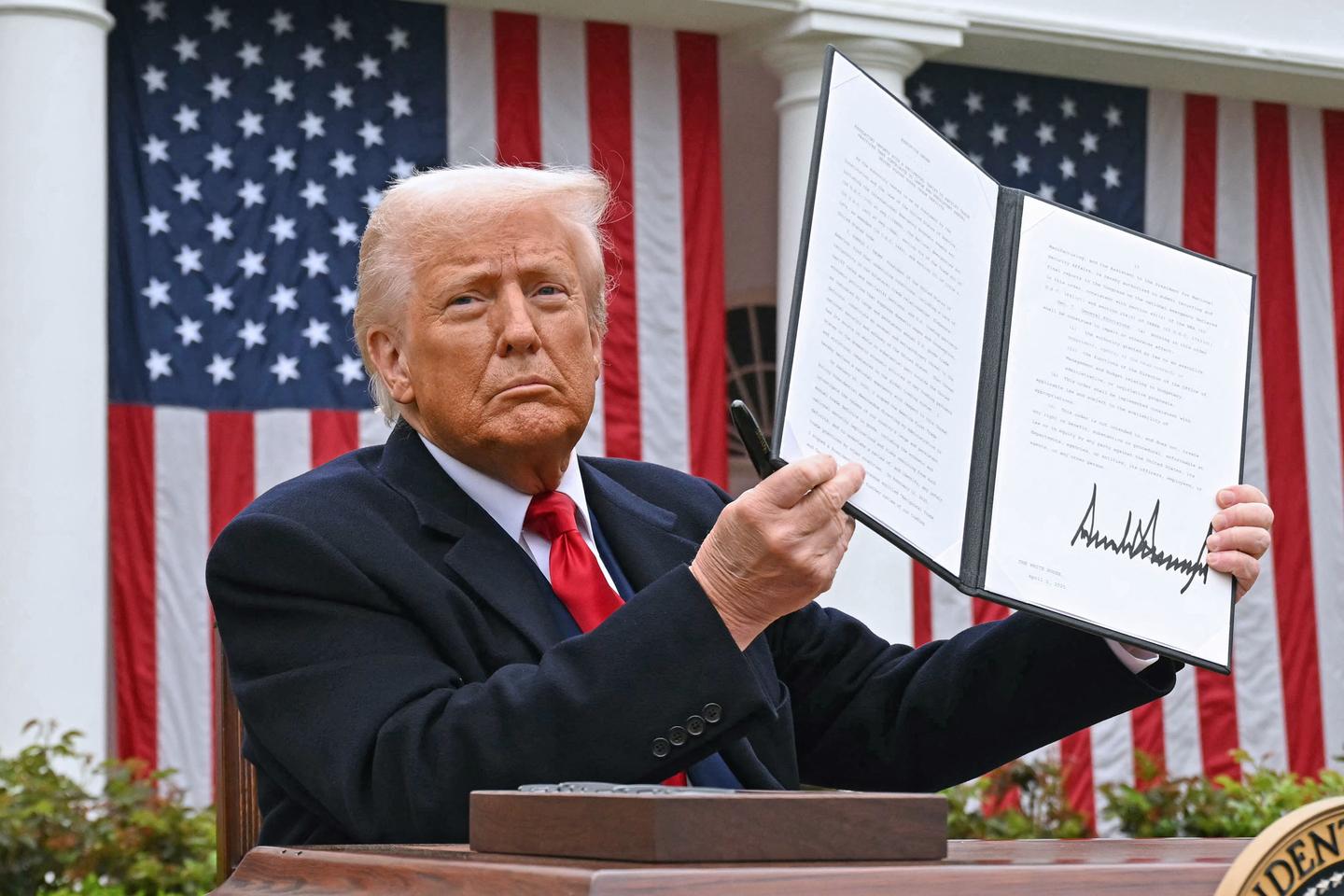
Trump later leveled new tariffs up to 15% effective immediately on an array of U.S. trading partners, further escalating global trade tensions. European Union leaders expressed dismay over the new tariffs, arguing that the U.S. policy shift would upend trade deals already reached with with the EU as well as the U.K. last year. On Monday, the EU again postponed a key vote on its deal with the U.S.
The pushback against the latest U.S. tariff threat underscores deep frustration over the president’s erratic trade policies, and could push foreign governments to scale back U.S. trade and lead businesses to curb expansion, investment and hiring.
The result might hobble the U.S. economy. “It shifts how trade is done with the largest economy in the world, and that has economic consequences,” Mike Reid, head of U.S. economics at Royal Bank of Canada told CNBC, referring to the Supreme Court ruling and new tariff push.