O
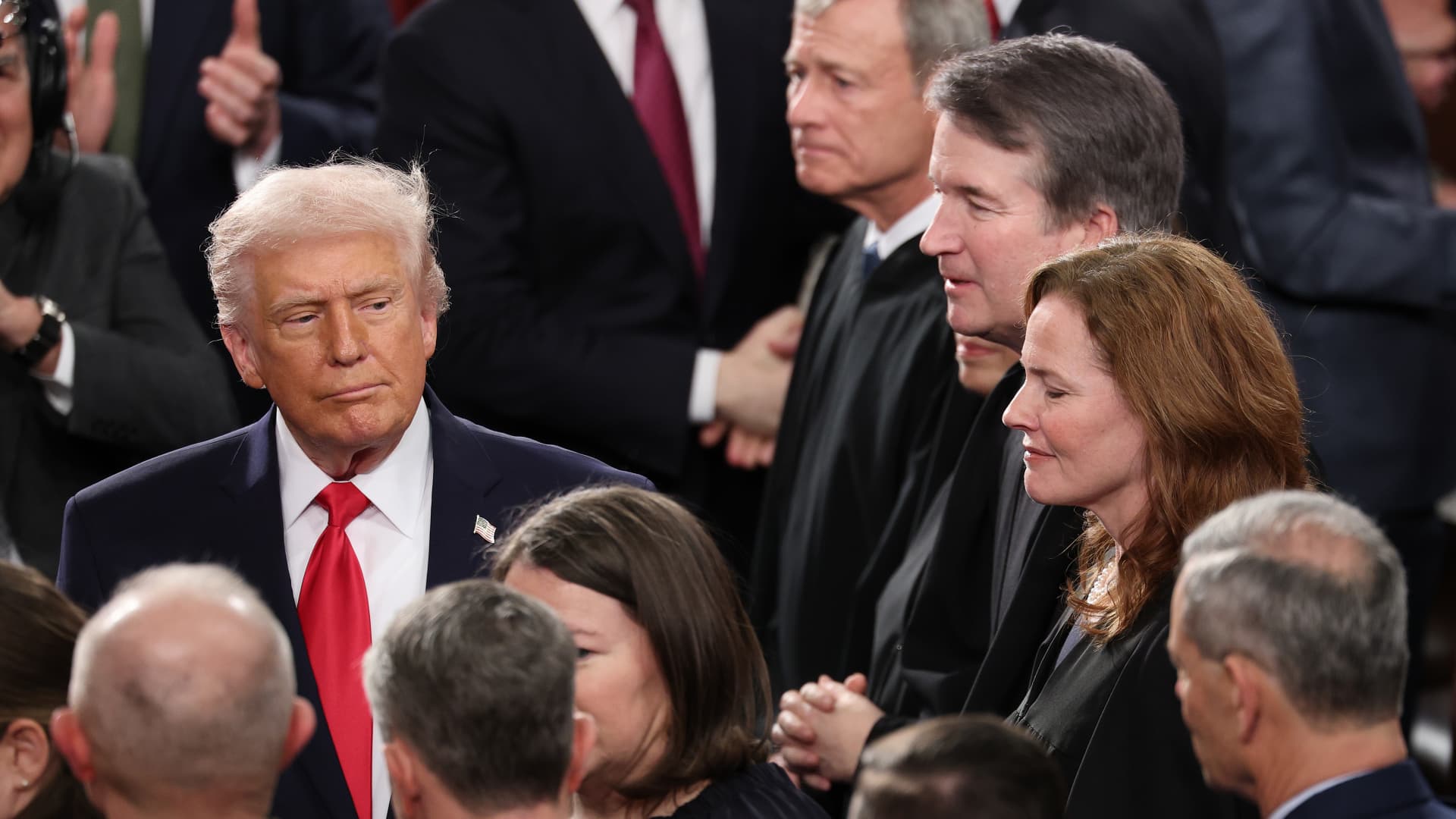
n February 20, the US Supreme Court handed down a decision that marked more than just a legal twist in an already eventful trade saga: It signaled a shift in the rules. US trade policy has entered an era of legal risk, in which the value of trade weapons depends not only on their scope, but also on their procedural soundness, expected duration and the likelihood that a judge could suspend them or that major repayments could make them politically toxic.
Commentators have rightly emphasized this constitutional reminder: Taxes are the prerogative of Congress and an "emergency" cannot serve as a blank check for the government. Yet the ruling's international impact lies elsewhere: In the credibility of US threats and in the normalization of litigation as a means of governing trade.
Subscribers only
Tariffs: 'Donald Trump has just learned the hard way: In the United States, the law is king'