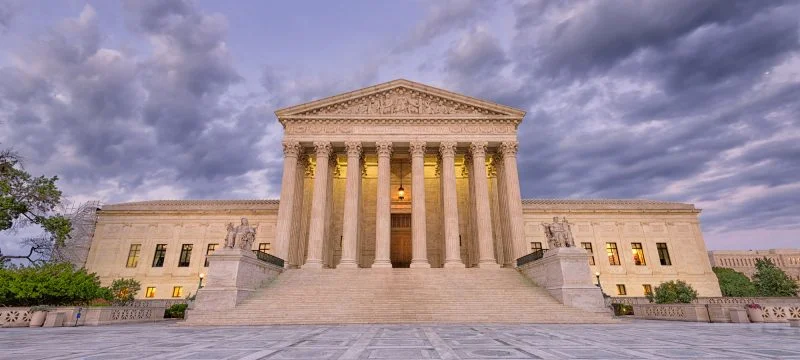
The Supreme Court handed the Trump administration a significant legal defeat on February 20, 2026, ruling 6-3 that the International Emergency Economic Powers Act does not give the president authority to impose tariffs. By the next morning, the White House was already looking for workarounds.
The case, Learning Resources, Inc. v. Trump, originated from challenges to Trump’s sweeping second-term tariff expansions, which had been argued before the court on November 5, 2025. Chief Justice John Roberts authored the majority opinion, and the ruling invalidated broad import duties covering goods from Canada, Mexico, China, and most other trading partners.
The pivot: new authority, same tariffs
Rather than accept the ruling as a full stop, the Trump administration announced temporary across-the-board tariffs under Section 122 of the Trade Act of 1974, effective almost immediately after the decision came down.
Section 122 is a balance-of-payments provision. In plain terms, it lets the president impose emergency tariffs when the country is running a significant trade deficit, which gives the administration a statutory hook that the court’s IEEPA ruling cannot directly touch.