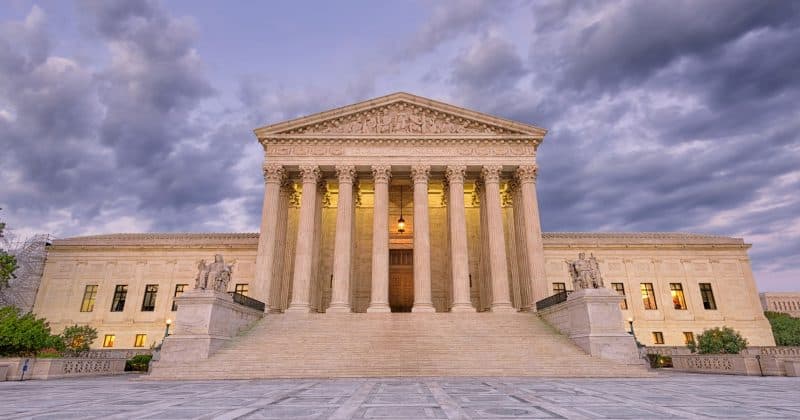
The Supreme Court just redrew the map on who gets to set tariffs in the United States.
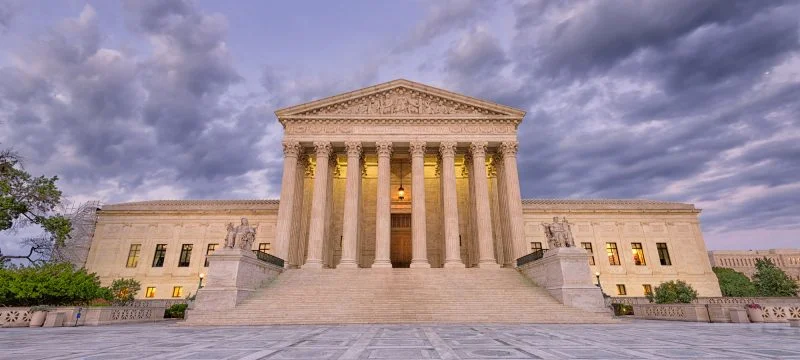
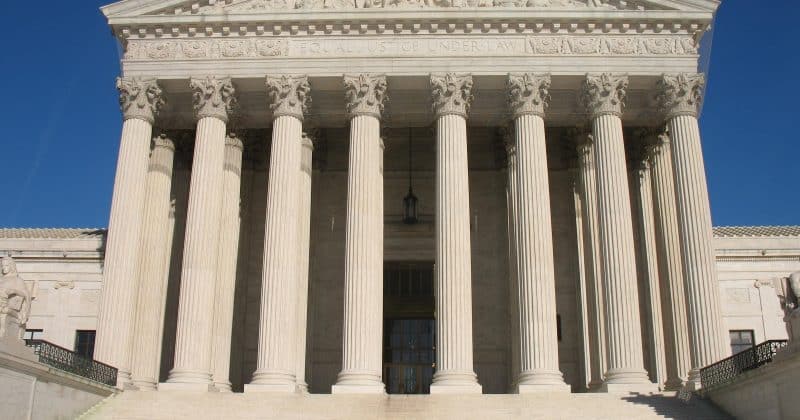
In a 6-3 decision handed down on February 20, 2026, the Court ruled in Learning Resources, Inc. v. Trump that tariffs imposed under the International Emergency Economic Powers Act (IEEPA) were unconstitutional. The core reasoning: tariff authority belongs to Congress, not to the executive branch operating under vaguely defined emergency powers. The ruling effectively neutered one of the administration’s most aggressive trade tools and handed the baton to the Office of the US Trade Representative, led by Ambassador Jamieson Greer.
What actually changed
The president didn’t lose all tariff power. He lost the ability to use IEEPA as a blank check for trade policy.
In its place, the USTR is now running the show through Section 301 of the Trade Act of 1974, a more traditional and legally grounded mechanism for investigating and responding to unfair trade practices. Ambassador Greer has already initiated multiple Section 301 probes involving over 15 countries and the European Union, with investigations centered on forced labor and other trade violations.