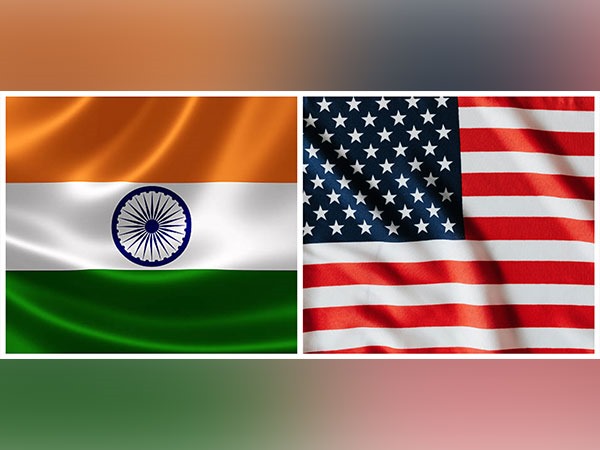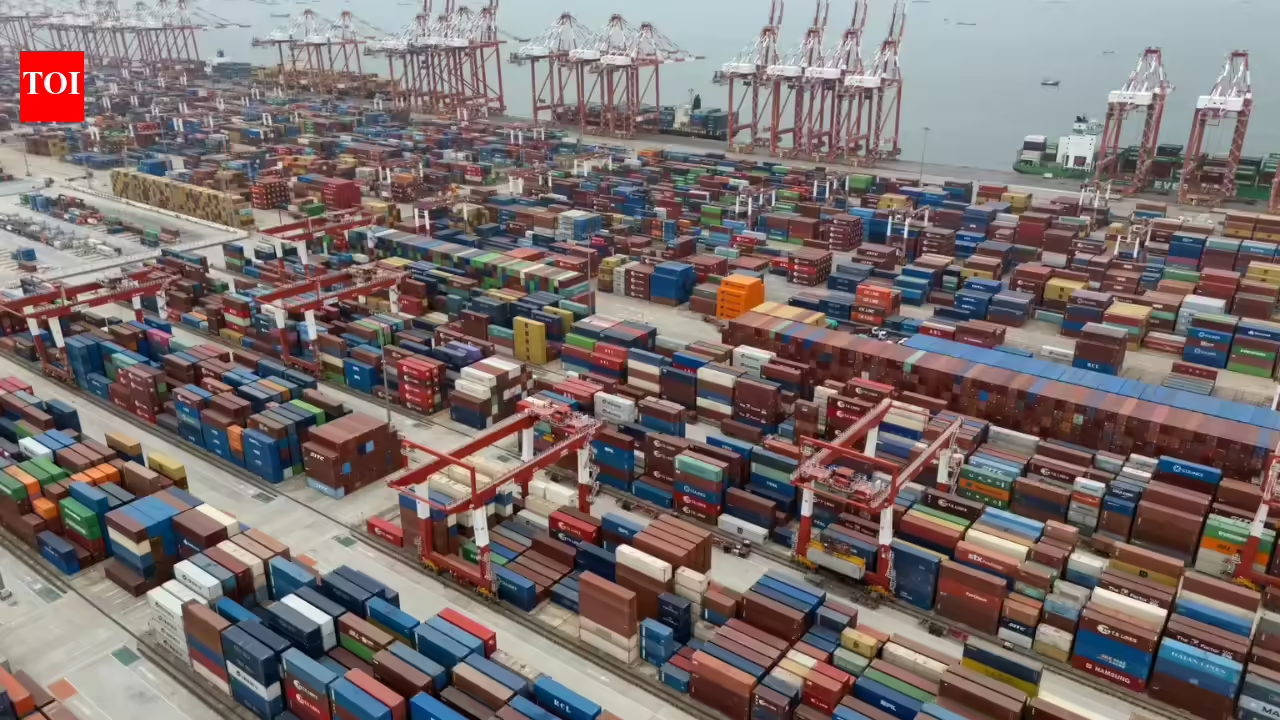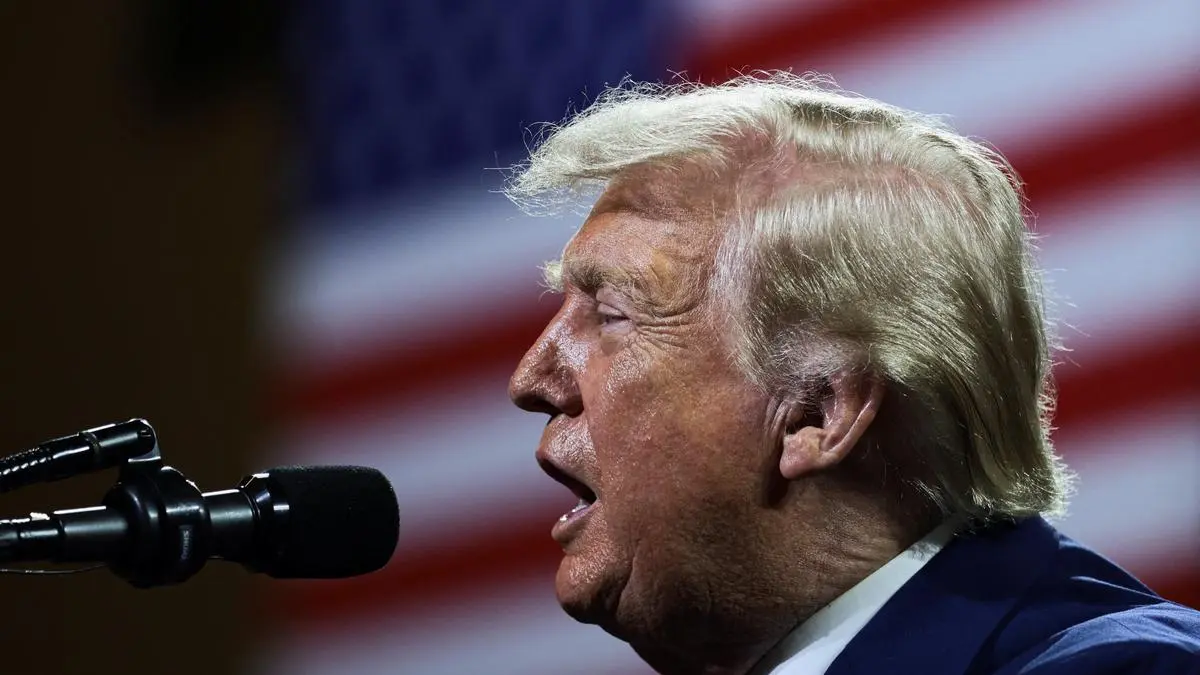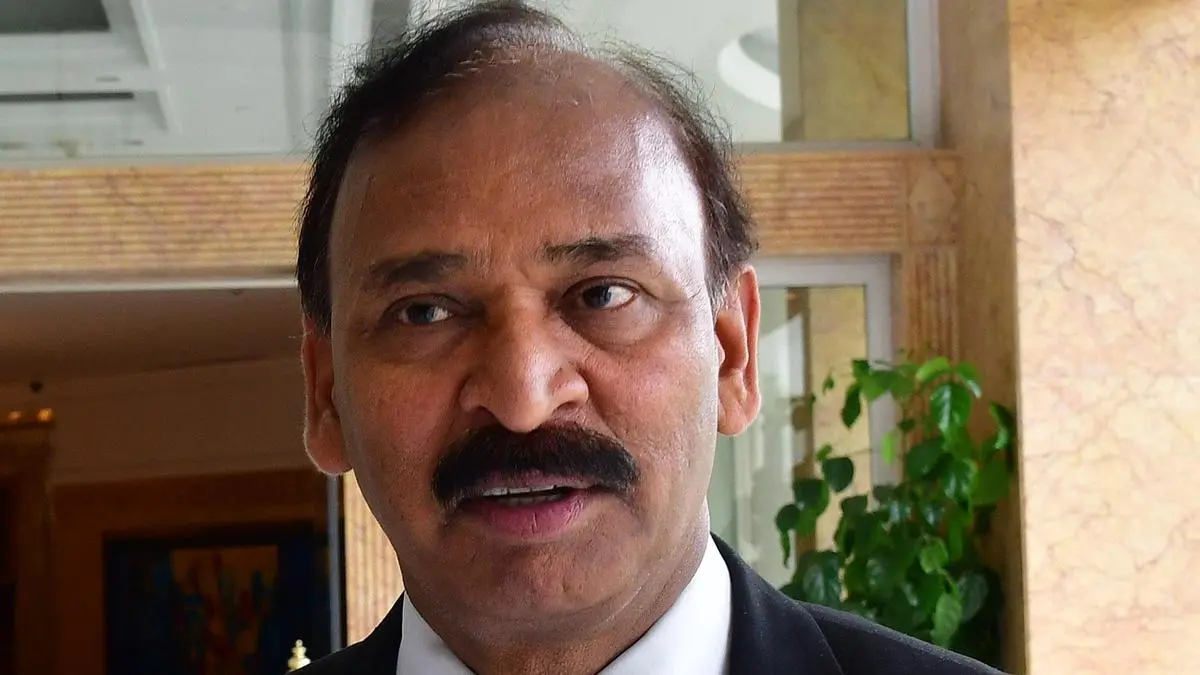
India’s exporters may face a higher cost burden from the additional 10% Section 301 tariff imposed by the US, but the move could also create opportunities for Indian suppliers as several competing countries face a higher duty, the Federation of Indian Export Organisations (FIEO) said on Friday.FIEO President S C Ralhan said the impact of the tariff should not be assessed only through the headline rate, but in comparison with the duty treatment faced by competing exporting nations.Also Read: US imposes 10% tariff on India, Pak, Bangladesh, UK, others in forced labour probe"The fact that India has been placed in the lower 10% tariff category, while several competing exporting nations including China, Vietnam, Thailand, Türkiye, UAE, Brazil, South Africa and others face a higher tariff of 12.5%, reflects the recognition by the US of the policy measures taken by the Government of India to strengthen its framework relating to forced labour. This has helped India secure a relatively favourable position compared to many of its global competitors," Ralhan said.According to FIEO, the tariff could increase the landed cost of Indian goods in the US market, but India’s exporters in labour-intensive sectors such as textiles, garments, leather and footwear will continue to remain competitive as several rival suppliers, including Bangladesh, Cambodia, Pakistan, Sri Lanka, Indonesia and Malaysia, are also subject to the same 10% tariff.The exporters’ body said Indian companies could also benefit from possible trade diversion in segments where competing countries face the higher 12.5% tariff."More importantly, Indian exporters could benefit from trade diversion in several product segments where competing countries are subject to the higher 12.5% tariff. Even a differential of 2.5% can influence sourcing decisions in highly competitive markets, particularly where Indian exporters are able to offer quality products, reliable deliveries and stable supply chains," Ralhan added.Also Read: Donald Trump finds a new way to impose tariffs but Asia isn't buying the reasonFIEO said the US tariff measure is not a finding against Indian exporters or Indian products, but part of a wider country-level policy covering several economies.It added that several key product categories, including steel, aluminium, auto components, pharmaceuticals, pharmaceutical ingredients and certain agricultural products already covered under Section 232 measures, continue to have exclusions, reducing the impact on some export sectors.Ralhan said the government’s policy measures and engagement with the US helped India secure a relatively favourable tariff position compared with many trading partners."The Government's timely policy interventions and continuous engagement with the United States have helped India secure a relatively competitive tariff position vis-à-vis many of its key trading rivals. Going forward, sustained bilateral dialogue will be equally important to secure wider product exclusions, seek treatment comparable with other partner countries, pursue India's inclusion in any textile tariff-rate quota mechanism and work towards an early review of the tariff," he said.FIEO advised exporters to evaluate the impact of the tariff on a product-by-product basis by considering applicable US duties, available exclusions and the tariff treatment of competing suppliers.The organisation also urged exporters to focus on supply-chain compliance, productivity improvements, quality, innovation and value addition to strengthen their position in the US market."Indian exporters have repeatedly demonstrated resilience in overcoming global disruptions. While the new tariff presents challenges, it also offers opportunities for India to expand its presence in sectors where competing countries now face relatively higher duties. With proactive industry response and continued Government support, Indian exports remain well positioned to sustain their growth in the US market," Ralhan added.
Trump’s 10% tariff blow that could work in India’s favour
The US Section 301 tariff has escalated cost challenges for Indian exporters, but it simultaneously provides a unique advantage. Competing nations are subjected to higher tariffs, allowing Indian goods to be more attractive. This favorable situation highlights the US's recognition of India's efforts against forced labor. By leveraging government assistance and adopting proactive measures, Indian exporters can capitalize on trade shifts and continue their growth trajectory.
575 words~3 min read