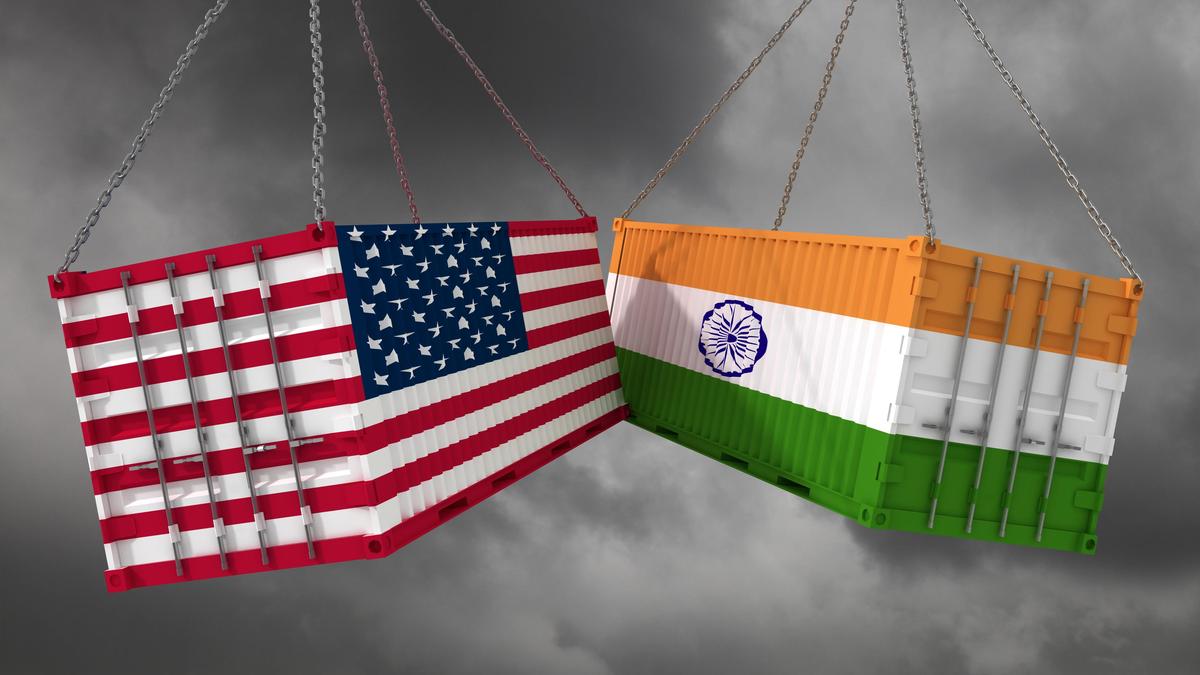
Trade experts cautioned that while the lower tariff band is a positive outcome, New Delhi must ensure that any bilateral trade agreement
| Photo Credit:
alexsl
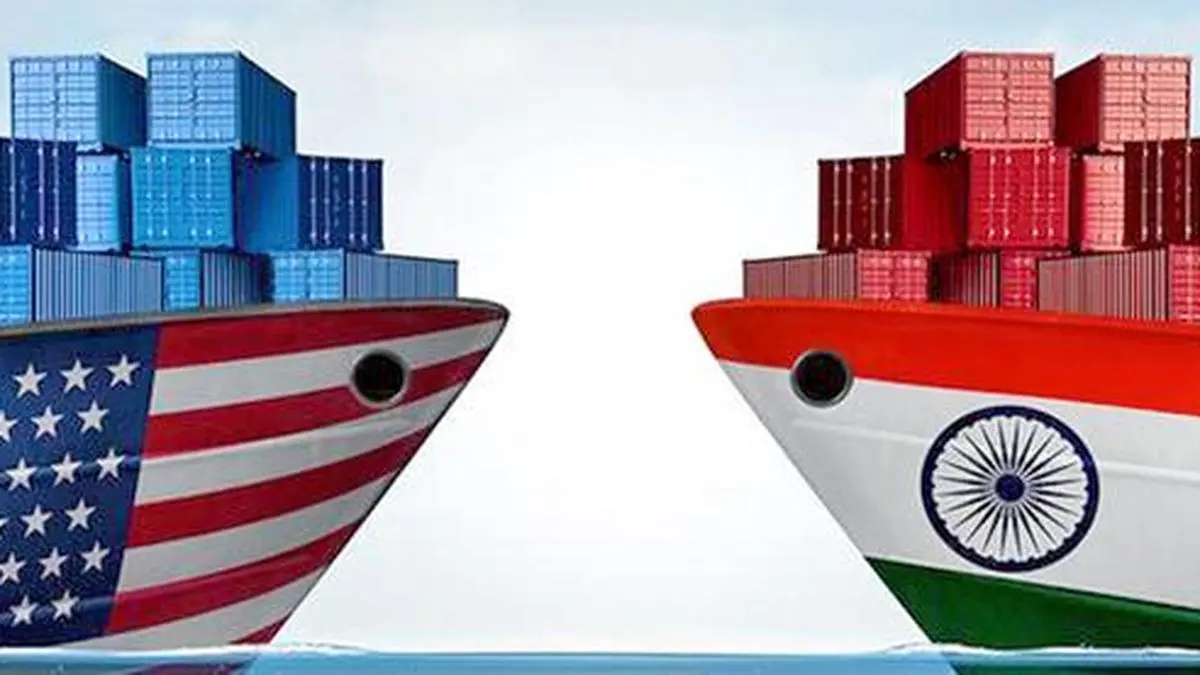
India has secured a lower 10 per cent US tariff under Washington’s new Section 301 forced-labour regime, placing it on par with Bangladesh, Sri Lanka, Indonesia, Malaysia and Pakistan after New Delhi tightened its import rules to prohibit goods made with forced labour. The tariffs India is facing are simultaneously below the 12.5 per cent rate that will apply to economies including Vietnam, Thailand, China and Turkey.Trade experts cautioned that while the lower tariff band is a positive outcome, New Delhi must ensure that any bilateral trade agreement (BTA) with the US also addresses unresolved issues such as the proposed US tariffs on pharmaceuticals, threatened penalties linked to purchases of Russian oil, and a separate ongoing Section 301 investigation into excess industrial capacity.Cautious stanceThe MEA adopted a cautious stance on the US announcement made on Thursday (early Friday morning in India). “We have noted the announcement. This was a Section 301 enforcement action initiated after a US SC ruling on the tariff issue, which came in February. We have made our position clear on this subject. Our talks with the US on BTA continue with a view to concluding it at an early date,” MEA spokesperson Randhir Jaiswal said.For most Indian exporters, the overall tariff burden will remain largely unchanged as the new Section 301 levy replaces the temporary 10 per cent global tariff imposed under Section 122, which expired on July 24.“Indian exporters largely retain their relative competitiveness, as competing suppliers will face a similar duty incidence in the US market. They could benefit from trade diversion where competing countries are subject to the higher 12.5 per cent tariff,” said SC Ralhan, President, FIEO.India had initially been placed in the 12.5 per cent tariff bracket when the US proposed the Section 301 tariffs on June 3. Washington revised its assessment after New Delhi amended its foreign trade policy on July 14 to ban imports of goods produced using forced labour.However, India may still face a disadvantage in textiles. Bangladesh, Indonesia, Cambodia and Malaysia will receive tariff-rate quota (TRQ) exemptions, to be introduced “when feasible”, for specified textile and apparel shipments made from US-origin cotton and fibre. Industry hopes the proposed India-US BTA will offset this disadvantage.Biswajit Dhar, former professor at JNU, said India should not lower its guard. “Washington is still considering separate tariffs on pharmaceutical imports, while the bipartisan US Senate Bill proposing 100 per cent tariffs on countries importing large volumes of Russian oil also poses risks. The Section 301 investigation into excess industrial capacity is also yet to conclude. India must ensure these issues are resolved before signing a BTA,” he said.The US has also extended preferential treatment to some trading partners. Imports from the EU and Taiwan will face a combined MFN and Section 301 tariff of no more than 10 per cent, while those from Japan, South Korea and Switzerland will face a maximum combined duty of 12.5 per cent.Published on July 24, 2026