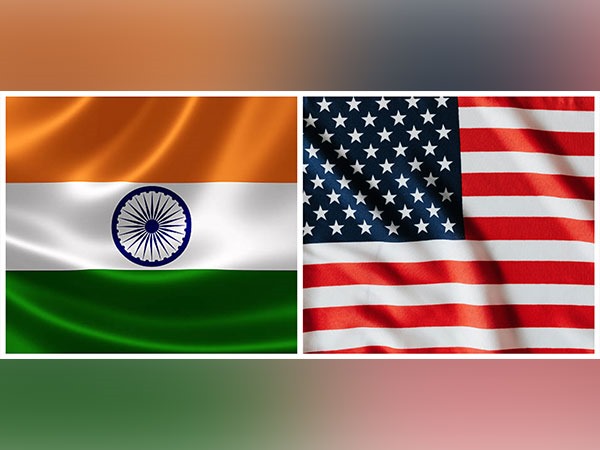
India has secured a lower 10 per cent US tariff under Washington’s new Section 301 forced-labour regime, placing it on par with competitors such as Bangladesh, Sri Lanka, Indonesia, Malaysia and Pakistan and below the 12.5 per cent rate that will apply on some other economies, including Vietnam, after New Delhi tightened its import rules to prohibit goods made with forced labour.For most Indian exporters the overall tariff burden will remain broadly unchanged as the new forced labour levy, applicable on 60 trading partners, replaces the temporary 10 per cent global tariff imposed under Section 122, which expires on July 24. Most Indian exports will thus continue to face an additional 10 per cent duty over and above the applicable MFN tariff (the normal US customs duties).However, despite being placed in the lower tariff band of 10 per cent, India may be placed at a disadvantage vis-a-vis some competing textile exporters in the US market. Bangladesh, Indonesia, Cambodia and Malaysia are set to enjoy tariff-rate quota (TRQ) exemptions, to be established “when feasible”, for specified shipments of textiles and apparel made from US-origin cotton and fibre, according to the US Trade Representative’s office. Indian exports do not qualify for the relief.Announcing the final results of the investigation on Thursday, US Trade Representative Jamieson Greer said the new Section 301 tariffs would take effect from July 24, replacing the temporary global tariff imposed under Section 122 that expired the same day.“Today’s action will begin to correct what is both a human rights abuse and distortive trade practice to improve the welfare of workers everywhere. I am encouraged by the trading partners who have moved quickly to adopt forced labor import prohibitions, and look forward to ensuring their effective enforcement,” Greer said.The US has also provided preferential treatment to a handful of trading partners by capping the new Section 301 tariffs over existing MFN duties. For products from the EU and Taiwan, the combined MFN and Section 301 tariff will not exceed 10 per cent, while imports from Japan, South Korea and Switzerland will face a maximum combined duty of 12.5 per cent. If the existing MFN tariff is already at or above these thresholds, no additional Section 301 duty will be imposed. The USTR said the arrangement is consistent with reciprocal trade agreements and is intended to encourage these economies to fulfil commitments on prohibiting imports made with forced labour.The 10 per cent US tariff on Indian exports under the forced-labour investigation lacks a credible factual basis, noted Ajay Srivastava from research body GTRI. “The United States has not produced evidence that India imports goods made with forced labour…The tariff therefore appears to serve primarily as a mechanism to preserve the Trump administration’s tariff wall after the expiry of the temporary Section 122 tariffs, rather than as a targeted response to a proven forced-labour problem involving India,” he said.India’s tariff was reduced from the 12.5 per cent proposed in the draft determination after it amended its Foreign Trade Policy on June 14 to prohibit imports of goods produced using forced or compulsory labour. The USTR cited the policy change as a significant improvement in its final determination.The new tariff structure means that about 70 per cent of India’s exports to the US—including engineering goods, textiles and garments, chemicals, machinery, plastics, leather products, gems and jewellery, furniture and most other manufactured goods—will now attract the normal US most-favoured-nation (MFN) tariff plus an additional 10 per cent Section 301 duty, the GTRI analysis noted.Products already covered under Section 232—including steel, aluminium, copper, auto components and certain derivative products, accounting for around 8 per cent of India’s exports to the US—will continue to face tariffs of 25 per cent or 50 per cent in addition to the applicable MFN duty. A limited set of exempt products will continue to pay only the standard MFN tariff.While India’s lower tariff rate improves its competitive position relative to countries facing the higher 12.5 per cent levy, exporters in the textile sector may continue to face pressure because the US has planned a TRQ exemptions mechanism for specified volumes of textile and apparel exports from Bangladesh, Cambodia, Indonesia and Malaysia that use US-origin cotton and fibre. Those qualifying shipments will be exempt from the new Section 301 duties.Published on July 24, 2026
India secures lower 10% US forced-labour tariff under new Section 301 regime
Tariff burden for most Indian exports unchanged as Section 122 levy ends, but textiles miss proposed US tariff quota relief planned for Bangladesh, Indonesia, Cambodia, Malaysia
714 words~3 min read