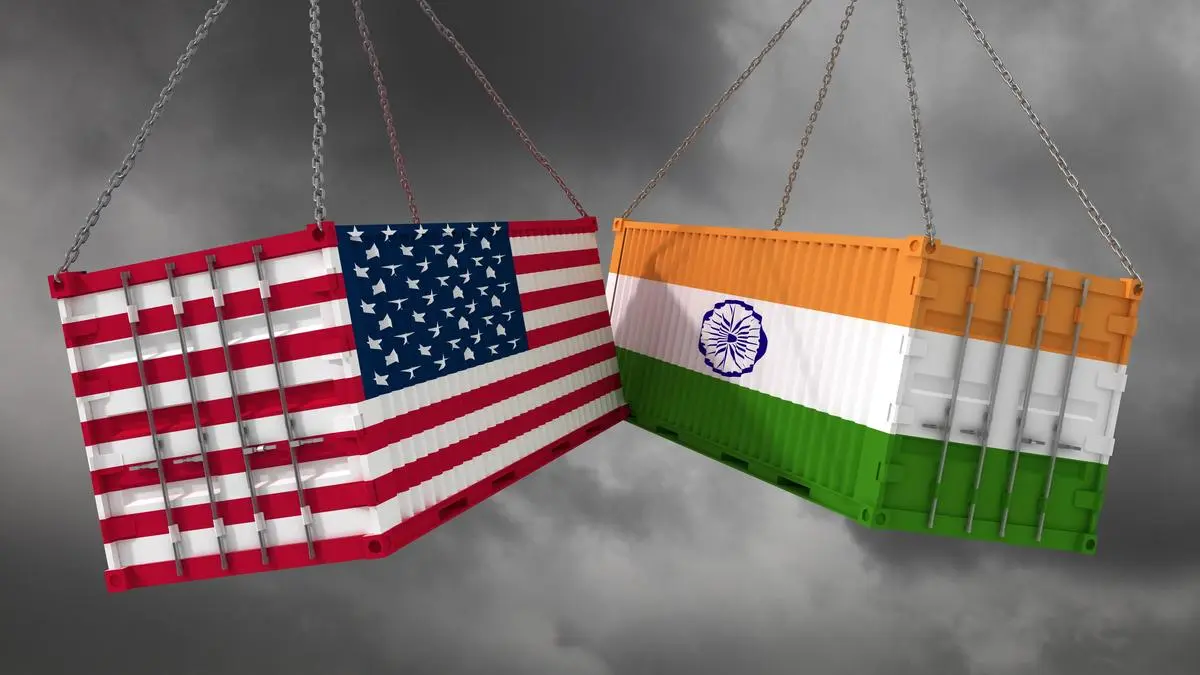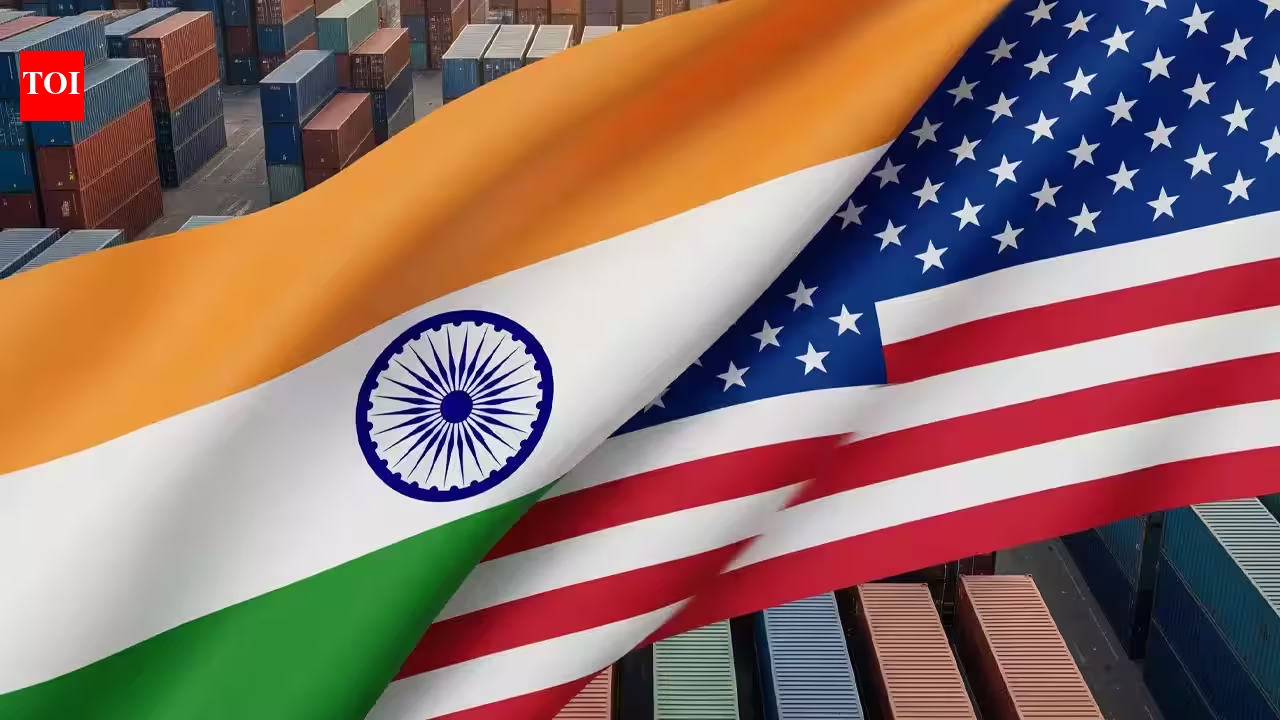
A 10% US tariff sounds like a win for India's textile exporters, but there's a catch.India's textile and apparel sector could still come under pressure in the US market, even though the country has escaped the steeper tariffs imposed on several competing exporters.
Although the country faces a lighter Section 301 tariff than several competing countries, the absence of tariff-rate quota exemptions, granted to rivals such as Bangladesh, Cambodia, Indonesia and Malaysia, could blunt that advantage and weaken India's competitiveness in the US market, according to an Emkay Research report.While India has been placed under a 10% Section 301 tariff, lower than the 12.5% rate applicable to countries including China, Vietnam, Brazil and Thailand, the report said that exporters from Bangladesh, Cambodia, Indonesia and Malaysia have secured TRQ exemptions that Indian exporters have missed out on.The brokerage said these exemptions cover specified quantities of textile and apparel imports manufactured using US-origin cotton and fibre, giving competing countries an advantage despite facing higher headline tariffs."Indian textile and apparel exports have not received tariff-rate quota (TRQ) exemptions under the Section 301 tariffs, which were awarded to the likes of Bangladesh, Cambodia, Indonesia, and Malaysia … Hence, while the tariff burden remains at 10%, there will be a relative loss of competitiveness for Indian textile exporters vs key competitors," Emkay said.Better placed overallEven with the setback for textile exporters, the report said India continues to be among the relative beneficiaries of the revised US tariff framework.It estimated India's effective tariff rate in the US market at around 12%, lower than Bangladesh's estimated 25%, China's 22%, and around 14% each for Vietnam and Indonesia.Emkay said around 55% of India's exports to the US will now face the additional 10% Section 301 tariff.