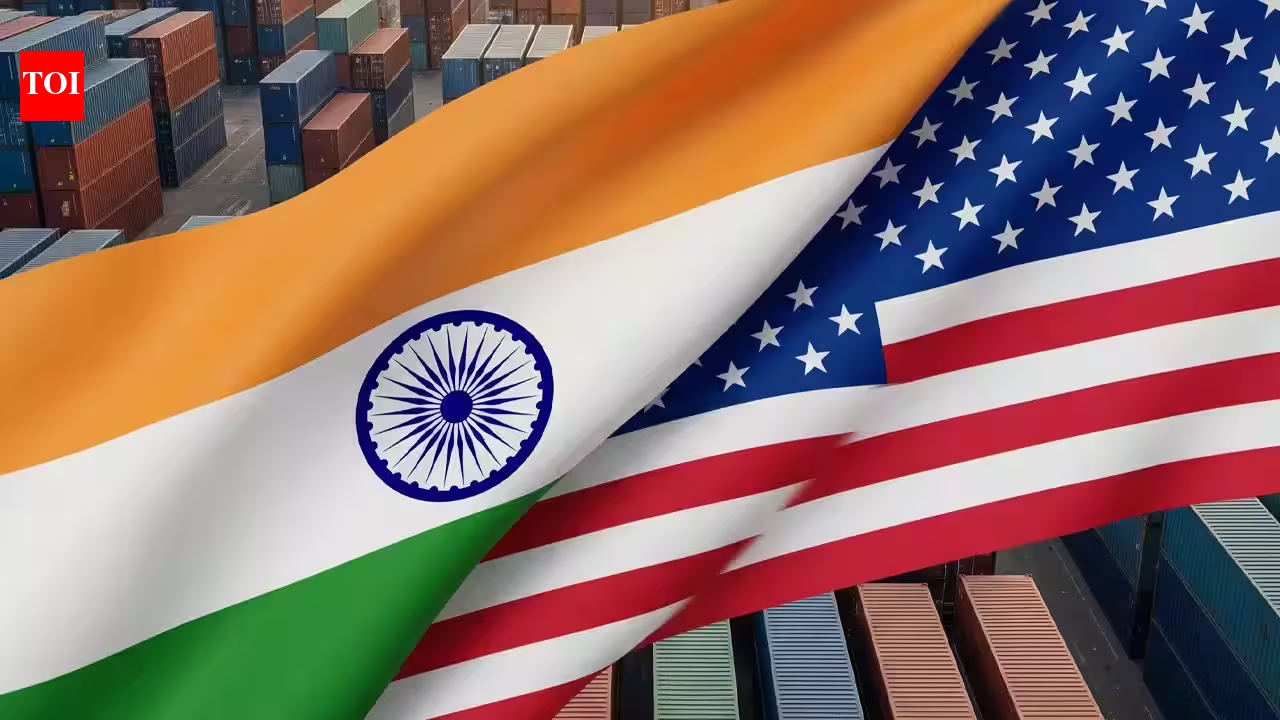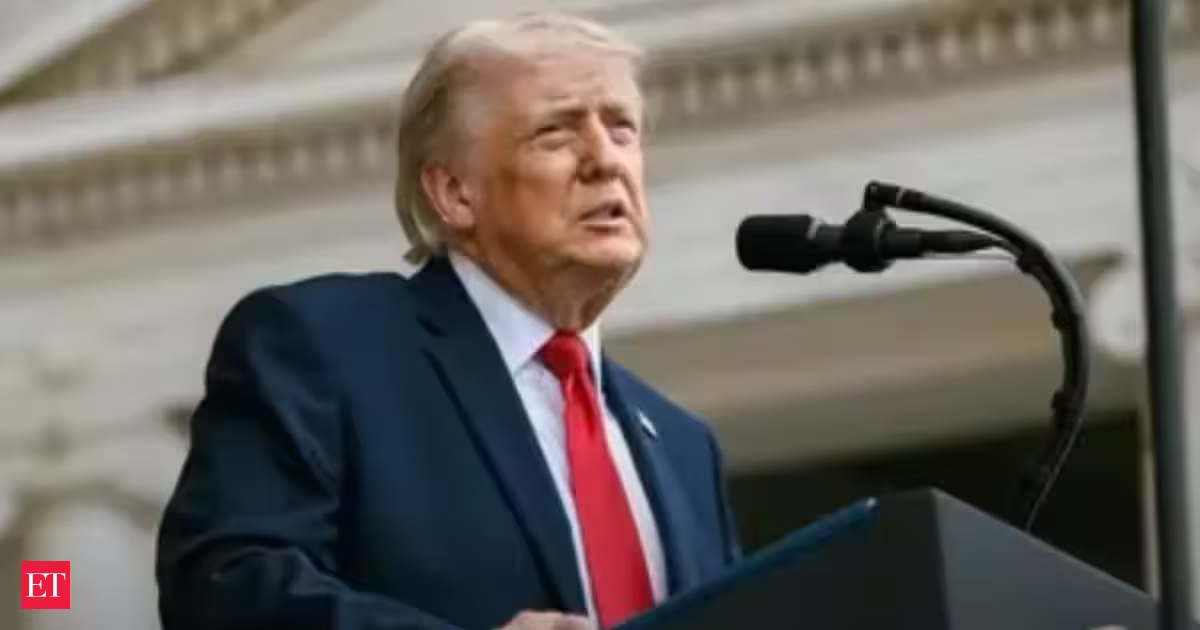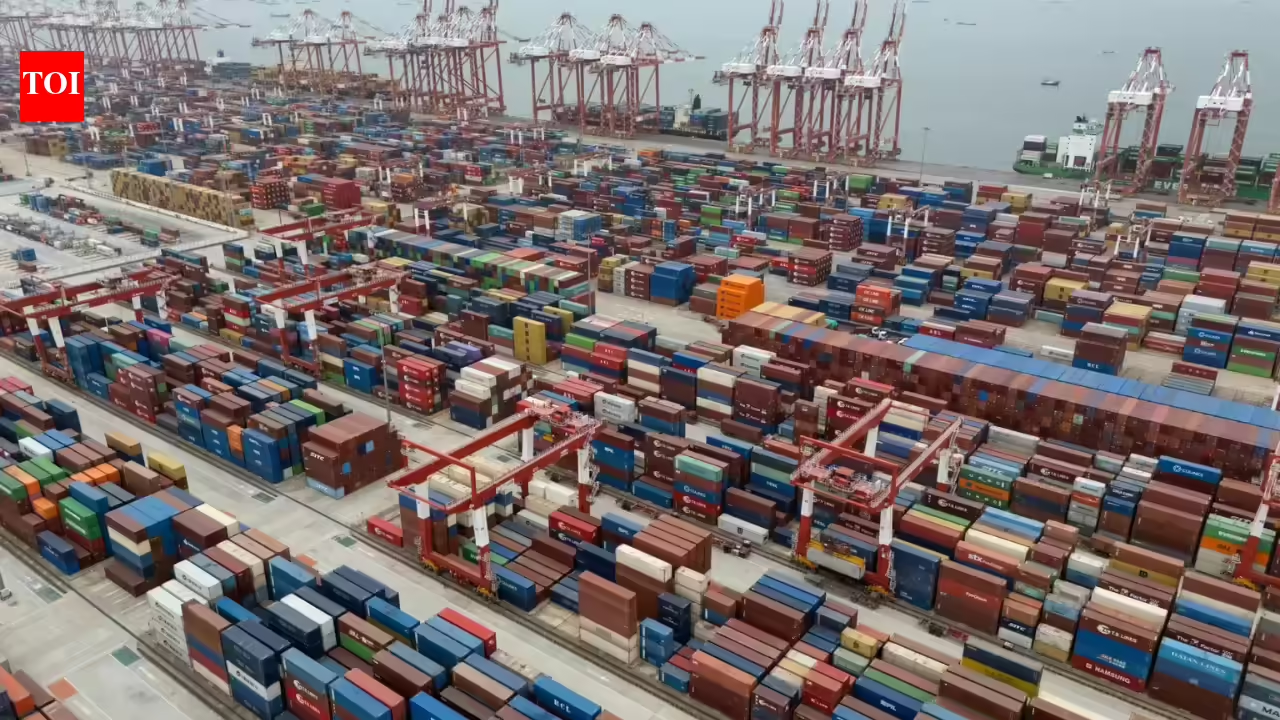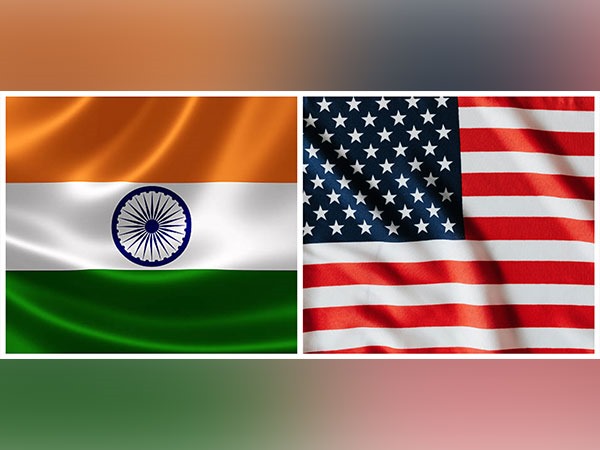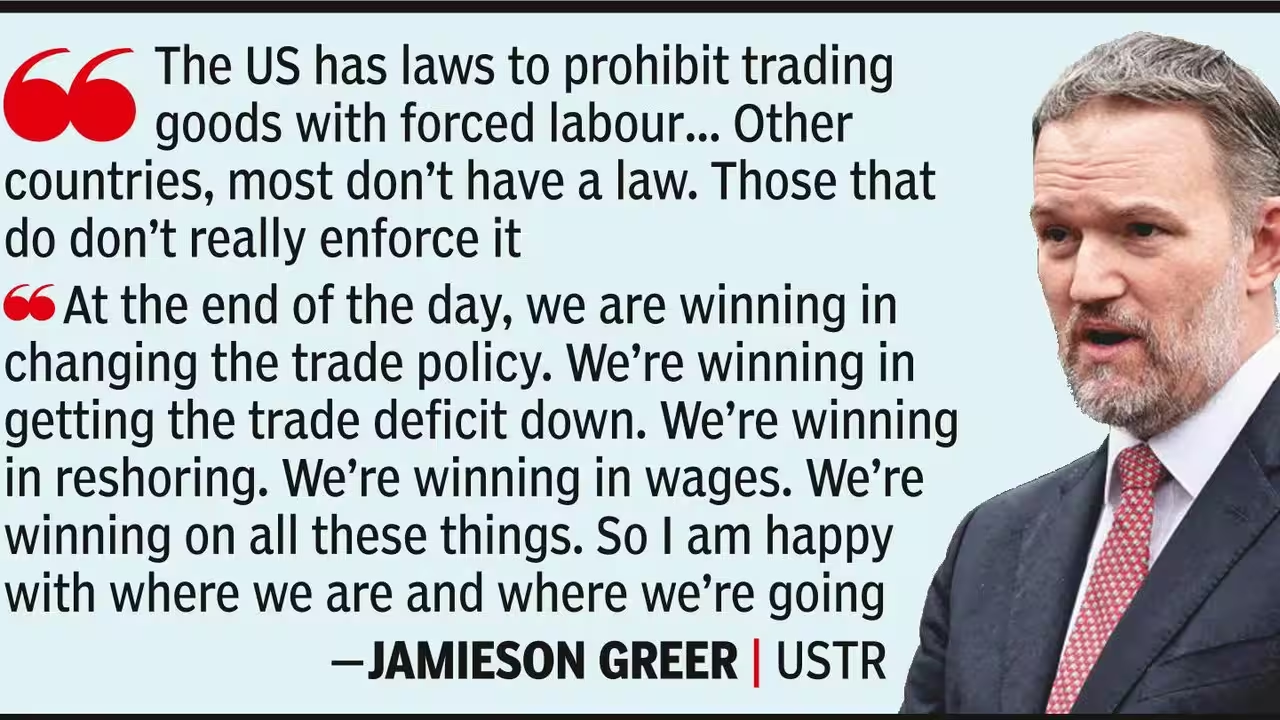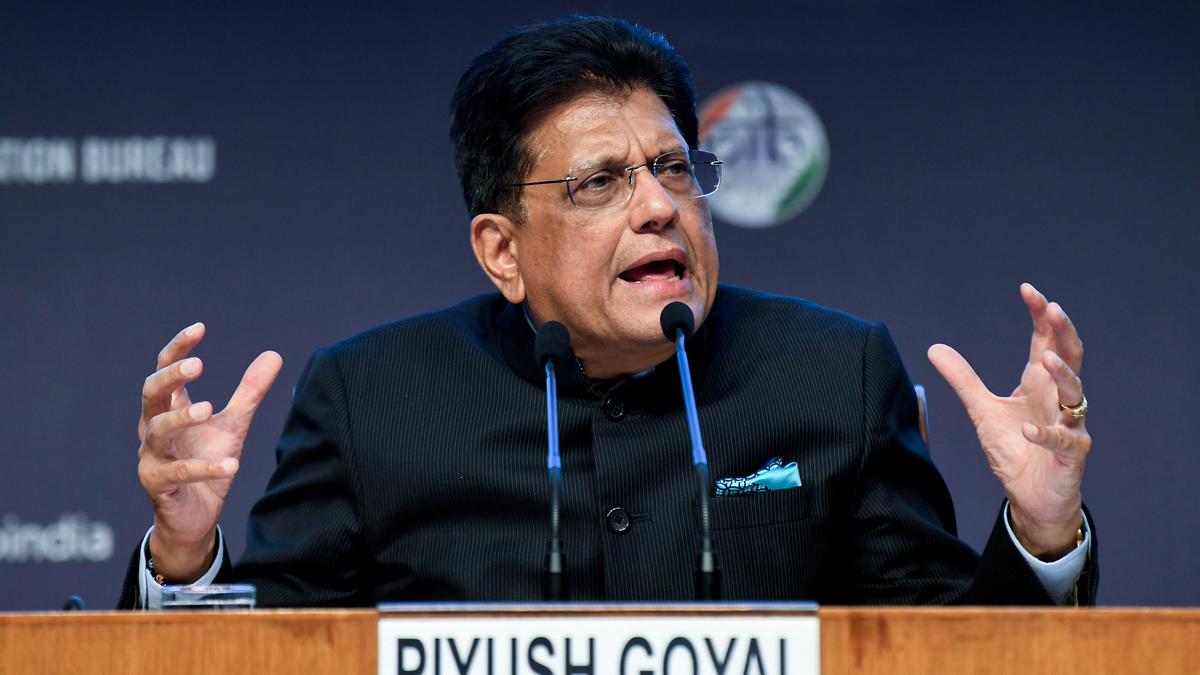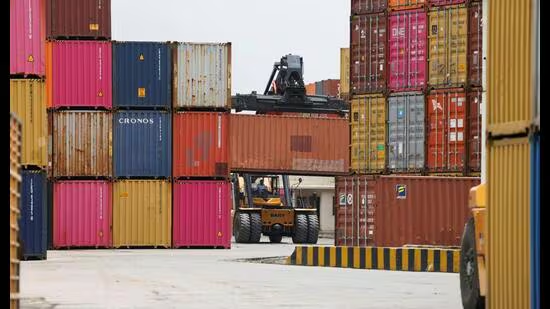
The Trump administration has reimposed tariffs of 10-12.5% on 60 countries. India is included in the list and faces tariffs of 10%. This does not change things for India immediately as it already faced a 10% tariff rate after the US Supreme Court struck down Trump’s Liberation Day and subsequent tariffs in February. An Indo-US trade deal is still in the works and it remains to be seen whether this wins greater relief for India. That India managed to escape the initially proposed 12.5% tariff suggests that negotiators have had some success with their US counterparts. These immediate details, however, offer little reprieve, in dealing with the US on trade matters. The crux of the problem lies in trying to treat a political problem with a judicial/technocratic approach. The judicial setback for Trump’s Liberation Day tariffs was purely procedural, involving nitpicking over whether the executive had overreached in deciding matters that required legislative approval. The Trump administration has enough procedural loopholes to keep imposing new tariffs and continue to play whack-a-mole with the procedural remedy against such policies. Some of Trump’s tariff politics is more intimidating than immediately punishing. This week’s announcement that the US will impose tariffs of up to 200% on generic drugs two years down the line — India is a major exporter of these to the US — comes under this category. Expect this to be used as a bargaining chip in the ongoing Indo-US negotiations.Export diversification away from the US, preferably based on merit rather than distress sale, is key. This will protect exporters in India, many of whom run small businesses, from sudden income shocks. (Reuters)Unless Trump himself decides that tariffs are not an integral or useful part of his Make America Great Again political project, the problem and uncertainty will not go away. Most of the US’s trade partners, India included, have little agency in shaping this view, but they must still engage with all such decisions to secure their short-term interests in the best possible manner. The Trump administration’s actions in other areas, such as the ongoing war in West Asia, are only adding to economic pain in large parts of the world and making the trade shock even more painful.Can there really be a strategy to deal with the US administration’s approach at the moment? Deals, even after they have been negotiated with much difficulty, offer little comfort when the goalposts themselves keep changing. While there is no sure-shot solution to this problem, three guiding principles can be listed.Export diversification away from the US, preferably based on merit rather than distress sale, is key. This will protect exporters in India, many of whom run small businesses, from sudden income shocks. India has done well to secure trade agreements with many other countries recently. Now it needs to ensure that these agreements actually help increase exports.Also required is the macro pragmatism of continuing to engage with the world’s largest economy and India’s largest export market along with micro aggression in terms of taking on factually incorrect allegations such as widespread use of forced labour practices in India. This requires investment to increase our bandwidth for conducting such negotiations.Last but not the least is the need for calibrated import substitution, of the efficiency enhancing rather than rent-seeking kind. If India’s trade deficit in goods were to come down in the future, its dependence on export earnings from the US would be less of a macroeconomic concern. To say this is not to advocate autarky but emphasise the need to increase India’s technological capabilities that can generate tailwinds for higher value addition in the domestic economy.
Tariffs go, tariffs come…
Export diversification while continuing to engage with the US, and calibrated import substitution can hedge against their impact
602 words~3 min read