HomeAI · summaries
Storia in 8 fonti
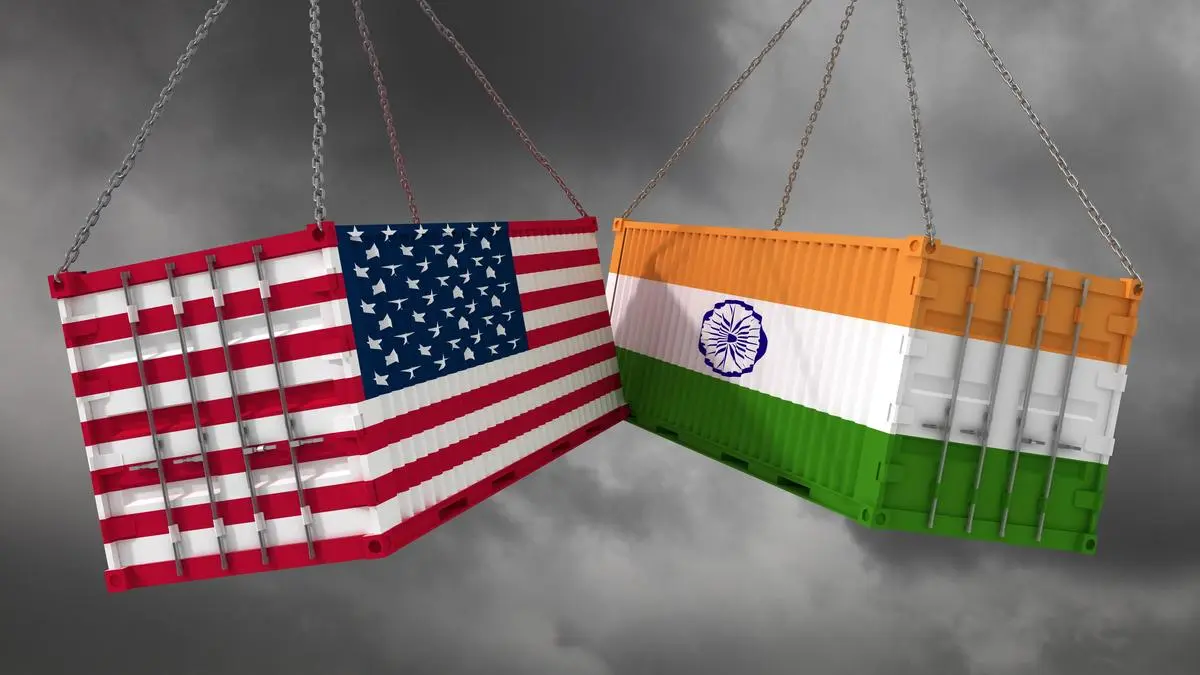
Trump’s 10% tariff blow that could work in India’s favour
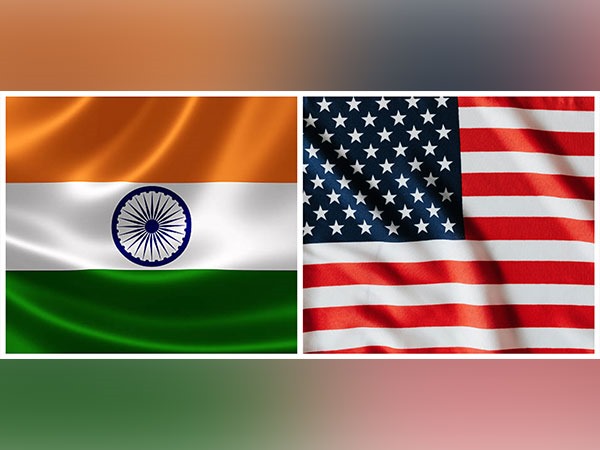
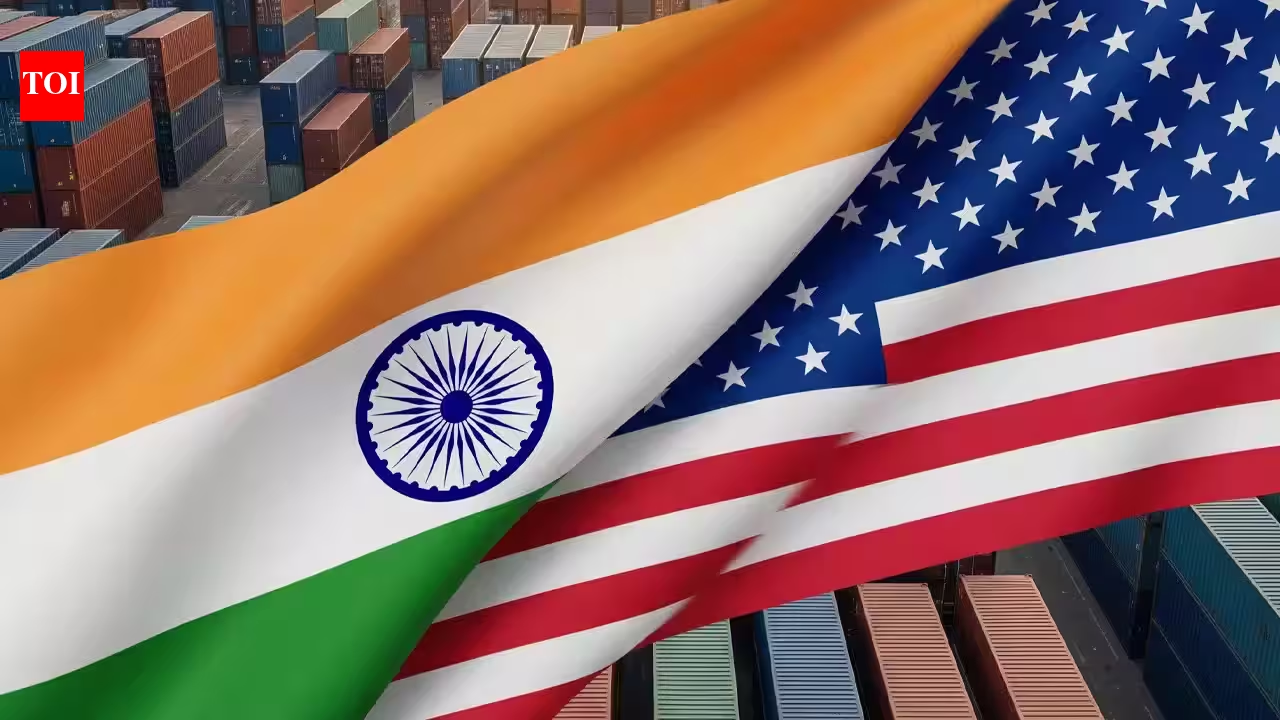
The US Section 301 tariff has escalated cost challenges for Indian exporters, but it simultaneously provides a unique advantage. Competing nations are subjected to higher tariffs, allowing Indian goods to be more attractive. This favorable situation highlights the US's recognition of India's efforts against forced labor. By leveraging government assistance and adopting proactive measures, Indian exporters can capitalize on trade shifts and continue their growth trajectory.
Confronto fonti
6 prospettive sulla stessa storiaTimeline cronologica
- ·
hindustantimes.com
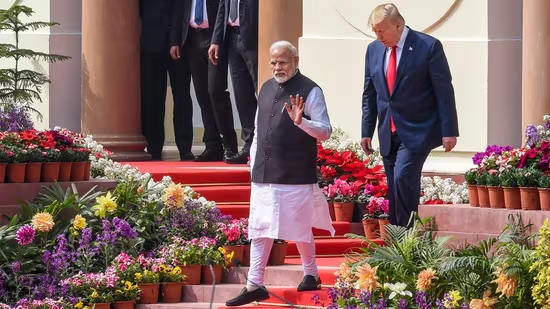
Donald Trump administration's 10% tariff on most Indian goods expires on July 24: What happens after that?
Possible outcomes: Tariffs could remain the same; rates could change depending on US investigations under Section 301; US could opt for a different instrument.
- ·
timesofindia.indiatimes.com
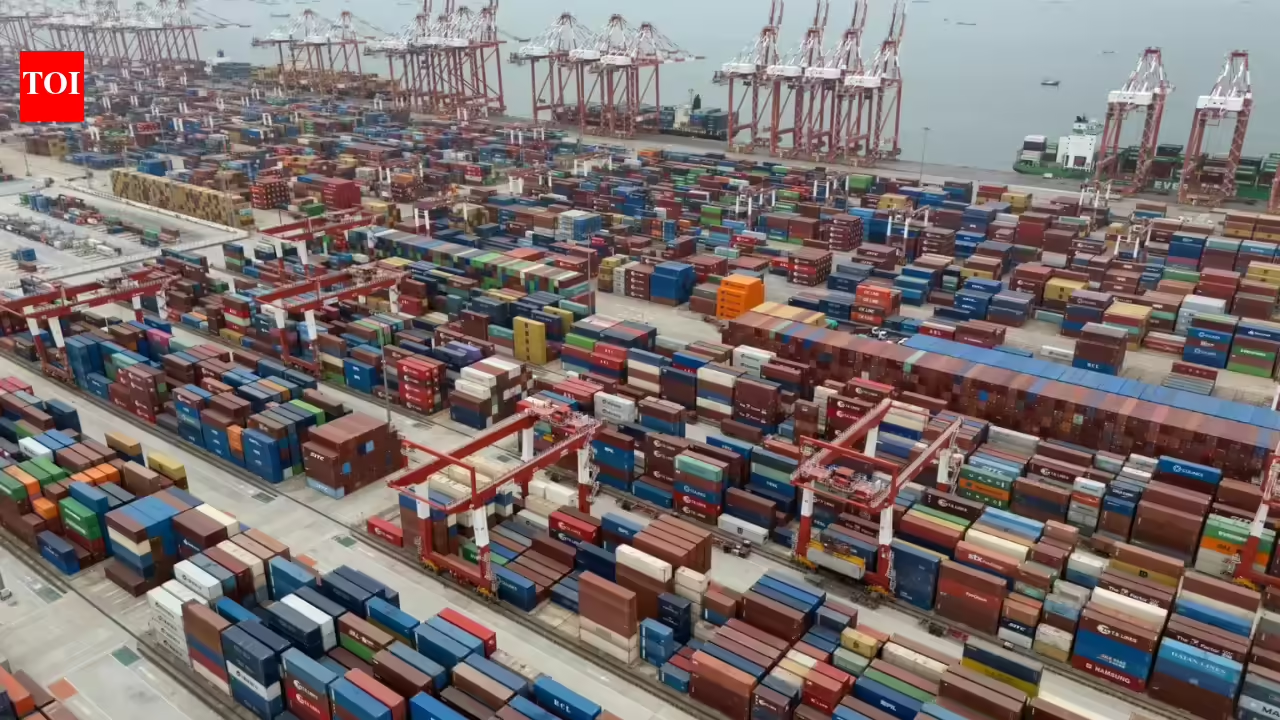
US unveils fresh tariffs of up to 12.5% on 60 economies amid 'forced labour' probe; rate for India lowered to 10%