view more
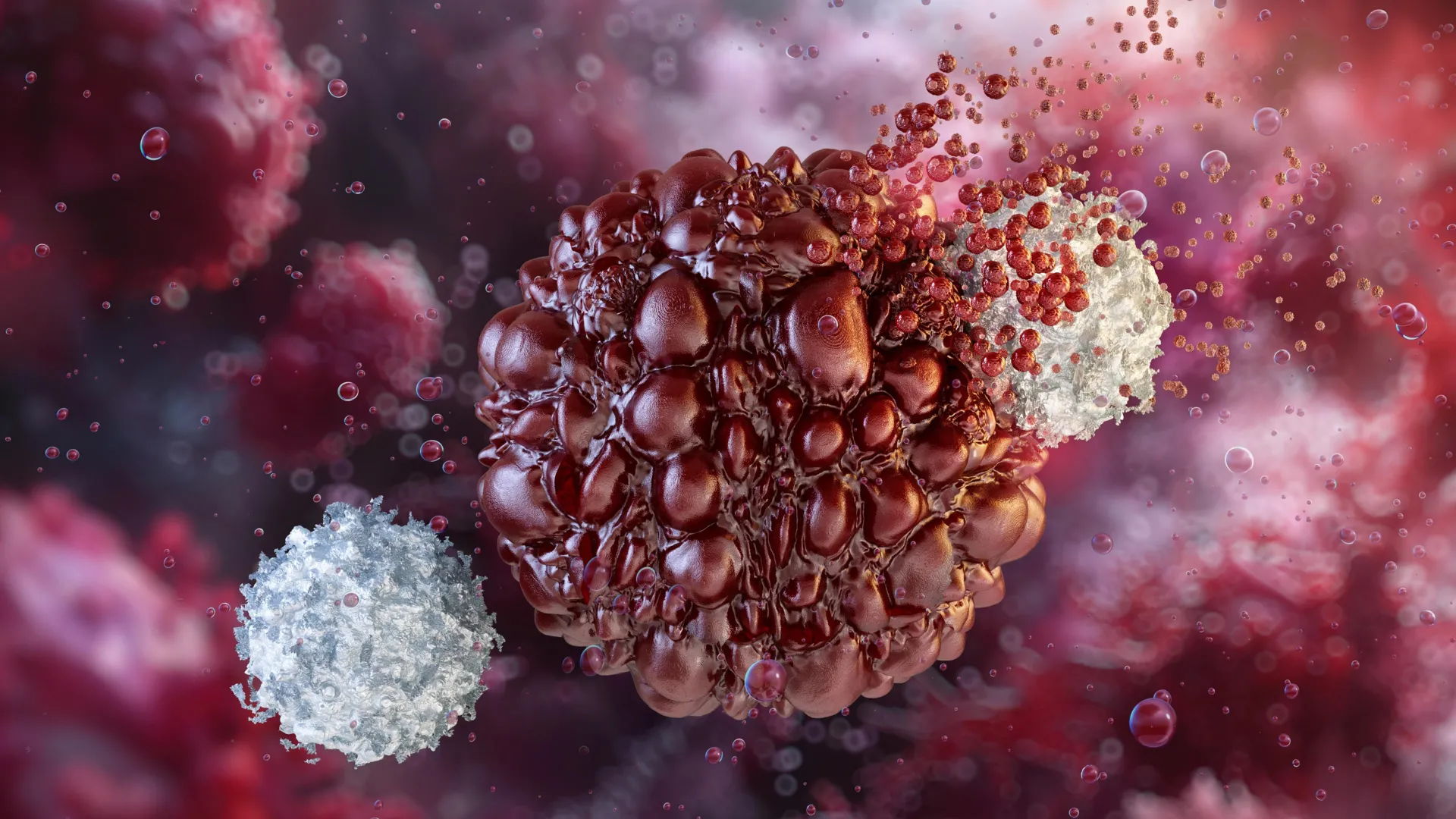
Off-the-shelf and mass-producible immune cells fight solid human tumors engrafted into mice. The Kobe University development is a significant contribution towards faster and cheaper cancer immunotherapy.
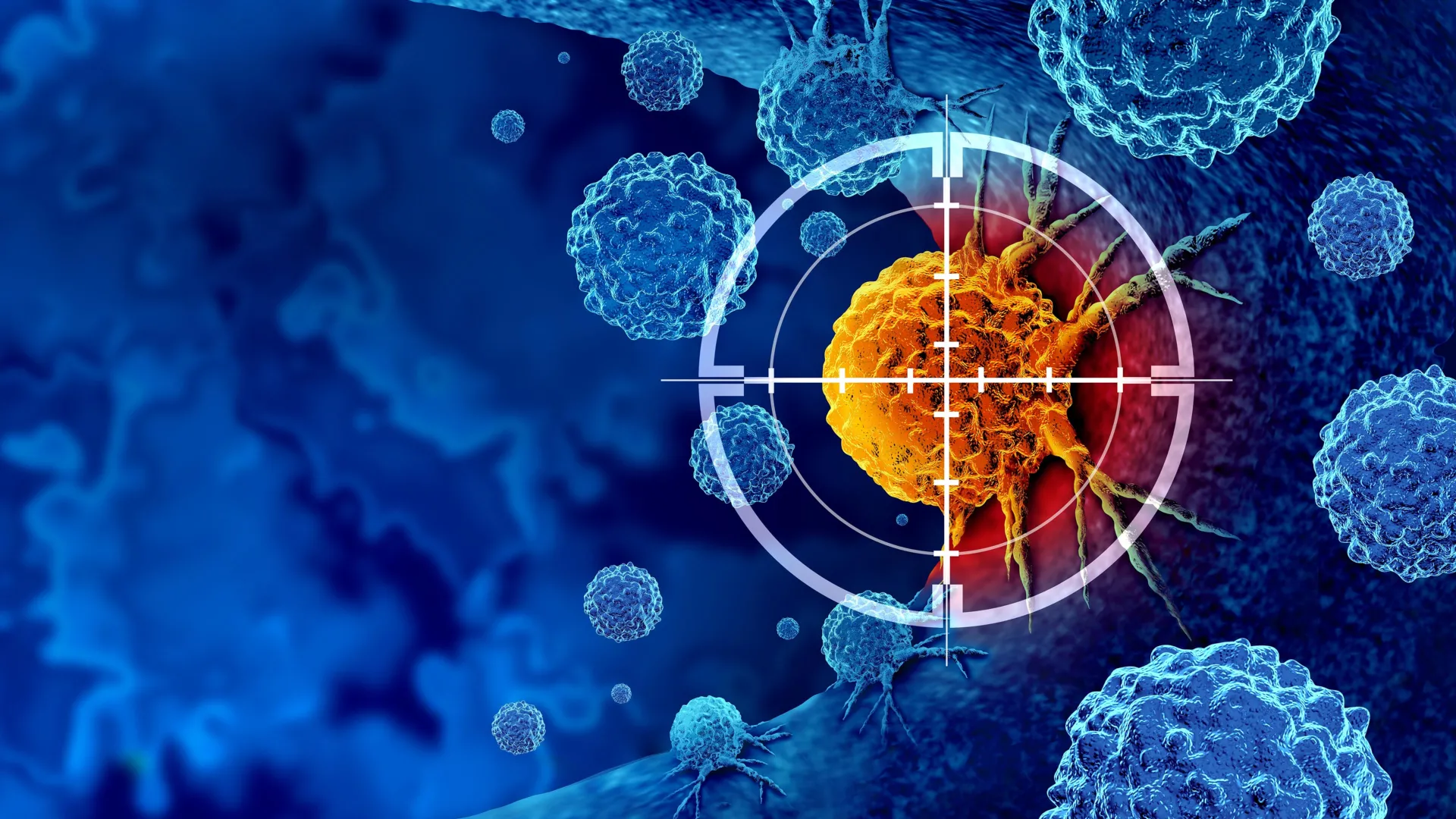
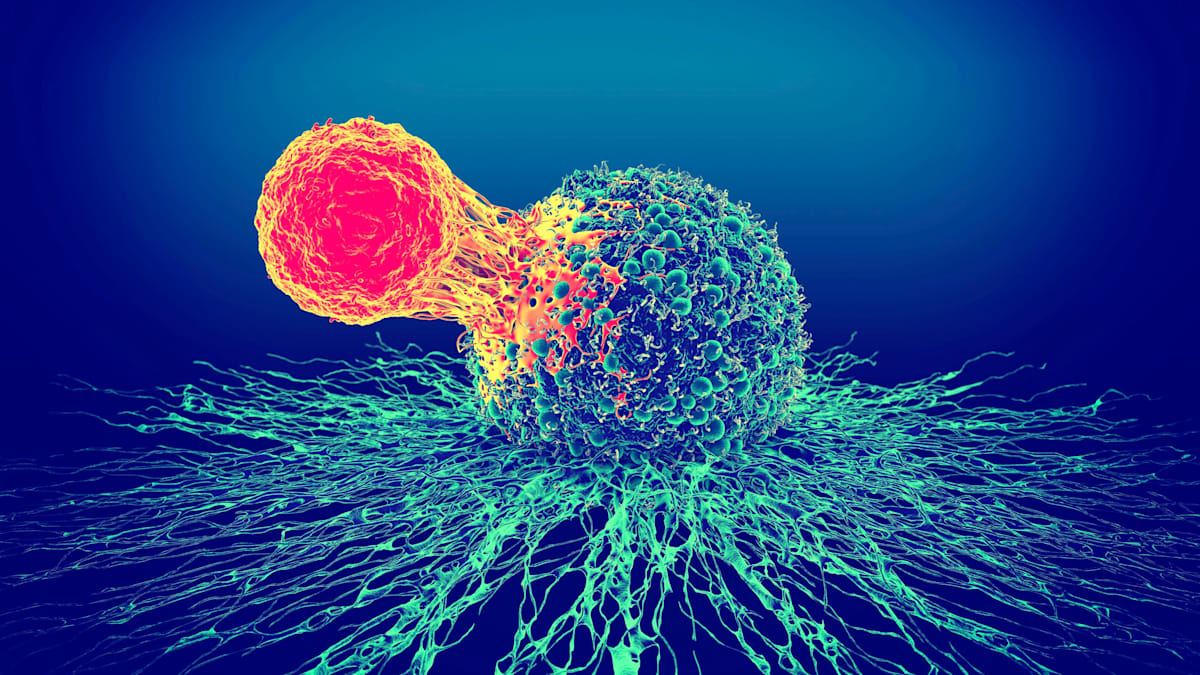
The body employs an army of immune cells for the fight against cancers, and one of the major forces are the T cells. They are also the target of modern cancer immunotherapies that try to increase the T cells’ ability to find and attack cancer cells. When modifying T cells, current techniques require the extraction of a patient’s own T cells from blood, modifying them in the lab and reintroducing them into the patient, which is not only very expensive but also costs valuable time. Researchers have considered turning to a subclass of T cells, called “gamma-delta (γδ) T cells,” that don’t need to be tailored toward each individual patient but can be harvested from a donor and used in other people. However, these cells are much fewer, making the harvesting approach infeasible, and they also cannot be directly multiplied well in the lab.
Kobe University stem cell researcher AOI Takashi says, “Based on our experience with induced pluripotent stem cells, also called iPS cells, we thought that we could approach this issue by creating such easily storable and growable cells from these specific T cells, and then only turning them back into T cells when actually needed.” Since during development T cells modify their DNA to target a specific threat, creating iPS cells from cancer-specific T cells also means that all their descendants will keep that specificity. Essentially, the process equates creating an army of clones from one good cancer fighter.