Scientists at USC Stem Cell have developed a new method for creating a renewable and expandable supply of immune cell precursors that could help advance cancer immunotherapy and other treatments.
Published in the journal Cell, the study focuses on granulocyte-monocyte progenitors (GMPs), a type of progenitor cell that produces macrophages and several other immune cells. Macrophages play a key role in defending the body against infections and have attracted growing interest as potential tools for treating cancer.
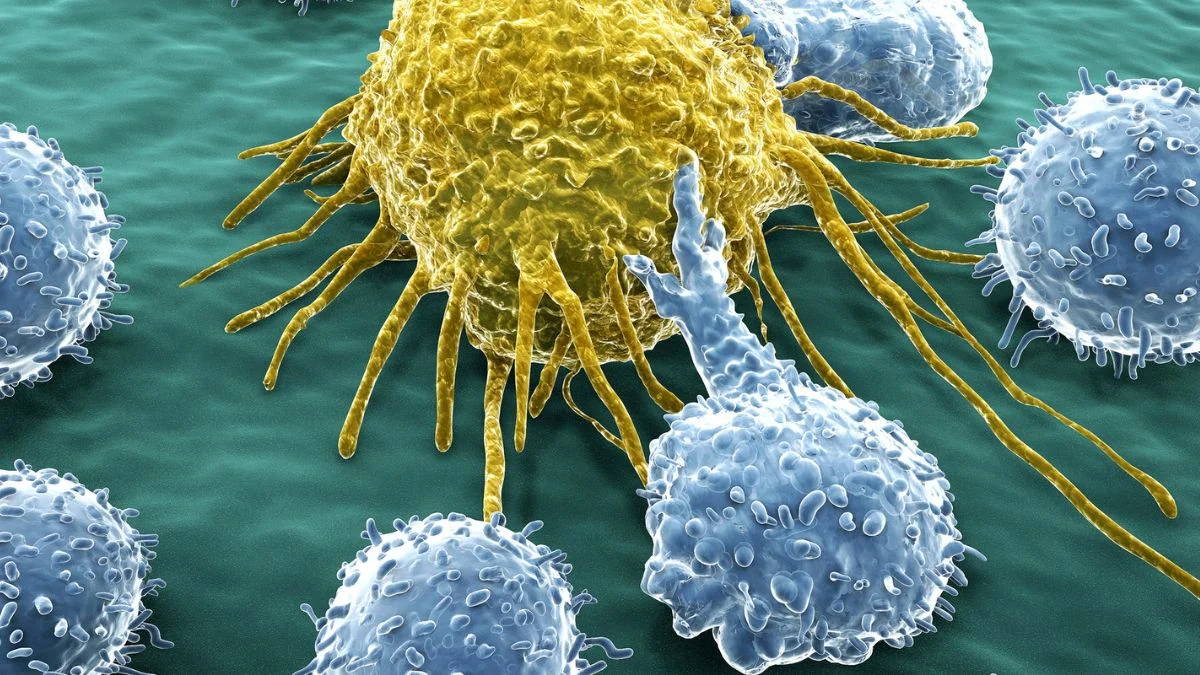
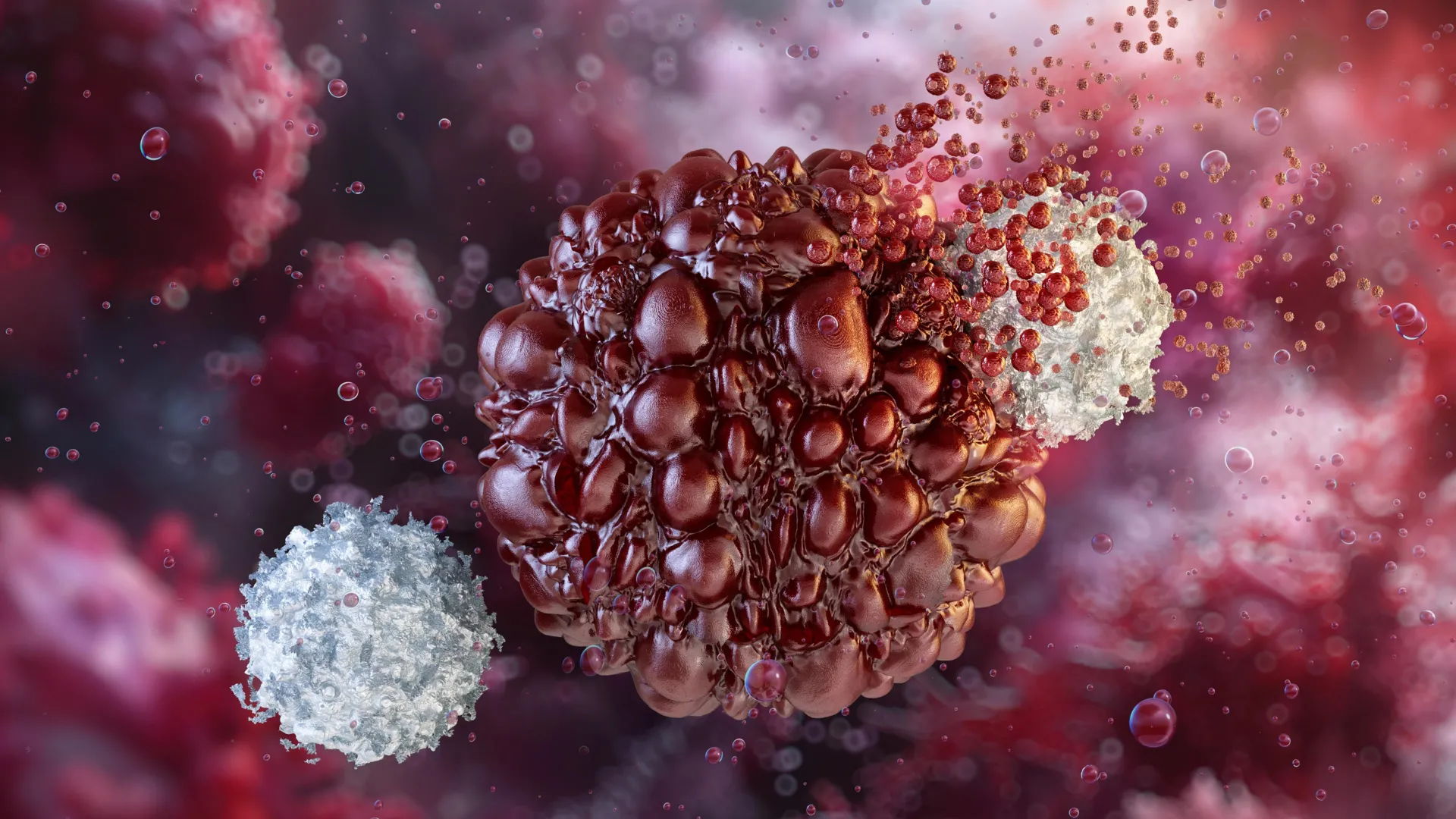
The researchers showed that GMPs can be expanded extensively in the laboratory and genetically modified to recognize cancer cells while also boosting broader immune responses.
"The study establishes a scalable and engineerable GMP platform for cellular immunotherapy and introduces concepts that we believe could have broad implications for both cancer immunotherapy and stem cell biology," said the paper's corresponding author Qi-Long Ying, MD, PhD, professor of stem cell biology and regenerative medicine at the Keck School of Medicine of USC.
One of the study's most significant findings relates to self-renewal, a characteristic traditionally associated with stem cells. Self-renewal allows cells to repeatedly divide while maintaining their identity. Scientists generally have not considered progenitor cells to possess this long-term capability.