(Image/Midjourney)
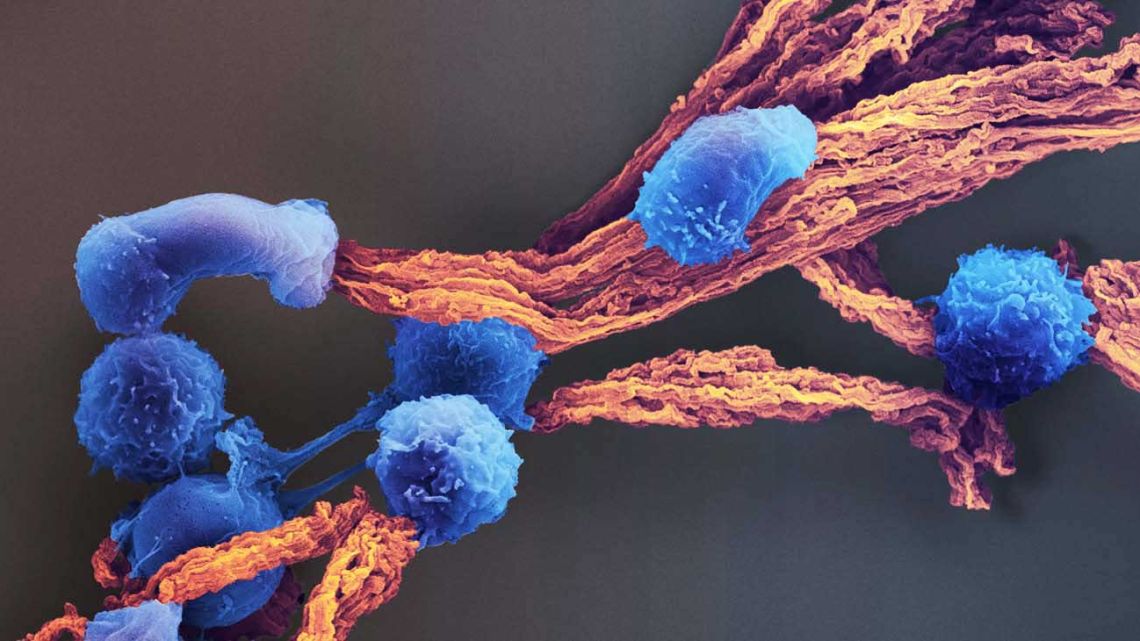
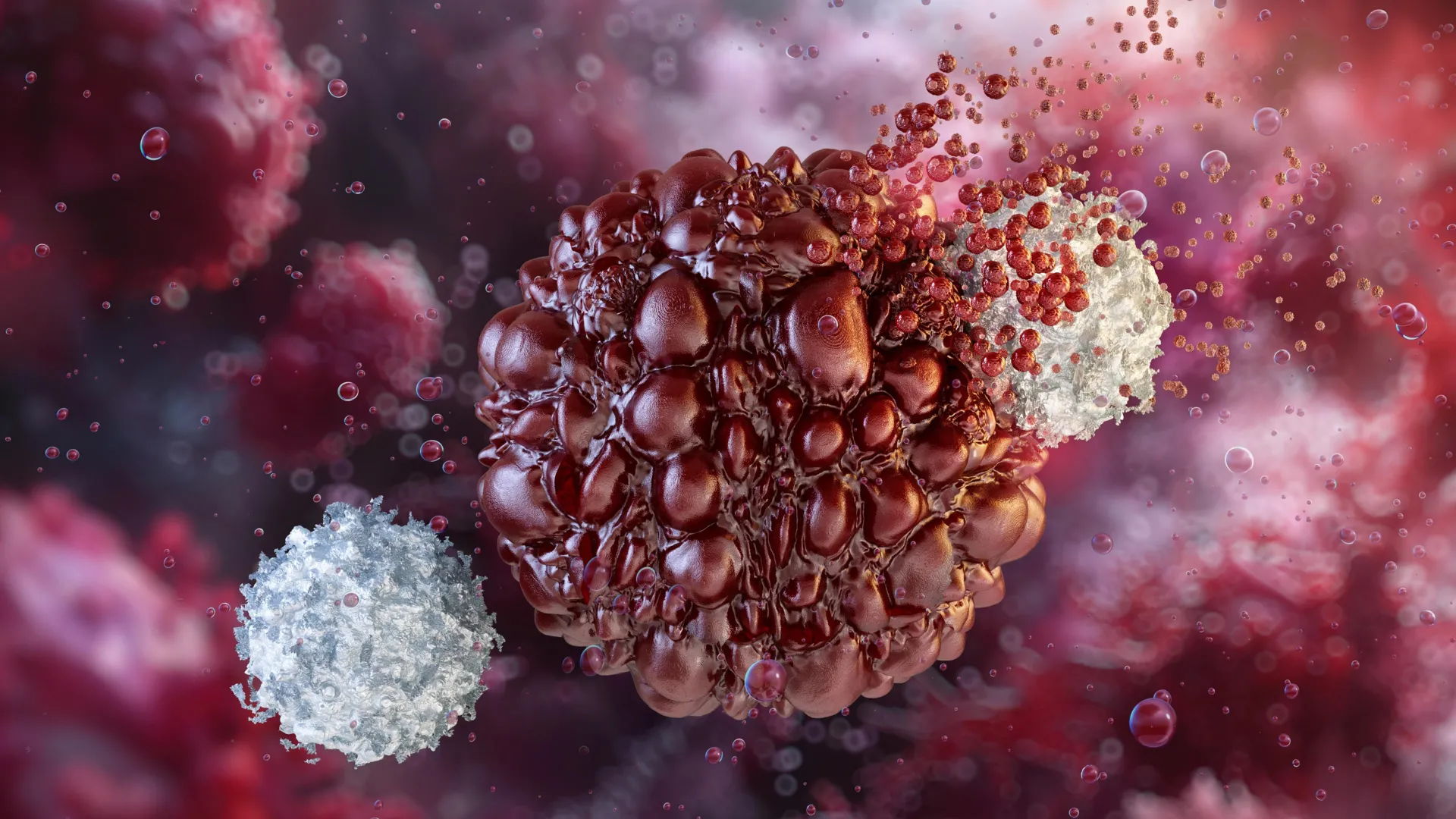
For more than a decade, CAR-T cell therapy has been one of the biggest breakthroughs in cancer medicine. By reprogramming a patient’s own immune cells to attack cancer, doctors have produced remarkable results against certain blood cancers, offering hope to patients who once had few treatment options.
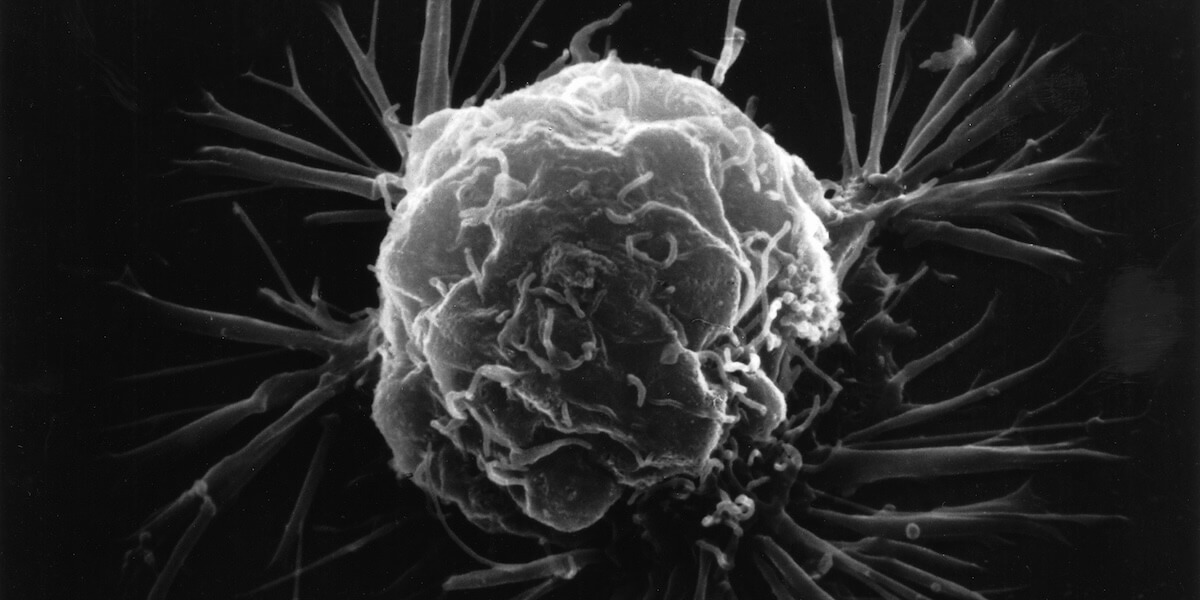
But that success has largely stopped at solid tumors, including cancers of the brain, liver, lung, breast and pancreas. Unlike blood cancers, these tumors often lack a clear target for CAR-T cells, making the therapy far less effective.
Researchers at the USC Viterbi School of Engineering believe they have found a new approach that offers hope.
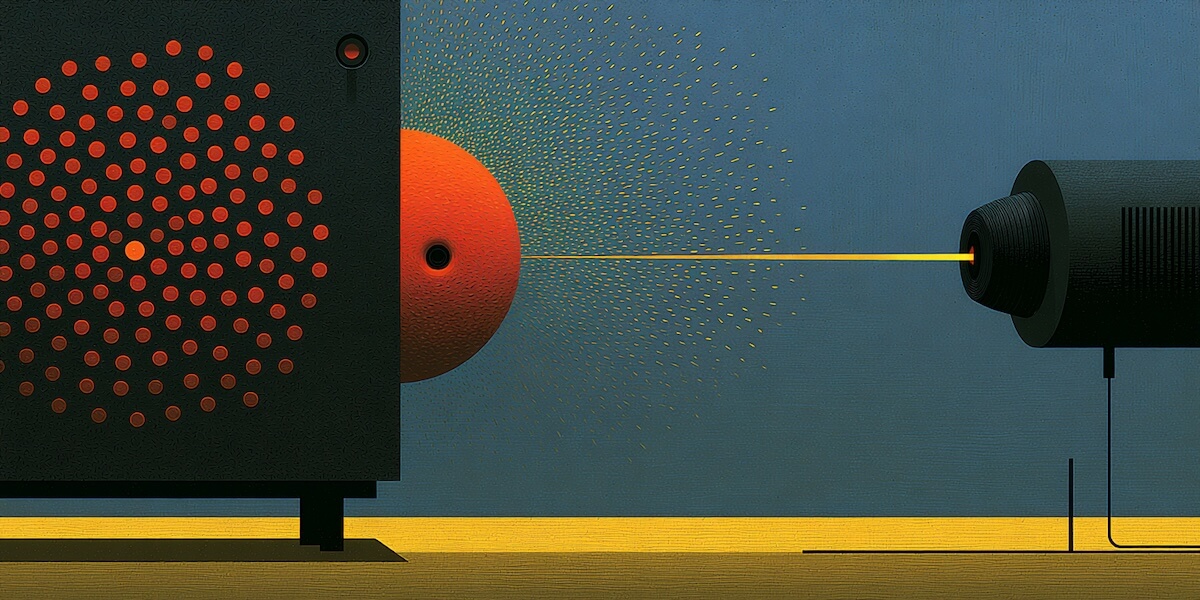
Their solution is called SHIFTERS. Instead of searching for a naturally occurring marker that may not even exist, the researchers developed a way to temporarily create one. Using focused ultrasound, physicians prompt tumor cells to briefly display CD19, a marker CAR-T cells already recognize. The work is described in the study, “Ultrasound Priming Gated by Solid Tumor Hallmarks to Guide CAR-T Therapy” in Science Advances.