Immunotherapy has transformed outcomes for many cancer patients. Unlike conventional treatments, these therapies do not attack tumors directly. Instead, they enable the body's immune system to identify and kill cancer cells that had previously escaped elimination.
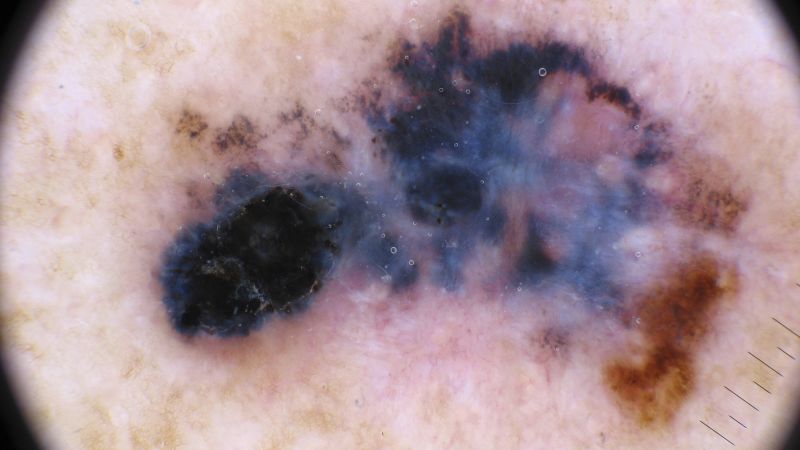
For patients with advanced melanoma—a particularly aggressive form of skin cancer—PD-1 blockade immunotherapy has converted what were once terminal diagnoses into cases of long-term survival. Patients who respond successfully and remain cancer-free for three years have more than a 95% probability of living at least 10 more years. Unfortunately, favorable outcomes of this kind remain the exception. Approximately 7 out of 10 melanoma patients treated with PD-1 blockade immunotherapy experience disease recurrence, even when the treatment initially appeared to be effective.
Determining why immunotherapy loses efficacy—and identifying strategies to address that failure—has been among the most challenging problems in cancer research. It has also been among the most resource-intensive to investigate, as the conventional approach is both slow and incremental: researchers typically design experiments to test one hypothesis at a time, a process that can span years and require substantial funding.