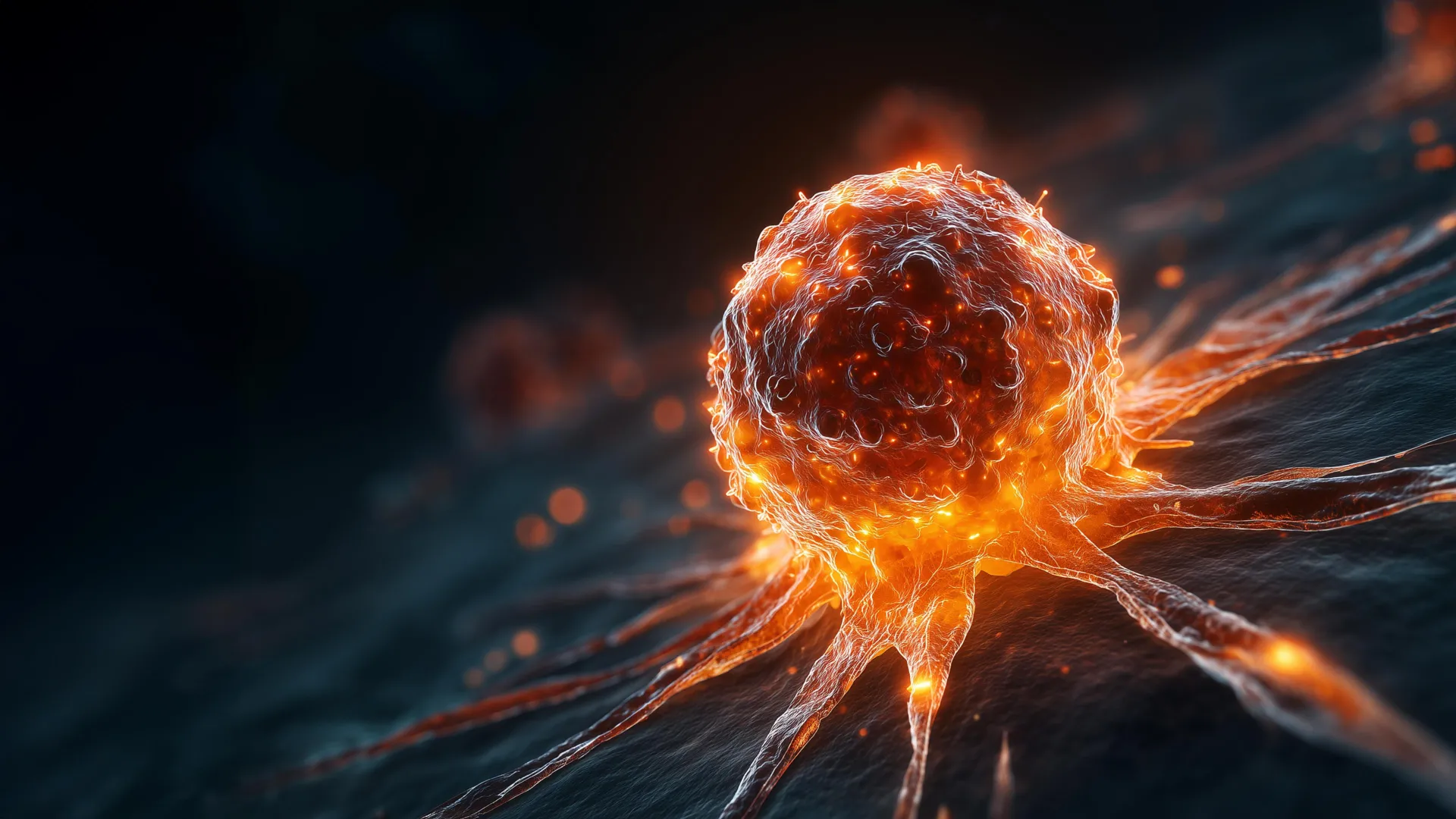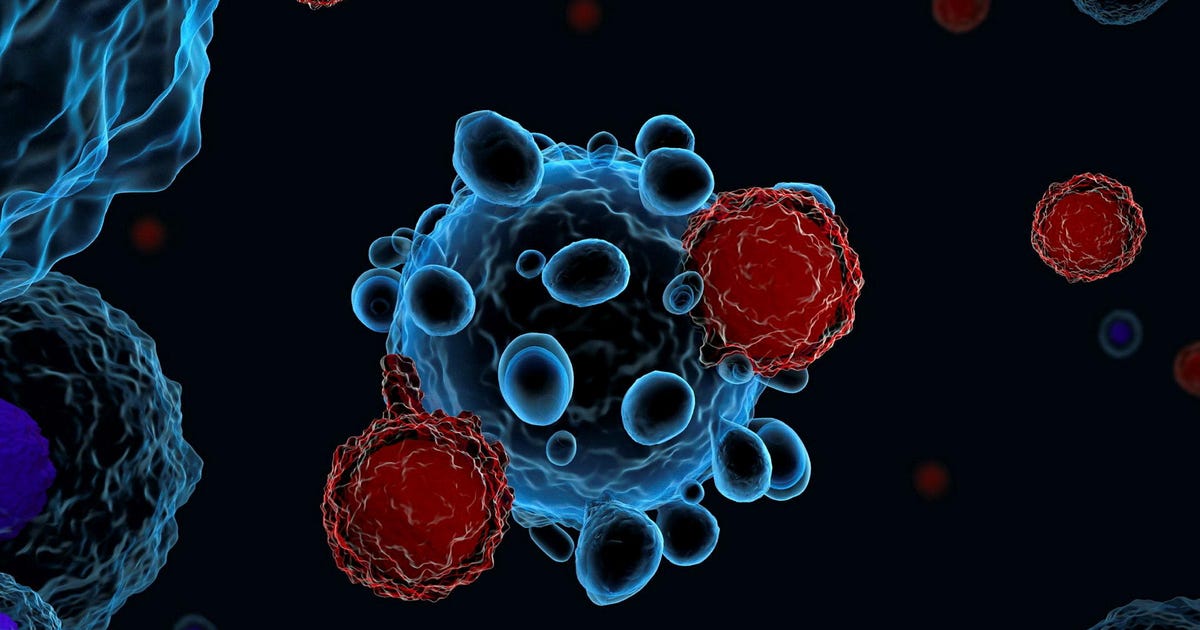
A new study from Dr. Binfeng Lu and colleagues at the Hackensack Meridian Center for Discovery and Innovation (CDI) identifies a previously unrecognized mechanism by which mutations in the p53 gene can limit the effectiveness of immunotherapy—while also revealing a potential strategy to overcome this resistance. Credit: Hackensack Meridian Health
Immune checkpoint blockade (ICB) therapy has transformed cancer treatment, but many tumors remain resistant. A new study from researchers at the Hackensack Meridian Center for Discovery and Innovation (CDI) identifies a previously unrecognized mechanism by which mutations in the p53 gene can limit the effectiveness of immunotherapy—while also revealing a potential strategy to overcome this resistance.
The findings in the journal Cell Death and Disease could help make future cancer treatments more effective.
The study focuses on the p53 tumor suppressor gene, widely known as the "guardian of the genome."
"Understanding the nuances of how p53 mutations affect tumor behavior is vital to advancing cancer care," said Binfeng Lu, member of the CDI, member of Georgetown University's Lombardi Comprehensive Cancer Center, and professor of Medical Sciences at the Hackensack Meridian School of Medicine.