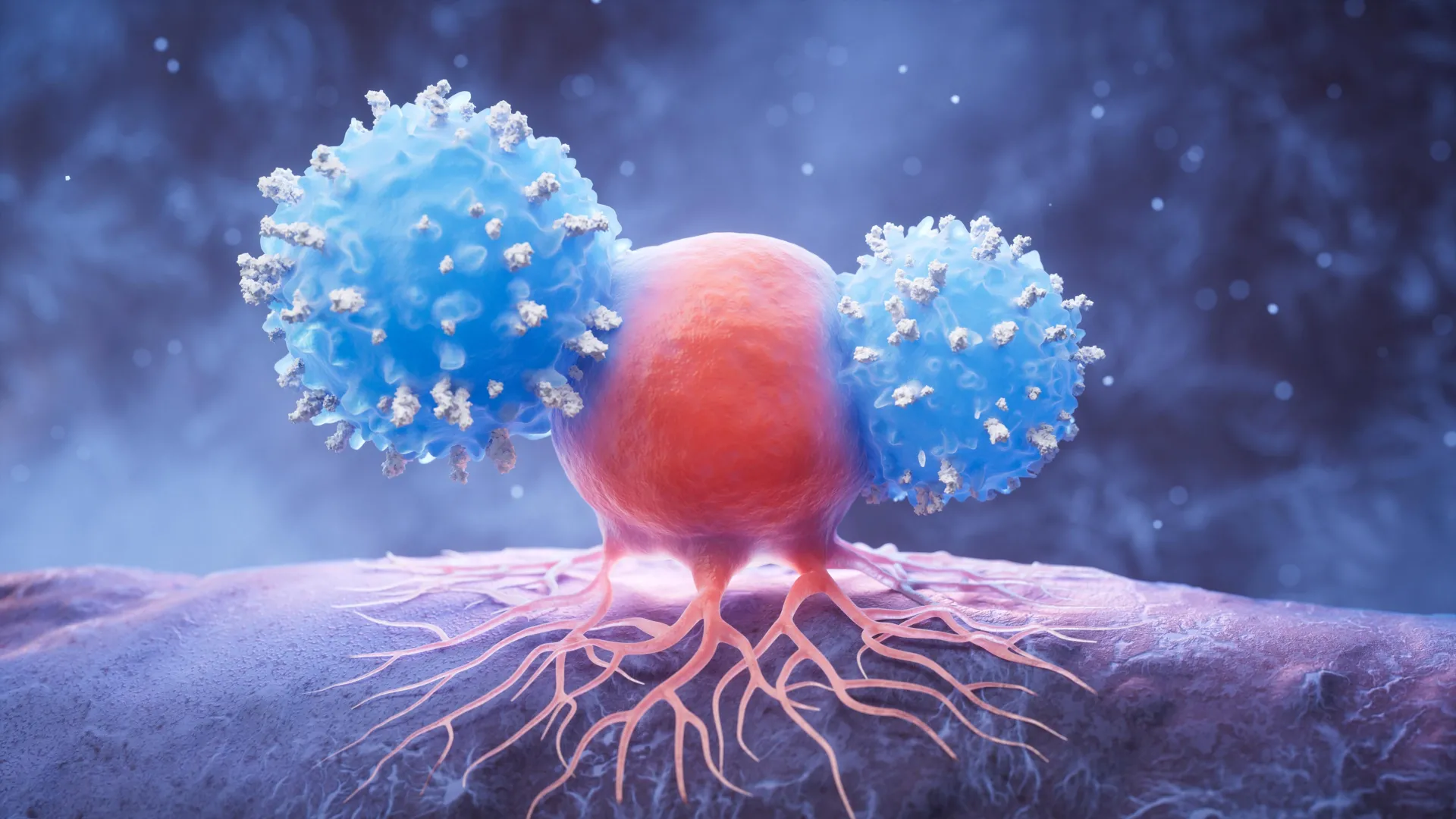
Scientists have uncovered an unexpected way the immune system can attack cancer, a finding that challenges a long-standing principle in immunology and could lead to new approaches for cancer treatment and bone marrow transplantation.
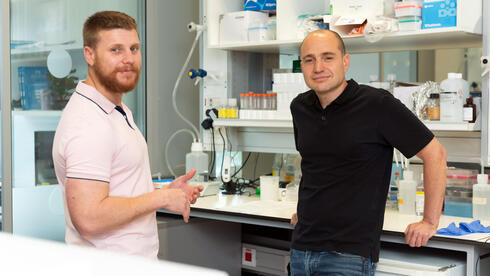
The research was led by Dr. Pavan Reddy, director of the Dan L Duncan Comprehensive Cancer Center at Baylor College of Medicine (BCM), in collaboration with Dr. Arul Chinnaiyan, S P Hicks Endowed Professor of Pathology, and Dr. Marcin Cieslik, assistant professor of pathology, both at the University of Michigan Rogel Cancer Center. Their findings were published in Nature Immunology.
Discovery Challenges a Core Immunology Principle
The immune system uses proteins known as major histocompatibility complexes (MHC) to help identify threats, including cancer cells and foreign (allogeneic) cells. For decades, scientists believed that MHC class I molecules primarily communicated with CD8+ T cells, often called "killer" T cells, while MHC class II molecules activated CD4+ T cells, commonly known as "helper" T cells.
This division has shaped much of modern immunology and cancer research.