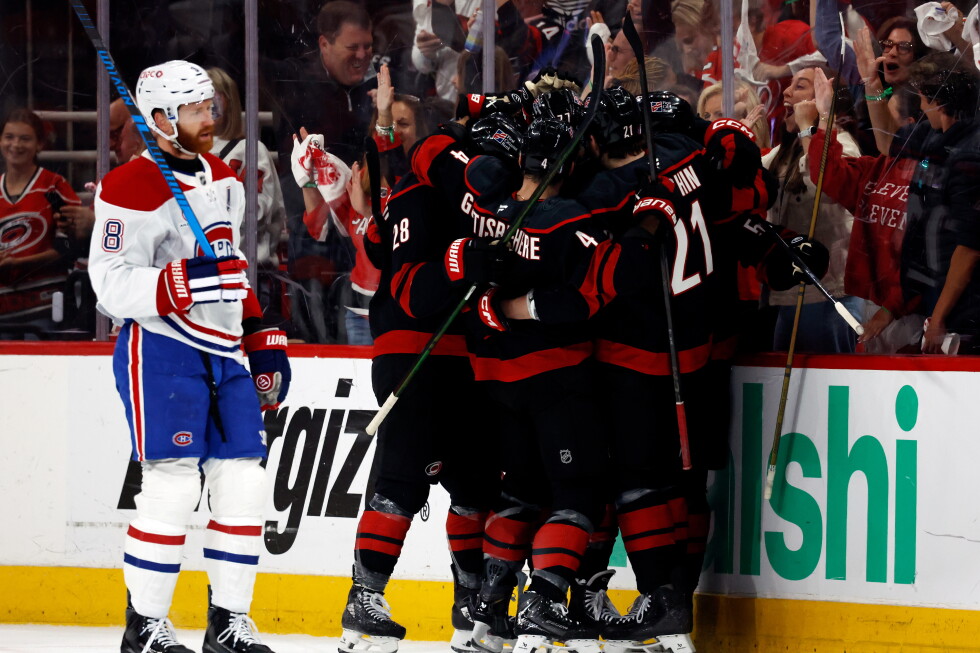
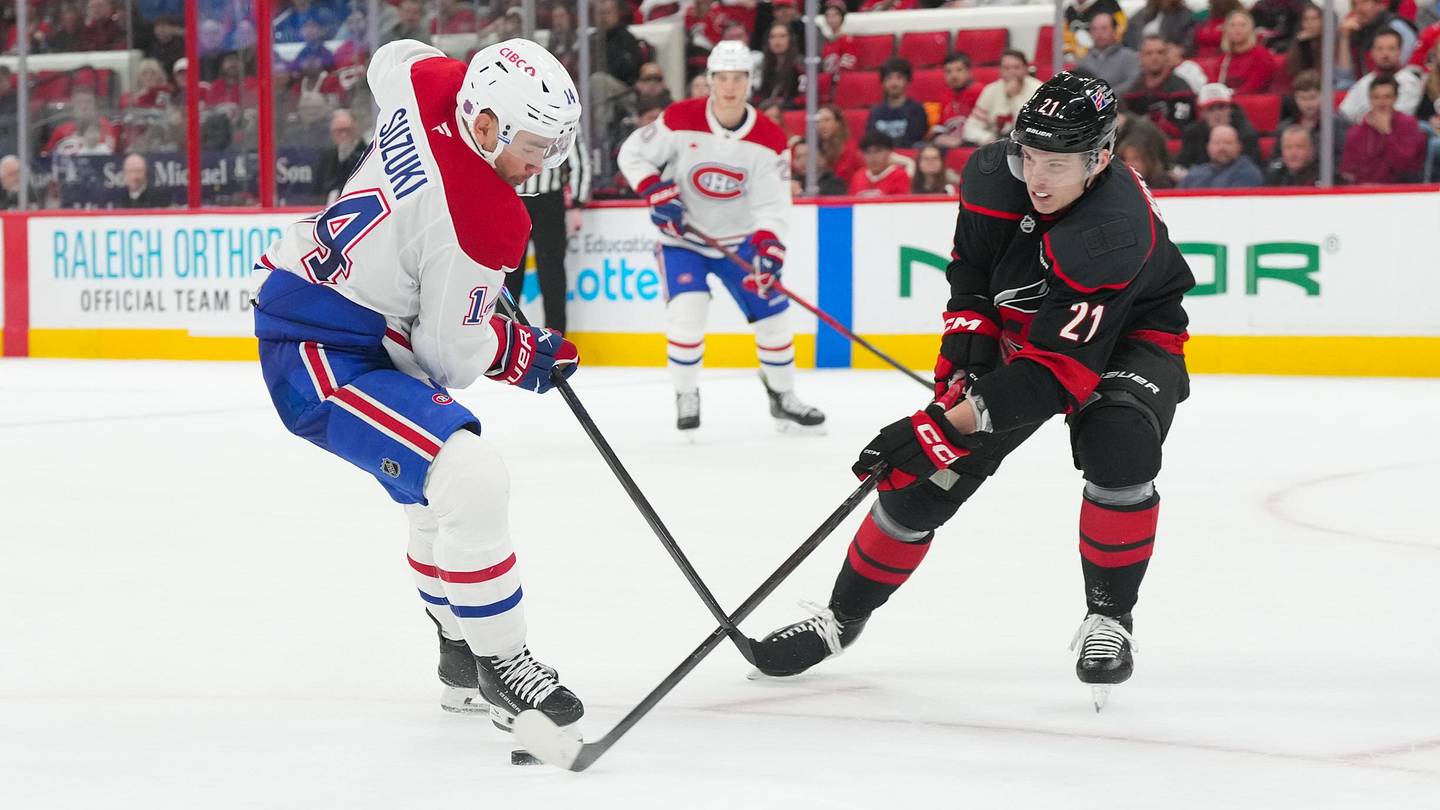
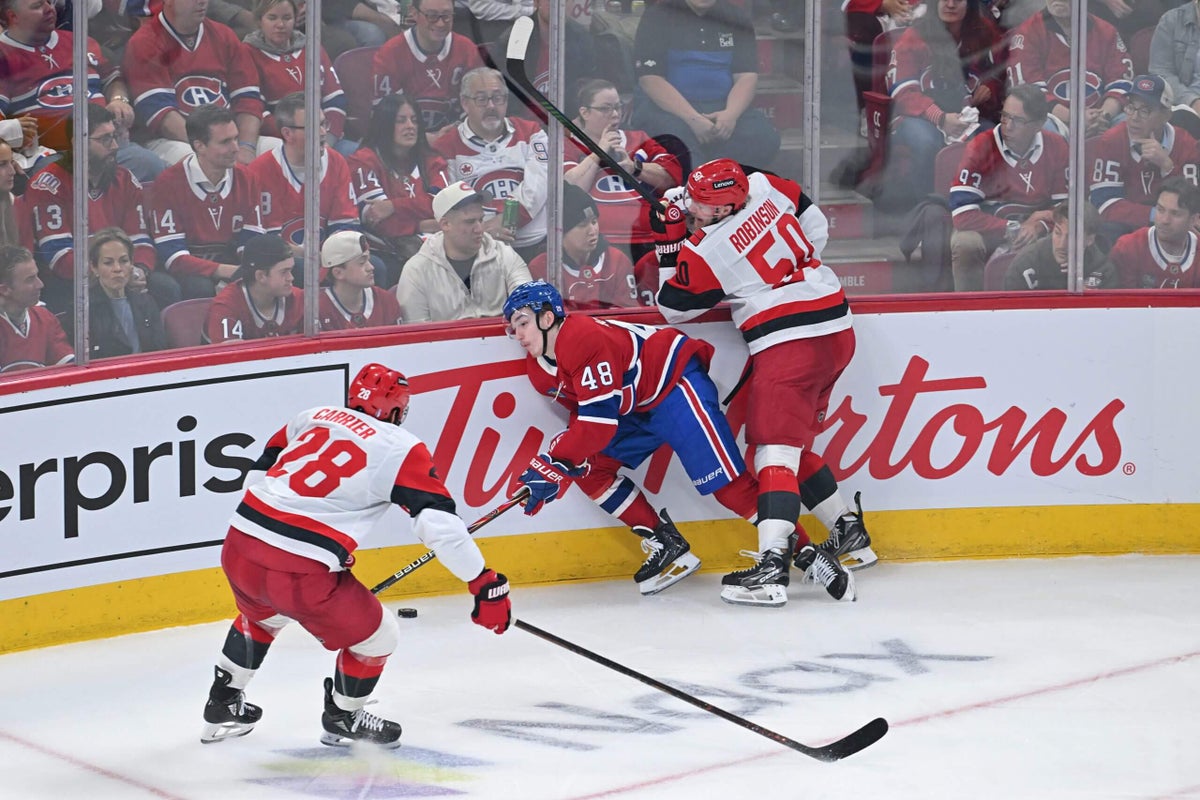
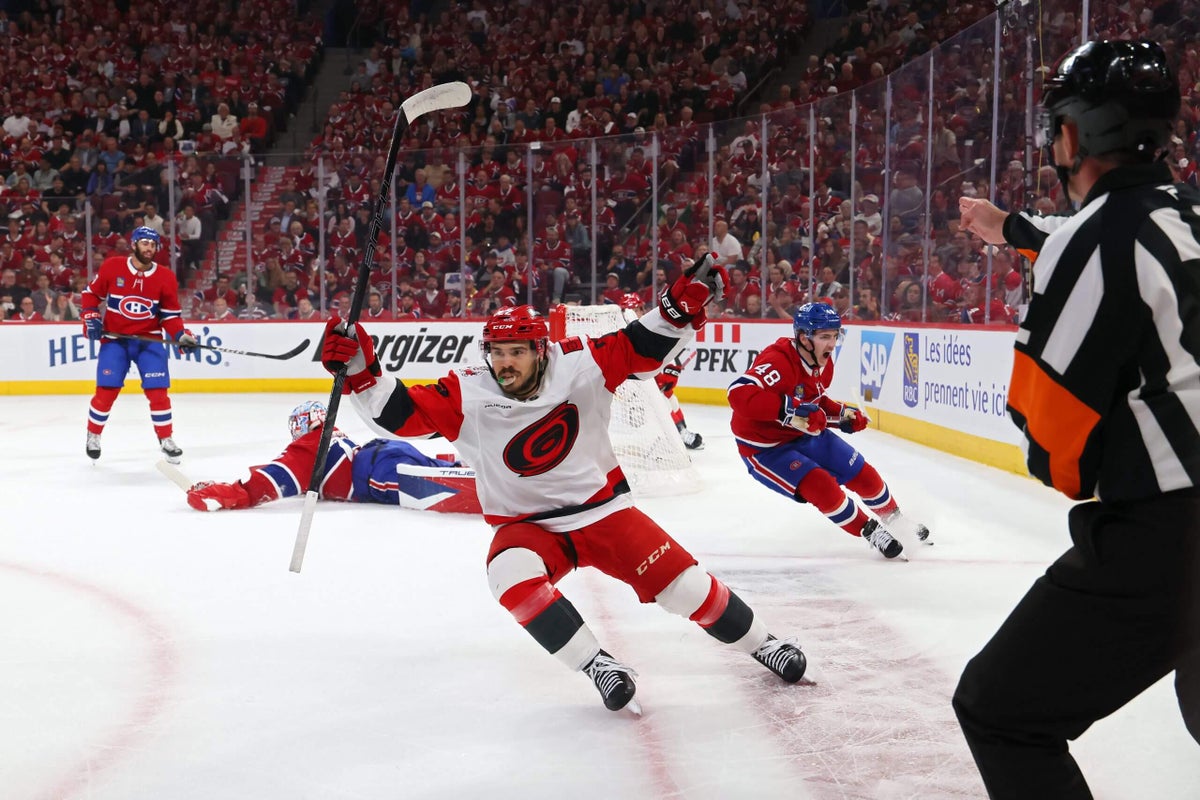
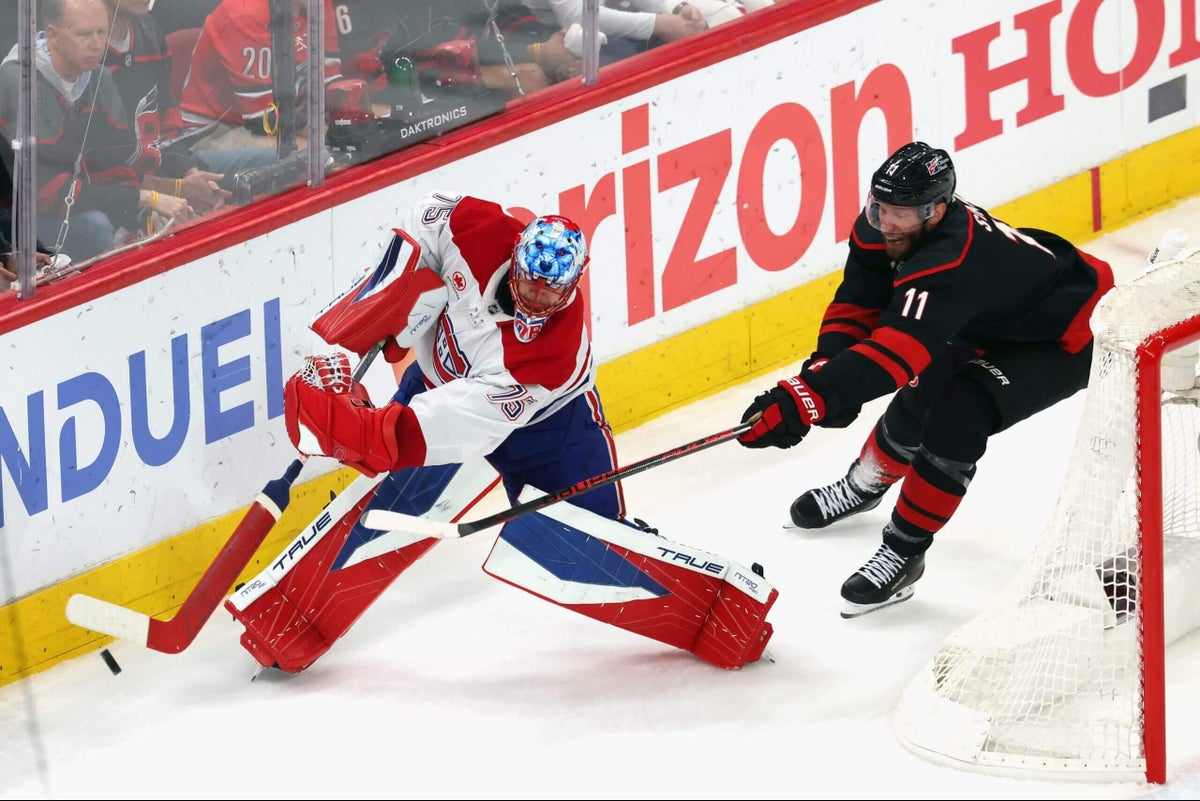
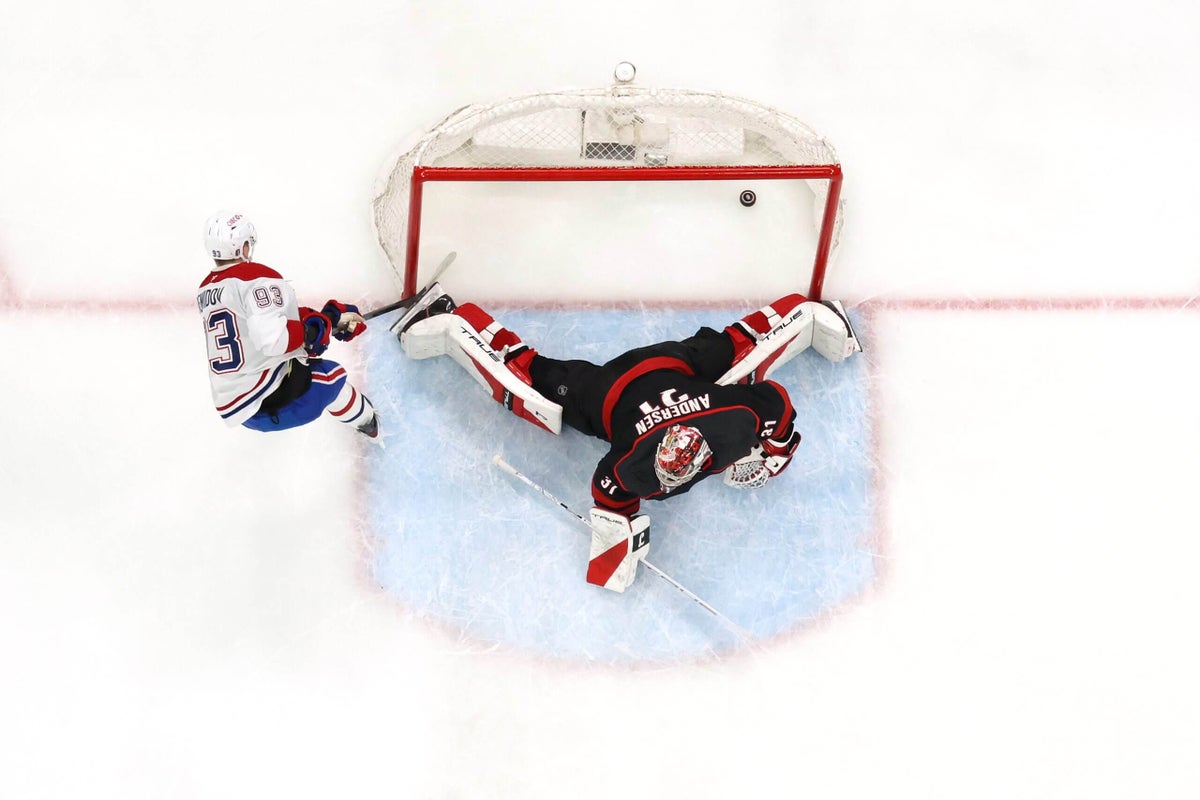
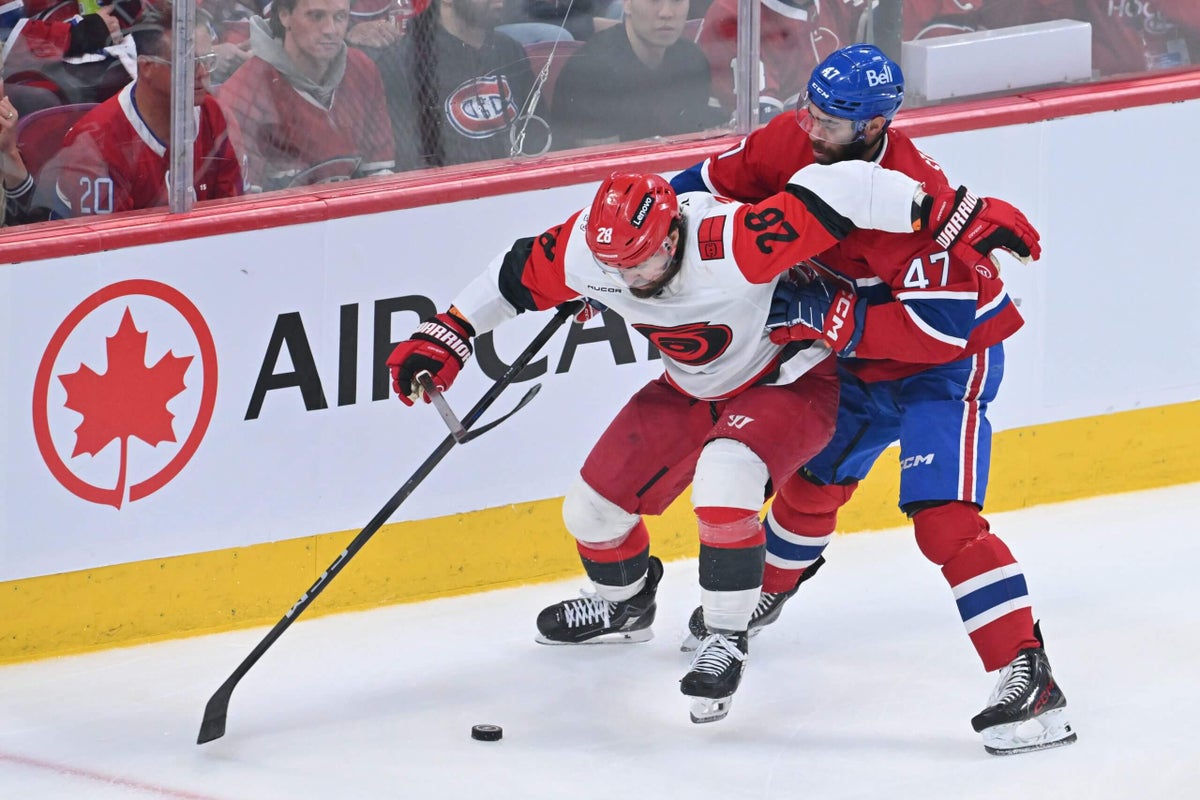
RALEIGH, N.C. — On the surface, the Carolina Hurricanes’ Game 2 win over the Montreal Canadiens looked very familiar.Carolina got out to an early lead, limited Montreal’s opportunities and cycled four lines, exhibiting a better example of “Hurricanes hockey” than the team showed in Monday’s dreadful Game 1.The Canadiens, true to their reputation, were unflappable and opportunistic, waiting for a chance to pounce in a game they were being grossly outplayed. That came with 7:09 left in regulation when Josh Anderson evened the score at 2-2 with his second goal of the night, forcing overtime.The narratives were stacked against the Hurricanes. Their Eastern Conference final struggles date back to 2009. Their reputation as a team that won’t push back when the going gets tough, either physically or mentally. Their all-for-one, one-for-all mentality that eschews individual skill and creativity, limiting dynamic, game-changing plays.And all those things give people feelings about the Hurricanes — ones that pundits, the team’s fans, opposing observers and perhaps even some in the Carolina organization think are justified, given the evidence.Nikolaj Ehlers’ game-winning goal, a dazzling display of speed and opportunism, was different.Frankly, so is a lot about these Hurricanes.You don’t have to search far to find someone calling the Hurricanes “boring.” The team’s critics check off the same boxes when making their argument — “there’s no superstar” or “they just dump and chase” show up frequently.Ehlers silenced those narratives in two plays Saturday.His second-period goal, a twisting, turning, partially stumbling play with a spinning shot, is exactly the type of dynamism Carolina expected when it signed the player teammates call Fly to a lucrative six-year contract last summer.Is Ehlers a superstar? Perhaps not. Is he capable of superstar plays? Clearly.Then early in overtime, Ehlers turned his nose up at the idea that the Hurricanes are only a forechecking team.He took a one-touch pass from Mark Jankowski in the neutral zone and cruised into the Montreal zone, not hesitating to shoot even though Canadiens goalie Jakub Dobeš had ventured far out of his crease to limit Ehlers’ shooting angle.It didn’t matter. Ehlers leaned heavily on his stick, using all its flex, and snapped the shot past Dobeš’ blocker side to send the series to Montreal even at a game apiece.No dump. No chase. All skill.“You could see it right from as soon as he got here, Day 1,” Jankowski said after the win. “I mean, he’s a special player. He’s so fast, he’s so skilled. Easiest assist of my life on that one: just poke it to him in the neutral zone, let him do the rest. It’s awesome to be able to watch someone like that.”Sportlogiq’s Mike Kelly has been quick to point out that since adding Ehlers, Carolina has become the NHL’s most dynamic rush team, leading the league in goals scored in that manner.“It just makes you that much tougher to play against,” Hurricanes coach Rod Brind’Amour said of Ehlers’ speed and skill. “We don’t have to change our game, but we added a piece in there. And now, all of a sudden, I think we’re more explosive. … It’s tight, and we needed that goal. He’s got the ability to do it himself. That’s what happened. Obviously, that’s pretty important.”The Hurricanes have also flipped the conversation on whether they’re willing and able to meet the physicality of the Stanley Cup playoffs.Two summers ago, Carolina added William Carrier, one of the NHL’s more rugged north-south players. Carrier ranks in the top 20 in the league in hits per game since 2020-21, and he’s continued that with the Hurricanes. He is fifth in hits this postseason with 55, and his 32.35 hits per 60 are the most of any everyday player remaining in the playoffs.But it’s not just Carrier this season.Taylor Hall has made enemies in two provinces and Pennsylvania with big hits that critics called dirty. His hits in consecutive Game 3s on Jake Sanderson and Travis Sanheim sparked the vitriol of Ottawa Senators and Philadelphia Flyers fans, and his finish on Lane Hutson in Game 2 left Montreal’s star defenseman limping after he tried to avoid the check and absorbed it with his leg. Hall received only one penalty on the three plays, which all left the defensemen banged up.What has perhaps been most impressive is that the Hurricanes are being physical even though they’re usually the team with a decided edge in possession. Carolina leads the playoffs in offensive-zone time possession at 46.7 percent, according to NHL EDGE, yet leads the four remaining playoff teams in hits per 60 at 34.91.In Game 2 against the Canadiens, Hurricanes captain Jordan Staal matched a career playoff high with 10 hits. That fueled Carolina’s eye-popping edge: The Hurricanes outhit Montreal 46-16 in the game despite having the puck much of the night.Staal said Carolina has made a concerted effort to up its physicality this postseason.“It’s something we talked about,” Staal said Sunday. “You want to make it a long series for the other team, and taking chunks out of them every game is important. I think the guys have done a much better job this playoff on staying physical on the other team.”Brind’Amour doesn’t take much stock in numbers — he just wants his team to play to its identity, which he says includes being physical.“That’s part of our makeup,” the coach said Sunday. “We’ve got to finish checks — that’s Will Carrier’s game. I think him and (Staal) had, what, 11 last night? (It was 15.) That’s a big bulk of that process. Those are all little things that — they add up. But if that’s part of our identity, then we need to do it.”It’s an identity not many casual observers have yet assigned to Carolina. But with each rush goal, each big hit and every win that gets them closer to the Stanley Cup final, the Hurricanes have a chance to change the narrative.“We believe in our team,” Jankowski said. “We believe in what we can bring. And when we play our game and we play our best, we can compete with anyone.”
How the Hurricanes are using speed, skill and physicality to change the narrative
Carolina's style of play and record in the playoffs have given rise to certain assumptions. This series might be proving them wrong.
1,011 words~5 min read