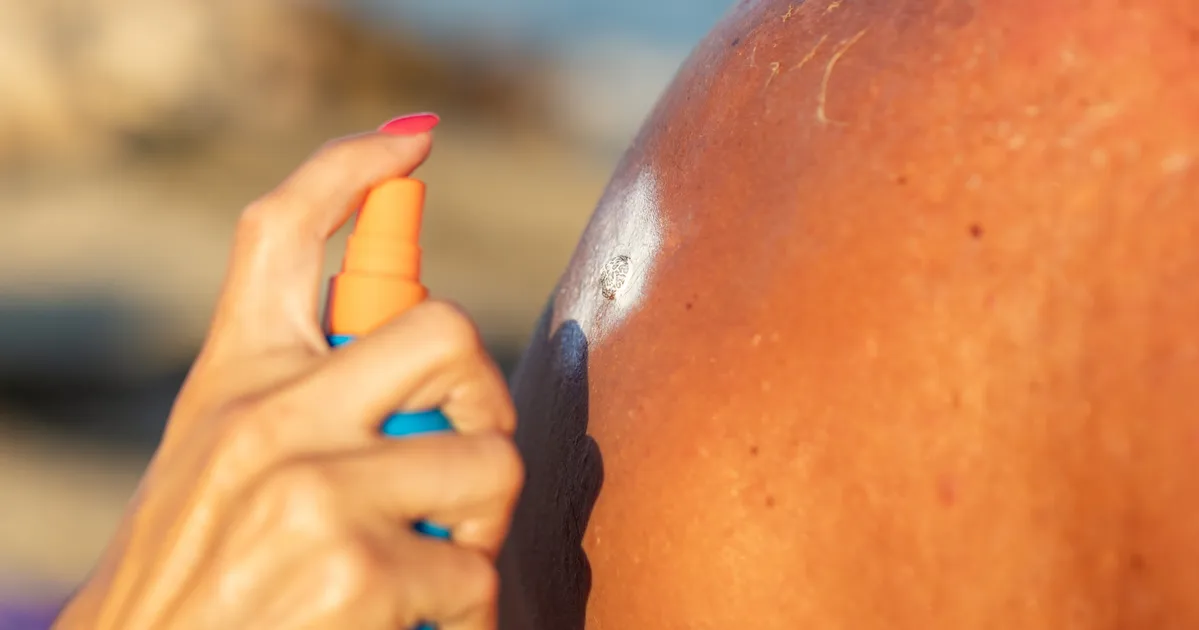
An experimental cancer vaccine has shown promise in preventing melanoma from spreading and keeping patients cancer-free for longer, pharmaceutical companies Moderna and Merck said Wednesday, with doctors hailing the development as potentially “transformational” in the fight against the deadliest form of skin cancer.High-risk melanoma patients who used the mRNA-based vaccine, called intismeran, experienced significantly improved results during a recent large Phase 3 clinical trial involving 1,137 individuals who had had their cancer surgically removed, the companies said in a release.The study’s full results, including how much patients benefited, have not yet been published, but will be presented at an upcoming international medical meeting and shared with regulatory authorities, both companies said.Cancer researchers are already hailing the news as a likely significant breakthrough.“I think it’s going to be transformational, honestly,” Dr. Ashi Weeraratna, an expert in melanoma metastasis at John Hopkins Bloomberg School of Public Health who was not involved in the study, told HuffPost. “It’s very exciting because this approach is sort of really tailored to individual patient mutations.”“It’s a big deal,” Dr. Elias Sayour, a pediatric oncologist at the University of Florida, also not involved in the trial, told The New York Times. The results “could help usher a whole new wave of new therapeutic treatments for cancer,” he said.High-risk melanoma patients showed significant improvements with an mRNA-based vaccine, pharmaceutical companies Moderna and Merck said Wednesday.Dusan Stankovic via Getty ImagesThe vaccine uses mRNA-based therapy, which has been lauded as a promising way to quickly develop cancer-fighting vaccines that train one’s immune system to identify and fight off something specific, such as cancer cells.mRNA was also used to create the first COVID-19 vaccines in less than a year’s time — a feat that shattered the previous records for fastest vaccine creation.“Cancer vaccines have been in the works for a very long time, but it’s the power of the mRNA technology that has changed,” said Weeraratna, who called news of the vaccine “an exciting advancement” in her almost 30 years of studying the disease.Intismeran is individually designed for each patient so that their immune system recognizes and targets their tumor’s unique set of mutations. It would be the first vaccine of its kind if approved by federal regulators.The vaccine was administered with a separate cancer immunotherapy drug by Merck called Keytruda. Patients who took the drugs together had extended time before their cancer returned, compared to patients who only took Keytruda, the companies said.Another benefit of an mRNA vaccine, in addition to being personalized to the patient, is that it produces very few side effects and toxicity, as opposed to other immunotherapies that many patients don’t respond to or see long-term success with, said Weeraratna.“Part of that is because cancers come back. It’s what we call tumor dormancy, where basically you can take the bulk of a tumor out, but there are still a few cells that remain, and they may not do anything for a while ... and then they eventually come back,” she said. “I think that’s what’s so exciting about this current therapy, is that it actually seems to be reducing the number of tumors that then come back after the initial therapies.”Melanoma kills approximately 8,000 people each year in the U.S. Most people will be treated successfully if it’s found early, but even those diagnosed with an early melanoma will relapse, according to the Melanoma Research Foundation.“The lifetime risk of getting melanoma is about 1 in 33 for Caucasians, 1 in 200 for Hispanics and 1 in 1,000 for African Americans,” according to the foundation’s website.The Melanoma Research Alliance, which said it has funded some of the researchers involved in the study, similarly celebrated the results as “encouraging news for people affected by melanoma.”“Today’s results are an important step toward potentially making it available to patients in the future,” the organization said in a statement.Relatedcancer VaccineModernamelanomamerck
New Melanoma Vaccine Shows Promise In Fighting Cancer, Preventing Recurrence
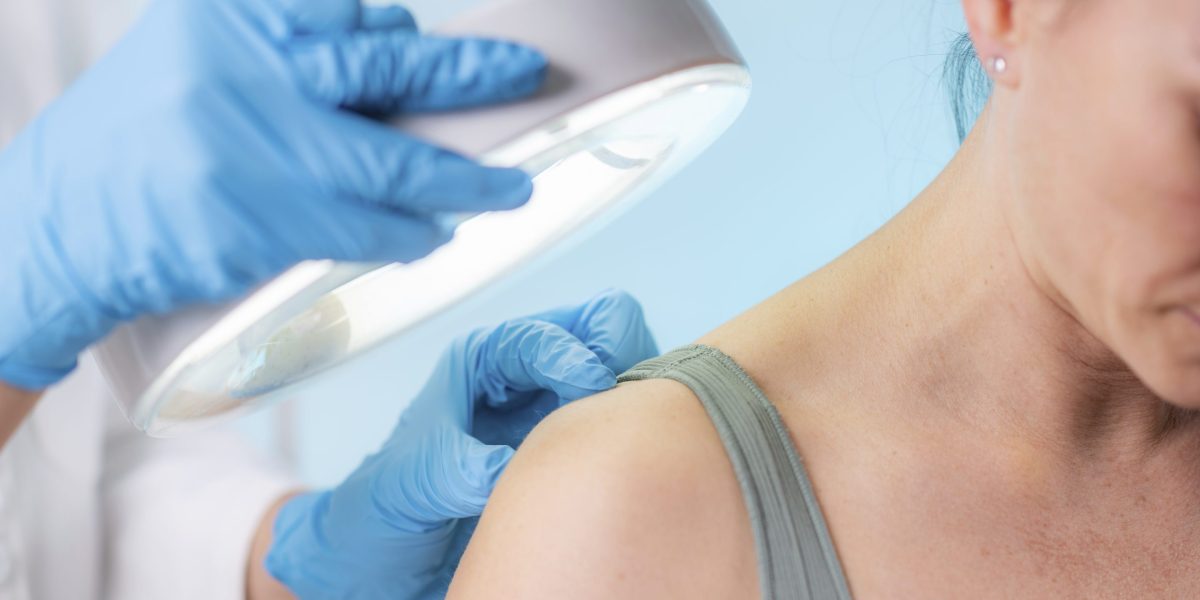
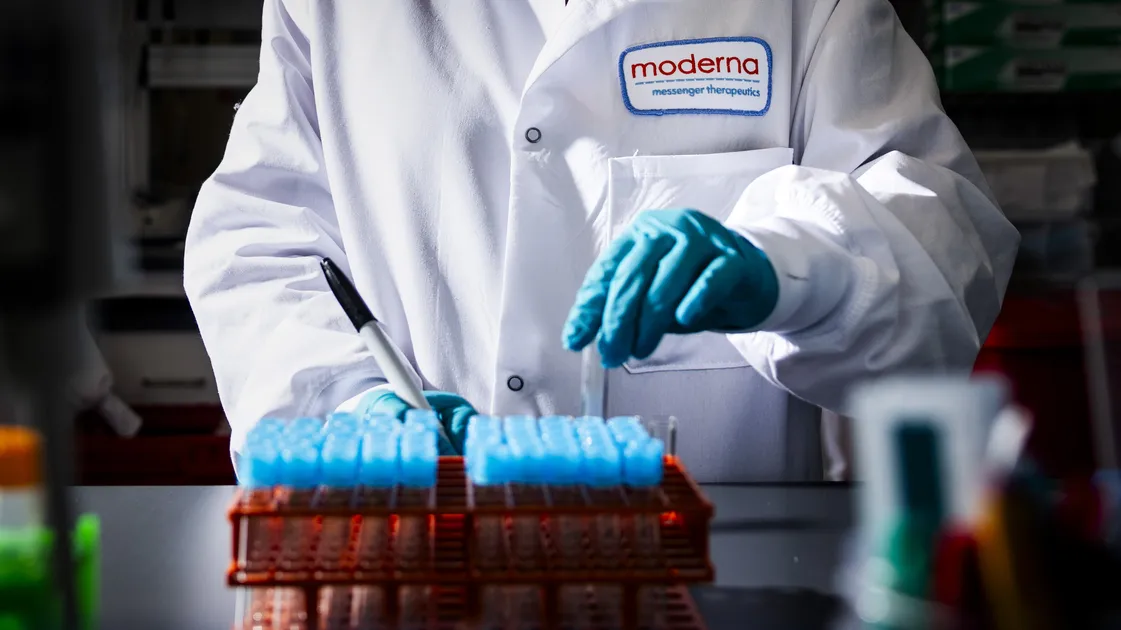
“It’s very exciting,” a melanoma expert said of the experimental cancer vaccine announced by pharmaceutical companies Moderna and Merck.
639 words~3 min read