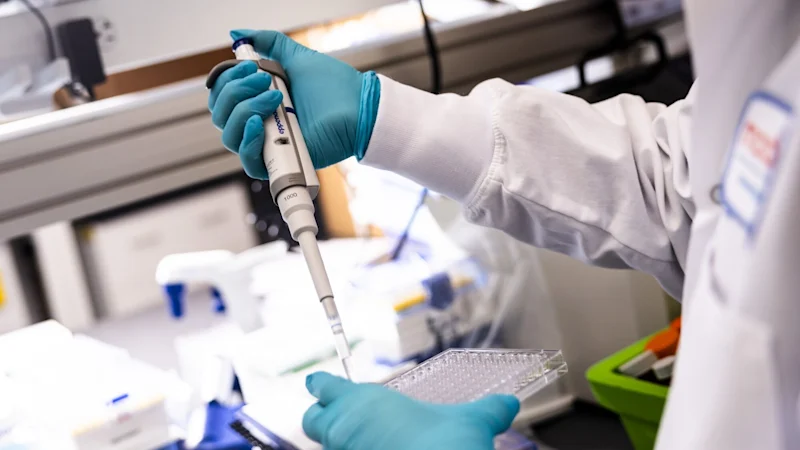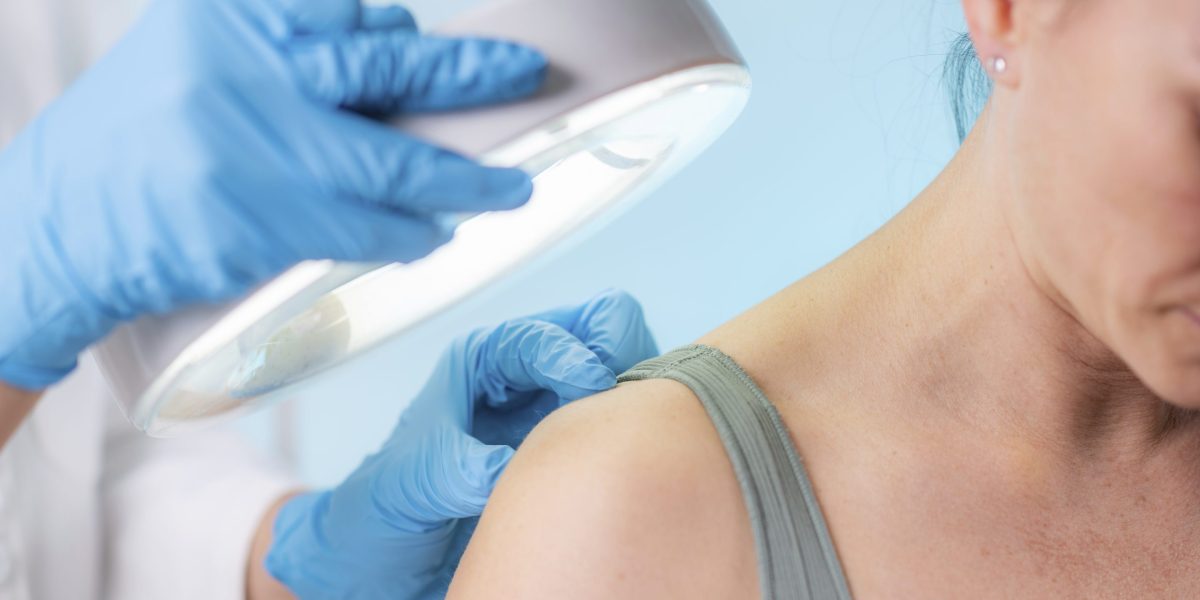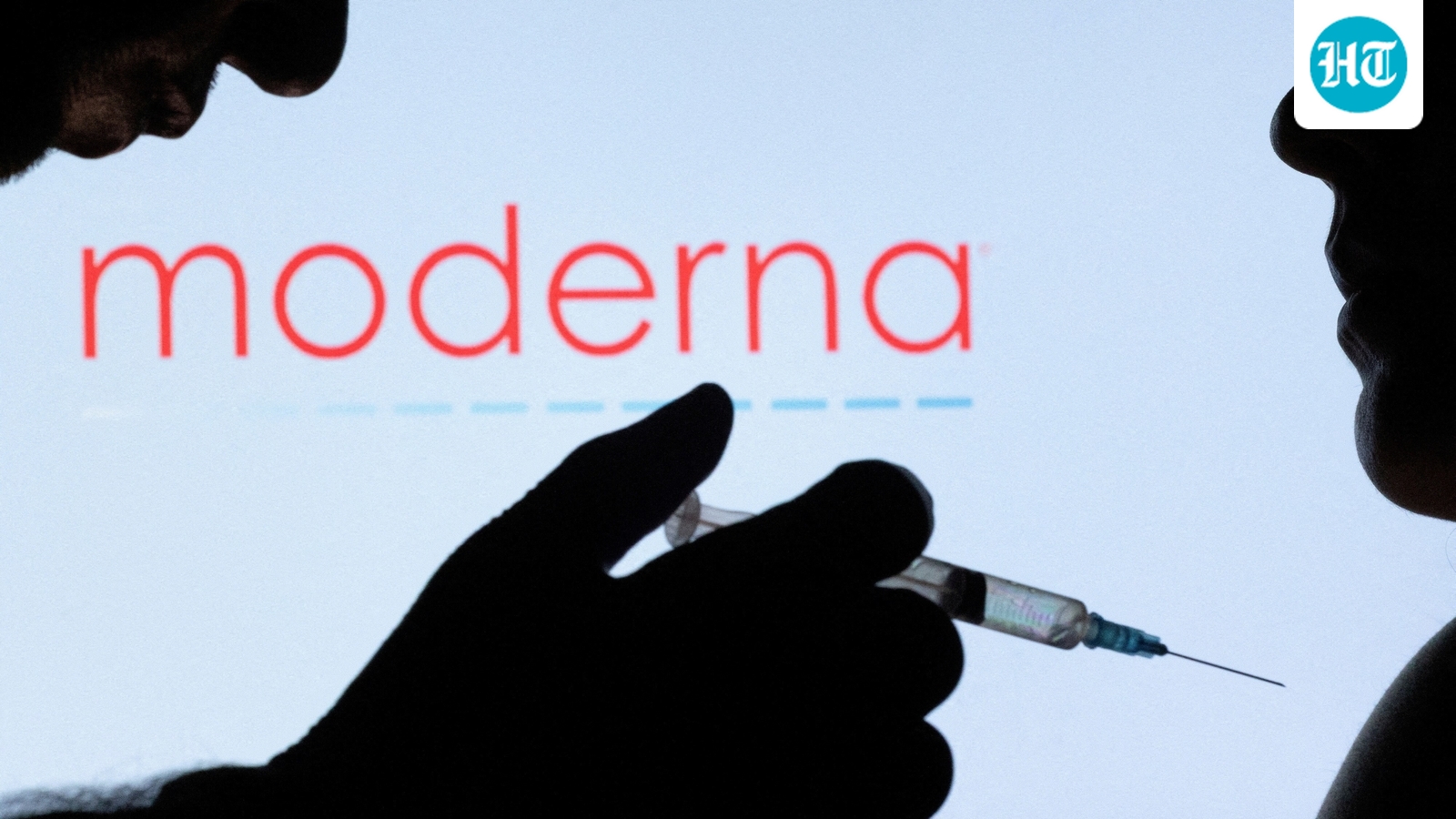
A personalised vaccine developed by Moderna and Merck reduced the recurrence of melanoma in a large, late-stage trial, raising expectations for treating the deadliest form of skin cancer and showing the promise of the embattled mRNA technology.The trial met its main goal as the vaccine, combined with Merck’s immune drug Keytruda, prevented the cancer’s return after it was surgically removed more often than the immunotherapy alone, Bloomberg reported. It also slowed the spread to new areas of the body, the companies said on Wednesday.Moderna shares spiked by a record 177 per cent on Wednesday, though the stock remains well short of its Covid-era highs. Merck shares climbed nearly 13 per cent.The study, the first positive final-stage trial for any mRNA-based cancer therapy, is a welcome development for both companies. It provides the strongest evidence yet that the technology that made Moderna a household name during the pandemic will have a successful second act. For Merck, facing a patent loss for its best-selling drug Keytruda, it offers a key new market for future growth.“It is an important step forward for the field of cancer immunotherapy, more specifically for cancer vaccines, which have had a long but relatively unsuccessful track record until now,” said Jedd Wolchok, a melanoma expert and director of the Meyer Cancer Centre at Weill Cornell Medicine. It shows that training the immune system to recognise specific cancer targets can enhance the benefits of existing immune drugs, he said.Details on how much the shot improved recurrence-free survival – the amount of time a patient lives without their cancer coming back – weren’t released. The trial is still under way to see if patients who get the vaccine live longer.Melanoma is the most serious form of skin cancer. In the US, roughly 112,000 people are diagnosed and about 8,500 people die from it each year, according to the American Cancer Society.The companies said they will discuss filing for approval with regulators and plan to present the data at an upcoming medical meeting. In an interview, Moderna chief executive Stephane Bancel said the personalised vaccine could be approved as soon as 2027.“It is an extraordinary milestone for mRNA science,” Mr Bancel said.How it worksStill, questions remain about the cost and feasibility of producing such bespoke cancer treatments at scale. Keytruda alone can cost more than $200,000 a year for some cancers, depending on how it’s given. Other individualised therapies, such as CAR-T for blood cancers, can exceed half a million dollars, though the manufacturing and treatment approaches vary widely from how the melanoma shot would likely be given.Unlike many new cancer treatments, which are tried first in smaller groups of the sickest patients, the melanoma vaccine was given to people whose tumours could be completely removed during surgery, a larger patient pool. The findings are good news for patients with melanoma, which has long been considered one of the more difficult tumours to treat. The positive trial results come after the US Food and Drug Administration earlier this month approved Replimune Group's Tudriqev for patients with advanced melanoma that had stopped responding to immune therapy. The personalised Moderna-Merck shot works in a different way to stimulate the immune system. The two companies have been focused on the science behind the vaccine, called intismeran autogene, for more than a decade. Developed using the messenger RNA technology that powered Moderna’s Covid immunisation, the companies customise the vaccines based on the patient’s specific tumour mutations.Each one takes about six weeks to make. Scientists take a sample of the patient’s tumour, either from existing tissue or a new biopsy, and analyse it for mutations.An algorithm identifies which are most likely to provoke an immune response, and as many as 34 are used to produce a personalised vaccine, said Jane Healy, head of oncology early development at Merck. During that waiting period, patients get Keytruda.
Skin cancer breakthrough delivers second act for Moderna's mRNA vaccines | The National
Large-scale trial saw deadliest form of disease halted
639 words~3 min read