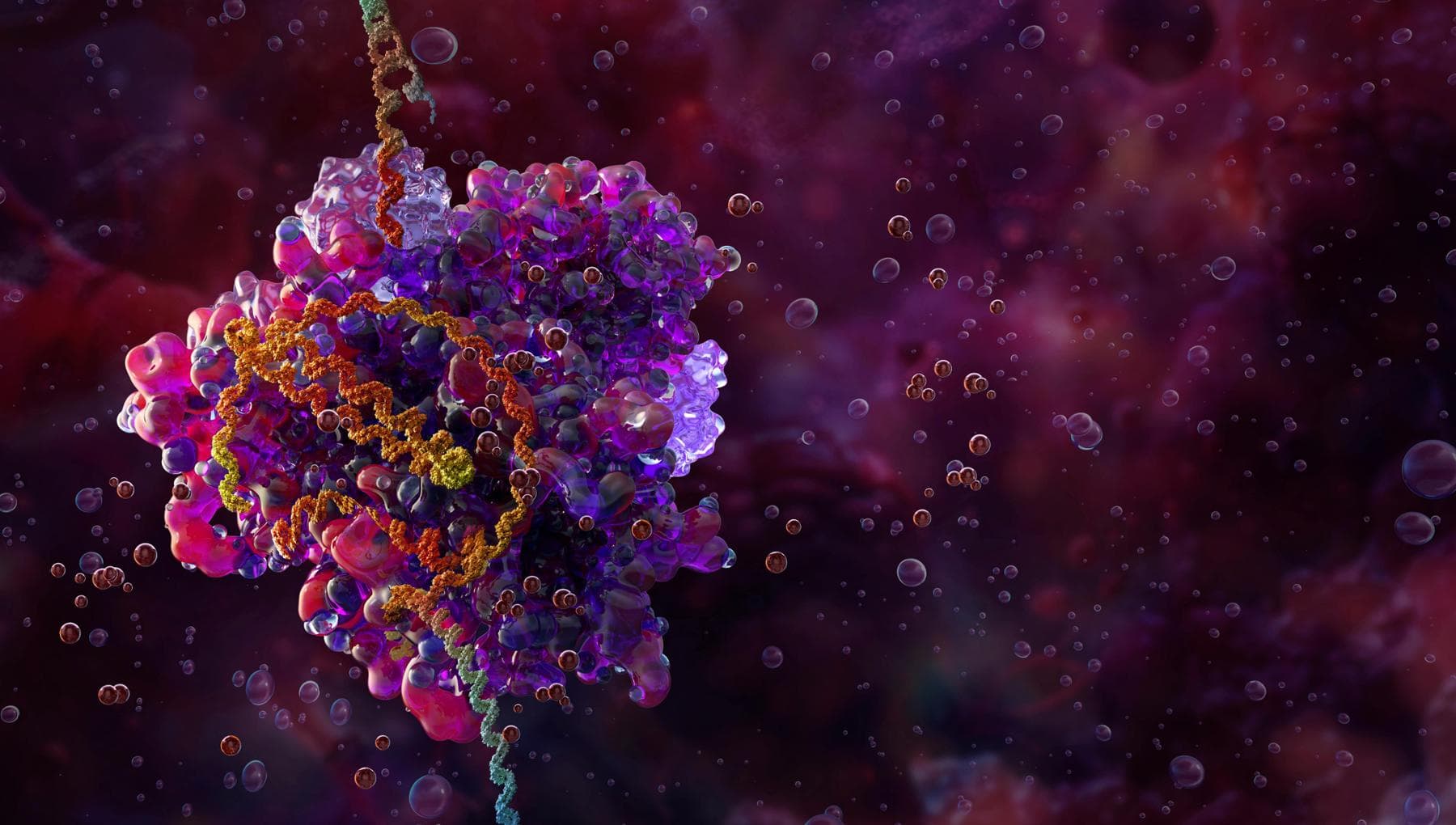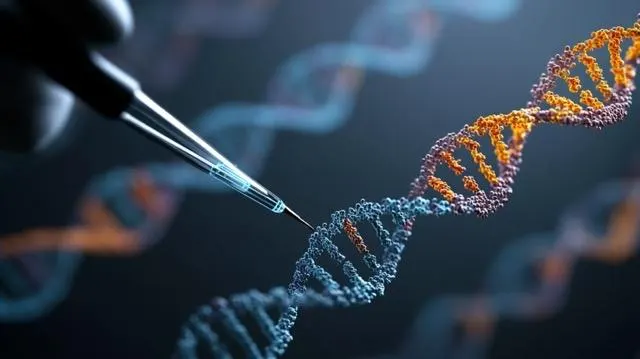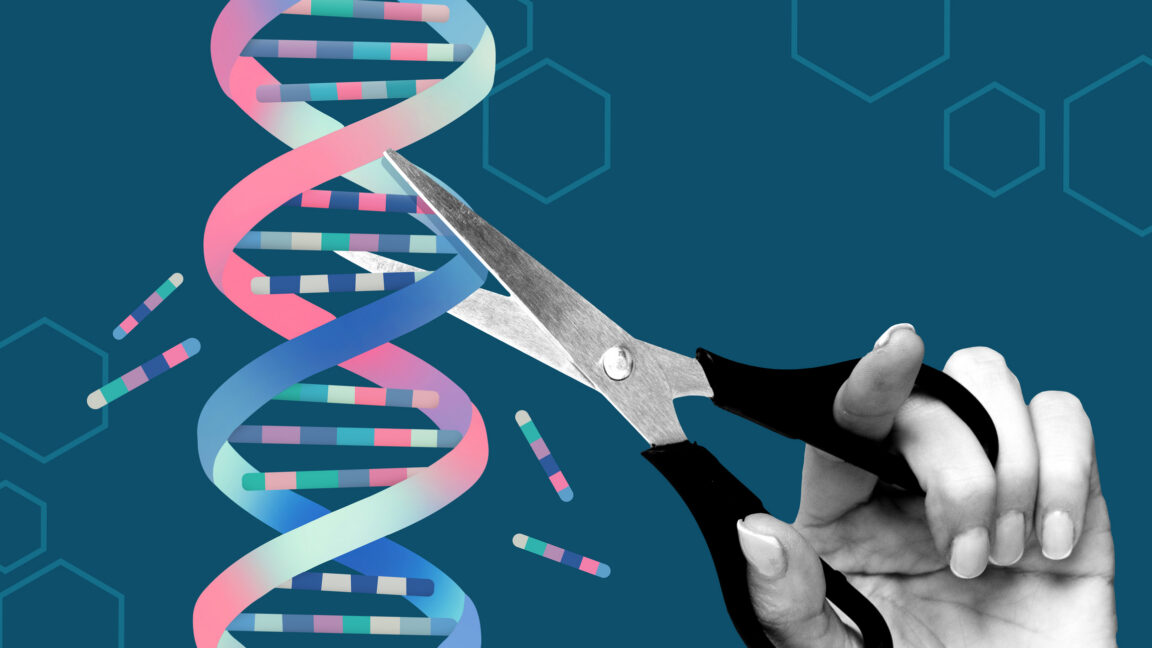
When an individual is born with genetic defects, there are a few ways to deal with the impact of the faulty genes. The most extreme solution is direct DNA editing to repair the mutation, while the treatment of symptoms with medication is the least invasive, though this comes with its own set of disadvantages. Antisense therapy keeps a middle ground here, by targeting the messenger RNA (mRNA) that forms the bridge between DNA and the translation into a functional protein by the ribosome.
In a recent study by [Olivia Kim-McManus] et al. antisense therapy with an allele-specific feature was demonstrated in two individuals with SCN2A mutations. These mutations had resulted in severe epilepsy and developmental disorders, due to how instrumental this gene is for normal functioning of the human central nervous system (CNS) where it regulates the initiation of action potentials.
Although SCN2A mutations are rarely inherited, for the approximately 1 in 80,000 affected the consequences can be quite dramatic. The two major types of mutations are classified as gain-of-function (GoF) and loss-of-function (LoF) with respectively hyper- and hyposensitivity of the resulting NAv1.2 sodium channels.
This translates especially in the case of GoF mutations into various symptoms, ranging from mild to severe (daily) epileptic attacks starting as an infant, stalled neurodevelopment and various types of autism (ASD). Often sodium channel blockers are prescribed for the GoF cases to limit epileptic attacks.