SCN2A-related developmental epileptic encephalopathy (DEE) is a rare, severe form of childhood epilepsy and one of the most common causes of monogenic autism. The condition is caused by single mutations in the sodium voltage-gated channel alpha subunit (SCN2A) gene, which controls the flow of sodium ions into neurons. These mutations promote abnormal brain excitability, resulting in uncontrolled seizures along with developmental delays, autism, movement problems and gastrointestinal issues. Most of these mutations are de novo (not inherited from a parent) and arise spontaneously.
Traditional antiseizure medications are often ineffective and do not address the underlying genetic cause of SCN2A-related DEE.
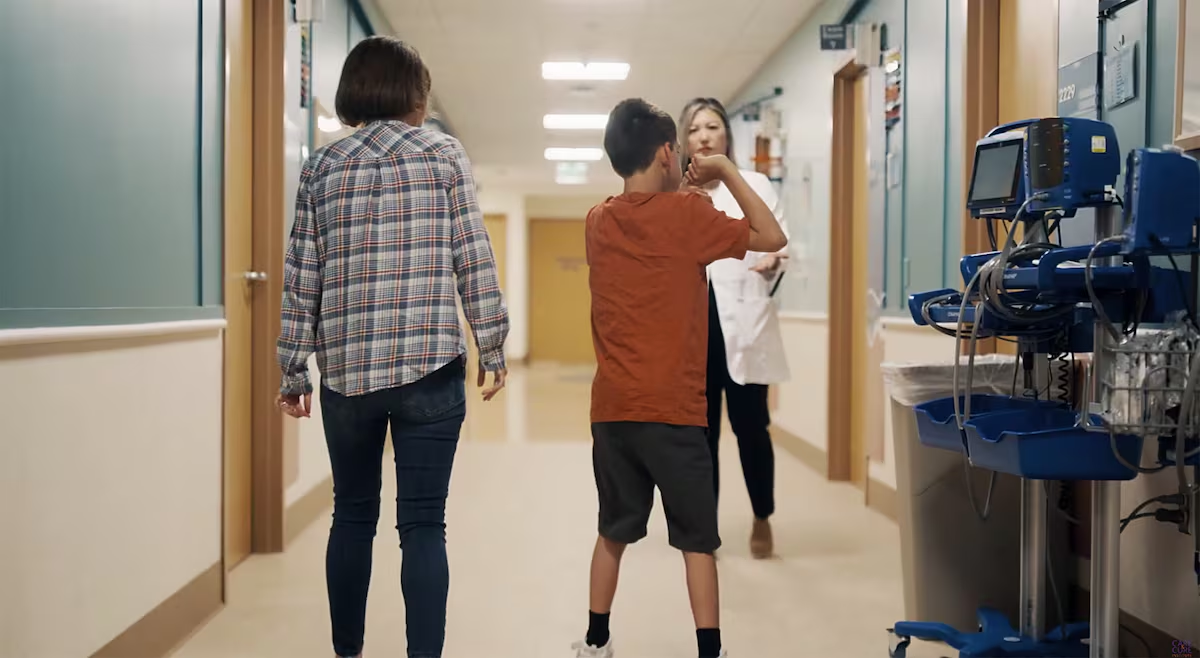
Now, an international team of researchers led by the University of California San Diego and Rady Children's Institute for Genomic Medicine has treated two children with the condition using gene therapy tailored to each child's specific SCN2A mutation.
In two separate n-of-1 clinical trials over a two-year period, the children, ages 9 and 14 at the beginning of their clinical studies, showed a dramatic drop in seizure frequency in addition to developmental gains, with minimal side effects.