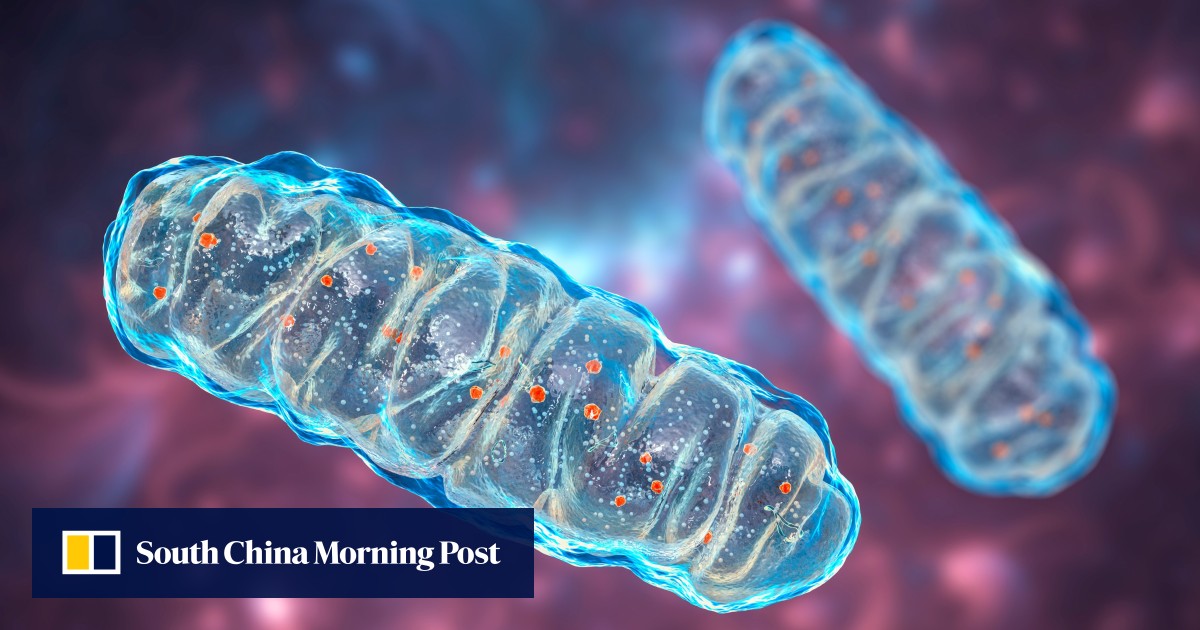
Their method is the first to directly fix flaws in animals’ mitochondrial DNA, which are responsible for severe and deadly conditions
“Efficient generation and correction of mutations in mitochondrial DNA (mtDNA) is challenging,” the researchers said in the first of two papers published in the peer-reviewed journal Nature Biotechnology on June 3.
Mitochondrial DNA mutations have been associated with several genetic diseases in humans. These include Leber hereditary optic neuropathy, which causes vision loss; Leigh syndrome, a neurological disorder; and mitochondrial encephalomyopathy, which can cause stroke-like episodes and muscle weakness.
There is currently no cure for mtDNA diseases, which affect around one in 5,000 people worldwide and can lead to serious symptoms and premature death.