Skip to content
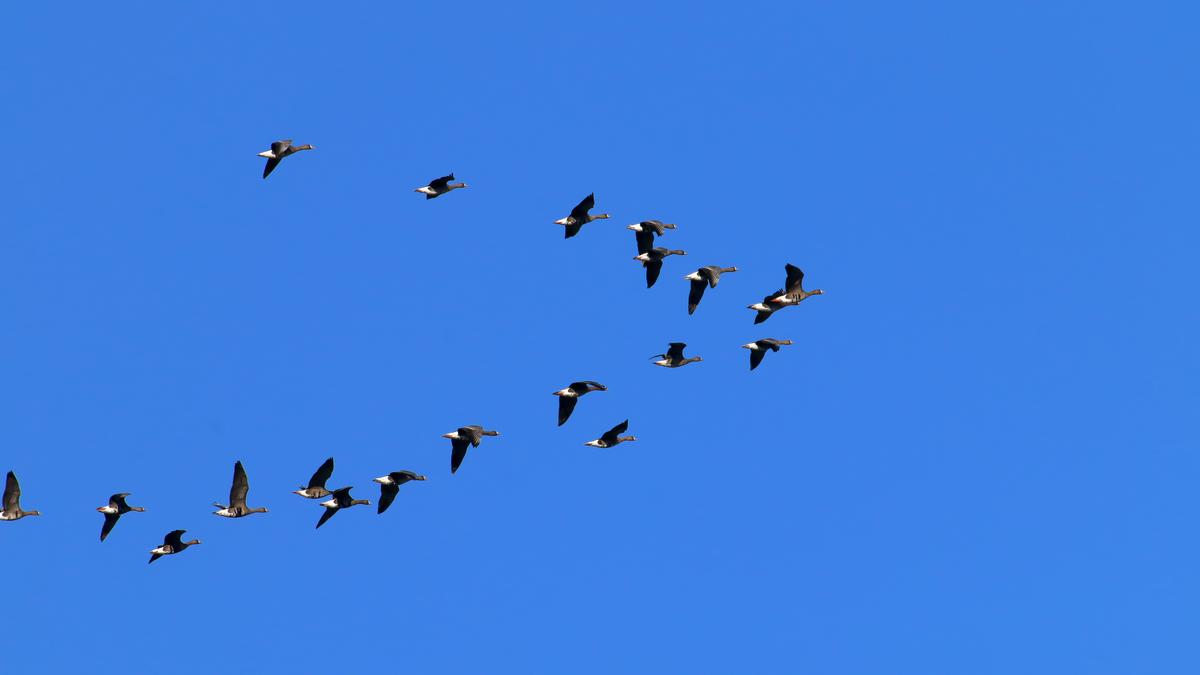
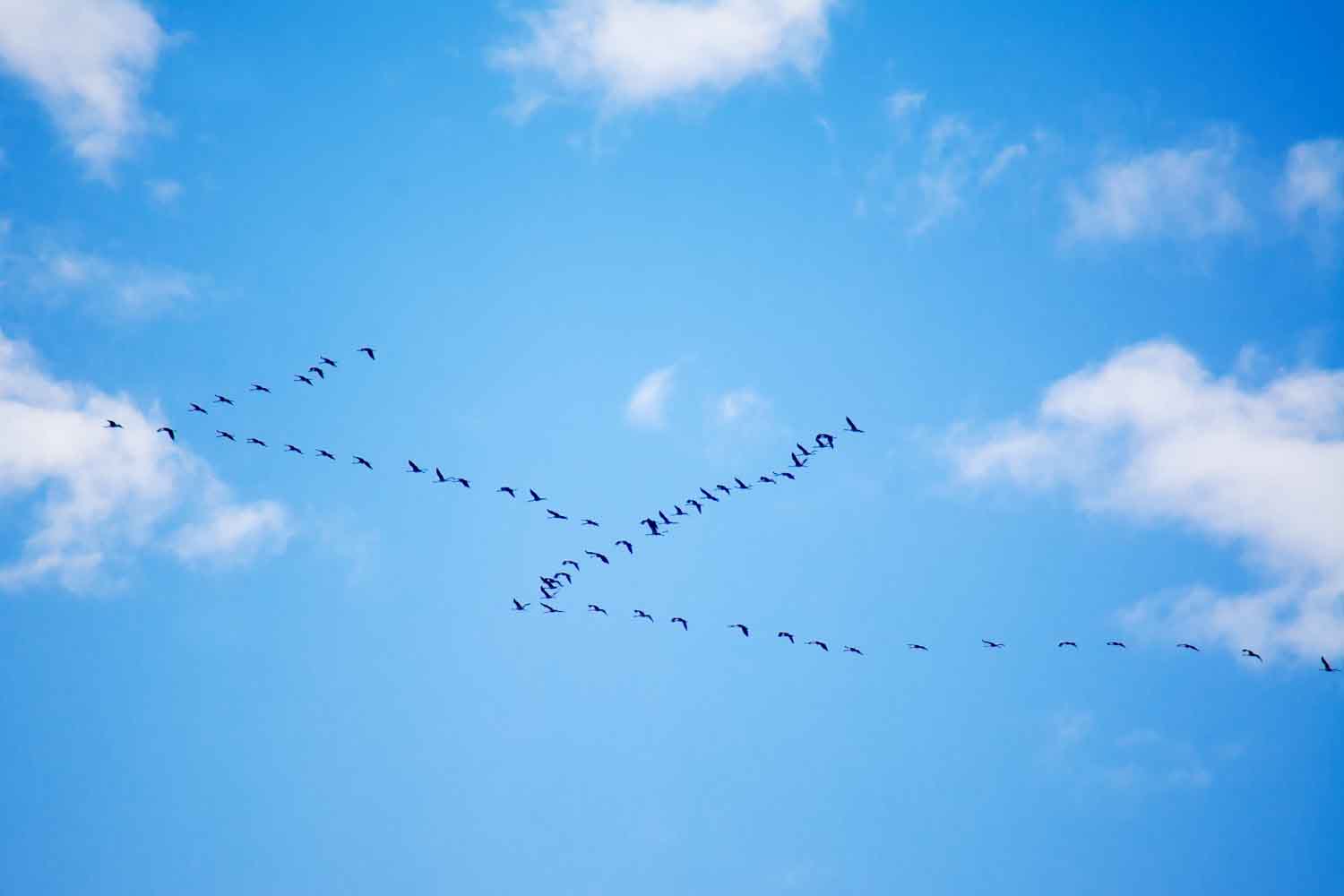
Although it’s commonly suspected that migratory birds fly in a ‘V’ formation due to this saving energy for the birds in the slipstream, understanding the exact aerodynamics behind this and how it affects the way that the birds use their wings to maintain this optimal pattern. After all, unlike airplanes and cars, our feathered avian dinosaur friends need to flap their wings if they want to have any chance of staving off plummeting back to Earth. Recent research by Brown University researchers now have provided a simulated model that answers many questions.
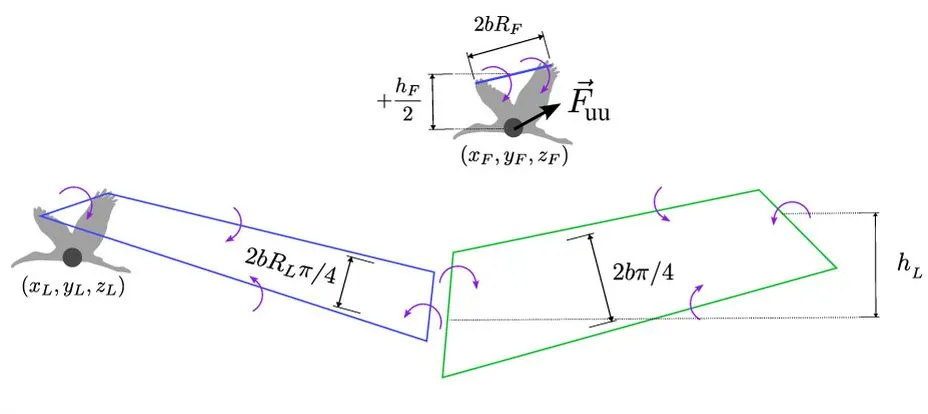
The major question was how this would work in the up- and down-wash zones created in this type of formation, with every bird following the lead bird dealing with the vortices created by the flapping of the wings of the bird before them. These wake vortices are quite complex, and thus required careful modelling to make sense of them.
As described in the paper by [Olivia Pomerenk] et al., the model is based on northern bald ibises, taking into account live-bird measurements for validation of the model. The main effect that can be observed is a reduced flapping amplitude, leading to an 11% energy savings for the birds in the leader’s wake.