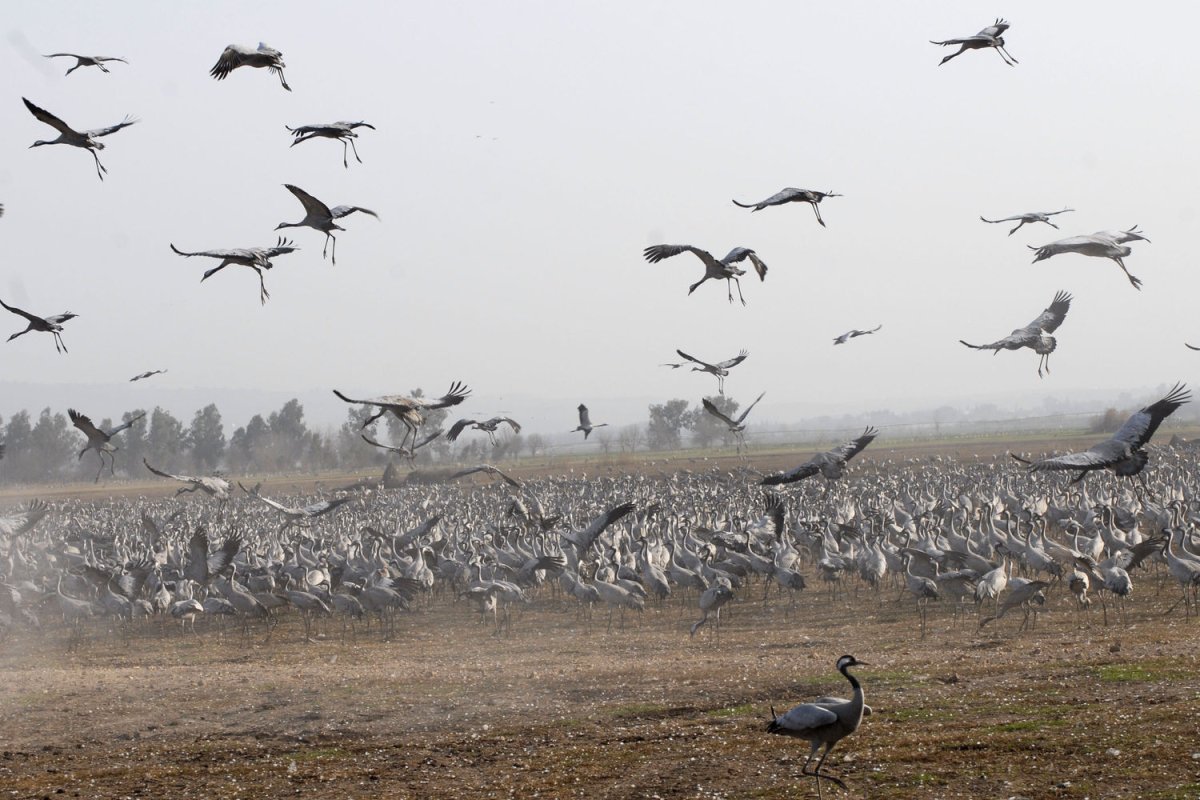
Every year, as the seasons change, millions of birds undertake one of nature's greatest journeys.
Some travel only a few hundred kilometres, while others fly thousands without recognising political borders or national boundaries.
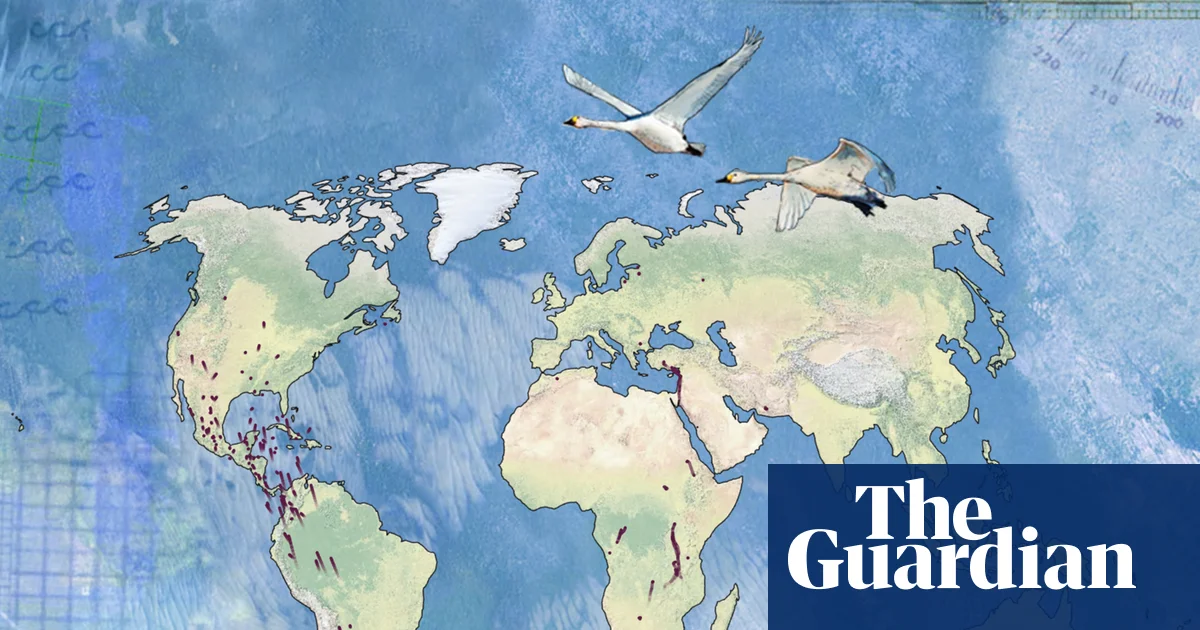
Instead, they follow ancient migration routes known as flyways, natural aerial corridors shaped by geography, climate and the availability of food and resting sites.One of the world's most important of these routes is the Central Asian Flyway (CAF).
Spanning around 9,000 kilometres, it connects the breeding grounds of northern Eurasia with the wetlands, forests, grasslands and coastlines of South Asia.
Supporting hundreds of migratory bird species across 30 countries, the flyway has become a vital lifeline for birds travelling between Europe, Asia and the Indian Ocean each year.A migration route that crosses mountains, deserts and oceansThe Central Asian Flyway stretches from the Arctic Ocean and Siberia southwards through Central Asia before reaching countries including India, Pakistan, Nepal, Bangladesh, Bhutan, Sri Lanka and the Maldives.Rather than following a single narrow path, the flyway consists of a network of interconnected habitats where birds can rest, feed and breed during different stages of their migration.