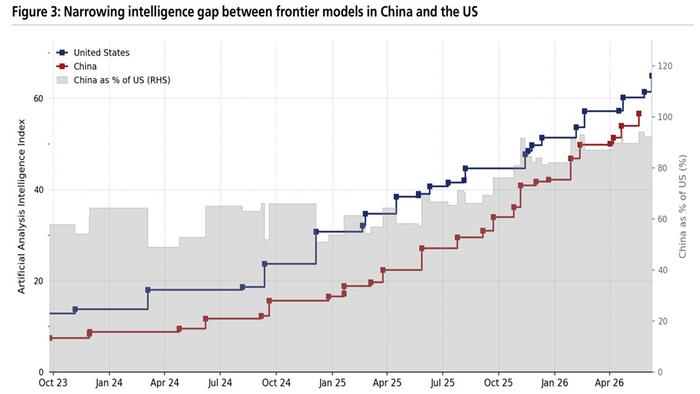
As Chinese open-weight AI models grow in capability and popularity, arguments about what should be done about them have once again reached a fever pitch.
There’s talk that the Trump administration might try to ban them (though it hasn’t yet acted on the idea). Meanwhile, proprietary model makers, particularly OpenAI and Anthropic, appear increasingly concerned about them.
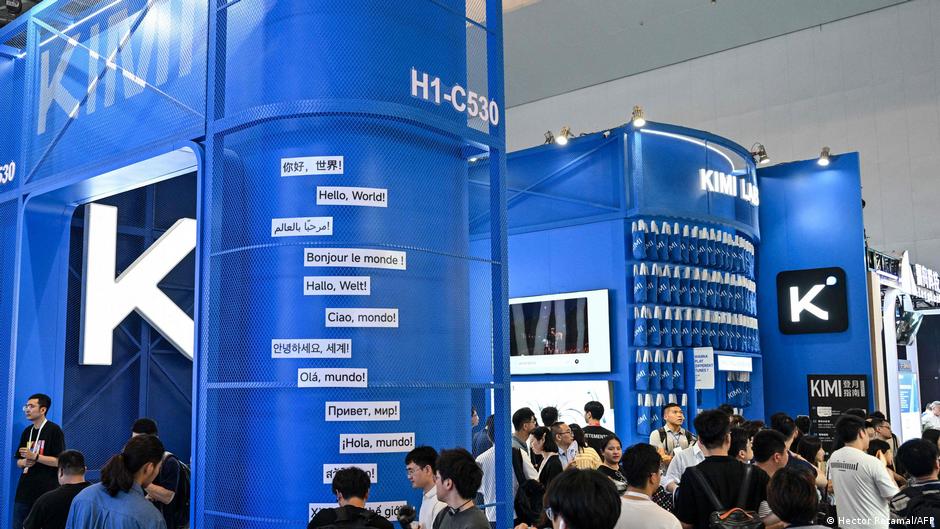
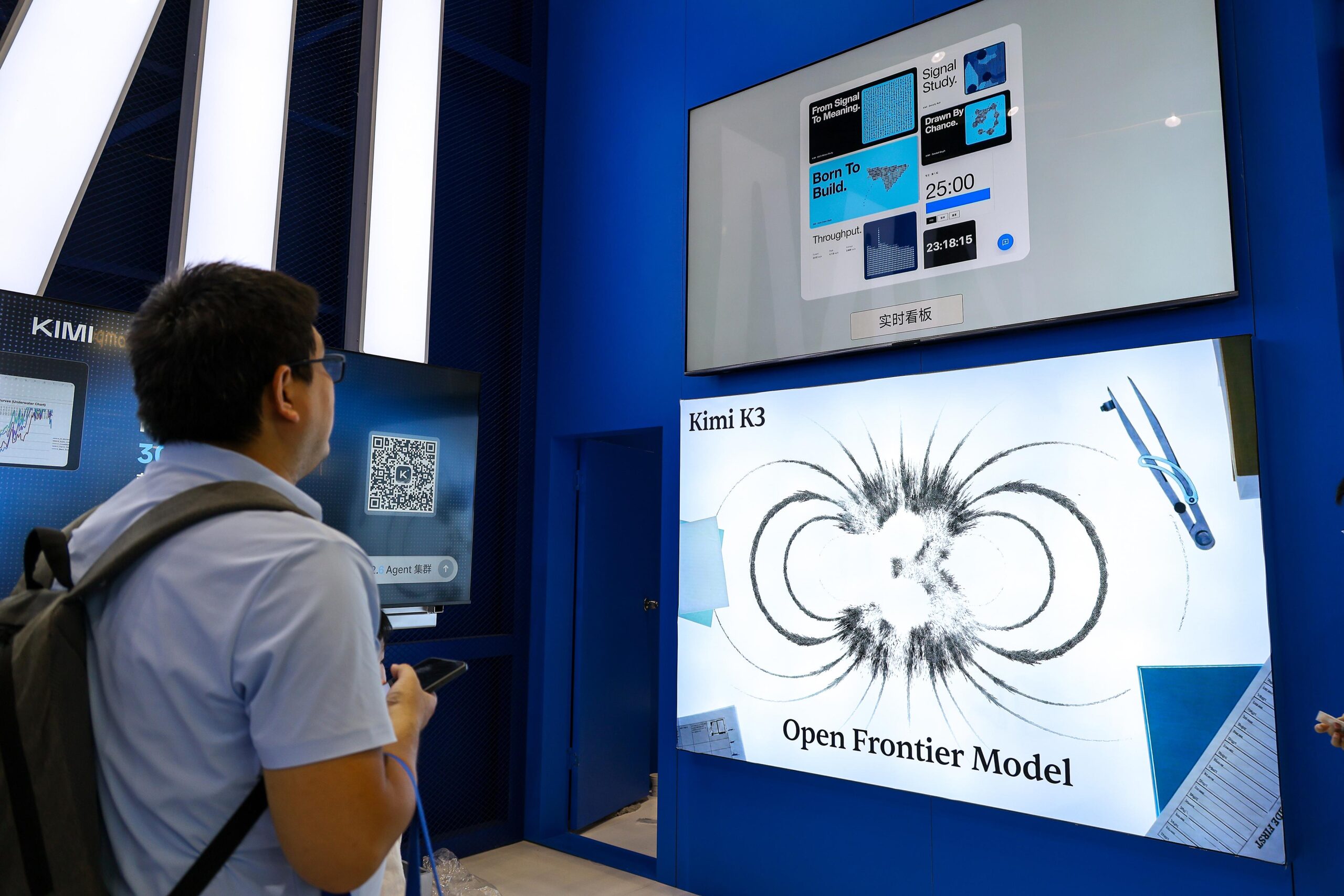
Open-weight models such as Moonshot AI’s Kimi K3 or Alibaba’s Qwen offer inference at a fraction of the token cost of closed-source models from these large U.S. labs. The fear is that they also pose some sort of threat. Certainly, they threaten the profit margins of the large proprietary AI labs.
But should enterprises running these models in their own data centers succumb to the fear that they could be a vector for Chinese hackers?
No, says Lucas Atkins, the CTO of Arcee, which is building open models to give U.S. companies a homegrown alternative to Chinese models.