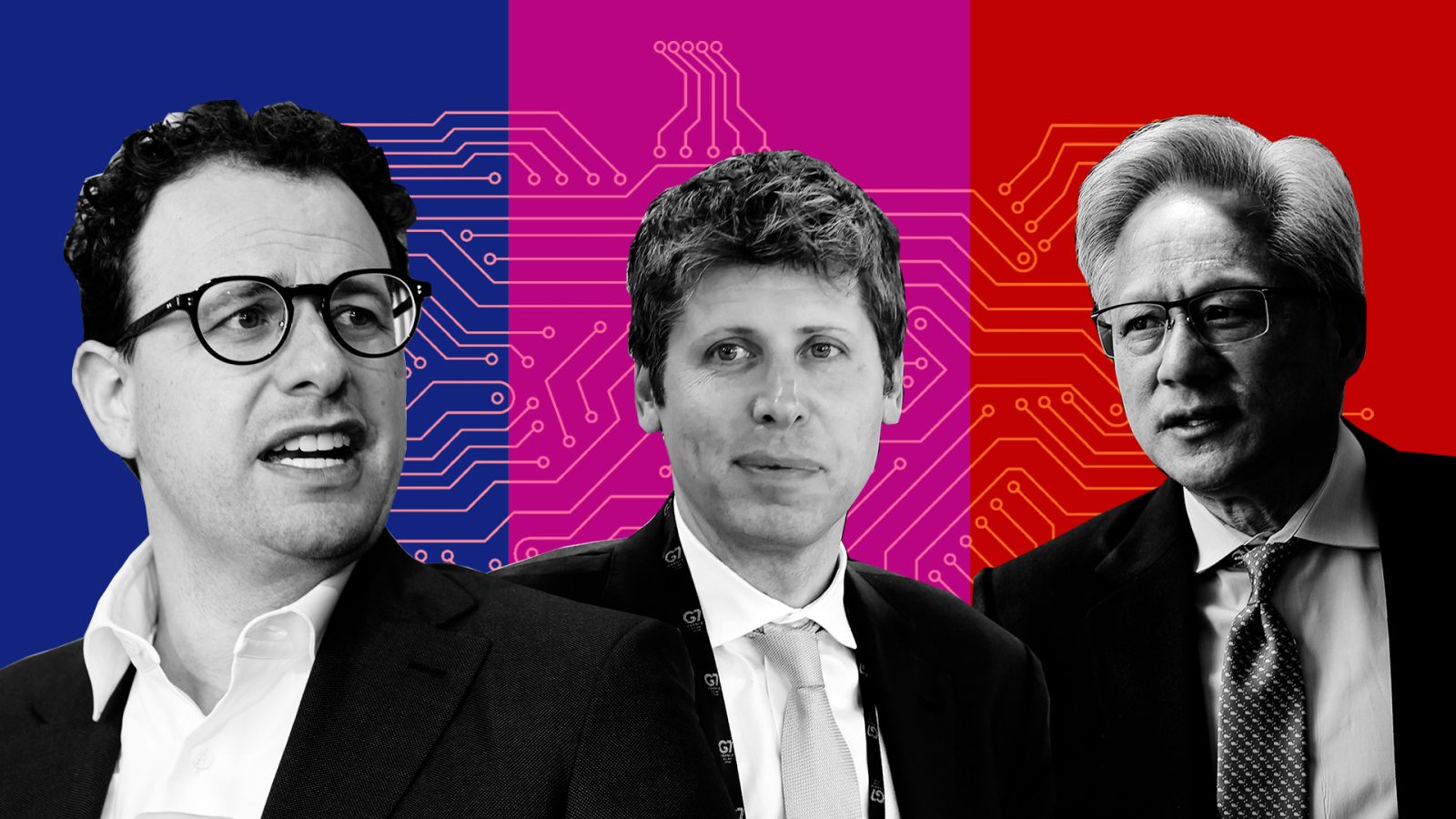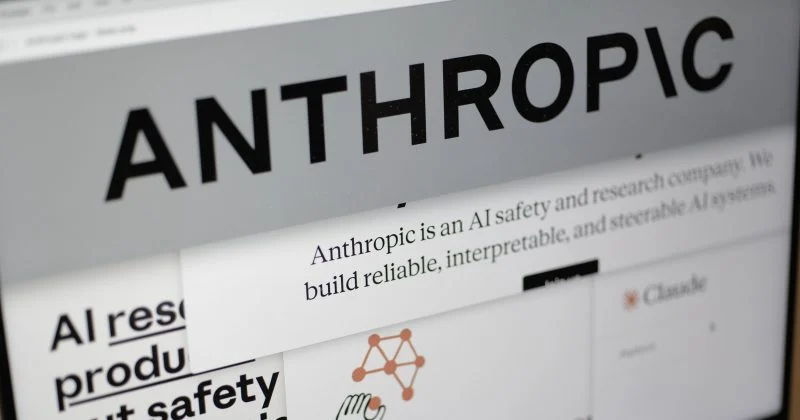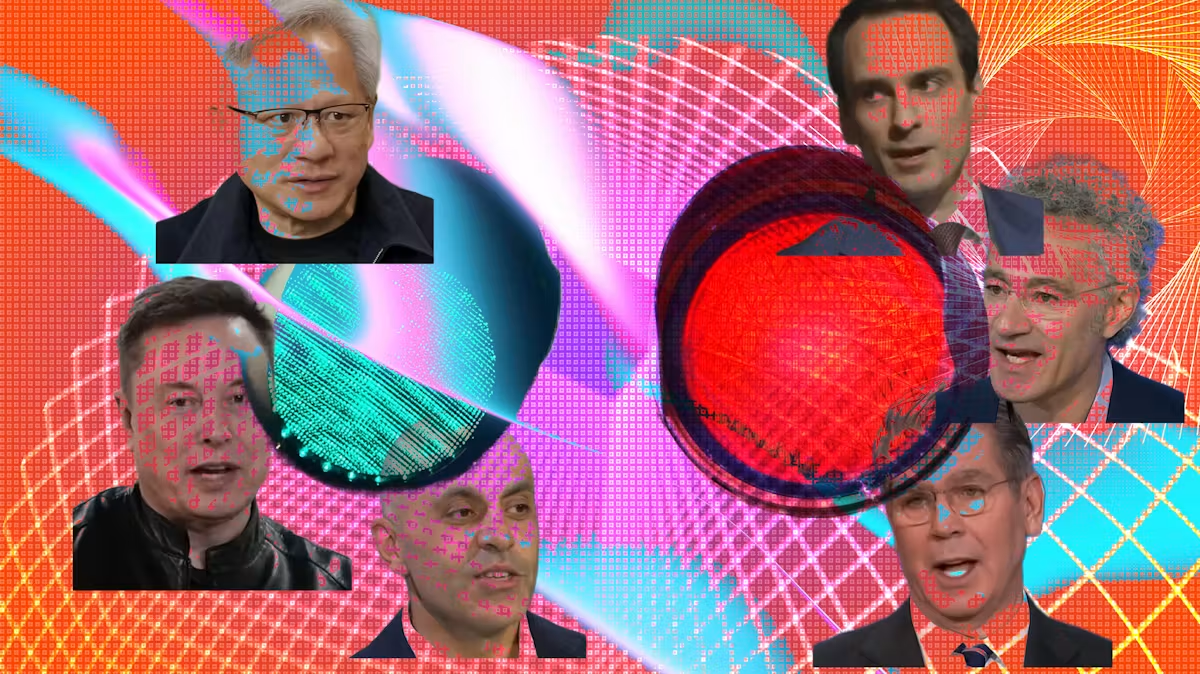
The two most powerful AI companies in America agree on very little. But OpenAI and Anthropic have found common cause on one issue: they want the US government to restrict access to advanced Chinese AI models, citing national security concerns. Most of Silicon Valley thinks that’s a terrible idea.
The divide has become one of the defining fault lines in American tech policy, pitting the companies building the most expensive AI systems against a broader coalition that sees open competition, including from Chinese labs, as essential to innovation. And the Trump administration appears to be listening to both sides, which means nobody knows what happens next.
The case for restrictions
OpenAI and Anthropic have been making their pitch through a familiar framework: national security. Both companies already block users in mainland China and Hong Kong from accessing their models, a self-imposed restriction that most of their competitors haven’t matched.
Anthropic has gone further, alleging that Chinese firms including DeepSeek and Moonshot (the company behind the Kimi assistant) have engaged in large-scale “distilling” from its AI models. In English: Anthropic claims Chinese labs are systematically extracting knowledge from its models using deceptive methods, essentially reverse-engineering years of expensive research on the cheap.