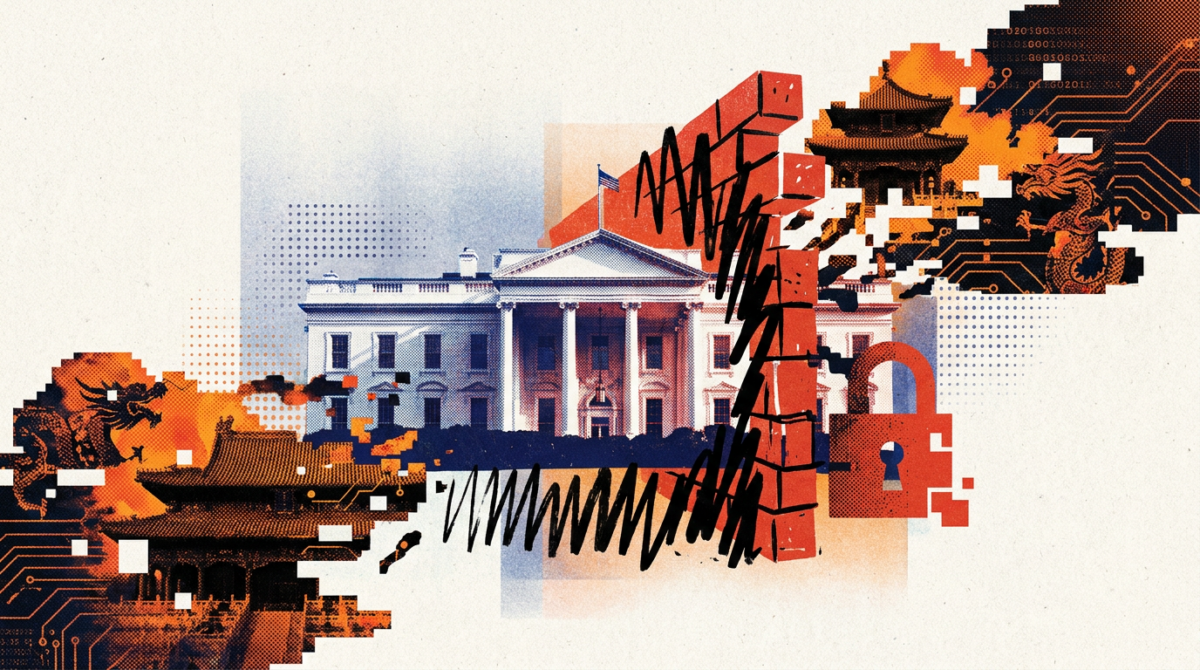
Open-source AI models from China are having a moment. They are climbing industry benchmarks, attracting American developers, and causing growing alarm in Washington. Amid it all, US policymakers have begun considering measures that could effectively ban access to Chinese open models, echoing an earlier proposal by Senator Josh Hawley.
These ideas arise for different reasons and with varying degrees of seriousness. Taking such drastic action, however, would be imprudent and short-sighted.
There are legitimate debates about the security, provenance, and use of particular AI models developed in China. But proposals to categorically bar US access to open-source models developed there raise three broader issues, regardless of one’s perspective on any particular company or model.
Regulate conduct, not code
First, a ban could inadvertently undermine US competition. Open models are regularly used by American startups, scientists, and researchers. In a July 24 letter, Nvidia, Microsoft, Dell, and other large companies stated that open-weight models “strengthen competition and competition is what keeps the gains of AI broadly shared rather than concentrated in a few hands” and “[o]penness may be one of the most important paths to AI safety and security.” Small companies and startups made the same point. A July 22 letter signed by the prominent startup accelerator Y Combinator and 178 other founders and companies cited a survey of founders in its network, which found that nearly half of respondents used open-weight models to power their products. The coalition stressed that “[d]enying American startups access to models available abroad would stifle competition, entrench incumbents, and function as a tax on intelligence, raising their costs and narrowing their choices while foreign competitors retain access to the full global market.”