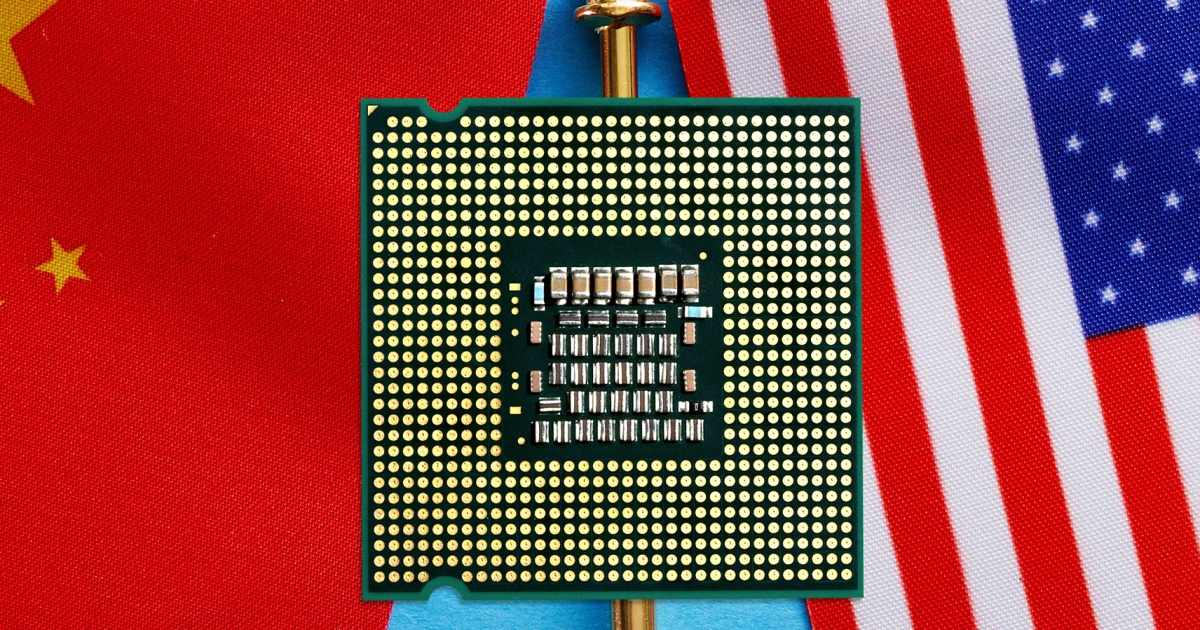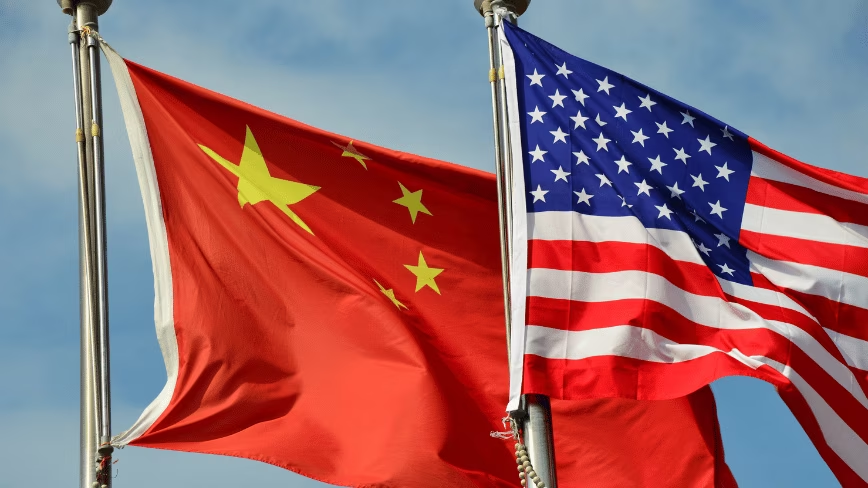
Alright, folks, let's talk about something that's been rattling around my brain since I saw the news from Politico. Startup founders are literally begging the US government not to cut off access to Chinese open-weight AI models. And honestly? As a full-stack dev who's constantly tinkering with Next.js, Supabase, and slapping AI integrations into everything, I'm right there with them.
The Open-Source AI Paradox: Security vs. Progress
We all get it, national security is a thing. Geopolitics are messy. But when you start talking about restricting access to open-weight models, that's where my developer spidey-sense starts tingling. The beauty of open source, whether it's Linux, React, or these massive AI models, is the collective brainpower. It's the community finding bugs, improving performance, and building on each other's work. If we start drawing digital borders around these foundational models, we're not just hurting China; we're hurting ourselves.
Think about it: how many cool tools and libraries in our daily dev lives are built upon or inspired by contributions from developers across the globe? A lot. AI is no different. Restricting access to a significant portion of the open-weight AI landscape means we're potentially missing out on critical advancements, unique architectural approaches, and diverse datasets that could push the entire field forward. It's like saying, "Okay, you can use JavaScript, but only if it wasn't touched by anyone from that country."