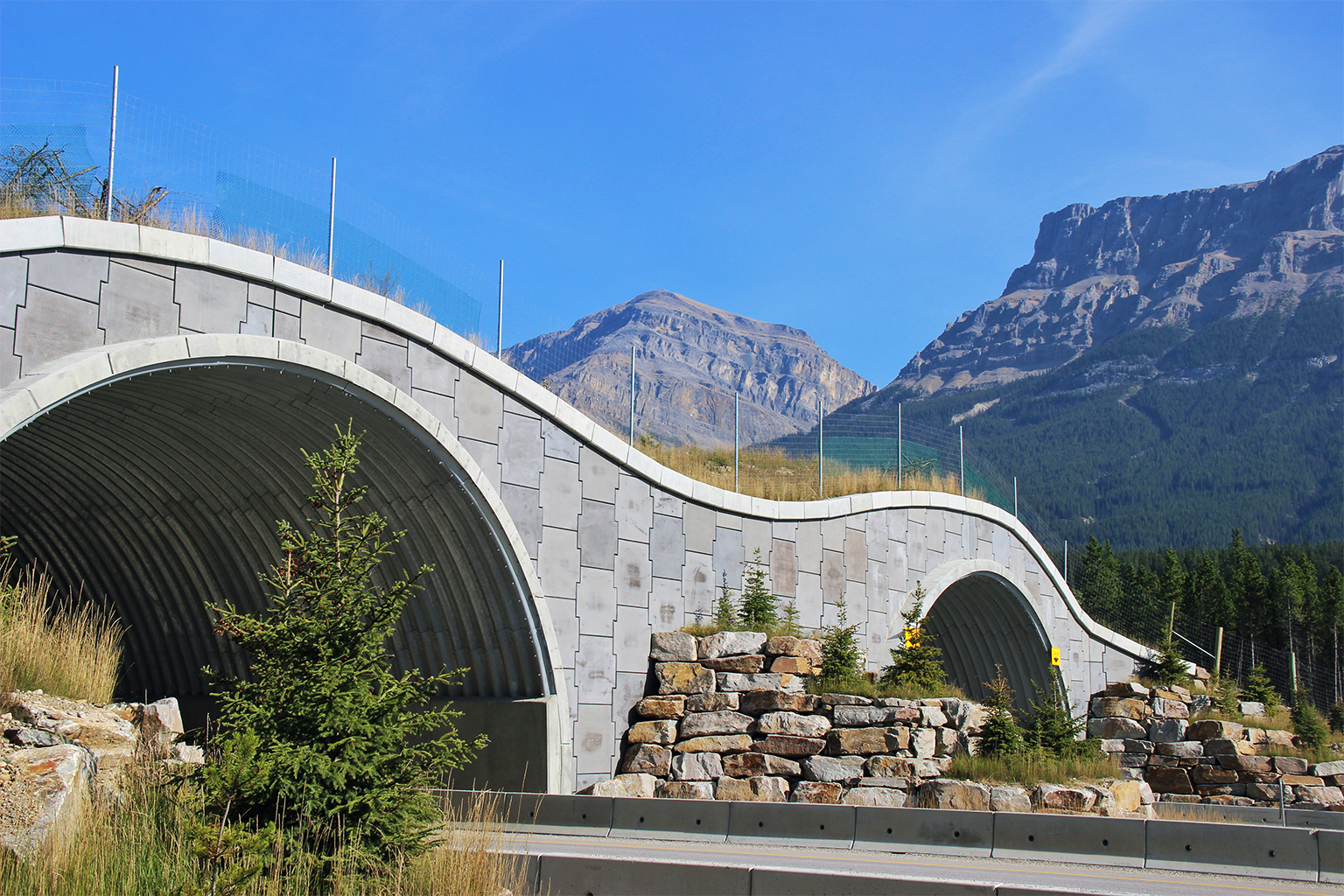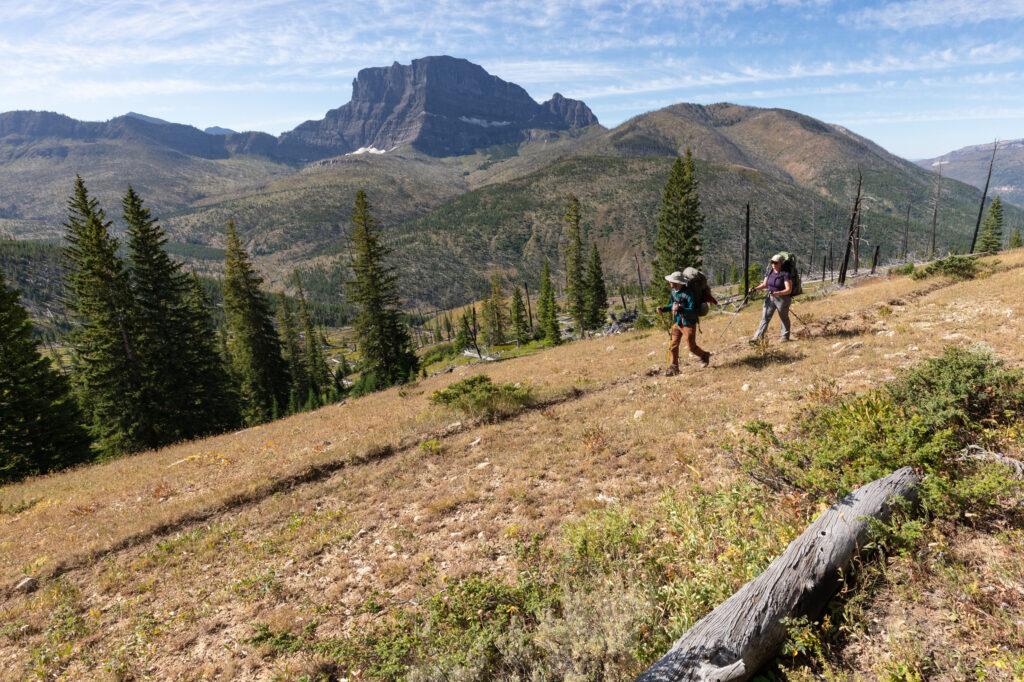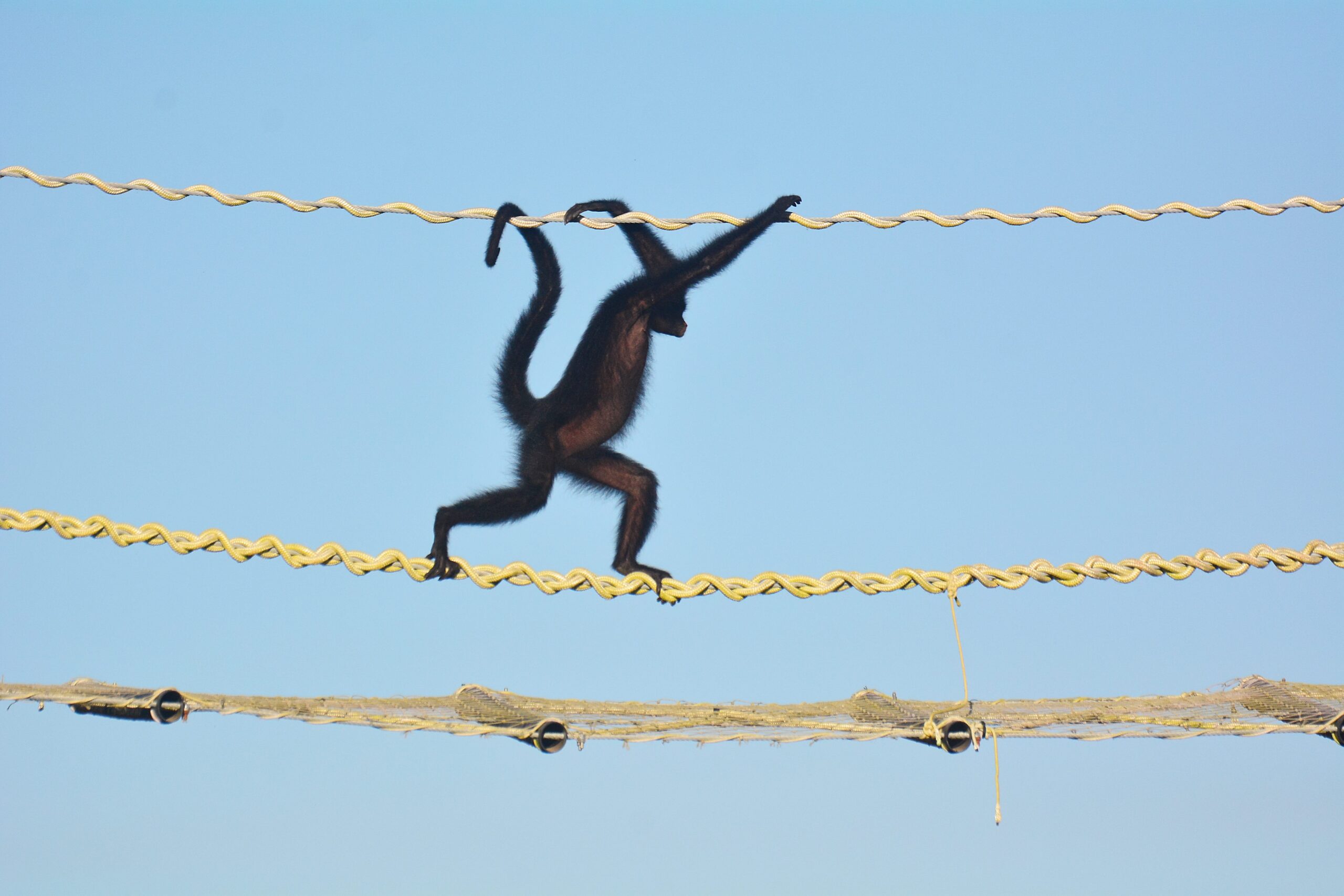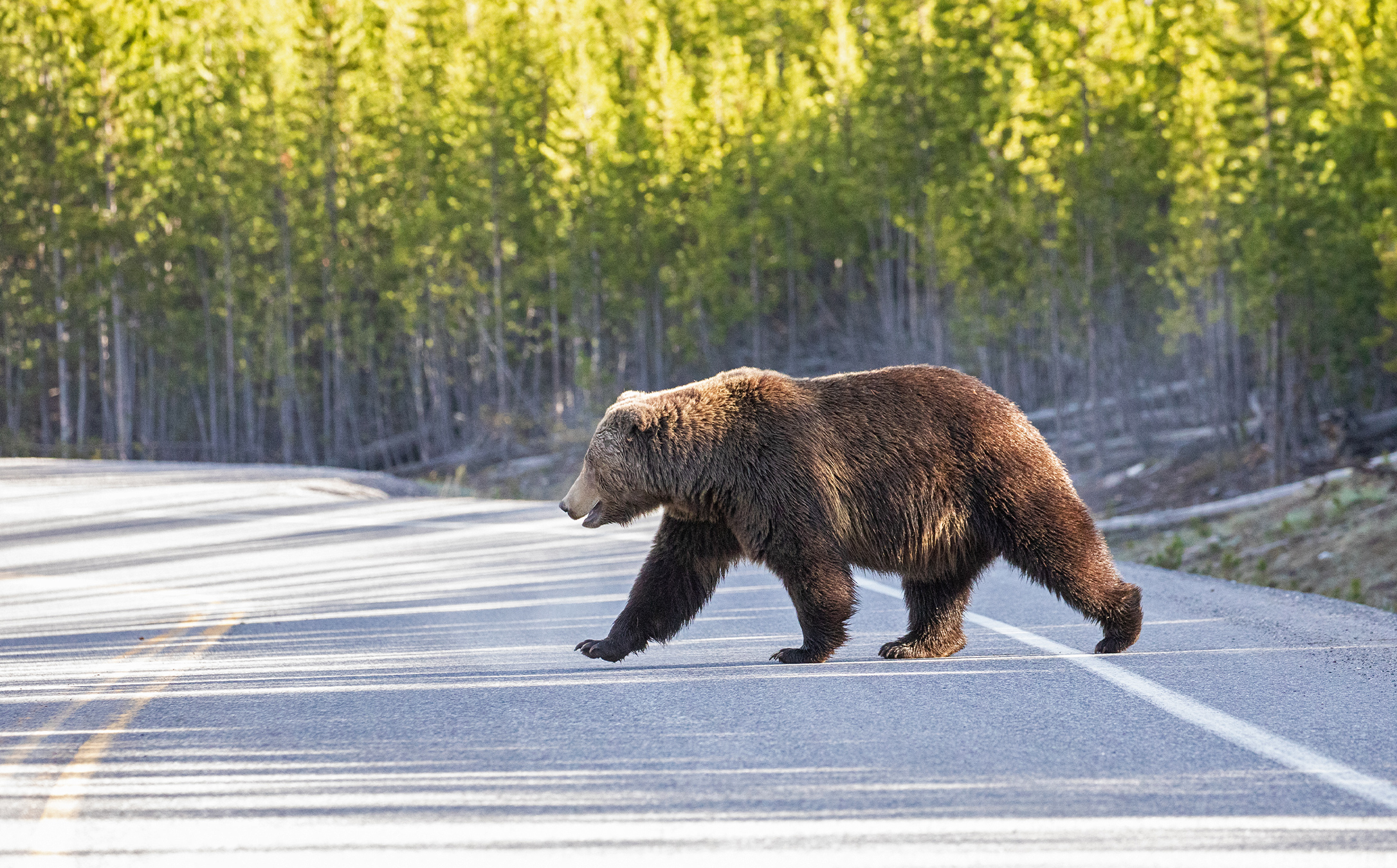
Across the world, roads, railways, towns and farms sever habitat, preventing wildlife from moving across the landscape. Cutting off animals’ ability to connect can limit genetic exchange and cause entire populations to decline — and ultimately, collapse.The Yellowstone to Yukon Conservation Initiative, or Y2Y, is trying to create a giant connected area stretching across the Rocky Mountains from the Greater Yellowstone ecosystem in the U.S. to Canada’s Yukon Territory. It will allow animals to move, meet and mate.Across Canada, the U.S. and the world, countries are building wildlife crossings that reconnect habitat and keep motorists safe from costly, potentially deadly collisions with animals.
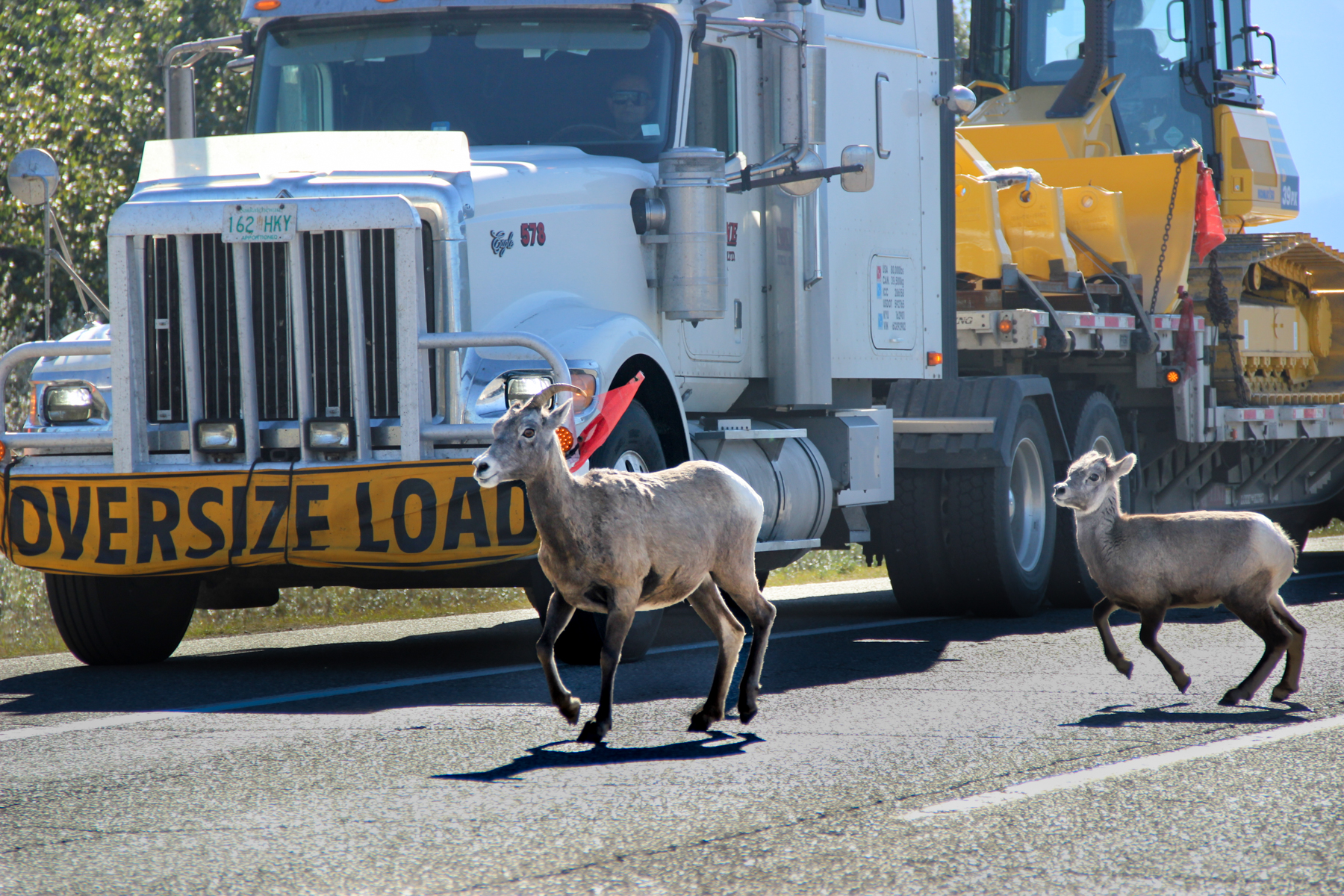
BRITISH COLUMBIA, Canada — On a sunny Thursday in May, Kent Kebe had to scrape yet another bighorn sheep carcass off Highway 93/95 running through Radium, British Columbia. The necropsy confirmed what Kebe, the village’s protective service manager, already knew: A car collision killed the ram.
Roadkill deaths hit this community hard. Residents love their sheep so much that the village center sports a huge steel sculpture of sheep horns that stands roughly 12-meters- (39-foot-) wide and 6-meters- (19-feet-) tall. The Big Horn Cafe on the main drag features artwork of bighorn rams and serves custom-blended “Headbanger tea.”