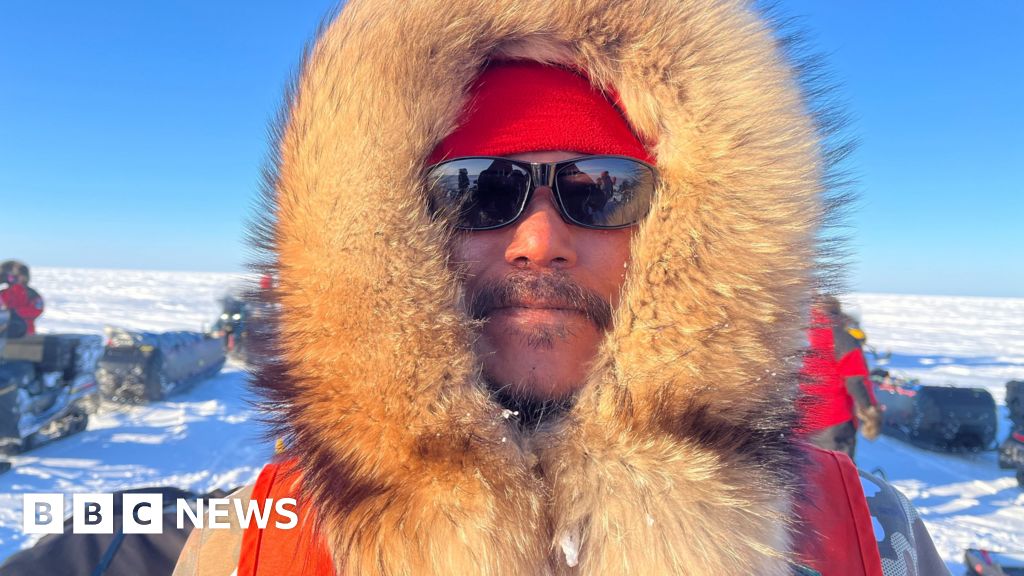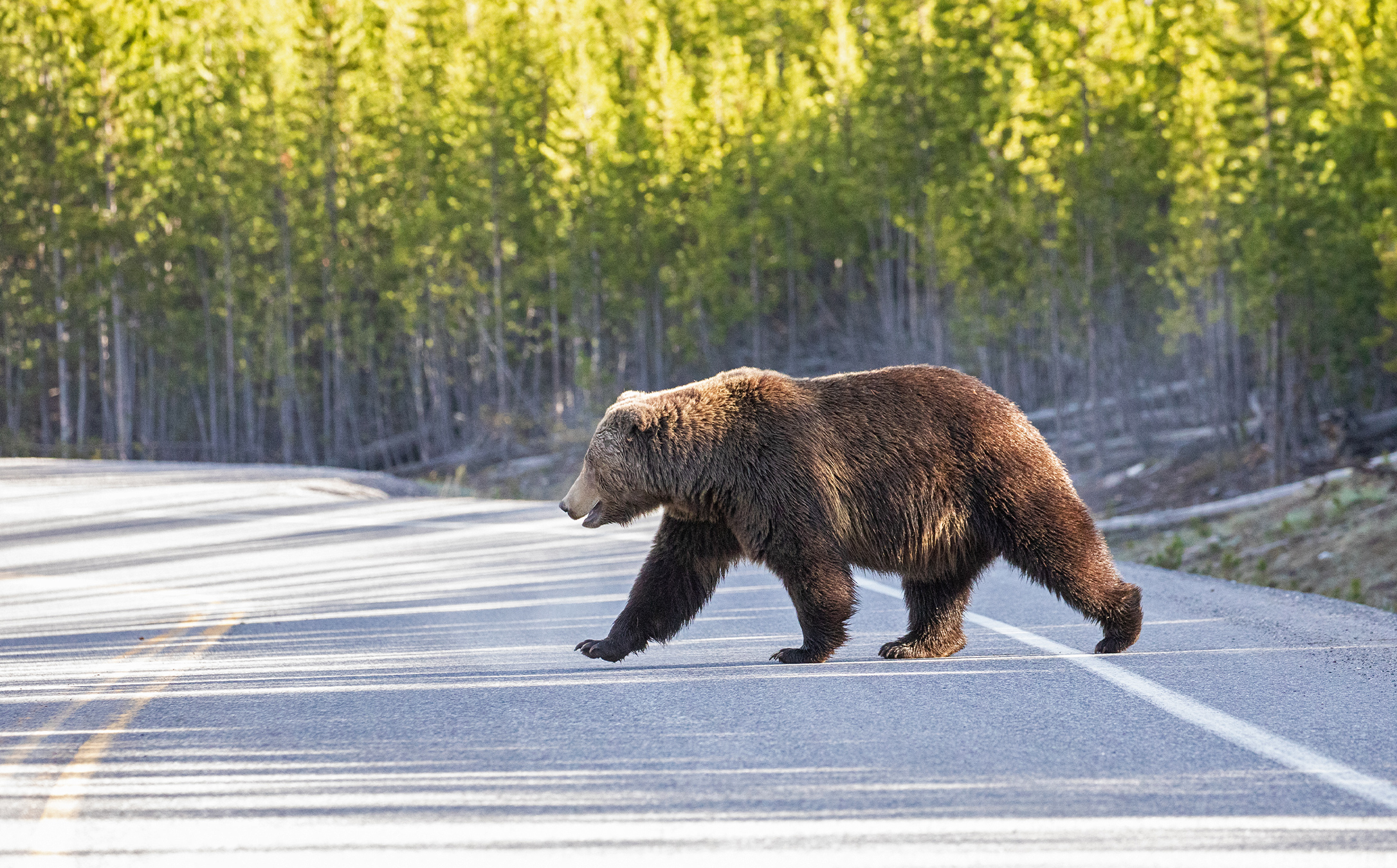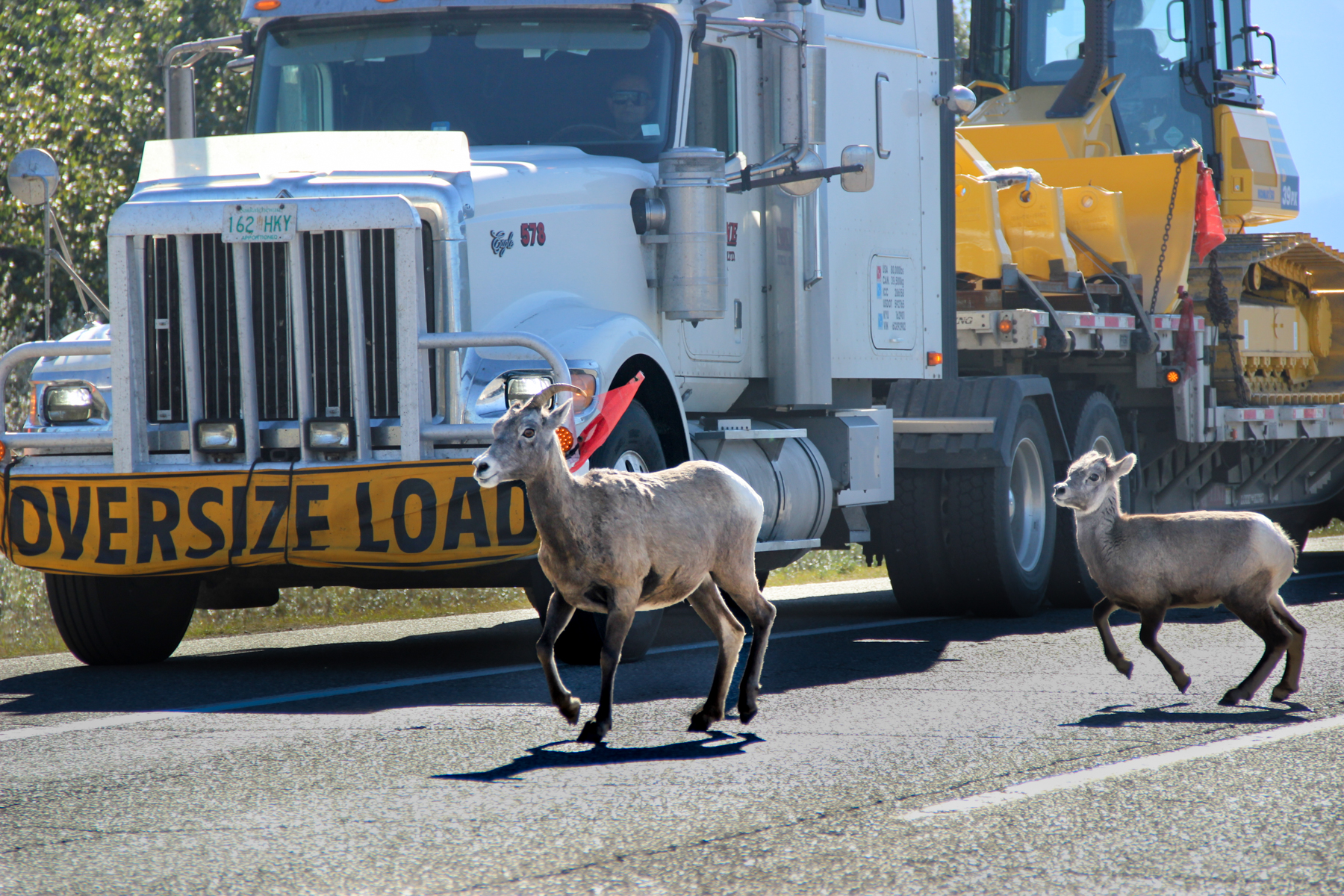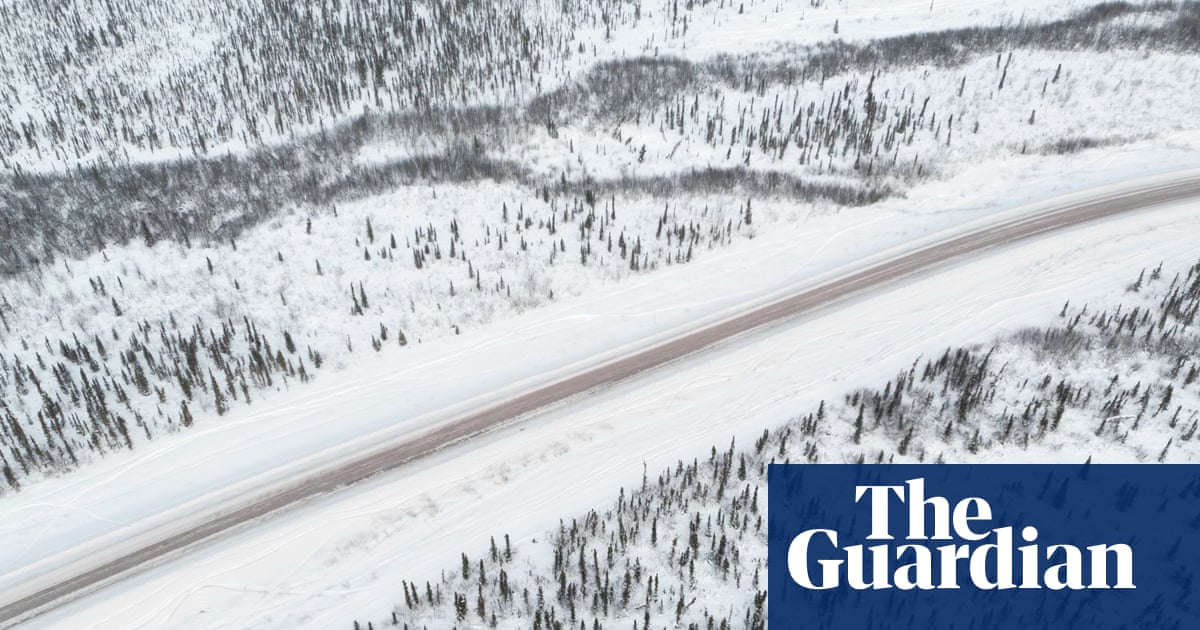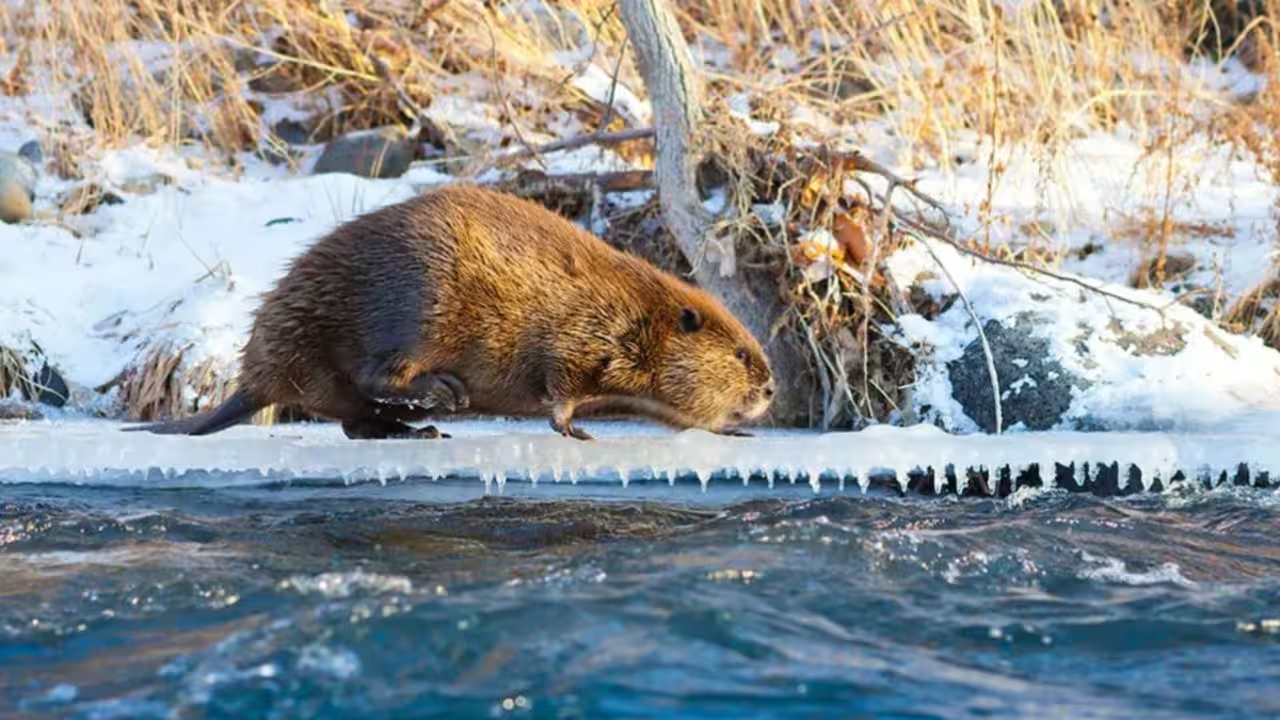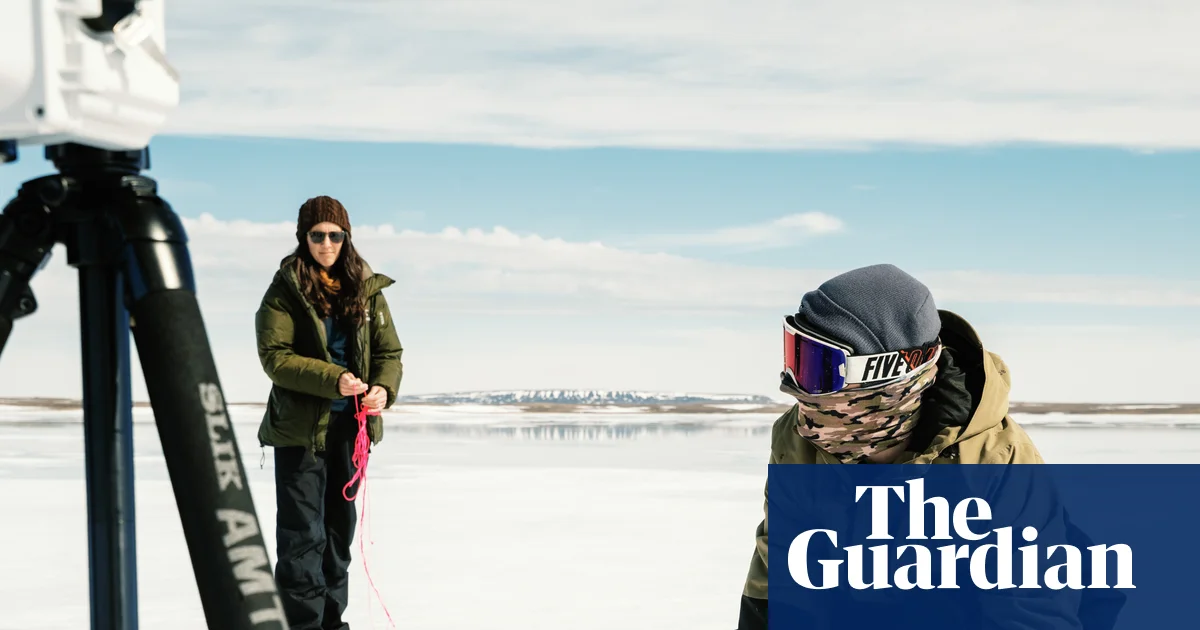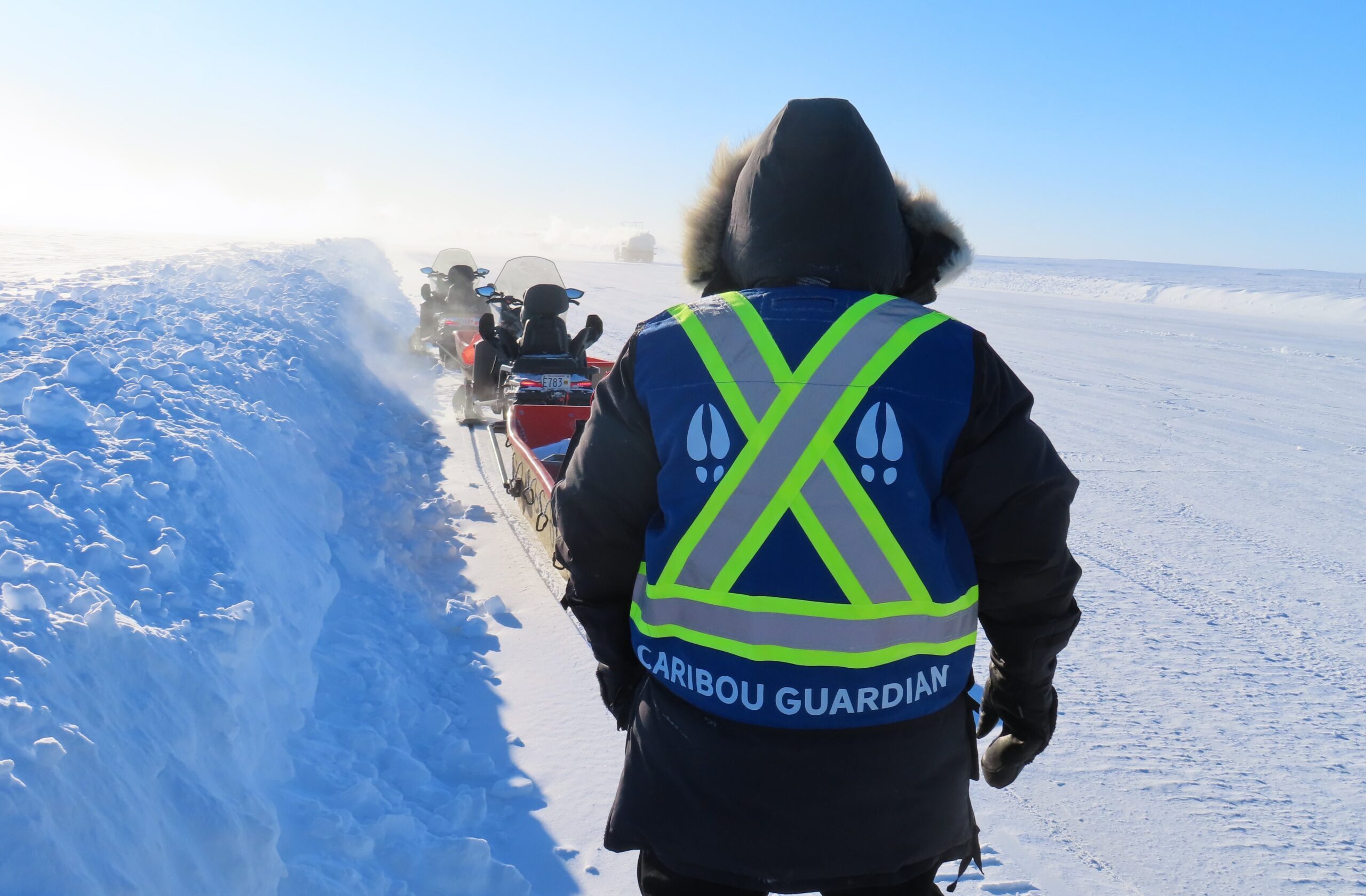
Indigenous guardians in the Northwest Territories, Canada, are going out into the field to monitor how roads affect Arctic caribou, which undertake the longest terrestrial migration on the planet, through events on the Tibbitt to Contwoyto winter road.In the last six years, they have documented a pattern of how caribou avoid roads that bisect the land: When they will avoid crossing, only walk parallel, get trapped on the other side and wait 24 hours of zero disturbance to cross.Canada and some Indigenous governments plan to expand roads across the north, like the Arctic Economic and Security Corridor, as part of an Arctic development plan to boost economic opportunities and mining in northern communities.As plans for the Arctic Economic and Security Corridor advance, Indigenous guardians and stakeholders underline the need for caribou protections and local jobs in conservation to offer alternatives to industrial opportunities.
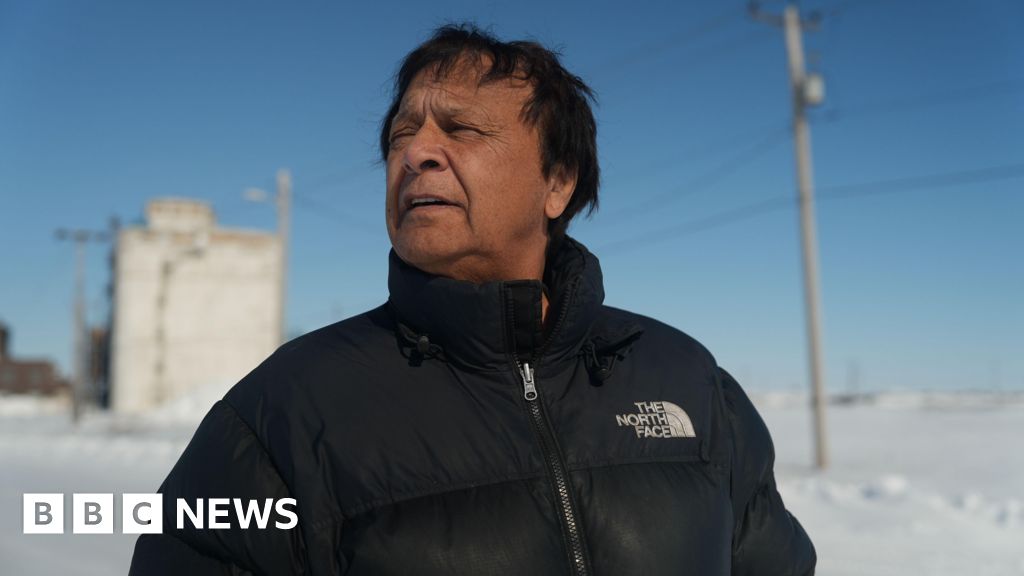
For years, Wayne Mercredi spent hours driving the Tibbitt to Contwoyto winter road. Leaving early in the morning to take advantage of limited daylight, he’d travel the road’s 400-kilometer length (250-mile length) — built atop frozen lakes, to connect the territorial capital of Yellowknife to diamond mines farther north — before turning around at the end and driving back home.