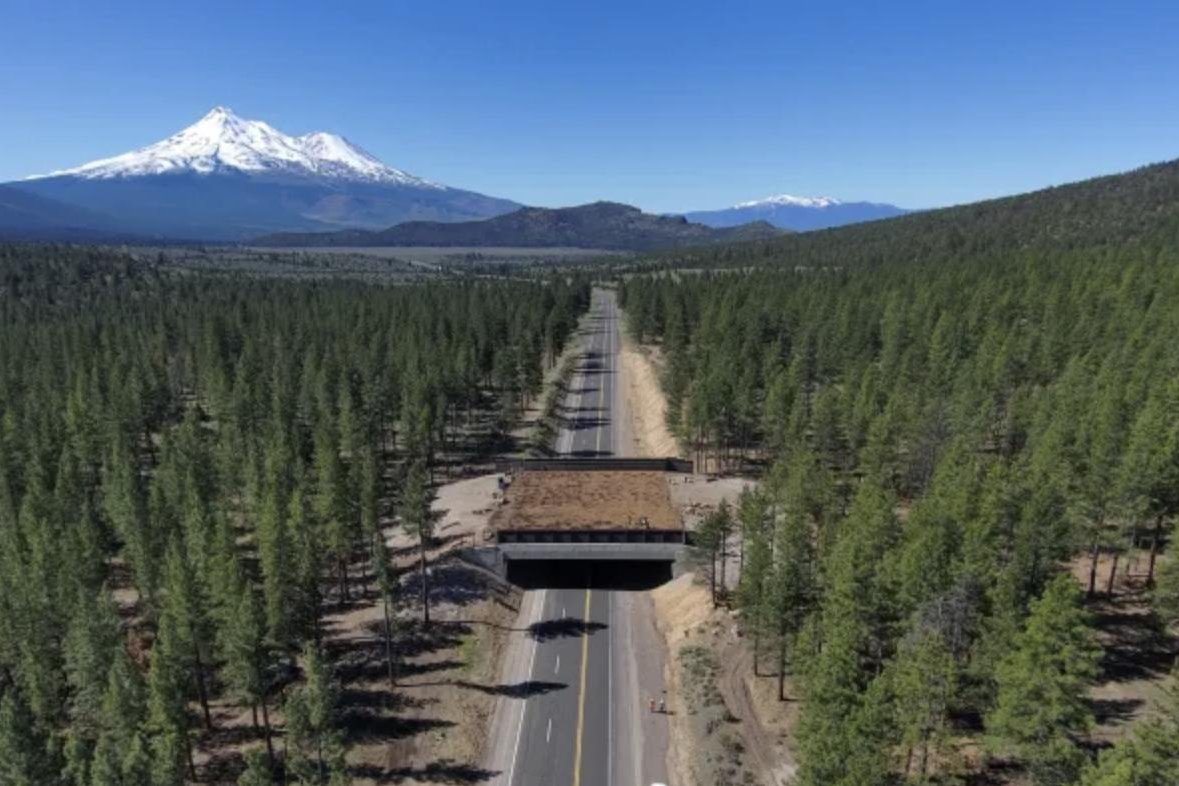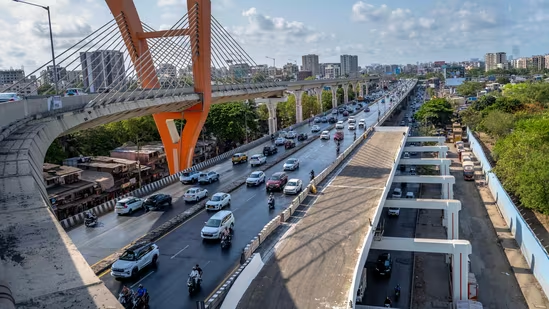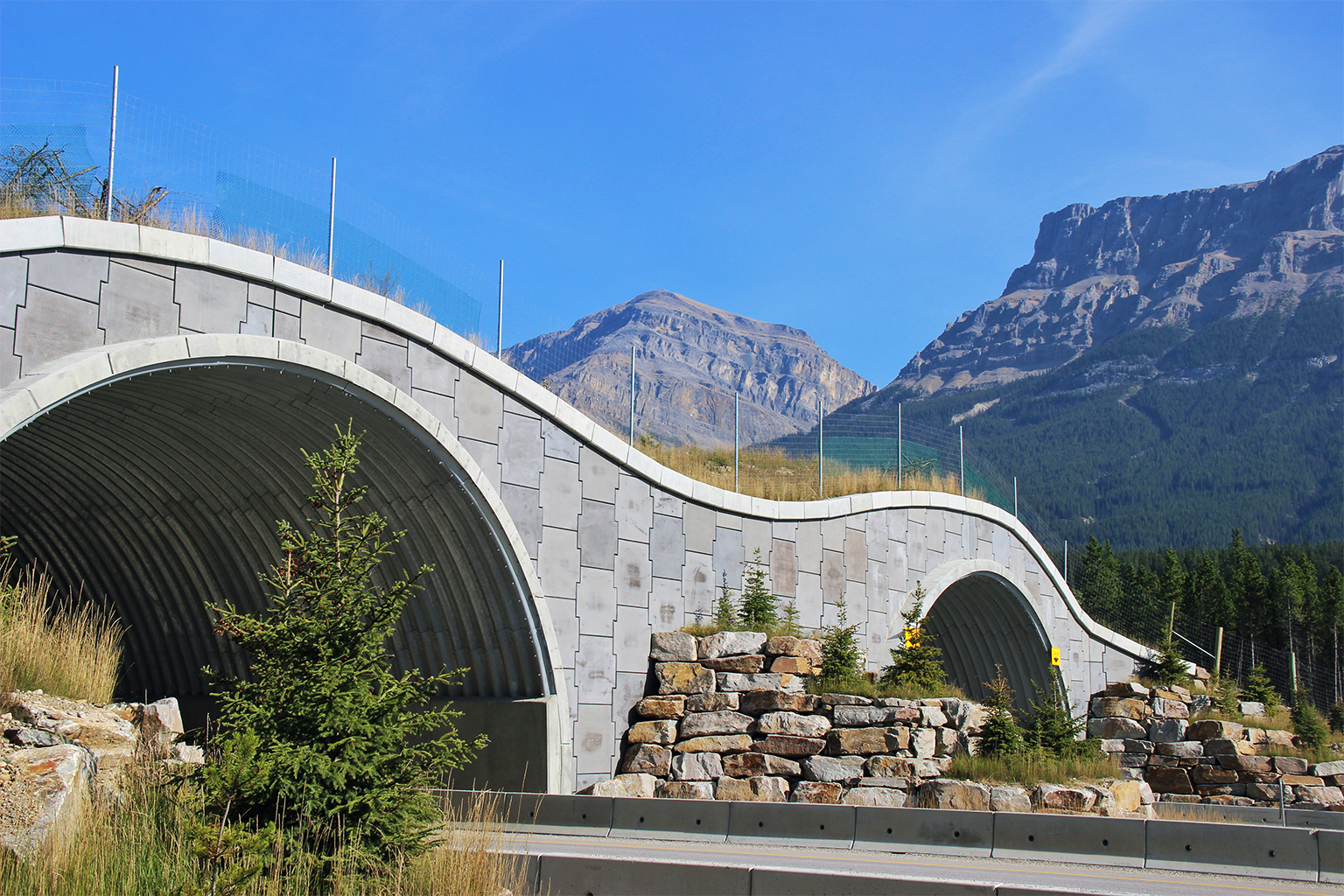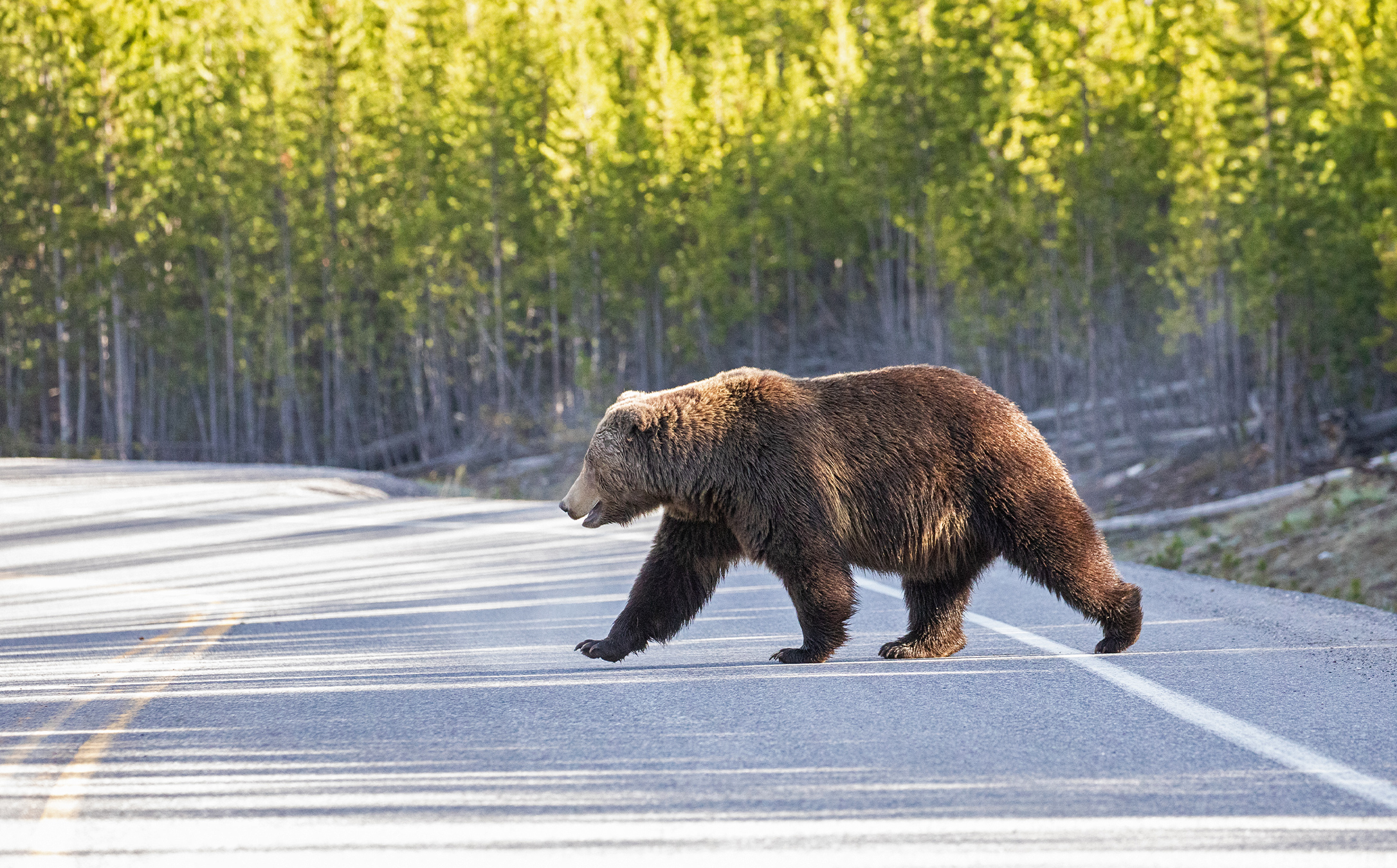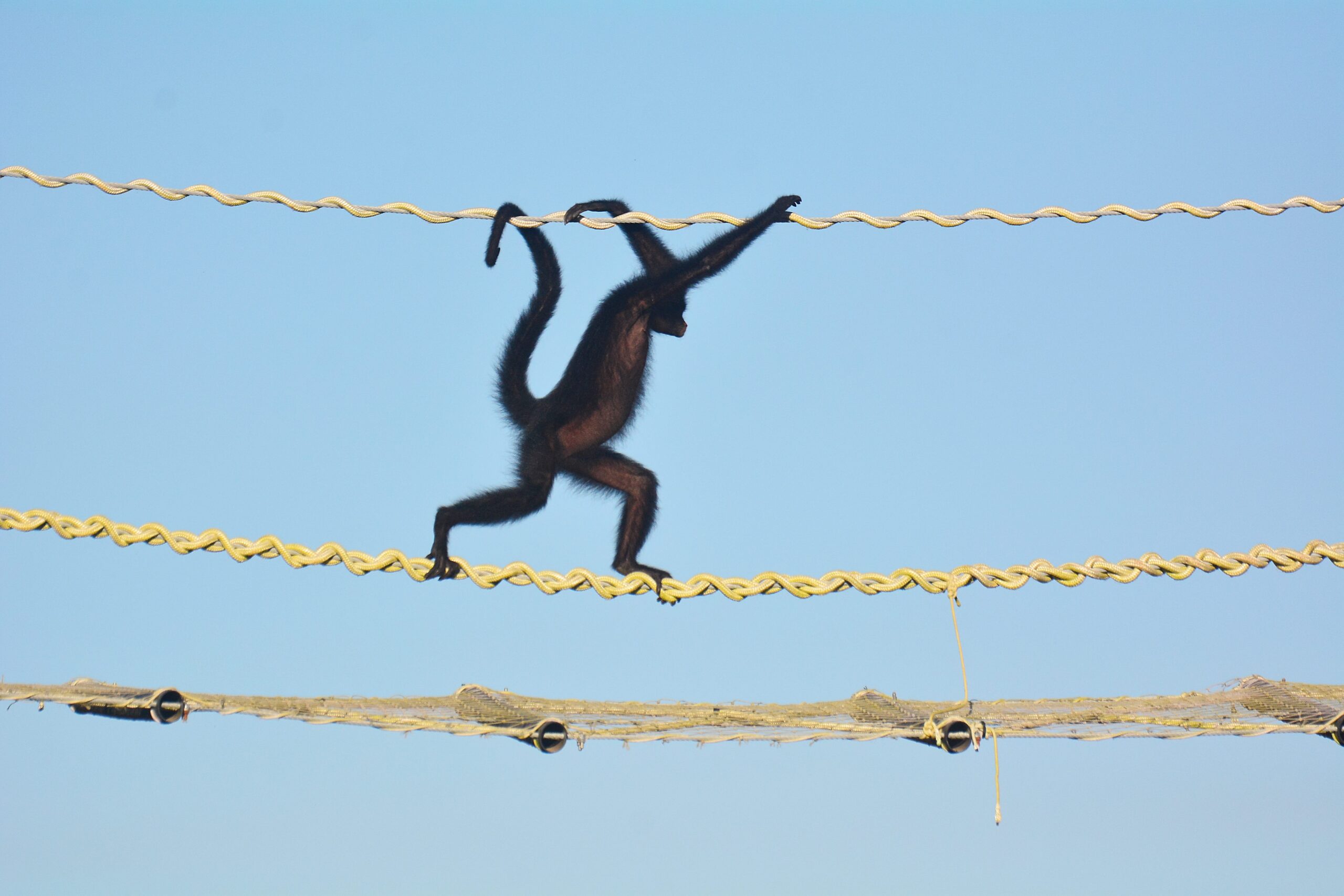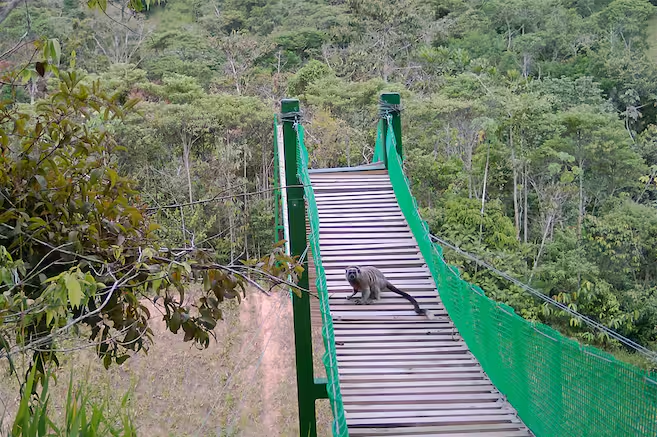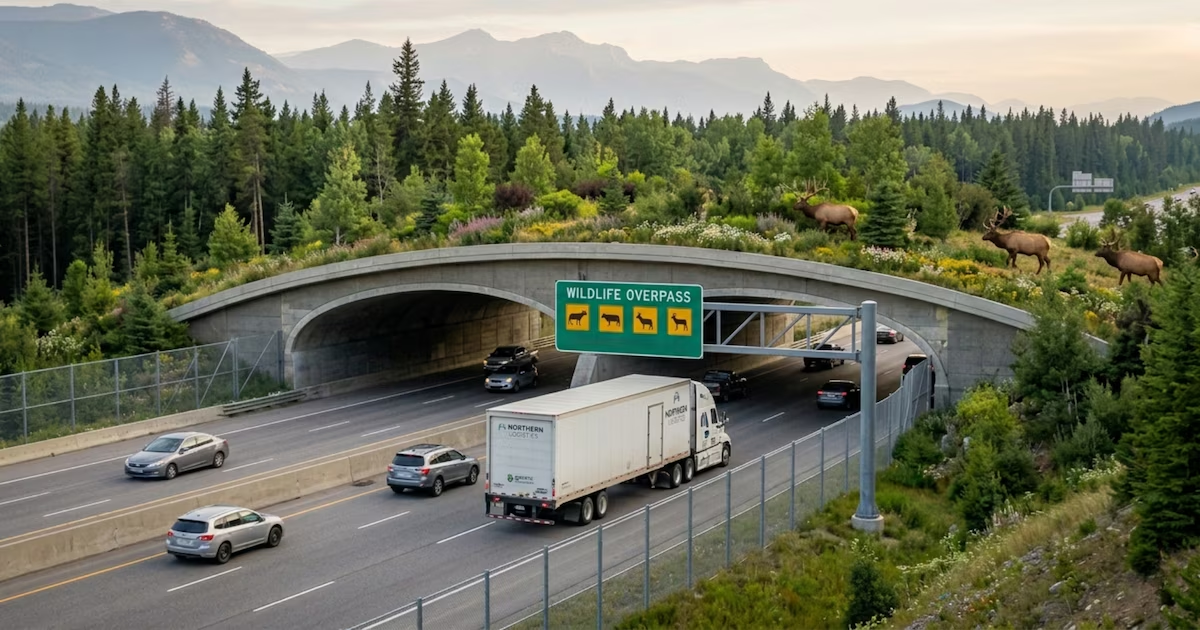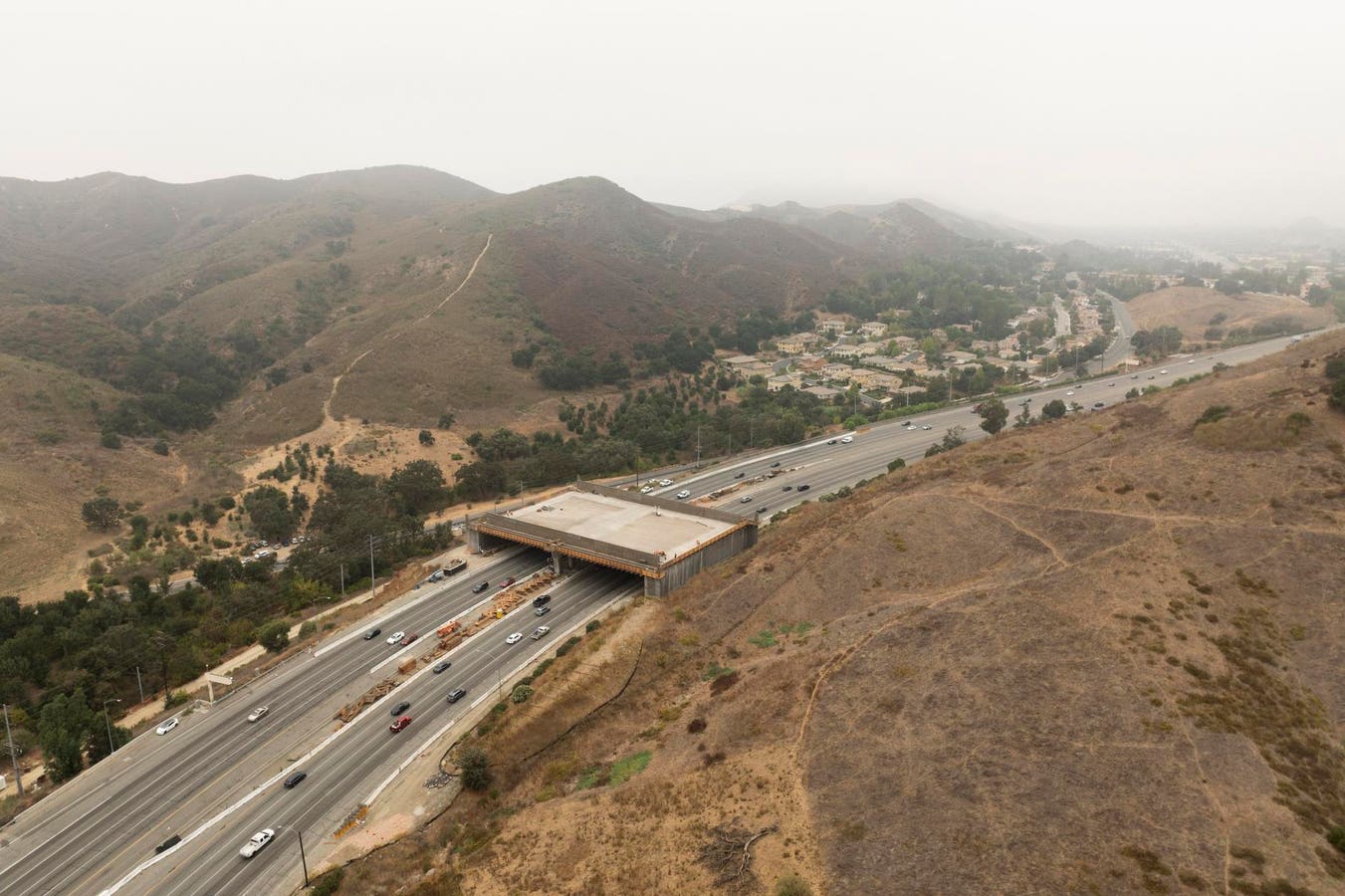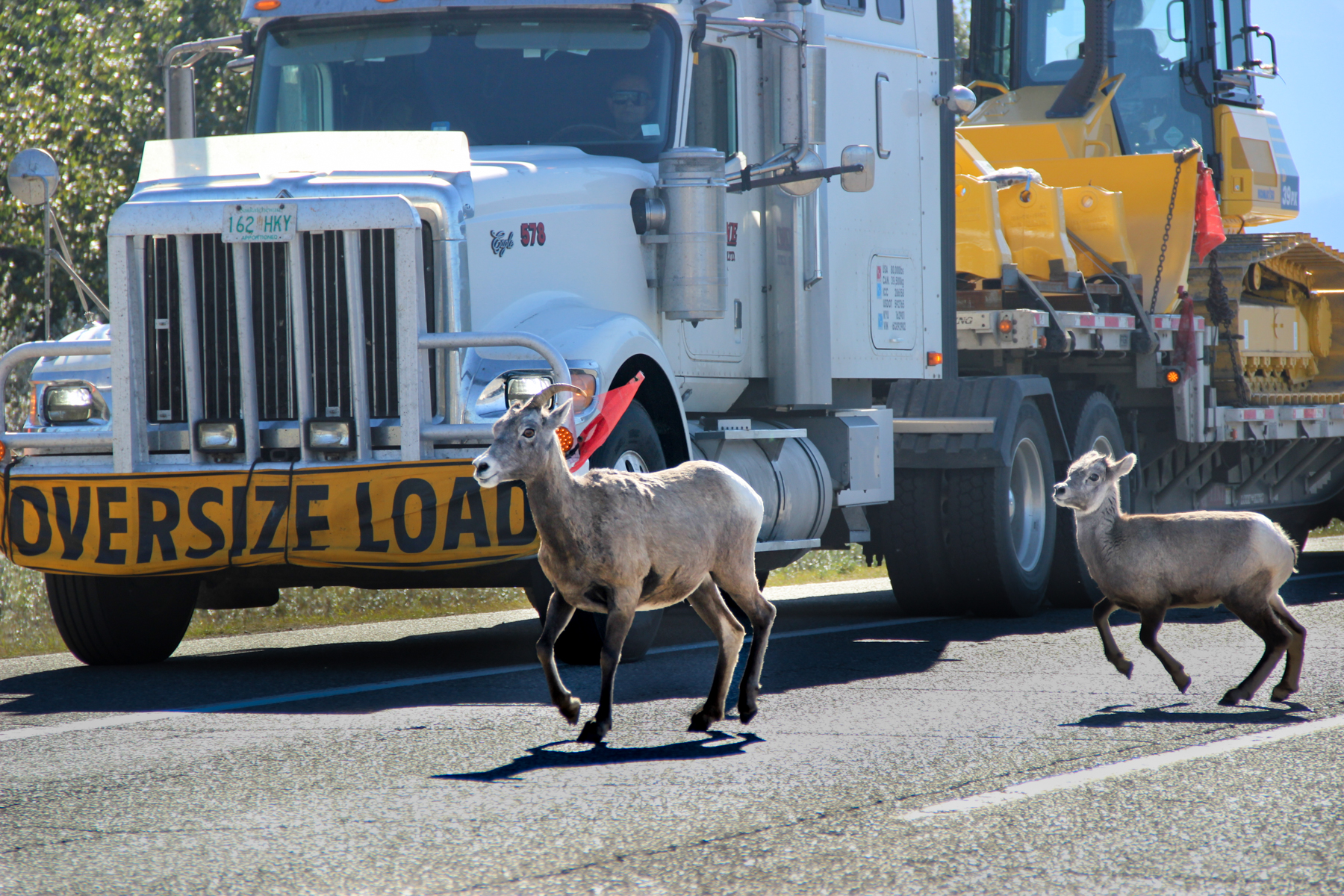
Across the globe, roads pose a deadly physical threat to wildlife and fragment the landscapes animals need to move through to survive. For some species, a road is a wall: They won’t even attempt to cross.Decades of research have proved that wildlife crossings (underpasses and overpasses), combined with roadside fences, prevent deadly collisions, protecting both animals and people.Crossings are part of larger efforts to reconnect shattered ecological corridors worldwide. Animals need to move to find food, water, a mate — and to escape more frequent, extreme wildfires and extreme weather event.Some of the motivation in building and retrofitting wildlife bridges and underpasses involves public safety and economics. Crashes with large animals cost the U.S. economy more than $10 billion each year.
One of the busiest highways in the western U.S. is I-25, a concrete artery that runs north to south across the state of Colorado, funneling roughly 100,000 cars per day through the fast-growing exurbs south of the capital, Denver.
While I-25 facilitates human journeys, it disastrously truncates the movements of another set of commuters. For decades, mule deer, elk, black bears and other species have wandered onto the highway — with fatal consequences.