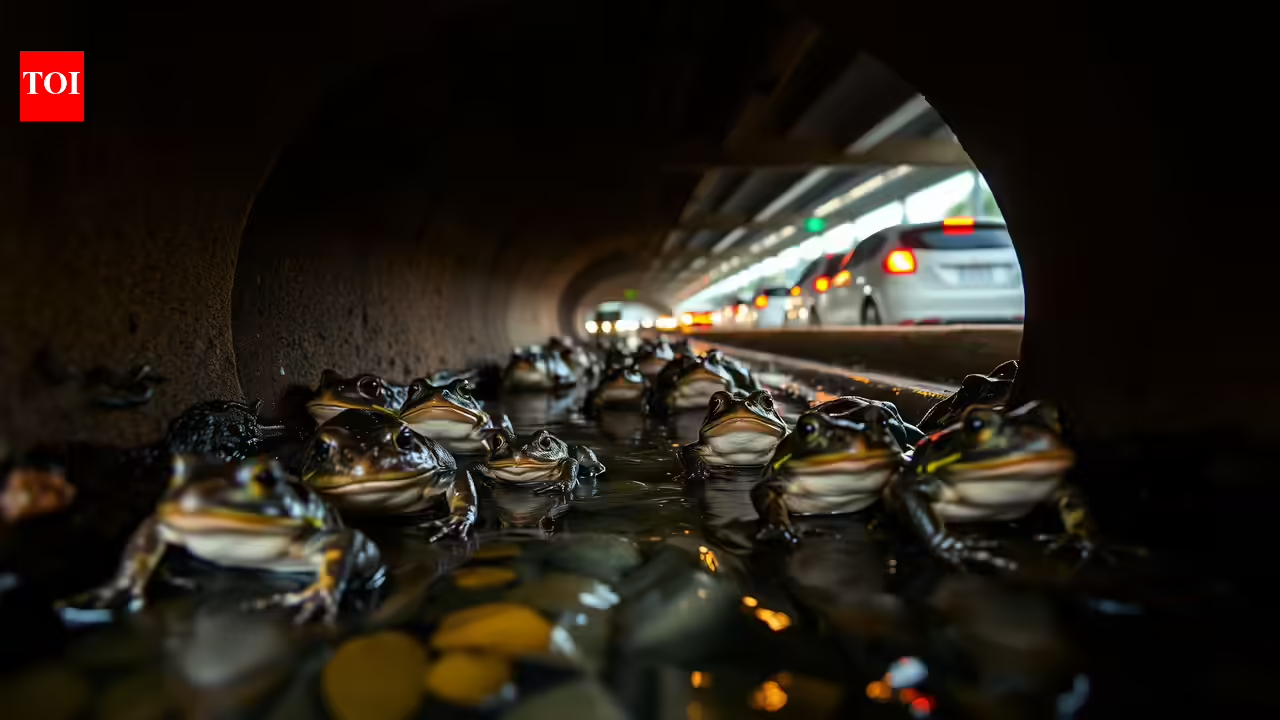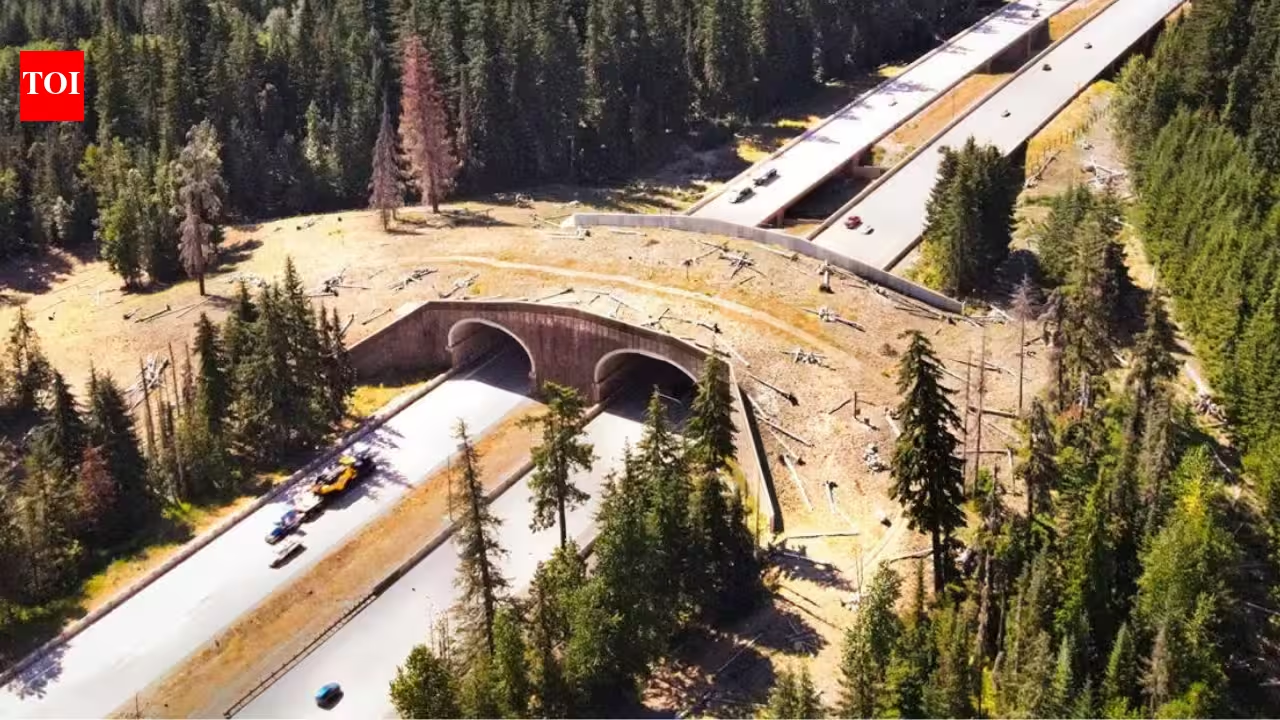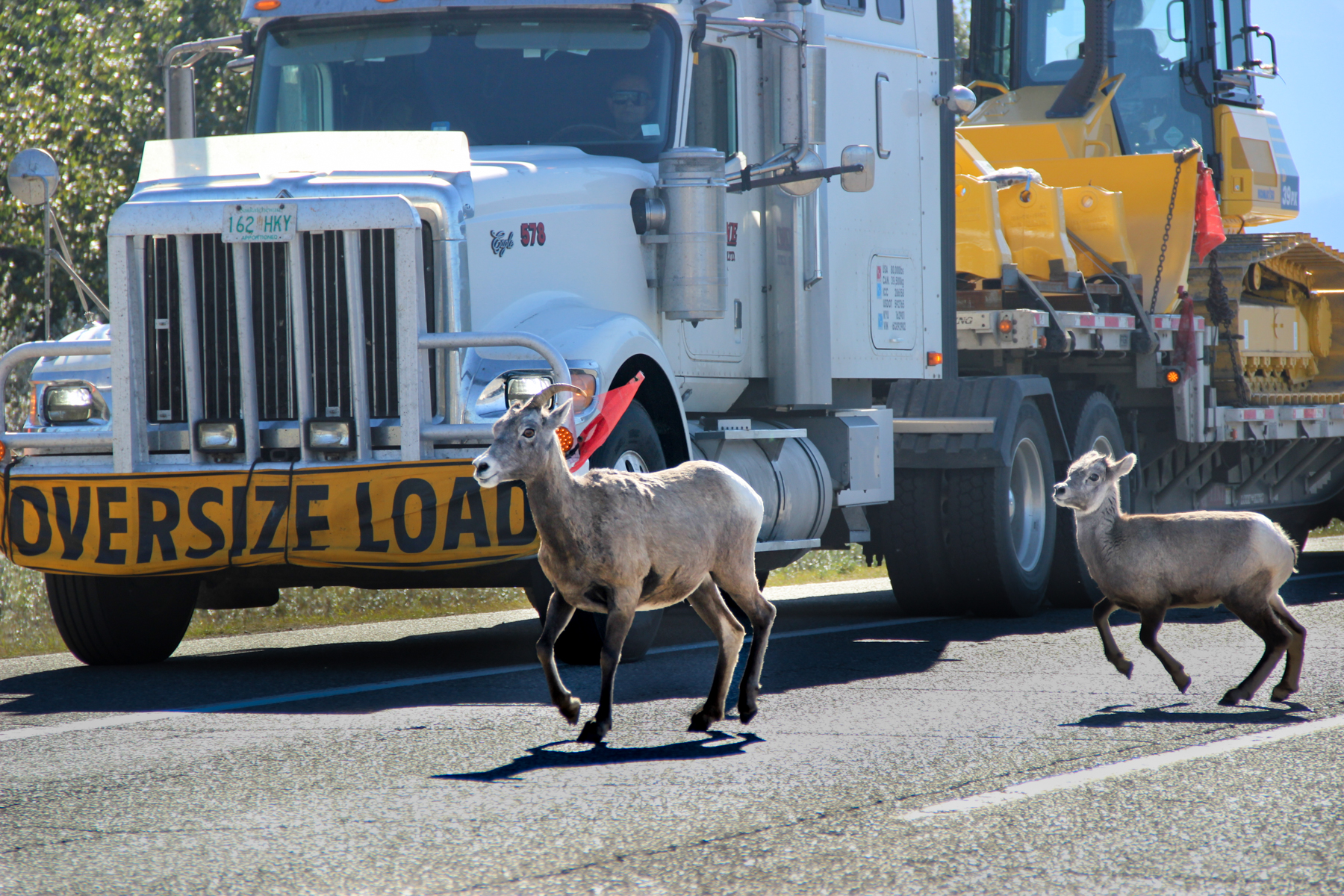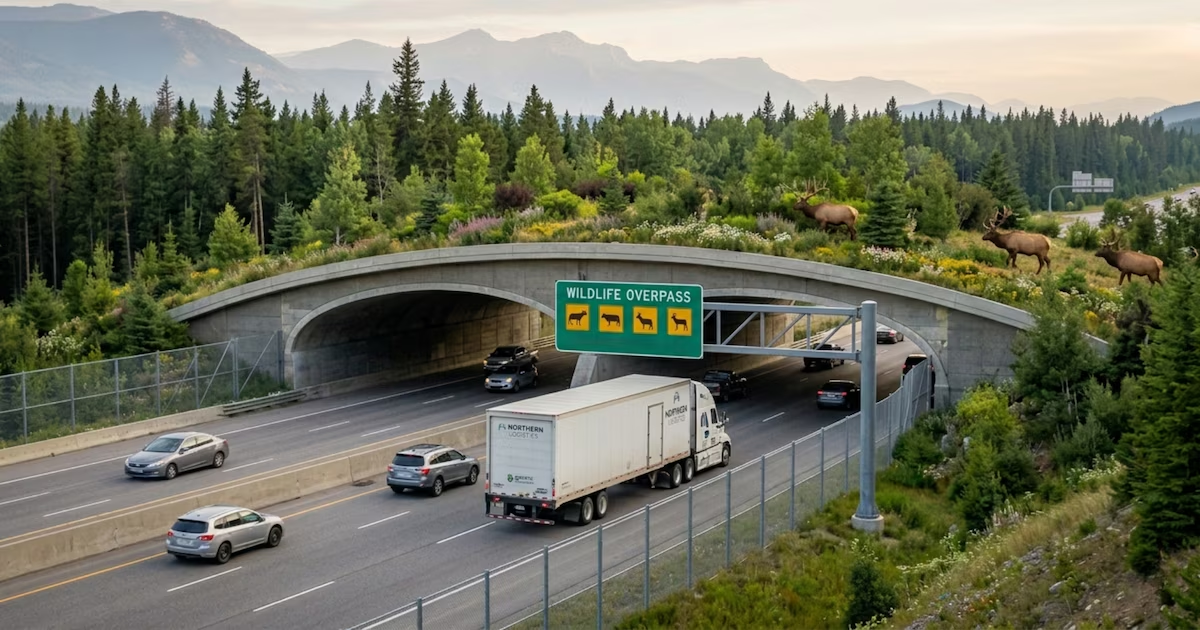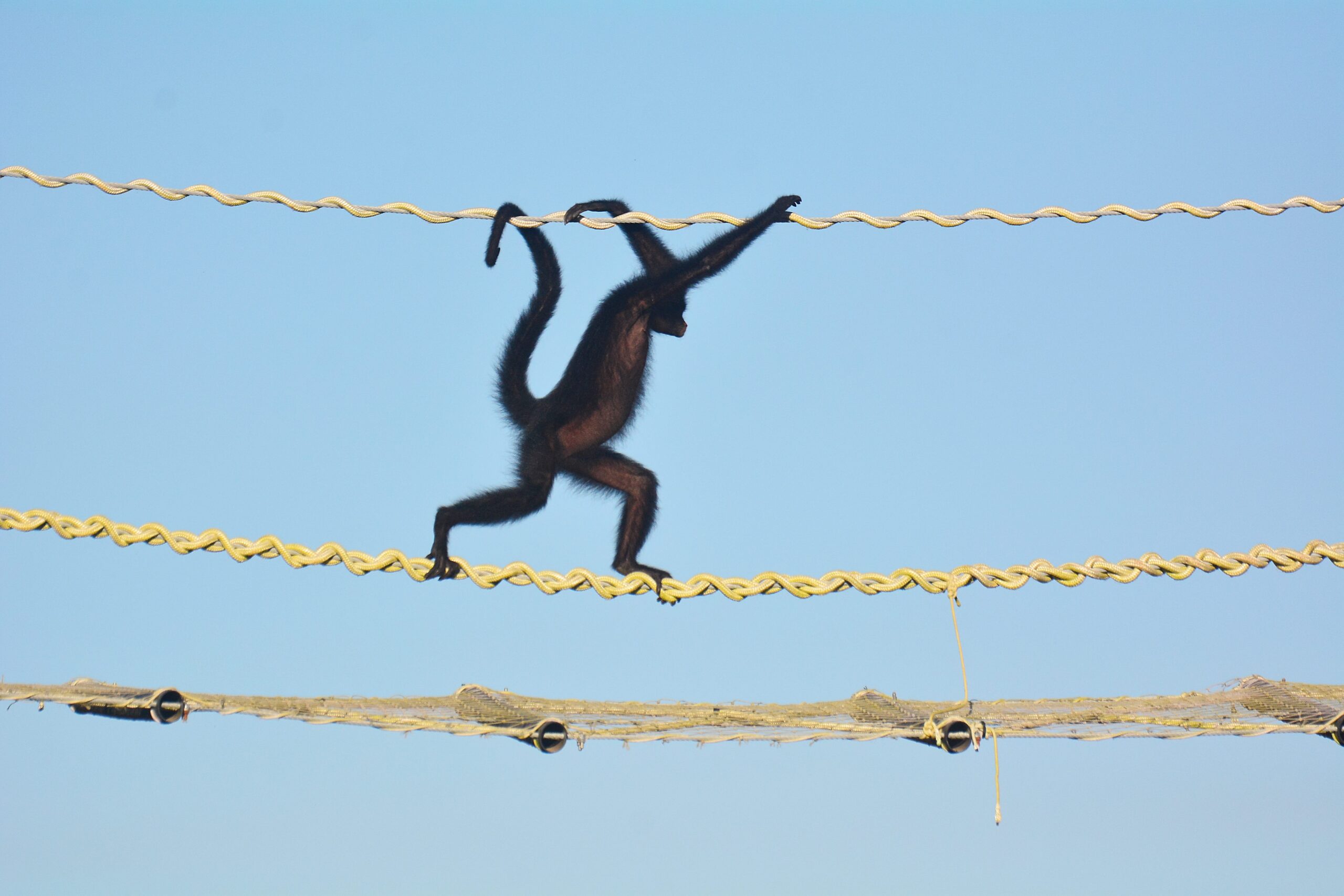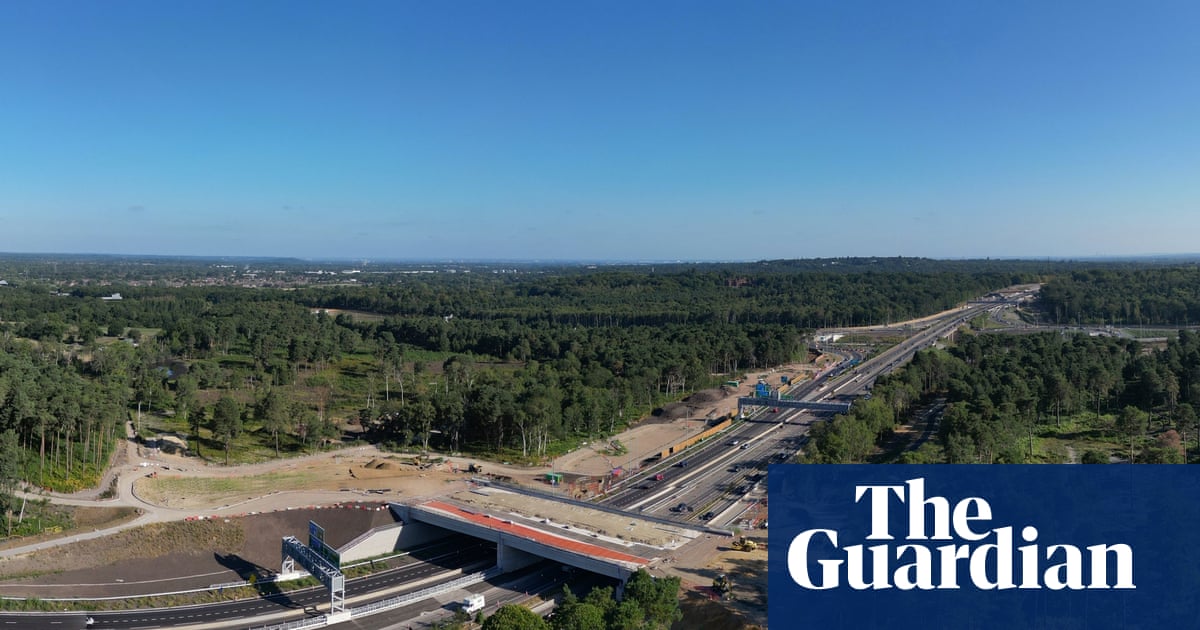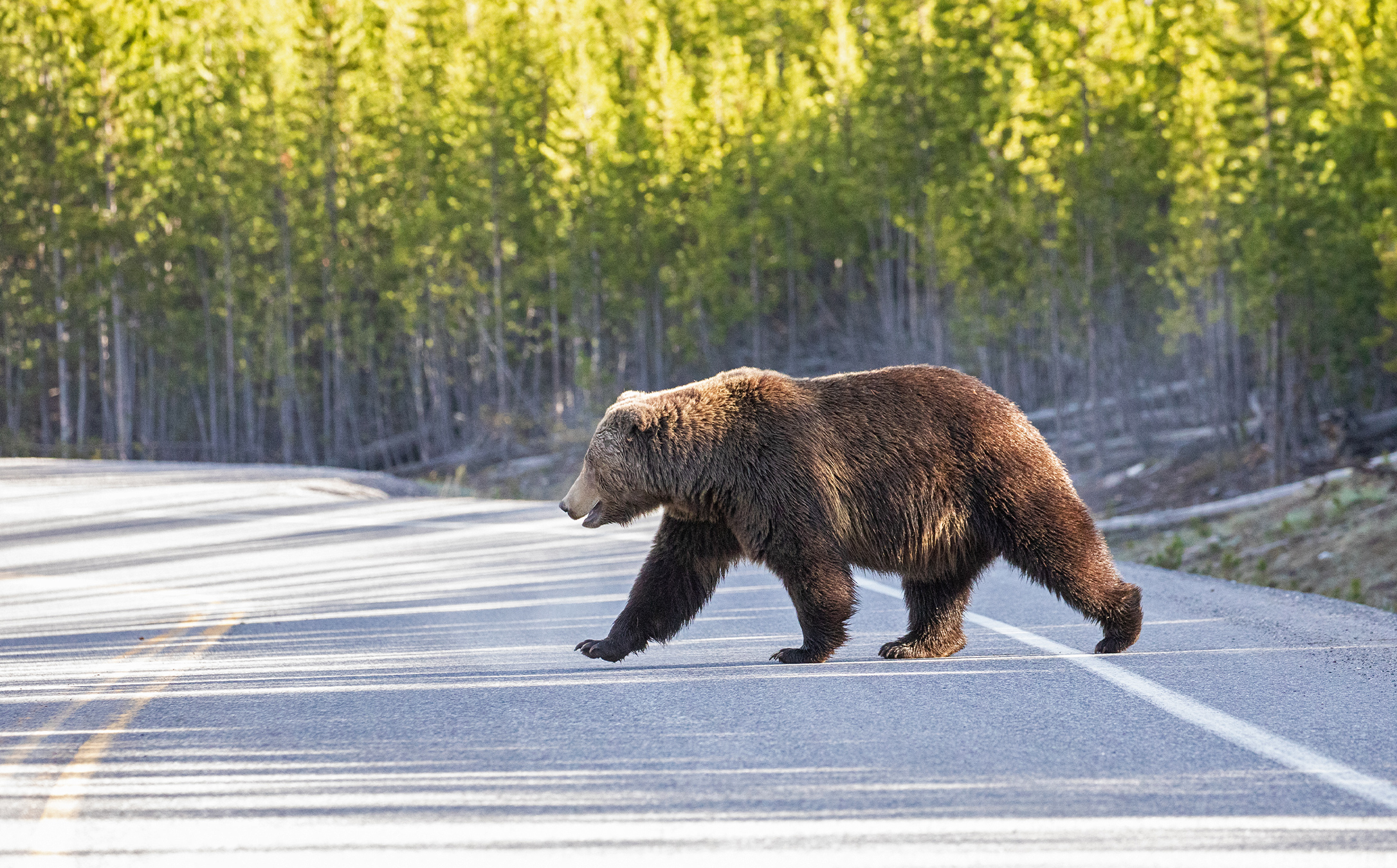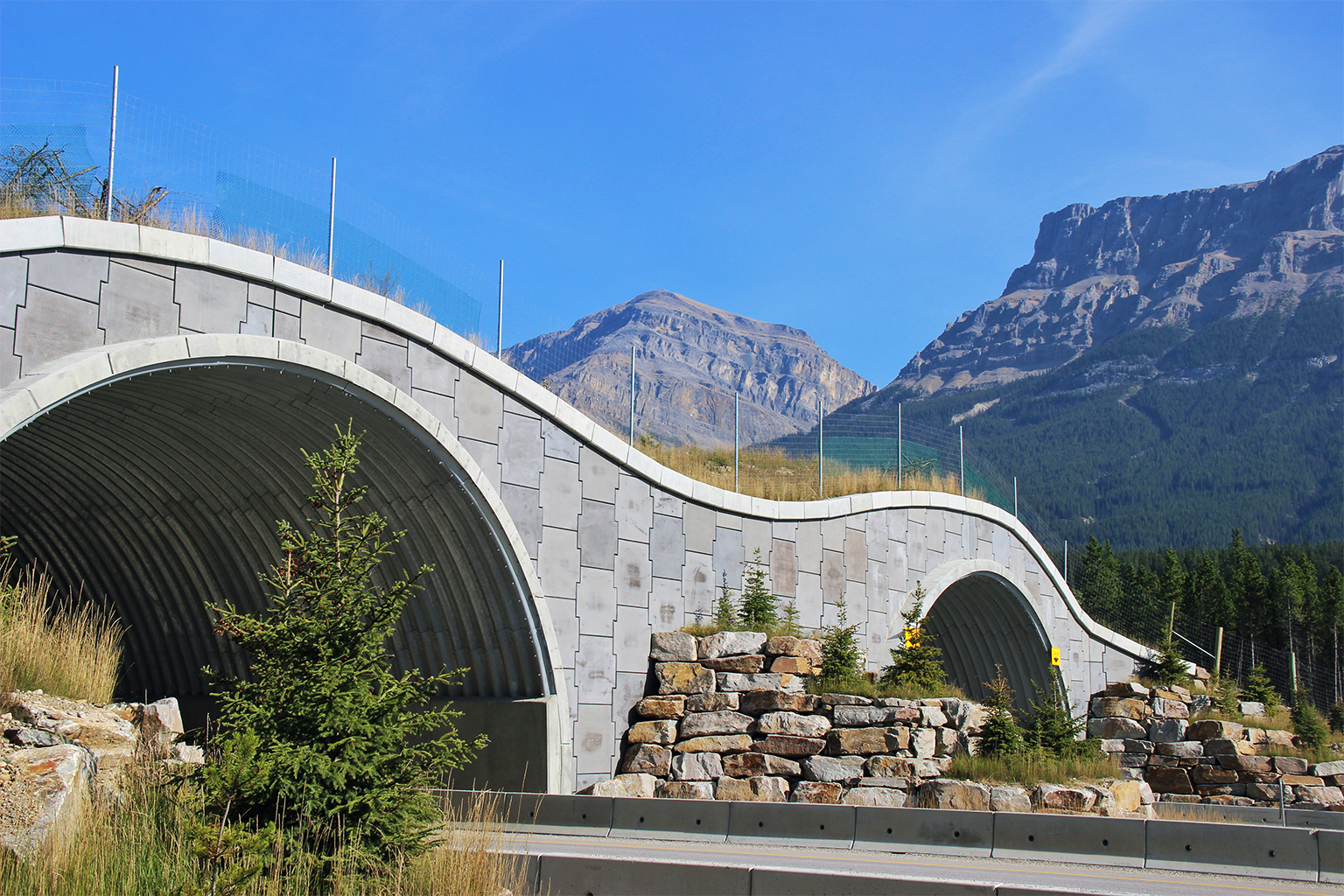
Worldwide, roads act as both death traps and barriers for wildlife, fragmenting the landscapes animals need to survive. However, ecologists and engineers are working to “reconnect the wild” through the strategic construction of wildlife crossings.
As Mongabay contributor Ben Goldfarb reports, structures, including underpasses and massive overpasses paired with roadside fencing, have proved highly effective at protecting both animals and people.
The U.S. state of Colorado, for example, recently completed a 61-meter-wide (200-foot) overpass — one of the largest in the world — near the town of Greenland. It’s expected to help reduce roadkill by 90% along a critical stretch of I-25, one of the busiest highways in the western U.S. Similarly, the upcoming Wallis Annenberg Wildlife Crossing in California will soon allow pumas to safely traverse the 10-lane U.S. 101 freeway.
“At this point, there’s really no more question that these things can help populations,” Mike Sawaya, a researcher studying grizzly bears and wildlife crossings in Canada’s Banff National Park, told Mongabay.
The motivation for these projects is not only conservation but also public safety and economics. Collisions with white-tailed deer kill about 440 motorists each year across the U.S. Large animal collisions cost the U.S. economy more than $10 billion annually.