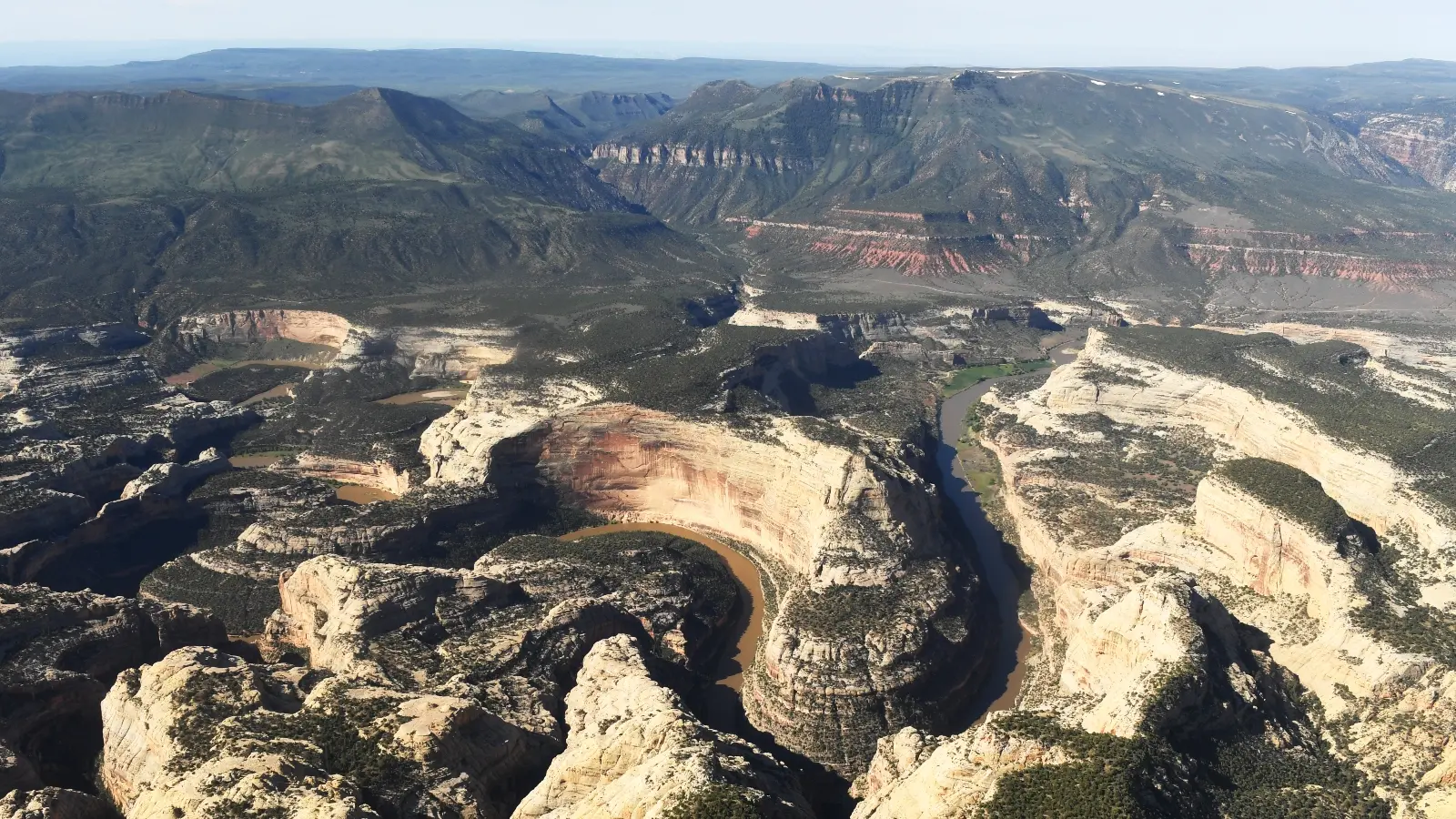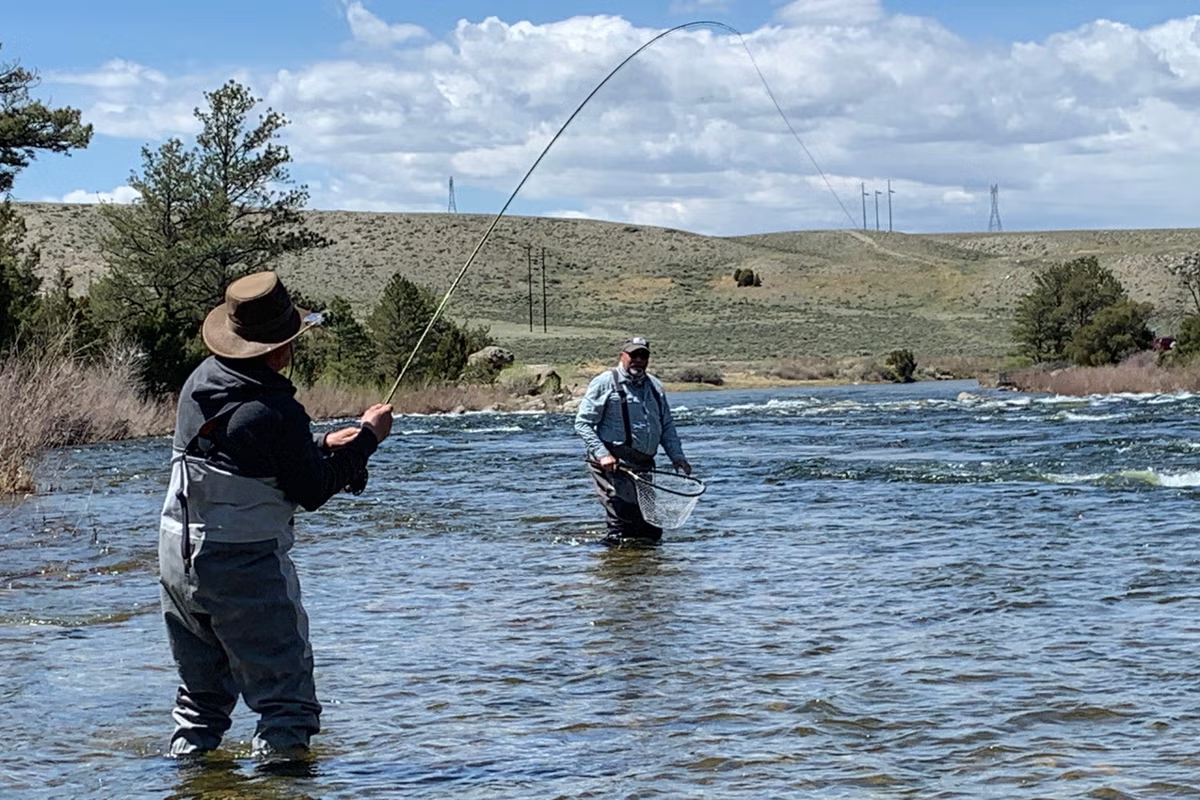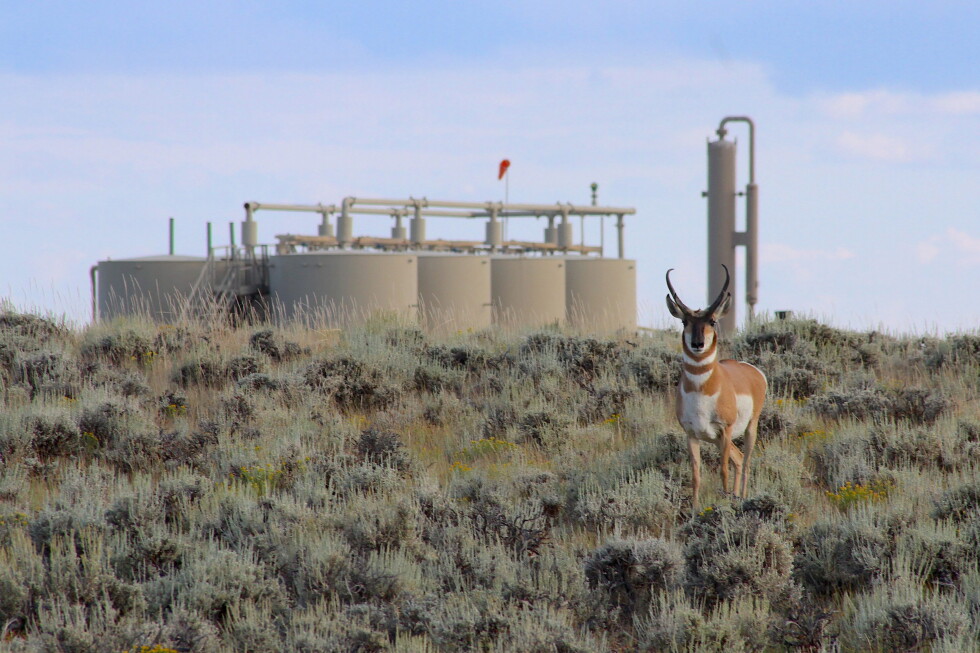
A proposed federal logging project in the forests bordering Yellowstone National Park is drawing growing concern from local residents, business owners and conservation advocates who fear it could have lasting impacts on wildlife habitat, recreation and tourism in one of Montana’s most iconic landscapes.
The U.S. Forest Service is using emergency authority to speed the approval of the project, for which public comment closed Monday. Opponents say the agency hasn’t explained what the emergency is.
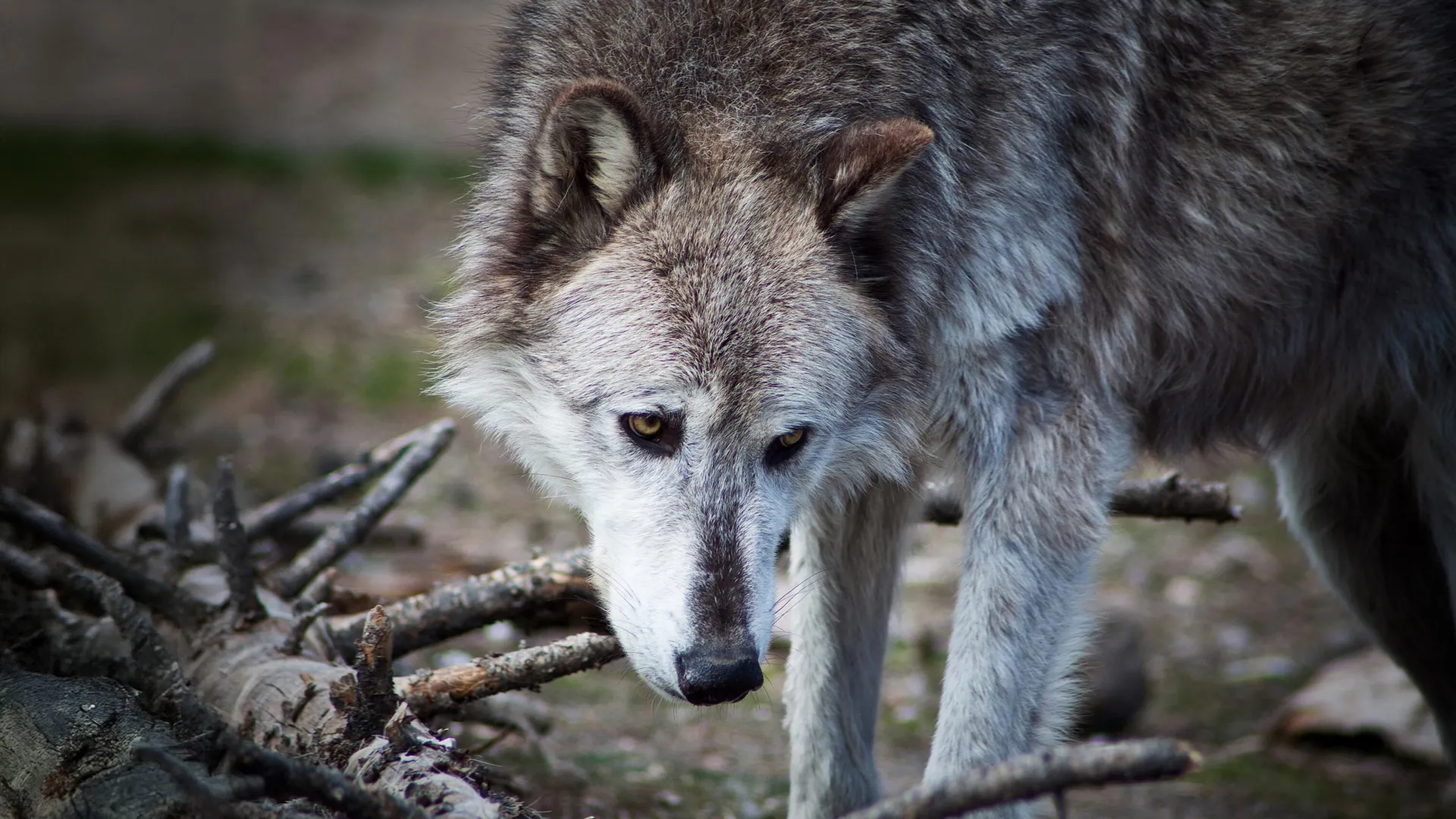
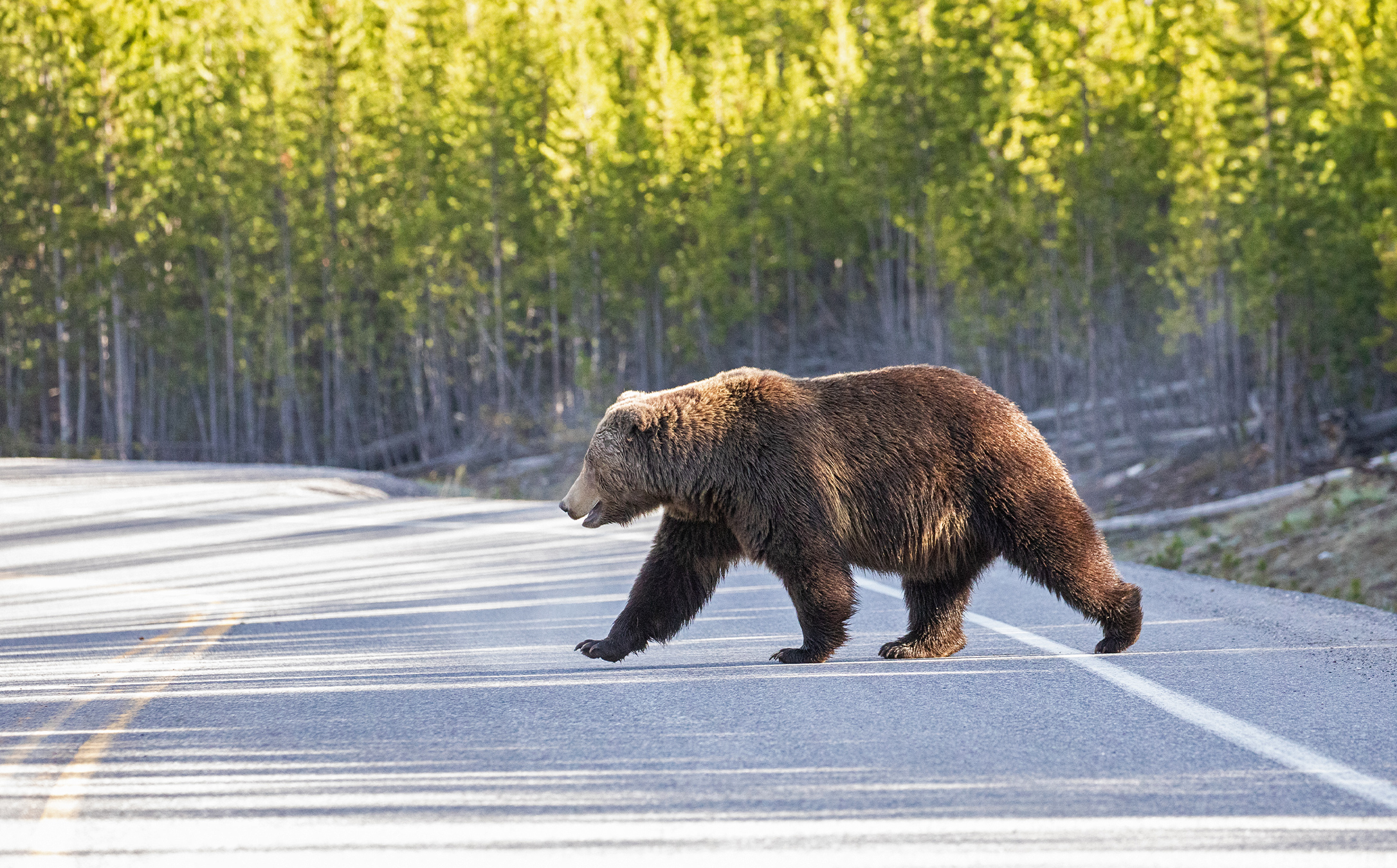
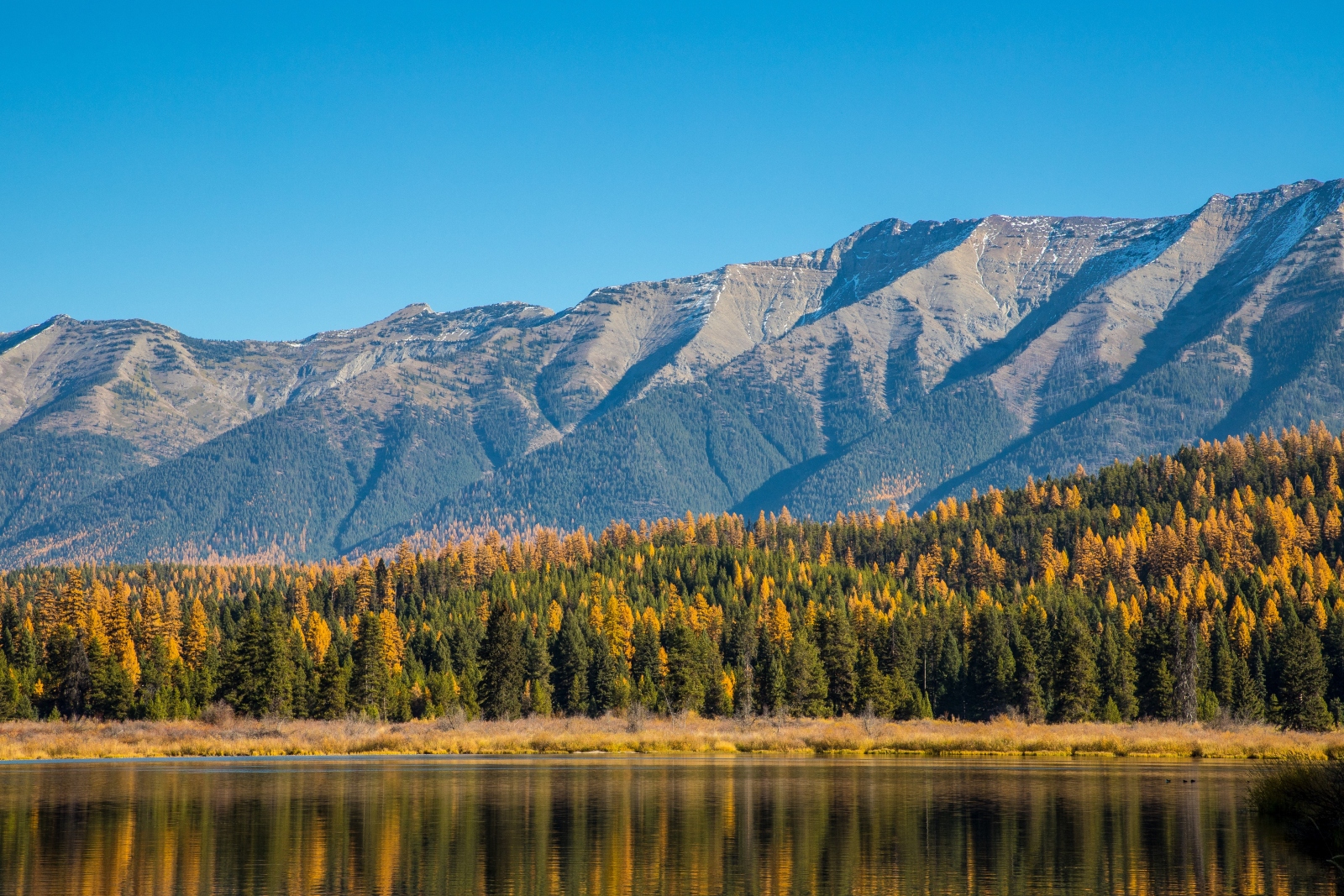
Yellowstone National Park is more than a world-famous tourist destination. Established in 1872 as the first national park in the United States, it serves as the core of the Greater Yellowstone Ecosystem, one of the largest nearly intact temperate ecosystems on Earth. The park and the surrounding public lands provide critical habitat for grizzly bears, wolves, lynx, elk, bison and many other species, as well as reducing the impact of climate-damaging emissions by storing carbon.
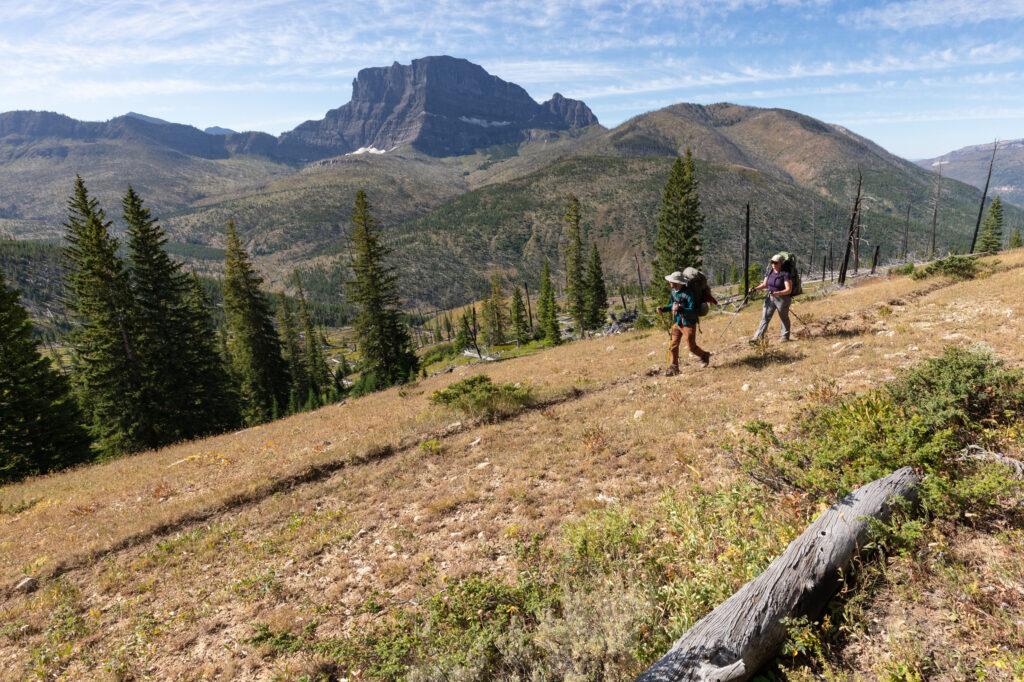
Wildlife frequently moves beyond the park’s boundaries into nearby national forests, making those landscapes an important extension of Yellowstone’s ecological network. As a result, decisions about forest management near the park can have implications that reach far beyond local communities, affecting wildlife habitat, ecosystem connectivity and the long-term health in an important North American natural region.