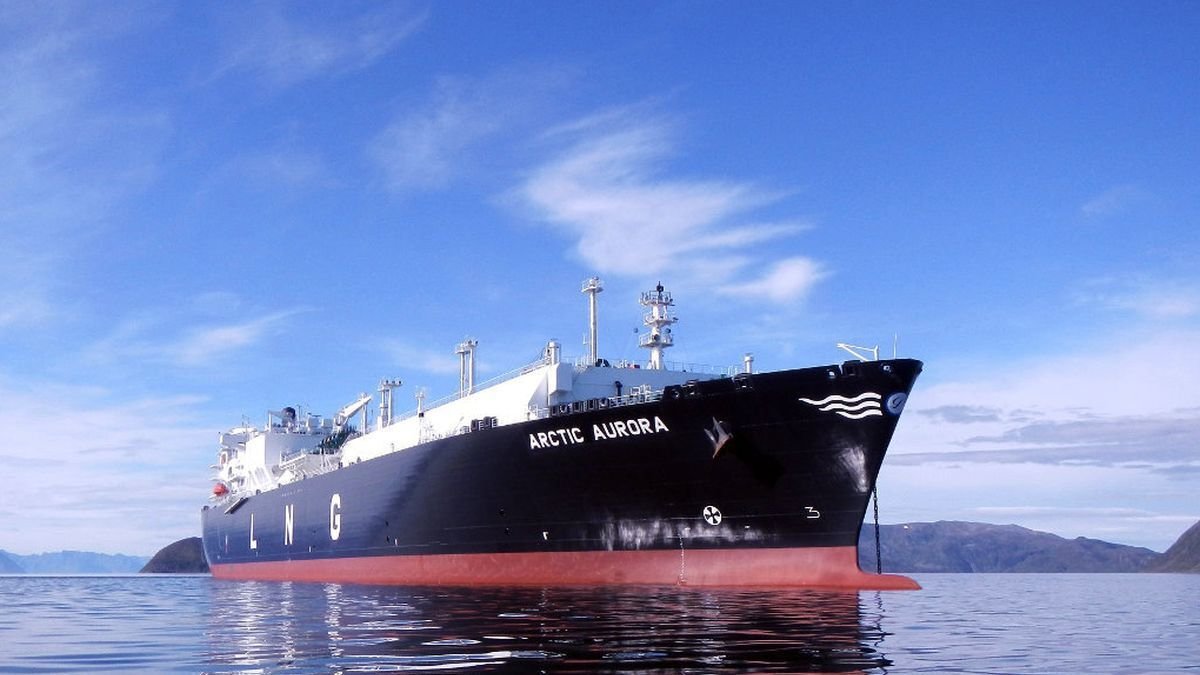
The European Union’s attempt to approve its next package of sanctions against Russia is facing fresh resistance from member states protecting their own economic interests, despite expectations that the departure of Hungary’s Viktor Orbán would clear the way for tougher measures. EU ambassadors are set to return to negotiations Wednesday over the bloc’s 21st sanctions package since Russia launched its full-scale invasion of Ukraine.JOIN US ON TELEGRAMFollow our coverage of the war on the @Kyivpost_official. But several proposed measures have already been scaled back, delayed or removed after objections from countries concerned about the impact on their businesses. The package was initially seen as a test of whether the EU could move more quickly against Moscow without Orbán, Hungary’s former prime minister and one of Russia’s most sympathetic voices inside the bloc, blocking decisions. Instead, diplomats say disagreements have shifted from Budapest to other capitals. “It has been a surprise and a disappointment how many member states have stalled in their actions,” Ville Niinistö, a Finnish lawmaker and chair of the European Parliament’s Russia delegation, told Politico. The EU needs unanimous approval from all 27 member states to adopt sanctions. Greece challenges LNG restrictions The biggest remaining dispute centers on a proposed ban on EU-based companies transporting Russian liquefied natural gas to third countries. Greece has opposed the measure, arguing it could hurt its powerful shipping sector, which controls a large share of the global merchant fleet.
Orbán Is Gone, But EU Russia Sanctions Fight Continues
Despite Viktor Orbán’s departure from Hungary’s leadership, member states are still struggling to agree on how far to go in pressuring Moscow.
638 words~3 min read