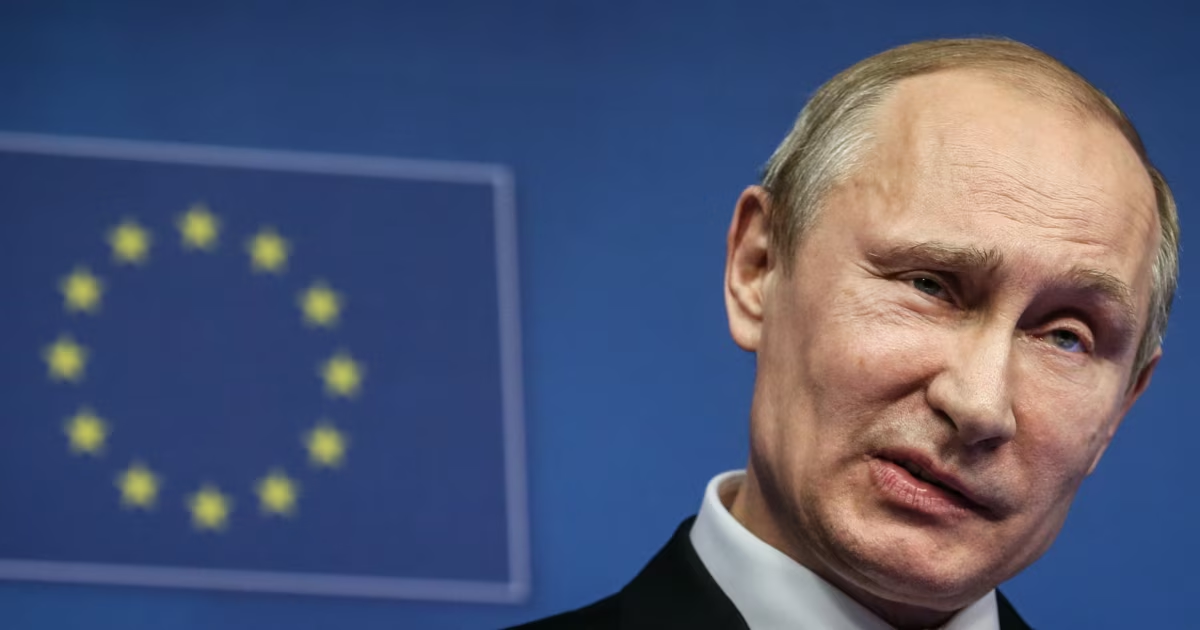
For years, Brussels treated the obstruction of EU policy on Russia as a Hungarian problem. Viktor Orbán’s government repeatedly delayed sanctions and support for Ukraine, including a proposed listing of Russian Orthodox Patriarch Kirill.
Then Hungary changed government and lifted its long-standing objection. But the blockage did not vanish with the old government, it simply changed address.
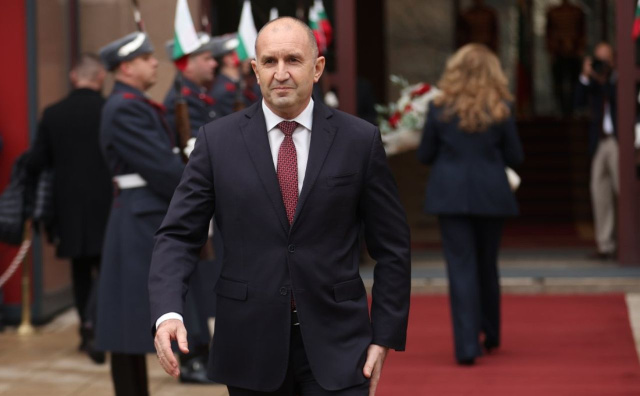
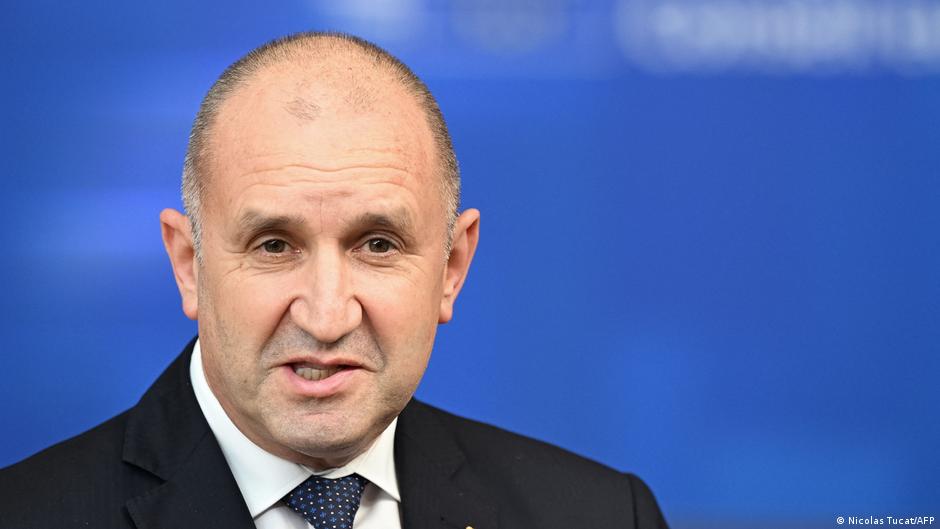
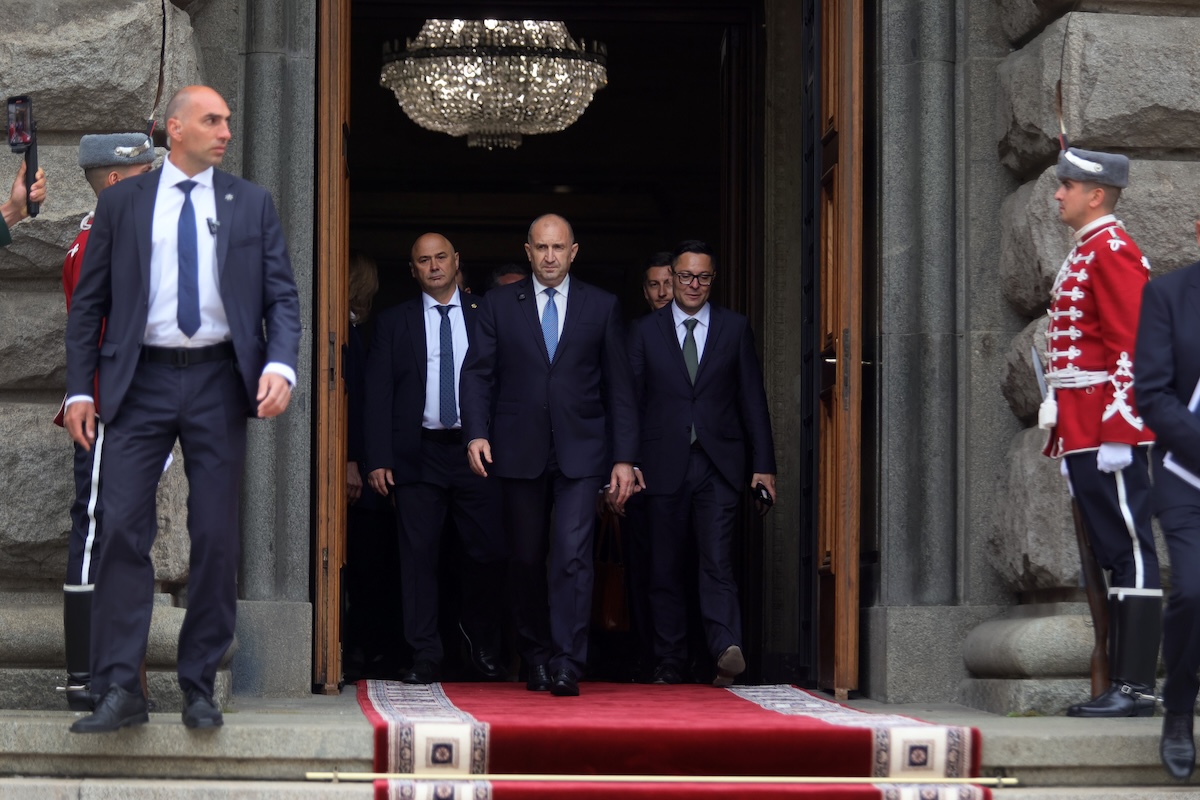
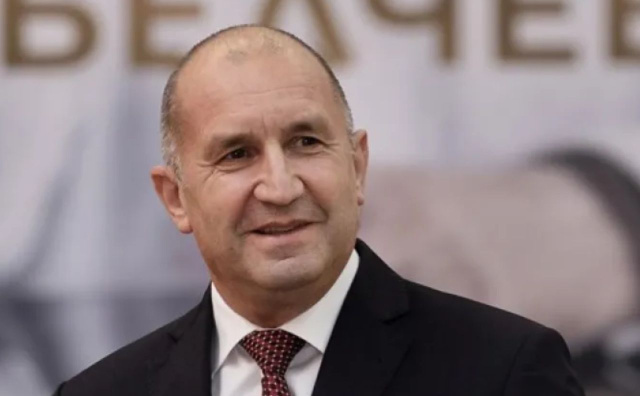
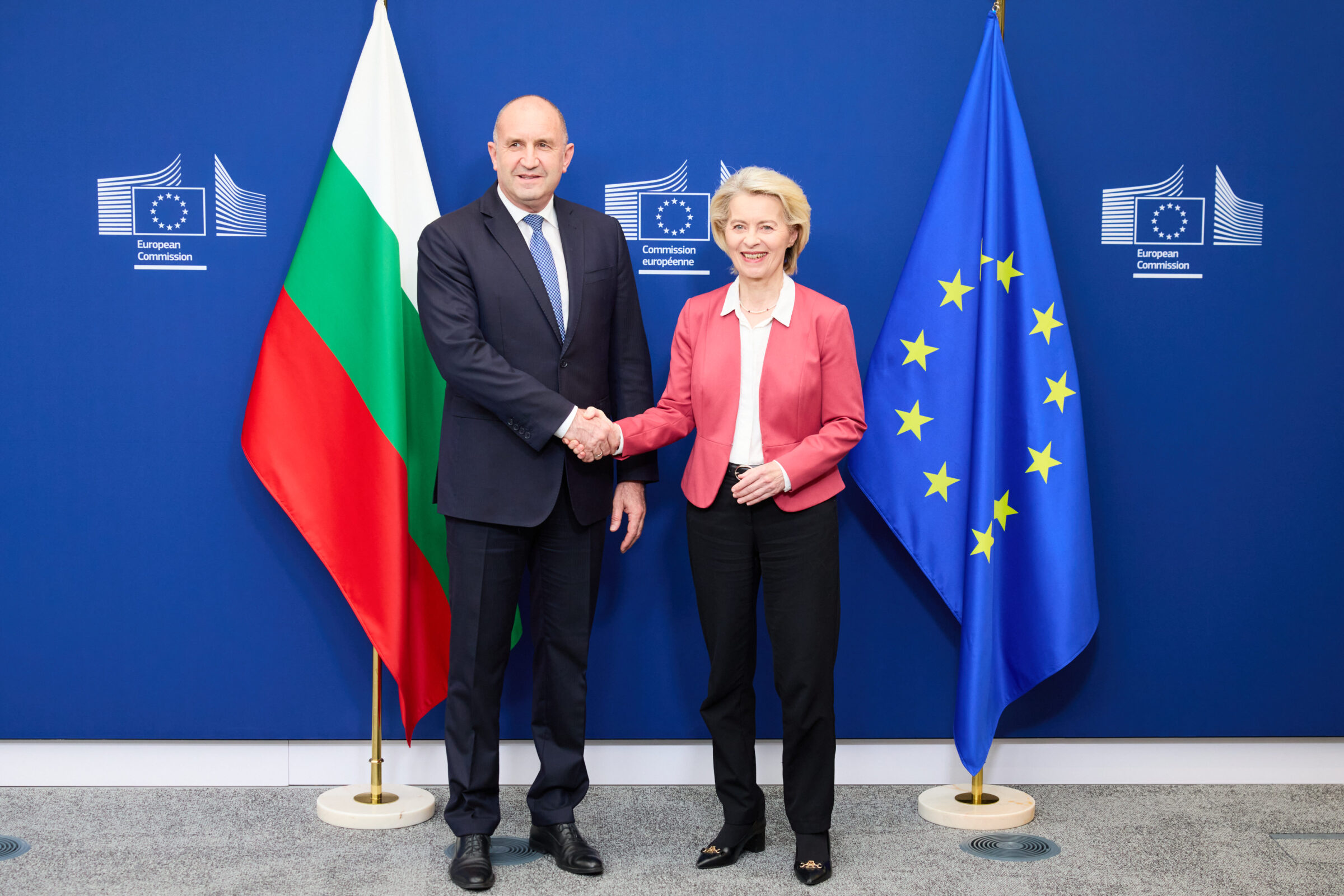
As EU leaders gathered in Brussels for their June summit, Bulgarian prime minister Rumen Radev said Sofia would veto the EU’s proposed 21st sanctions package against Russia.
His objections ranged from geopolitics to supply chains: adding Patriarch Kirill to the EU’s individual asset-freeze and travel-ban list, risks to Lukoil, which operates Bulgaria’s only refinery, and possible disruption to supplies of fertiliser and spare parts for the Sofia metro.
Each concern deserves scrutiny on its merits. But the larger issue is structural: under the EU’s unanimity rule, one capital can hold up measures targeting Russian banks, export-control evasion, the shadow fleet and third-country sanctions networks until its national objections are accommodated.