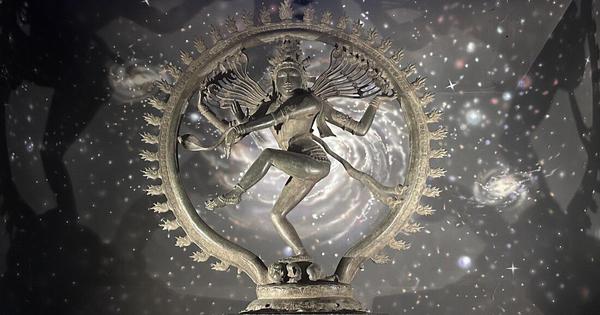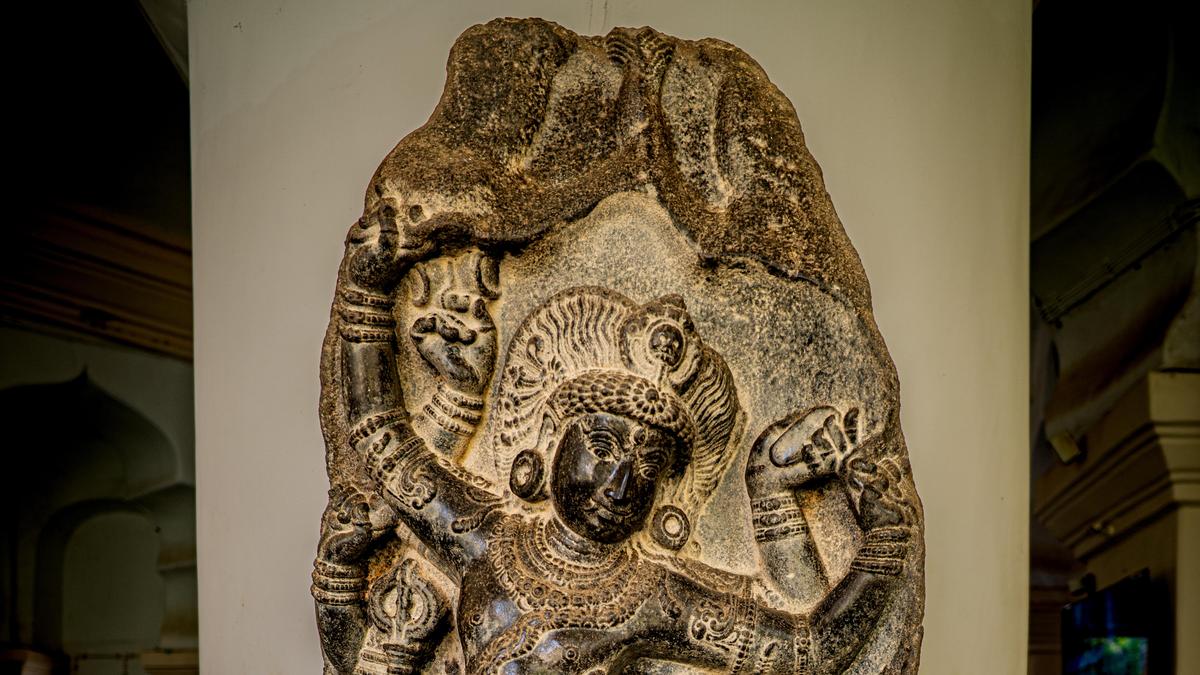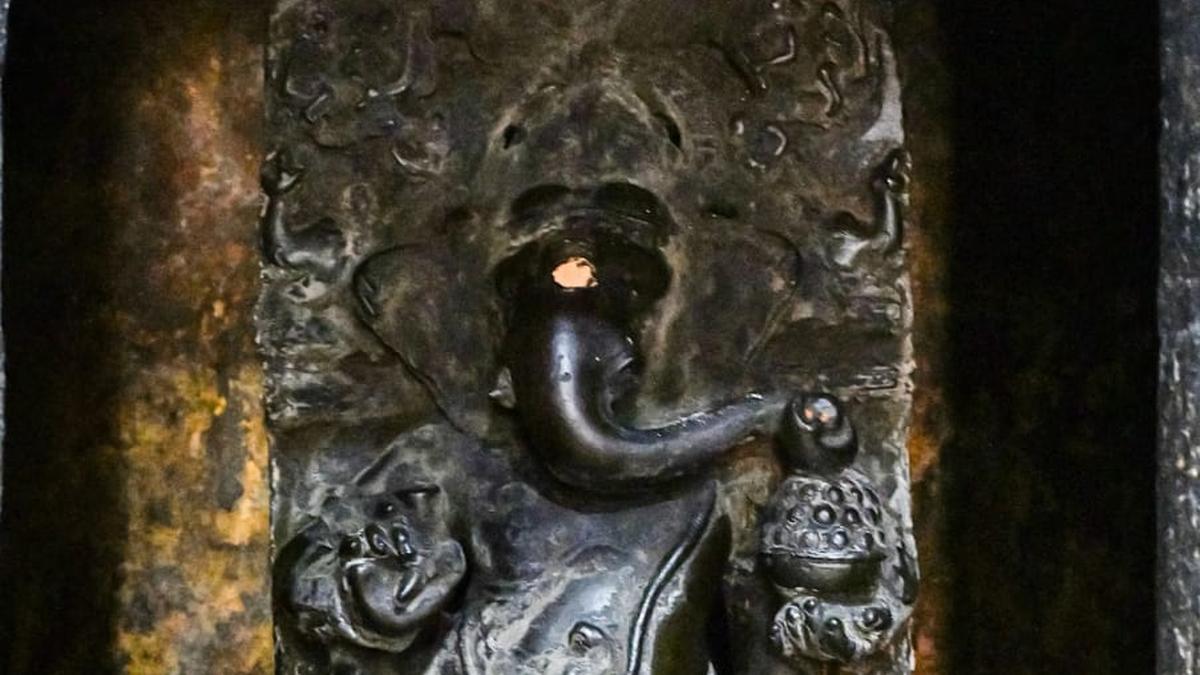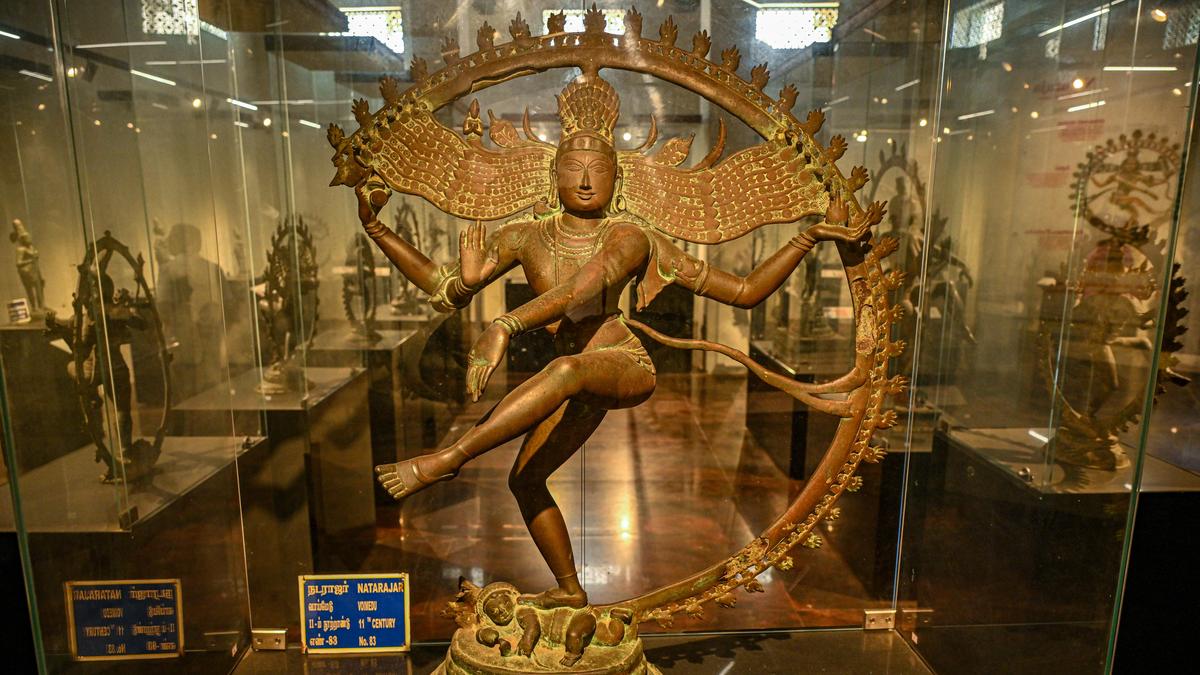
“The dance of Shiva at Chidambaram, or Thillai, forms the central motif of the south Indian bronze images of Shri Nataraja, the Lord of the Dance,” writes Indologist Ananda Coomaraswamy in his classic work The Dance of Shiva. “These images vary amongst themselves in minor details, but all express one fundamental conception,” he observes. Cosmic activity is the central theme of the dance.A visit to the Nataraja Hall in the Thanjavur Palace complex reveals bronze idols of Lord Nataraja dating from the 11th to the 19th centuries, each embodying, in its own way, the conception described by Coomaraswamy.The gallery houses 31 bronze idols including images of Sivakami (Uma), the consort of Nataraja. Varying in size and style, the idols were recovered from different parts of the erstwhile Thanjavur district.
Inside the Nataraja Hall in the Thanjavur Palace, Tamil Nadu
| Photo Credit:
R. Vengadesh
“These idols were earlier part of the palace museum. In 2024, the then District Collector, Deepak Jacob, using funds from the art gallery and support received through the Corporate Social Responsibility (CSR) initiative of Saint-Gobain Glass, established a dedicated museum to showcase the different forms of Nataraja and highlight the unique artistic features of each image,” said S. Elaiyaraja, the museum’s curator. The gallery was inaugurated in the same year.The bronze idols are displayed in glass cases, with carefully positioned spotlights accentuating their aesthetic appeal. A QR code placed beneath each idol provides visitors with information about the deity and the sculpture, although the digital content is currently being updated.